“With all the bad news on climate science and climate governance lately, how do you find hope to persevere?” In the past decade, I have been asked this question with increasing frequency in my climate governance lectures. It usually comes from a disillusioned student struggling to process new developments about climate science projections or climate […]
Read MoreA society’s true measure of success is its capacity to deal with failure. In the mid–seventeenth century, this is just what we can observe in the city of Amsterdam, at the time one of the world’s prime commercial hubs. In the early modern Dutch Republic, a set of legal, cultural, and institutional innovations resulted in […]
Read MoreAmong the many different ways that humans interact with the ocean, submarine operations are instrumental in furthering those activities. Submarines are deployed in scientific exploration, seabed exploitation, the development of critical infrastructure and criminal activities. Above all, submarines hold military and strategic significance for States and their navies. Yet the regulation of submarines under international […]
Read MoreHow do we prevent genocide? The modern world has been plagued with this ‘crimes of crimes’, that has claimed many millions of lives over the past century or more. In 1948, in the aftermath of the Holocaust, the international community committed to preventing genocide through the United Nations Convention on the Prevention and Punishment of […]
Read MoreWhile infrastructure development has long been associated with social progress, economic development and advanced living standards, it has likewise given rise to challenges including disruption, environmental harm and inequity. On the one hand, infrastructure development has been described as presenting both ‘immaterial ideals and material notions necessary to change the world’.[1] It speaks to both […]
Read MoreCalls to establish international administrations have been made in numerous contemporary contexts, including Afghanistan, the Congo, Haiti, Kosovo, Iraq, Liberia, Libya, Palestine, South Sudan, Syria, Timor-Leste or Yemen. More recently, they have been made in the context of the war in the Middle East (to “administer” Palestine) or in the Ukraine. Some of these projects […]
Read MoreThis year marks the 250th anniversary of the American Declaration of Independence. Few documents in world history have been as extensively studied and analyzed, and it is fair to ask if there is anything new to be said about the Declaration. There certainly is. Much of the scholarly and popular writing on the Declaration has […]
Read MoreIn March 1979, the government of dictator General Jorge Rafael Videla, submitted a law proposal to overhaul Argentina’s revenue-sharing regime. Following the rules of this regime, the bill was duly presented to the Legislative Advisory Commission, a legislative body created by the dictatorship and staffed by military officers. The provincial governors, who were also appointed […]
Read More“With all the bad news on climate science and climate governance lately, how do you find hope to persevere?” In the past decade, I have been asked this question with increasing frequency in my climate governance lectures. It usually comes from a disillusioned student struggling to process new developments about climate science projections or climate […]
Read MoreA society’s true measure of success is its capacity to deal with failure. In the mid–seventeenth century, this is just what we can observe in the city of Amsterdam, at the time one of the world’s prime commercial hubs. In the early modern Dutch Republic, a set of legal, cultural, and institutional innovations resulted in […]
Read MoreAmong the many different ways that humans interact with the ocean, submarine operations are instrumental in furthering those activities. Submarines are deployed in scientific exploration, seabed exploitation, the development of critical infrastructure and criminal activities. Above all, submarines hold military and strategic significance for States and their navies. Yet the regulation of submarines under international […]
Read MoreHow do we prevent genocide? The modern world has been plagued with this ‘crimes of crimes’, that has claimed many millions of lives over the past century or more. In 1948, in the aftermath of the Holocaust, the international community committed to preventing genocide through the United Nations Convention on the Prevention and Punishment of […]
Read MoreWhile infrastructure development has long been associated with social progress, economic development and advanced living standards, it has likewise given rise to challenges including disruption, environmental harm and inequity. On the one hand, infrastructure development has been described as presenting both ‘immaterial ideals and material notions necessary to change the world’.[1] It speaks to both […]
Read MoreCalls to establish international administrations have been made in numerous contemporary contexts, including Afghanistan, the Congo, Haiti, Kosovo, Iraq, Liberia, Libya, Palestine, South Sudan, Syria, Timor-Leste or Yemen. More recently, they have been made in the context of the war in the Middle East (to “administer” Palestine) or in the Ukraine. Some of these projects […]
Read MoreThis year marks the 250th anniversary of the American Declaration of Independence. Few documents in world history have been as extensively studied and analyzed, and it is fair to ask if there is anything new to be said about the Declaration. There certainly is. Much of the scholarly and popular writing on the Declaration has […]
Read MoreIn March 1979, the government of dictator General Jorge Rafael Videla, submitted a law proposal to overhaul Argentina’s revenue-sharing regime. Following the rules of this regime, the bill was duly presented to the Legislative Advisory Commission, a legislative body created by the dictatorship and staffed by military officers. The provincial governors, who were also appointed […]
Read MoreKeep up with the latest from Cambridge University Press on our social media accounts.
Contesting Immigration Policy in Court
Challenging Boardroom Homogeneity
Confronting the Internet\\\\\\\'s Dark Side
The Politics of Parliamentary Debate
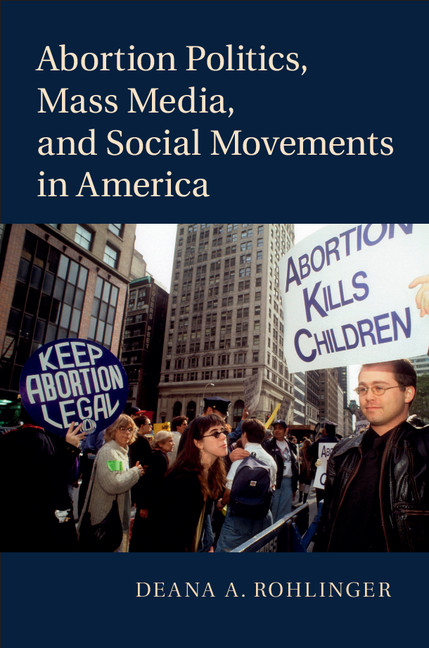
Abortion Politics, Mass Media, and Social Movements in America
Forging Rivals
The Implementation of the Findings of the African Commission on Human and Peoples\' Rights
Climate Change: A Wicked Problem
Strategically Created Treaty Conflicts and the Politics of International Law
Matt lloyd
University of Colorado Boulder
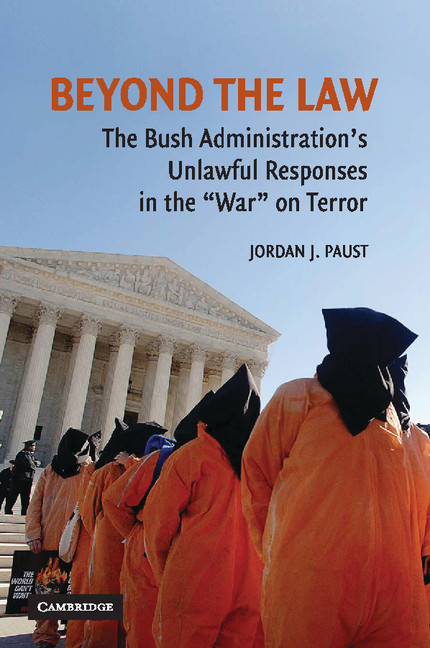
Beyond the Law
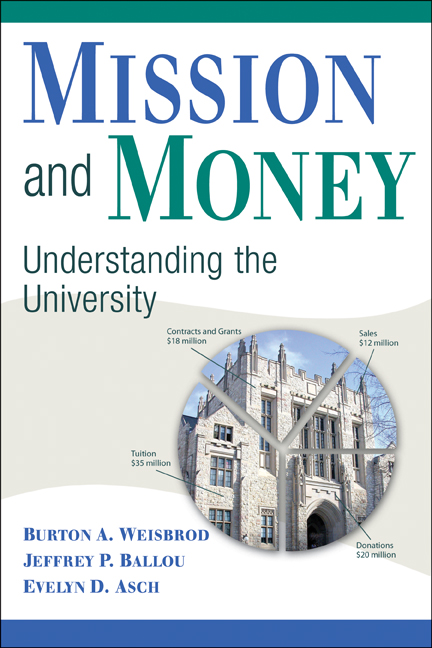
Mission and Money
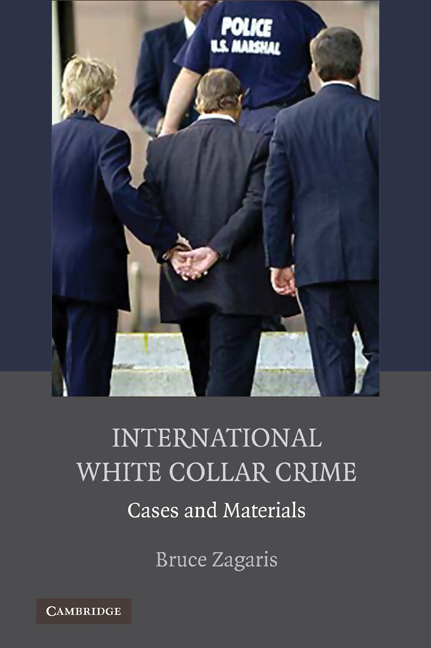
International White Collar Crime
Mission and Money
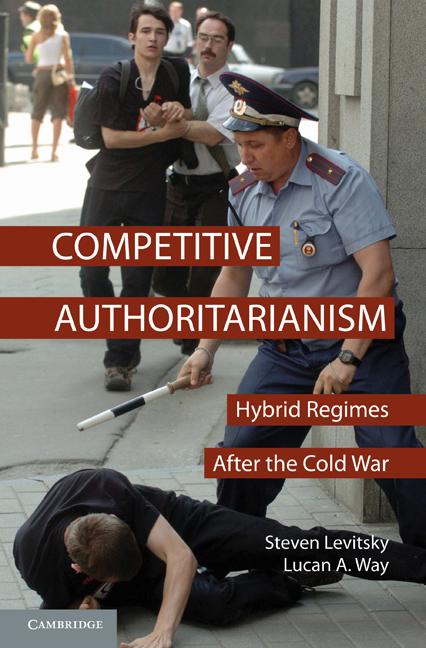
Competitive Authoritarianism
Moral Dilemmas of Modern War
Becoming A Candidate
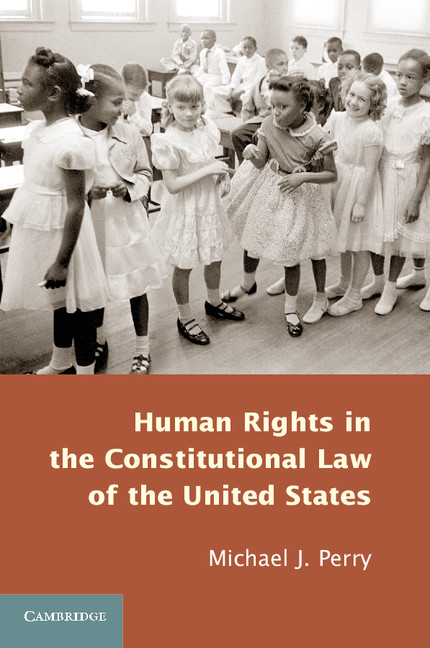
Human Rights in the Constitutional Law of the United States
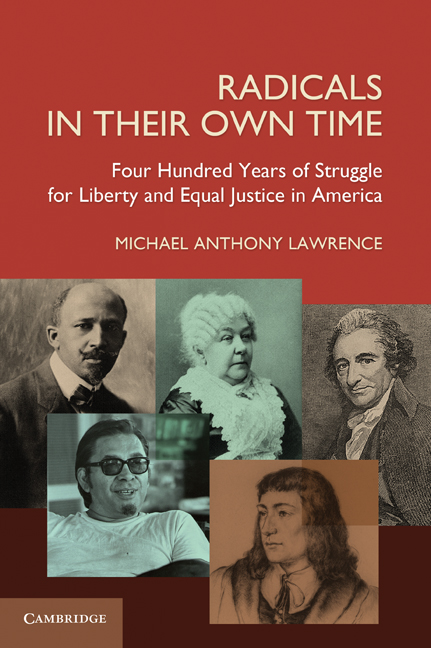
Radicals in Their Own Time
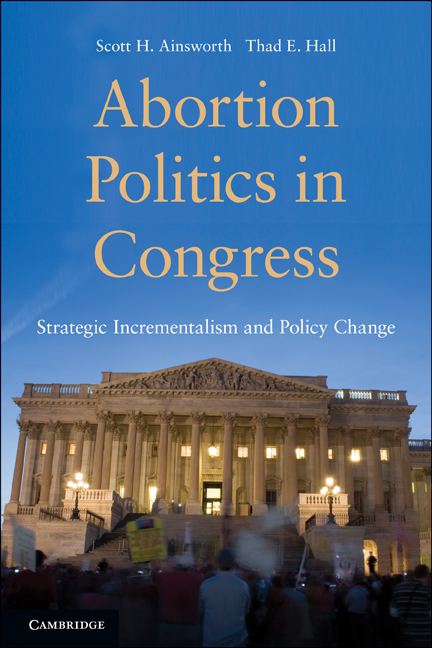
Abortion Politics in Congress
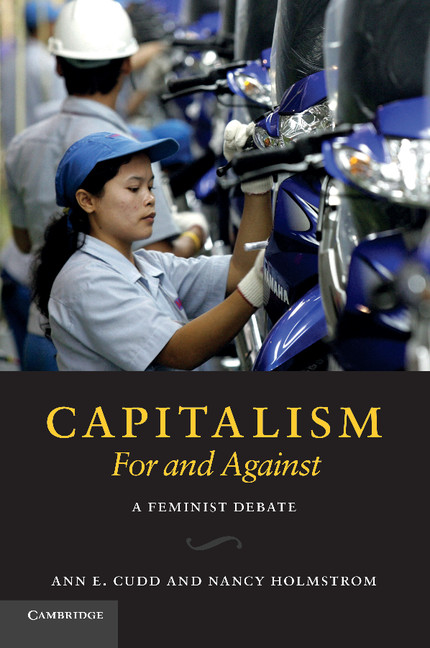
Capitalism, For and Against
Srebrenica in the Aftermath of Genocide
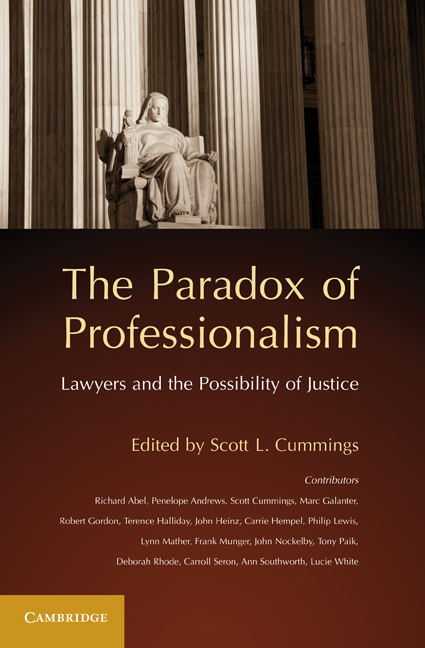
The Paradox of Professionalism
Obama\\\'s Bank
The Immigration Battle in American Courts
I Do Solemnly Swear
After Bush
After Bush
Constitutional Illusions and Anchoring Truths
Mission and Money
Law\'s Allure
The Legitimacy Puzzle in Latin America
Srebrenica in the Aftermath of Genocide
The Political Economy of the American Frontier
The Natural Moral Law
Library marketing associate
Loving v. Virginia in a Post-Racial World

Against Intellectual Monopoly
A Nation of Immigrants
Peacebuilding in the African Union
Justice for Earthlings
The End of Straight Supremacy
Justice Denied
Confronting Cyber-Bullying
Presidents and Civil Liberties from Wilson to Obama
The Treason Trial of Aaron Burr
The International Diplomacy of Israel’s Founders
Stephen A. Douglas and Antebellum Democracy

Speech Out of Doors
Managing Cyber Attacks in International Law, Business, and Relations
Internet Privacy Rights
Developing Countries in the GATT Legal System
The Fascists and the Jews of Italy
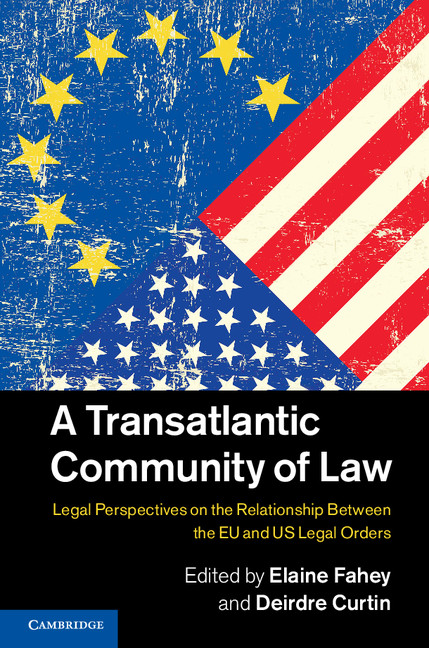
A Transatlantic Community of Law
Presidential Legislation in India
Law and Identity in Colonial South Asia
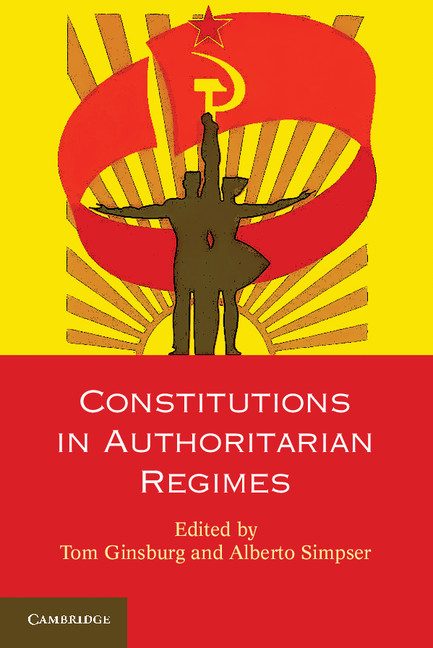
Constitutions in Authoritarian Regimes
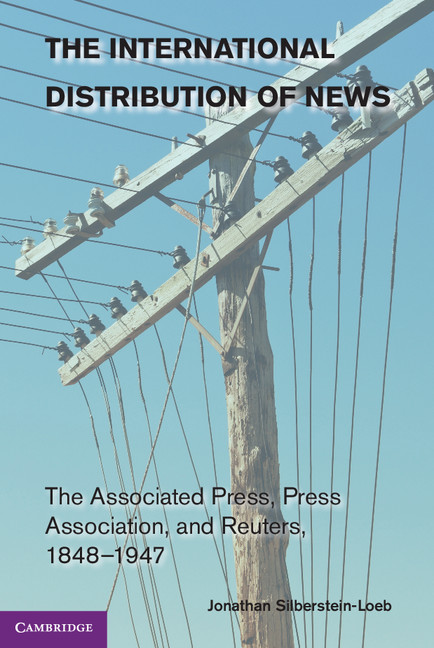
The International Distribution of News
Domestic Politics and International Human Rights Tribunals
State Strategies in International Bargaining
Sir Edward Coke and the Reformation of the Laws
Regulating Business for Peace
The Founders and the Idea of a National University
The Politics of Gay Marriage in Latin America
Public Service in EU Law
Laura F. Edwards, Duke University, North Carolina Laura F. Edwards is the Peabody Family Professor of History at Duke University. Her book The People and Their Peace: Legal Culture and the Transformation of Inequality in the Post-Revolutionary South was awarded the American Historical Association\\\\\\\'s 2009 Littleton–Griswold Prize for the best book in law and society and the Southern Historical Association\\\\\\\'s Charles Sydnor Prize for the best book in Southern history.
Popular Governance of Post-Conflict Reconstruction
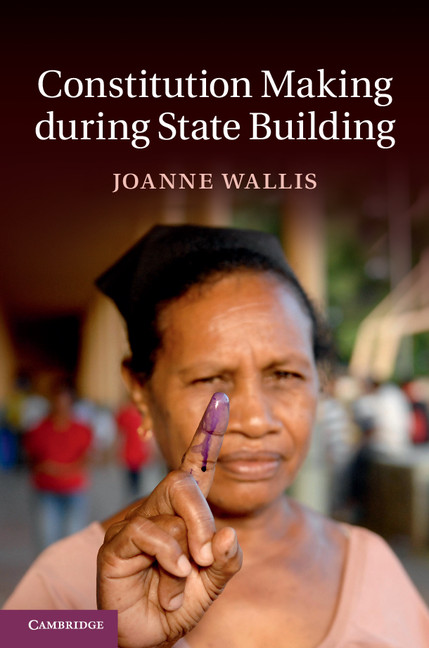
Constitution Making during State Building
European Consumer Access to Justice Revisited
The International Law of Disaster Relief
Human Rights in International Relations
Cybercrime: The Psychology of Online Offenders
Anarchy and Legal Order
Declaring War
Marketing intern
Tallinn Manual on the International Law Applicable to Cyber Warfare
The Sierra Leone Special Court and Its Legacy
The Delimitation of the Continental Shelf between Denmark, Germany and the Netherlands
NATO Cooperative Cyber Defence Centre of Excellence
Publicist
To receive updates on Law & Government news from Cambridge University Press and Fifteen Eighty Four, please join our email list below. We will not disclose your email address to any third party