
Products and services


The United Nations Climate Conference (COP 31) will convene in Antalya, Turkey. Muslim-majority countries have hosted two recent COPs in Sharm el-Sheikh and Dubai and are now set to host in Antalya. That continuity reflects that the communities bearing the heaviest burden of climate change are disproportionately Muslim, disproportionately in the Global South, and disproportionately the least responsible for the emissions that produced the crisis. Climate action, at its core, is a question of justice. Islamic legal tradition has been asking that question for fourteen centuries.
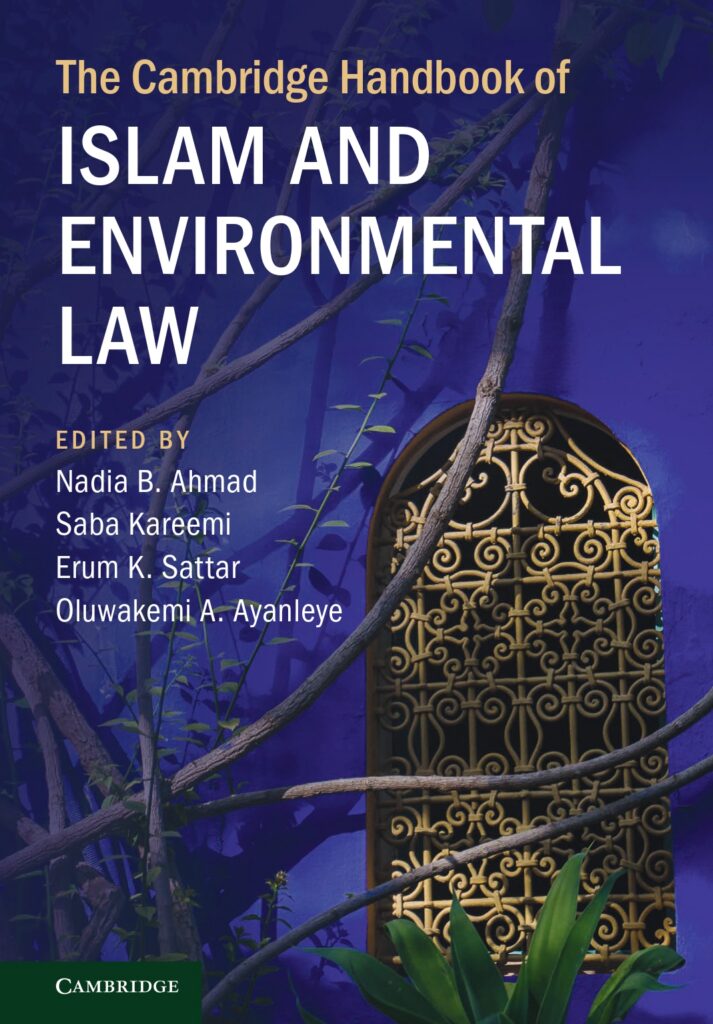
The Cambridge Handbook of Islam and Environmental Law, the first of its kind, publishes this month. Drawing on twenty-four contributors across fourteen countries and four continents, it maps Islamic environmental thought from classical fiqh to contemporary climate litigation. It is an act of recovery and of optimism. The legal tools exist. The issue, though, is whether nations and the international community will use them.
The Loss and Damage Fund, agreed at COP 27 in Sharm el-Sheikh and operationalized at COP 28 in Dubai, remains vastly underfunded relative to the scale of harm already visited on the most vulnerable nations. One underexamined dimension of that harm is military. Armed conflict destroys ecosystems, contaminates water supplies, and generates emissions that fall almost entirely outside the accounting frameworks of the Paris Agreement. The communities that survive war, and then survive the floods, droughts, and displacement that follow, bear compounded losses for which no fund has been designed. And just because more international and regional action is needed does not absolve countries from a justice-first mindset within their own political boundaries. At all political levels, we must strive to advance the cause of justice and work to protect the most vulnerable peoples and ecosystems first.
Islamic legal tradition developed responses to exactly this kind of compounded harm. Classical fiqh prohibited the destruction of trees, crops, and water sources in warfare, constraints on environmental harm during conflict that predate the Geneva Conventions by more than a millennium. The hima system, practiced across the Arabian Peninsula and into Andalusia, designated protected zones where extraction was prohibited and ecosystems were maintained for communal benefit. In Ottoman governance, waqf endowments, charitable trusts with perpetual legal standing, financed the upkeep of water systems, forests, and agricultural land across generations. In Al-Andalus, Islamic water law shaped and extended the acequia irrigationsystems of southern Spain, many of which remain in operation today: a living inheritance of Islamic environmental governance embedded in European land use.
These are worked-out models of what has, in fact, happened, and we should open our minds to using them to build frameworks for the future. The hima protected biodiversity before that word existed. The waqf created durable institutions for environmental management without state enforcement. The acequia systems distributed water equitably in conditions of scarcity.
What they have not had, until now, is recognized treatment alongside international climate law, comparative environmental law, and environmental justice scholarship. This Handbook argues that the resources for more just and more durable climate governance already exist in our historical, religious, and spiritual traditions, and that bringing them into the fore of the conversation, six months before COP 31 convenes in Turkey, is long overdue.
The communities least responsible for the climate crisis have the deepest legal traditions for living within planetary limits. That is where the academic, policy, institutional, finance, and governance fields need to look in a true spirit of humility with an open mind and heart. The scale of the planetary crisis demands no less. The moment to start is NOW.
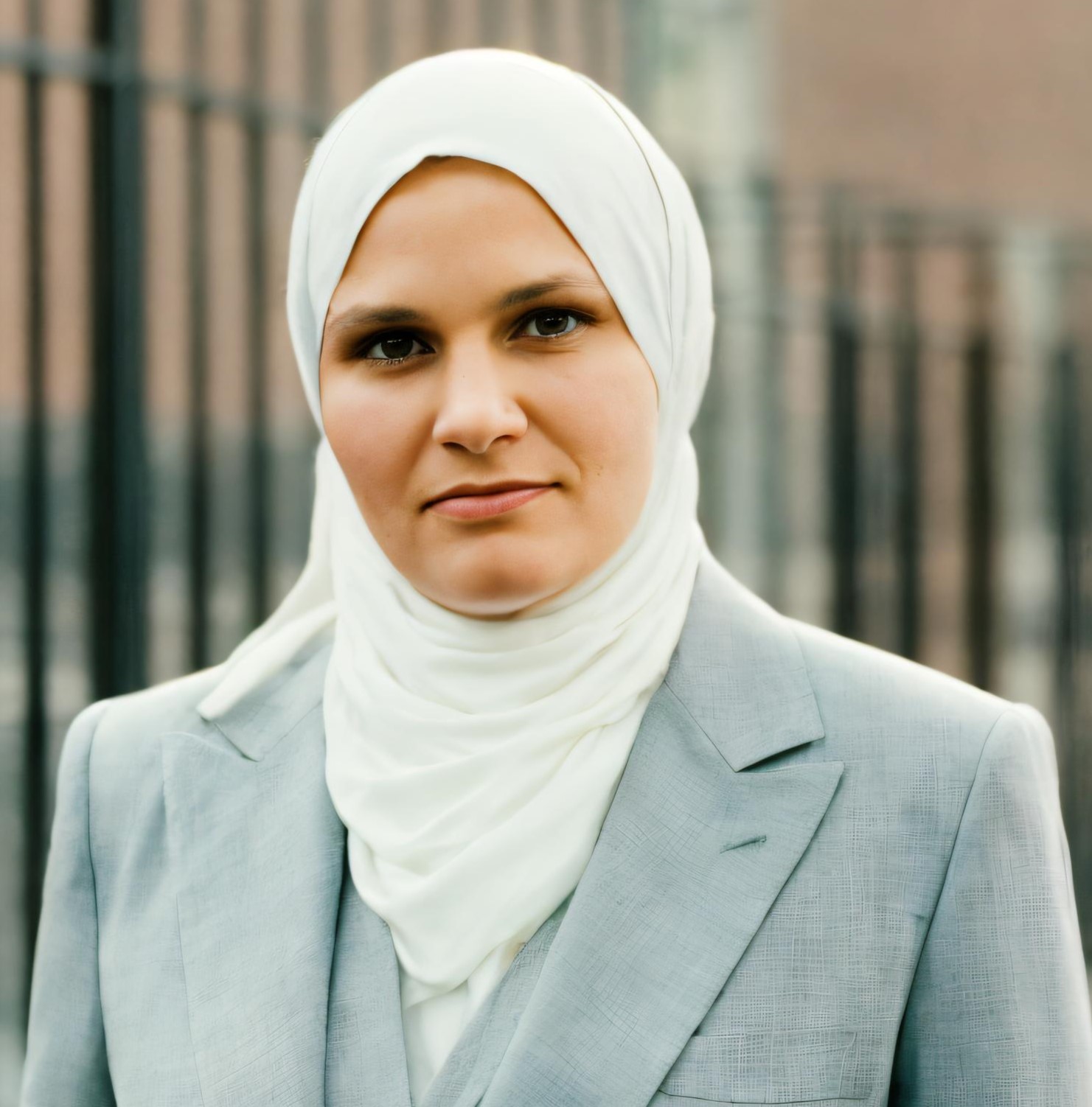
Nadia B. Ahmad is a professor of law at Barry University and Ph.D. candidate at the Yale School of the Environment, where she served as a Kerry Fellow. Co-chair of the American Bar...
View profile >
Saba Kareemi is a Pakistani Canadian legal scholar and lawyer specializing in Islamic law, corporate law, and constitutional law. She has taught at the Asian Institute of Managemen...
View profile >
Erum K. Sattar is a lecturer at Tufts University with degrees from Harvard Law School and the University of London and is a member of the bar of England and Wales and the Honourabl...
View profile >
Oluwakemi A. Ayanleye is a law lecturer at Olabisi Onabanjo University, Nigeria, specializing in Islamic finance and sharia legal systems. She has published extensively on Islamic ...
View profile >Keep up with the latest from Cambridge University Press on our social media accounts.




Latest Comments
Have your say!