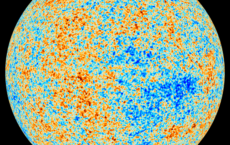
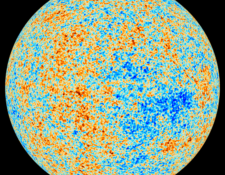
In 1964 Arno Penzias and Robert Wilson of the Bell Telephone Laboratories discovered the almost perfect blackbody microwave glow from the Big Bang. They found this glow to have a nearly uniform temperature of 2.7255 K that did not vary with position in the sky. Since then, as a result of immense effort and ingenuity, […]
Read MoreUnlock the secrets of scientific articles with CERIC: Claim, Evidence, Reasoning, Implications, and Context. This approachable guide helps readers break down dense articles into their core arguments using a focused hunt-and-seek approach, enabling deeper insight and engagement with the research literature. Each chapter features worked examples drawn from multiple scientific disciplines, pre-empts common misunderstandings, and provides knowledge checks to reinforce learning.

Read MoreSpontaneous symmetry breaking lies at the heart of modern physics, shaping our understanding of matter, forces, and even the universe itself. From condensed matter physics to particle physics and cosmology, spontaneous symmetry breaking unifies phenomena that at first seem worlds apart.

Read MoreFew things stir emotions and financial markets quite like artificial intelligence, yet too few people understand how it’s made, how it’s measured, how it intersects with the law, and what its societal implications may be. The most well-known issues, such as misinformation, hallucinations, “nudify” apps, and the like, are the tip of the iceberg. I […]

Read MoreA good question, you might say, and one that some astronomers asked when I presented a paper the subject at a recent meeting of the American Astronomical Society! The philosophy of science and of specific sciences such as physics, chemistry, and biology are well-developed fields with their own books and journals. These studies are important […]
Read MoreThe soul of modern complexity science lies in understanding, training, and controlling the interactions among millions of elementary degrees of freedom to generate emergent dynamics; in other words, to shape the effective physical laws that govern the behavior we observe. This goal has so far been achieved primarily in computer simulations and in models that […]
Read MoreHuman-built spacecraft have visited every single planet in our solar system, as well as several comets and asteroids. We have landed robotic spacecraft not only on Venus and Mars but also on Titan, the largest moon of Saturn. Spacecraft have dived down close to the Sun’s surface and others have escaped the solar system, flung […]

Read MoreMy first week of doctoral coursework at Johns Hopkins in 2017 came with four hundred pages of reading. The second week came with five hundred. I had been reading science for a living for a decade — as a journalist, a teacher, a writer — and by the middle of the term it was an […]

Read MoreIn 1964 Arno Penzias and Robert Wilson of the Bell Telephone Laboratories discovered the almost perfect blackbody microwave glow from the Big Bang. They found this glow to have a nearly uniform temperature of 2.7255 K that did not vary with position in the sky. Since then, as a result of immense effort and ingenuity, […]
Read MoreUnlock the secrets of scientific articles with CERIC: Claim, Evidence, Reasoning, Implications, and Context. This approachable guide helps readers break down dense articles into their core arguments using a focused hunt-and-seek approach, enabling deeper insight and engagement with the research literature. Each chapter features worked examples drawn from multiple scientific disciplines, pre-empts common misunderstandings, and provides knowledge checks to reinforce learning.
Read MoreSpontaneous symmetry breaking lies at the heart of modern physics, shaping our understanding of matter, forces, and even the universe itself. From condensed matter physics to particle physics and cosmology, spontaneous symmetry breaking unifies phenomena that at first seem worlds apart.
Read MoreFew things stir emotions and financial markets quite like artificial intelligence, yet too few people understand how it’s made, how it’s measured, how it intersects with the law, and what its societal implications may be. The most well-known issues, such as misinformation, hallucinations, “nudify” apps, and the like, are the tip of the iceberg. I […]
Read MoreA good question, you might say, and one that some astronomers asked when I presented a paper the subject at a recent meeting of the American Astronomical Society! The philosophy of science and of specific sciences such as physics, chemistry, and biology are well-developed fields with their own books and journals. These studies are important […]
Read MoreThe soul of modern complexity science lies in understanding, training, and controlling the interactions among millions of elementary degrees of freedom to generate emergent dynamics; in other words, to shape the effective physical laws that govern the behavior we observe. This goal has so far been achieved primarily in computer simulations and in models that […]
Read MoreHuman-built spacecraft have visited every single planet in our solar system, as well as several comets and asteroids. We have landed robotic spacecraft not only on Venus and Mars but also on Titan, the largest moon of Saturn. Spacecraft have dived down close to the Sun’s surface and others have escaped the solar system, flung […]
Read MoreMy first week of doctoral coursework at Johns Hopkins in 2017 came with four hundred pages of reading. The second week came with five hundred. I had been reading science for a living for a decade — as a journalist, a teacher, a writer — and by the middle of the term it was an […]
Read MoreKeep up with the latest from Cambridge University Press on our social media accounts.
Nanyang Technological University, Singapore
Osaka Metropolitan University, Japan
York University, Toronto
University of Osaka, Japan
Universidad Nacional Autónoma de México, Mexico
Purdue University, Indiana
Universitá di Camerino
Higher Learning Lab Co.
Max Planck Institute for Astronomy, Heidelberg
Sapienza University of Rome
Sioux Technologies
University of Geneva and Leiden University
University of Amsterdam
Université Paris Cité/CNRS
The Joy of Science
Jácome (Jay) Armas Editor of Conversations on Quantum Gravity
Kenneth S. Coles, co-author of The Atlas of Mars 2019
Joseph Braat co-author of Imaging Optics, 2019
David Merritt author of A Philosophical Approach to MOND
Stanford University, California
Technion - Israel Institute of Technology, Haifa
King\'s College London
Simon Friederich, author of Multiverse Theories: A Philosophical PerspectiveRijksuniversiteit Groningen, The Netherlands
John Zink Co. LLC
Senior Lecturer in Aerospace Engineering, University of Maryland, College Park
Todd Timberlake, author of Finding our Place in the Solar System, 2019
Gregory J. Gbur author of Mathematical Methods for Optical Physics and Engineering, 2011
Mike Berners-Lee consults, thinks, writes and researches on sustainability and responses to 21st century challenges.
N David Mermin, Author of \\\'Why Quark Rhymes with Pork\\\'
Ecology, Evolution and Behaviour of Wild Cattle
The Joy of Science
Introduction to Graphene-Based Nanomaterials
Staff Scientist, Brigham and Women’s Hospital, Department of Neurology with affiliation to The Broad Institute of Harvard and MIT.
Introduction to Graphene-Based Nanomaterials
Roger G. Barry, University of Colorado Boulder
Icebergs
Science and Human Experience
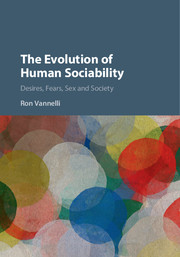
The Evolution of Human Sociability
Accounting for Carbon
The Reader\\\\\\\\\\\\\\\'s Brain
Innovations in Sustainability
The Choanoflagellates: Evolution, Biology and Ecology
Climate Change: A Wicked Problem
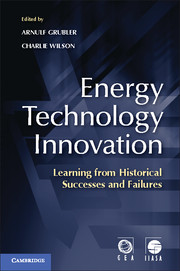
Energy Technology Innovation
An Integrative Approach to Successional Dynamics
Energy Technology Innovation
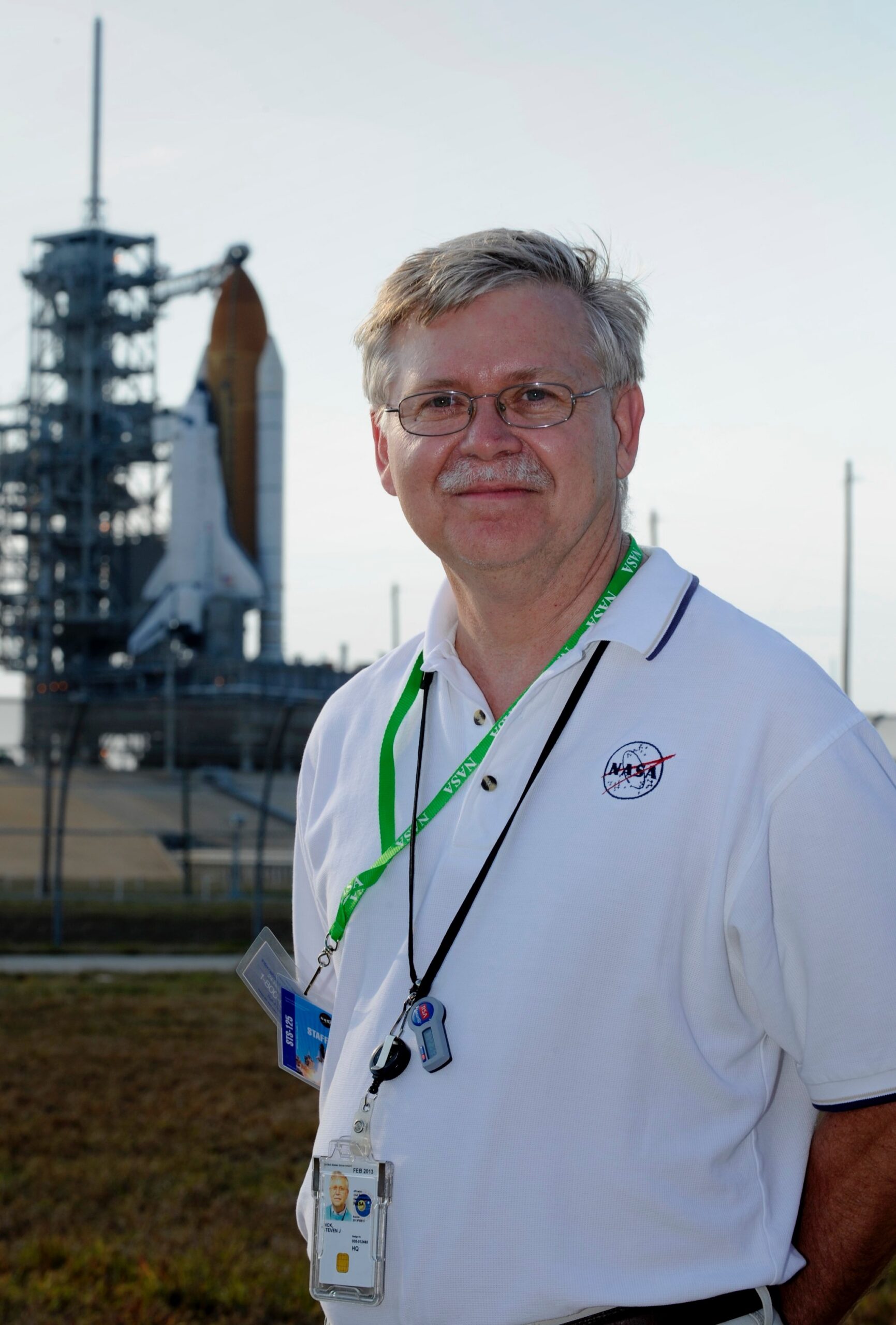
Steven J. Dick is an astronomer and historian of science
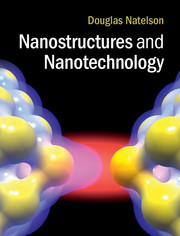
Nanostructures and Nanotechnology
Psychology of the Digital Age
Colours and Colour Vision
Strategically Created Treaty Conflicts and the Politics of International Law
Fred D. Singer Radford University, Virginia
Matt lloyd
Don S. Lemons, author of A Student\'s Guide to Dimensional Analysis, 2017 and A Student\'s Guide to Entropy, 2013
Google, Inc., Mountain View, California
Marta García-Matos author of The Wonders of Light, 2015
Caterina A. M. La Porta author of The Physics of Cancer, 2017
Stefano Zapperi author of The Physics of Cancer
Bonnie J. Buratti, author of Worlds Fantastic, Worlds Familiar: A Guided Tour of the Solar System
Kevin Warwick
The Volcano Adventure Guide
Toxic Loopholes: Failures and Future Prospects for Environmental Law
Smart Solutions to Climate Change
Why We Disagree About Climate Change
Scarcity and Frontiers
The Ecology of Oil
Discoveries of the Census of Marine Life
Evolution, Creationism, and the Battle to Control America\'s Classrooms
Talking About Life: Conversations on Astrobiology
Animal Homosexuality
Evolution, Creationism, and the Battle to Control America\\\\\\\'s Classrooms
U.S. Energy Policy and the Pursuit of Failure
Grape vs. Grain

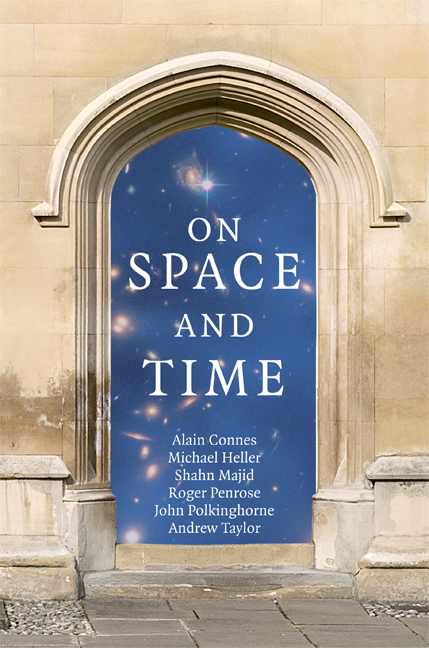
On Space and Time
Too Hot to Touch
On Space and Time
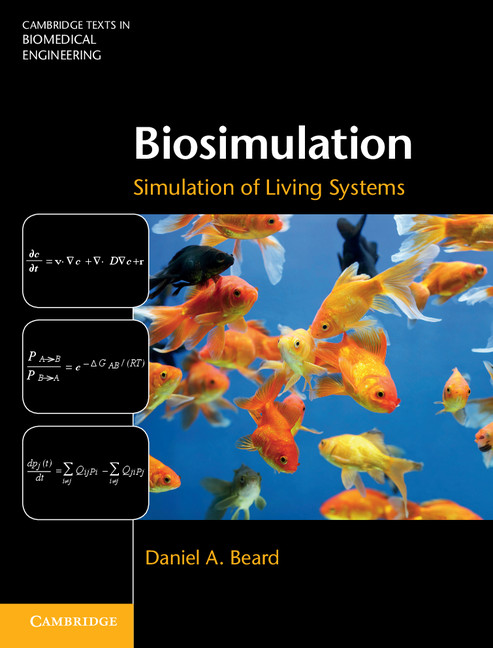
Biosimulation
Library marketing associate
The City and the Coming Climate
Living in Dangerous Climate
Too Hot to Touch
The Handbook of Personal Area Networking Technologies and Protocols
The Myth of the Ethical Consumer
The Weather Observer\\\\\\\\\\\\\\\\\\\\\\\\\\\\\\\\\\\\\\\\\\\\\\\\\\\\\\\\\\\\\\\\\\\\\\\\\\\\\\\\\\\\\\\\\\\\\\\\\\\\\\\\\\\\\\\\\\\\\\\\\\\\\\\'s Handbook
Eruptions that Shook the World
How to Succeed as a Scientist
Bioethics
Does Your Family Make You Smarter?
Publicist
Senior Inbound Marketing Executive
Evolution - Selected Letters of Charles Darwin 1860–1870
Social Media Intelligence
Climate Change and the Course of Global History
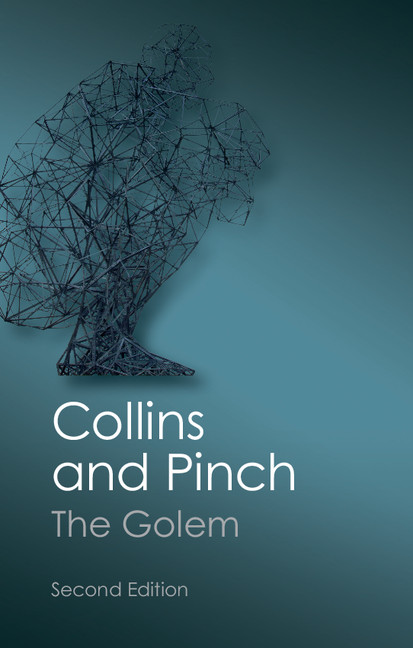
The Golem
The Golem
Giraffe: Biology, Behaviour, and Conservation
Ethical Challenges in the Behavioral and Brain Sciences
Dangerous Neighbors
Life Beyond Earth
Life Beyond Earth
Introduction to Cancer Biology
Astrophysics Through Computation
Understanding the Universe
Egyptian Mummies and Modern Science
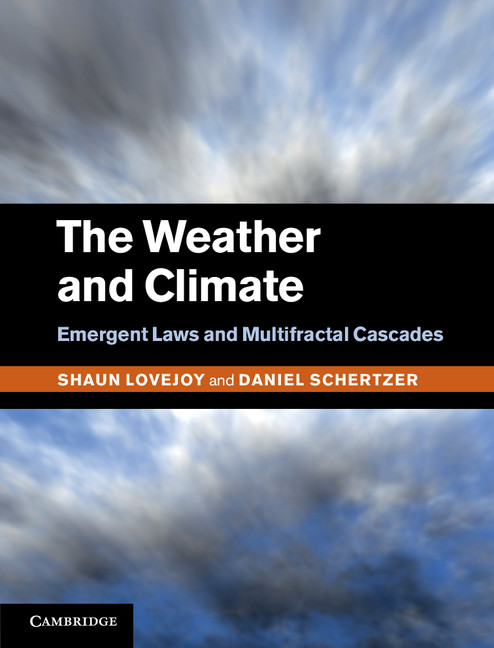
The Weather and Climate: Emergent Laws and Multifractal Cascades
Antarctica - Global Science from a Frozen Continent
The Domestic Cat
Assistant manager (e-products)
Bioethics and the Future of Stem Cell Research
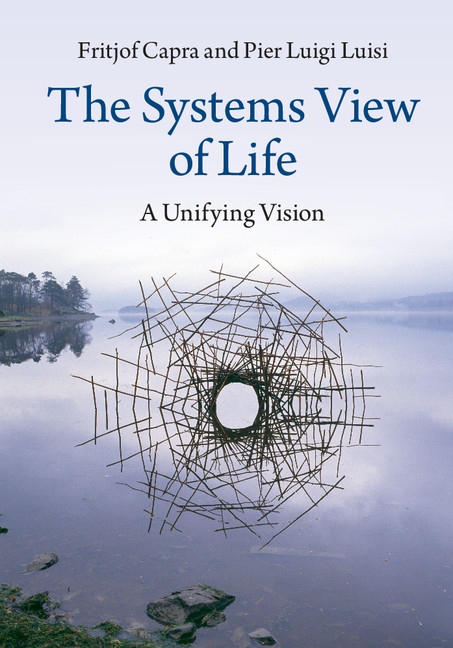
The Systems View of Life
Human Evolution
Landslide Ecology
Landslide Ecology
Fungal Biology in the Origin and Emergence of Life
To receive updates on Science & Engineering news from Cambridge University Press and Fifteen Eighty Four, please join our email list below. We will not disclose your email address to any third party

![The microwave sky as seen by the ESA Planck satellite. This map shows the tiny departures from uniformity of the infant universe at about 1/1000th its present size as seen from space at microwave frequencies. These tiny fluctuations---at approximately one part in 100,000---subsequently grew to turn into the structures that we now observe in the nearby universe. [Data courtesy of ESA/Planck Collaboration. © Martin Bucher]](https://cambridgeblog.org/wp-content/uploads/2026/10/Picture1-230x145.png)