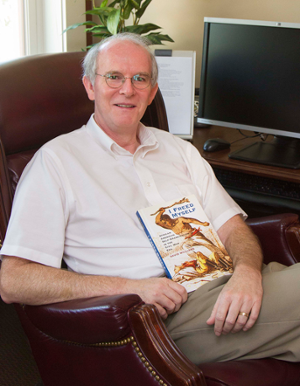
David Krugler, the author of 1919, The Year of Racial Violence, examines the legacy of racial violence in America that has culminated in debates and riots over the Eric Garner and Michael Brown cases. Racial relations almost 100 years ago offer new insight.
Read MoreBernard Rosenthal, the editor of Records of the Salem-Witch Hunt, sheds light on America's most famous witch trials and the legacy of fascination that has become impossible to escape.
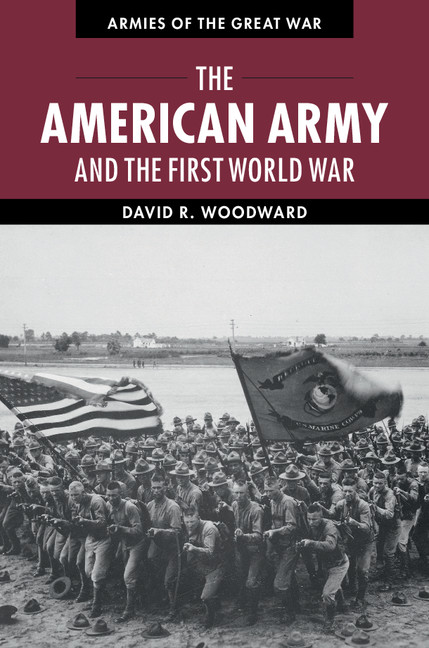
Read MoreDavid Woodward, the author of The American Army and the First World War, explains why the United States was so late to participate in the Great War and why the war was one of the most devastating the U.S. army ever faced.
Read MoreThe American Army, though late to the battlefield, was a key to Allied victory in the Great War. In The American Army and the First World War, David Woodward explores how a modern US Army was formed and how the Doughboys shaped the outcome of the war.
Read More"Food Will Win the War!" the U.S. Food Administration proclaimed. Instructing the folks at home to cut back on their wheat and meat intake meant more food to fuel the soldiers overseas. But how to make it through those Meatless Tuesdays and Wheatless Wednesdays before 1920? Take a stab at these recipes for the experience of WWI at home.
Read MoreThe author of The United States, Italy and the Origins of Cold War: Waging Political Warfare discusses how the case of Italy in the early years of the cold war helped set the stage for over half a century of U.S. interventions abroad.

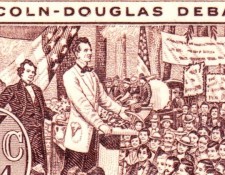
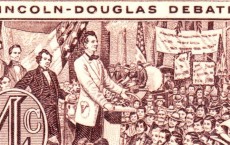
Read MoreRobert E. May, the author of Slavery, Race, and Conquest in the Tropics, sat down with us to discuss the complex causes of the Civil War, including the little-studied debate between Abraham Lincoln and Stephen A. Douglas about slavery’s expansion into Latin American territory. His book was finalist for the 2014 Gilder Lehrman Lincoln Prize.
Read MoreThe Great War was the first global war and one of the deadliest conflicts in history. The high cost of World War I, which left 10 million soldiers dead, is one of its most enduring legacies.
Read MoreDavid Krugler, the author of
Read MoreThe American Army, though late to the battlefield, was a key to Allied victory in the Great War. In ...
Read More"Food Will Win the War!" the U.S. Food Administration proclaimed. Instructing the folks at home to c...
Read MoreRobert E. May, the author of Slavery, Race, and Conquest in the Tropics, sat down with us to discuss the complex causes of the Civil War, including the little-studied debate between Abraham Lincoln and Stephen A. Douglas about slavery’s expansion into Latin American territory. His book was finalist for the 2014 Gilder Lehrman Lincoln Prize.
Read MoreKeep up with the latest from Cambridge University Press on our social media accounts.
Salim Yaqub is Professor of History at the University of California, Santa Barbara and author of Winds of Hope, Storms of Discord (2022).
The Cambridge Guide to African American History
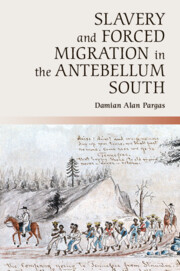
Slavery and Forced Migration in the Antebellum South
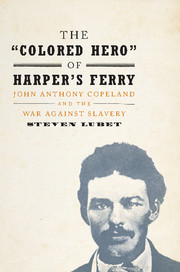
\\\'The Colored Hero\\\' of Harper\\\'s Ferry
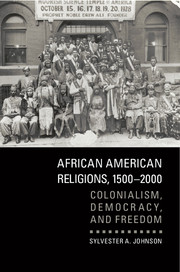
African American Religions, 1500–2000
Independent Politics
The Cambridge Companion to American Civil Rights Literature
American Hippies
The Most Controversial Decision
Nineteenth-Century American Literature and the Long Civil War
National Security and Core Values in American History
Radicals in Their Own Time
Abortion Politics in Congress
Antisemitism and the American Far Left
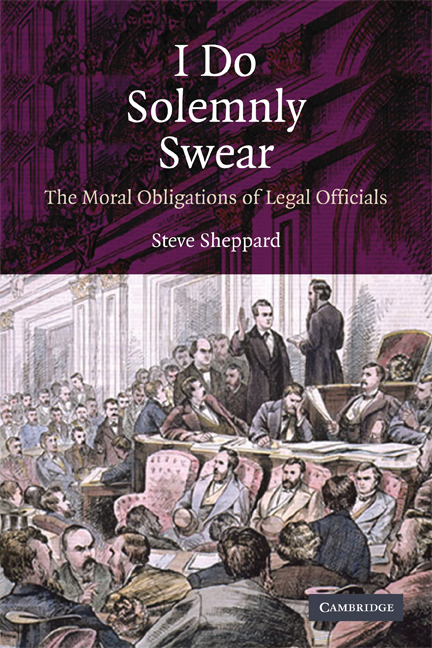
I Do Solemnly Swear
After Bush
After Bush
Marketing associate
A Government Out of Sight
Making a New Deal
Political Moderation in America\\\'s First Two Centuries
Japan Rising
Publicist
The American 1930s
Seduced by Secrets
The End of Straight Supremacy
The American Mission and the \\\\\\\'Evil Empire\\\\\\\'
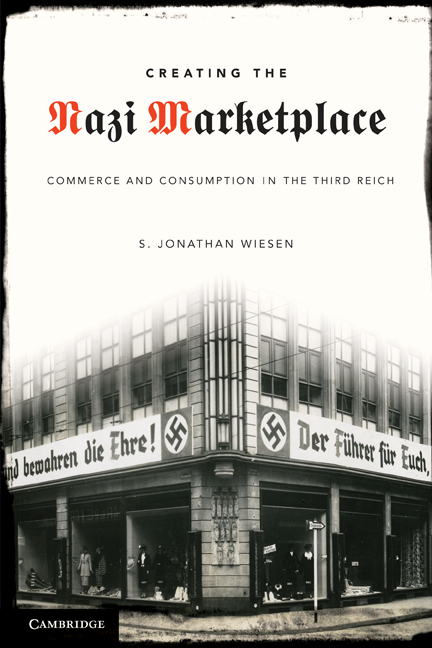
Creating the Nazi Marketplace
The Treason Trial of Aaron Burr
Tested by Zion
Stephen A. Douglas and Antebellum Democracy
The American Army and the First World War
Gender and Race in Antebellum Popular Culture
The Founders and the Idea of a National University
Romantic Reformers and the Antislavery Struggle in the Civil War Era
Slavery, Race, and Conquest in the Tropics
Laura F. Edwards, Duke University, North Carolina Laura F. Edwards is the Peabody Family Professor of History at Duke University. Her book The People and Their Peace: Legal Culture and the Transformation of Inequality in the Post-Revolutionary South was awarded the American Historical Association\\\\\\\'s 2009 Littleton–Griswold Prize for the best book in law and society and the Southern Historical Association\\\\\\\'s Charles Sydnor Prize for the best book in Southern history.
1919, The Year of Racial Violence
Chiefdoms, Collapse and Coalescence in the Early American South
Declaring War
A Concise History of the United States of America
Marketing intern
German Immigrants, Race, and Citizenship in the Civil War Era
On Dissent
On Dissent
The Many Panics of 1837
To receive updates on US History news from Cambridge University Press and Fifteen Eighty Four, please join our email list below. We will not disclose your email address to any third party