

Products and services

In June 2008, Russia’s foreign minister Sergey Lavrov and his Norwegian counterpart Jonas Gahr Støre sat aboard a nuclear icebreaker in Murmansk, watching a football match and drinking vodka. Two years later, the two countries settled a maritime boundary dispute that had dragged on for four decades. That was Arctic geopolitics.
In December 2024, an incoming US president announced that ownership and control of Greenland was “an absolute necessity.” That, too, was Arctic geopolitics.
Both statements are true. Neither tells you much about the other. And that is the problem I set out to write a book about.
Four per cent of the planet is not a region
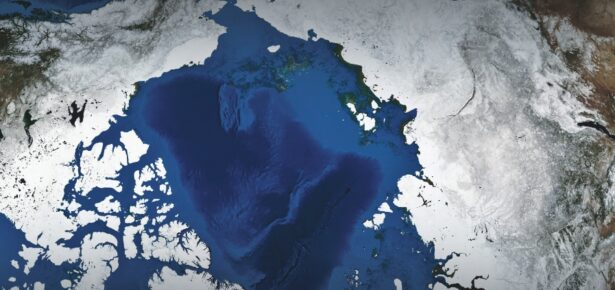
The Arctic spans all time zones, eight countries, and three continents. Its territory is six times the size of the European Union. The Arctic Ocean alone is six times larger than the Mediterranean. Thanks to the Gulf Stream, the coasts of northern Norway and north-west Russia stay ice-free in midwinter, while the waters off northern Alaska and Canada do not. Tromsø, a university town, and Murmansk, a naval and industrial city, sit a thousand kilometres apart — and might as well be on different planets politically.
Yet we routinely speak of “the Arctic” as a single security region: one arena, one set of interlocking threats, one looming conflict. Headlines promise a Great Game, a Great Race, a battle for the North. The label gets applied; the analysis rarely follows.
When you look at what states actually do — where they build bases, run exercises, scramble jets, and worry about their neighbours — the pan-Arctic picture dissolves. Security practices cluster. They cluster in two places above all: the Barents Sea, where Norway and Russia are permanent neighbours, and the Bering Strait area, where Russia, the United States, and increasingly China interact. I call these subregional security complexes. What happens in one barely registers in the other.
This is why the Greenland fixation is so revealing. If the concern is really China, Alaska is the place to look. If it is Russia, then Alaska again — or the European Arctic. The attention was overdue. It landed in the wrong part of the map.
The useful illusion
Concluding that the Arctic is not a coherent security region does not mean the idea is worthless. Quite the opposite. Precisely because states’ hard security interests do not overlap across the whole Arctic, the region can function as something else: a space for low-level dialogue, scientific cooperation, coast guard contact, and incident management. Weekly hotline checks between Norwegian and Russian military headquarters continue even now.
The “Arctic region” works better as an aspiration than as a description. But you only see that once you stop treating it as a fact.
So — a question I would genuinely like readers to argue with me about. Based on the framework I develop in this book: If subregions are where security actually happens, which other “regions” on our mental maps are doing more harm than good? The Indo-Pacific? The Middle East? Europe itself?
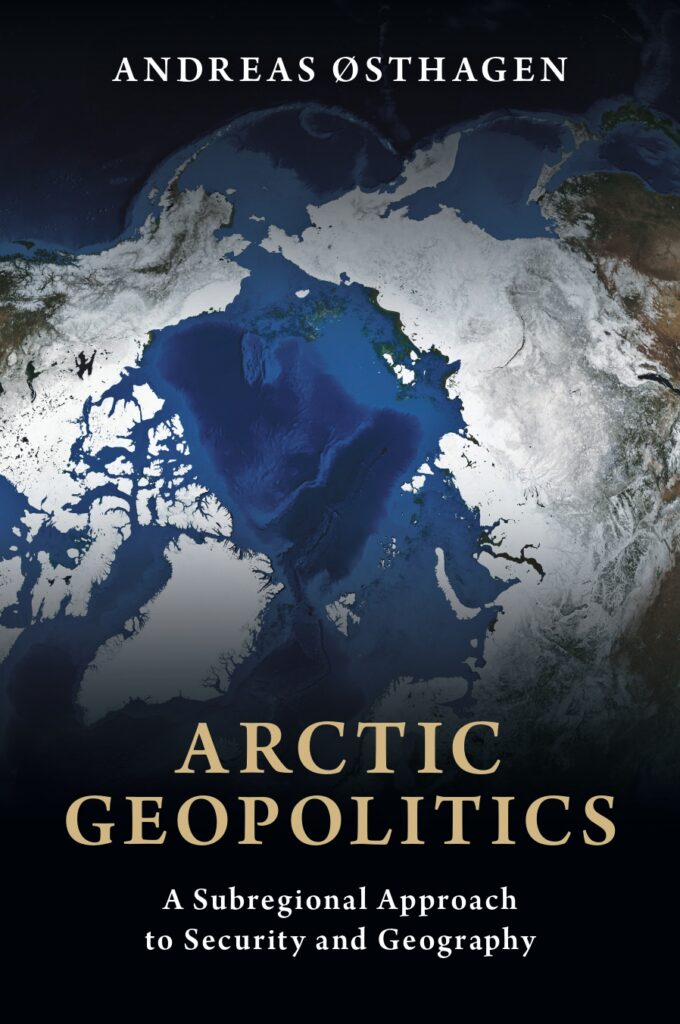
Arctic Geopolitics is available Open Access on Cambridge Core.
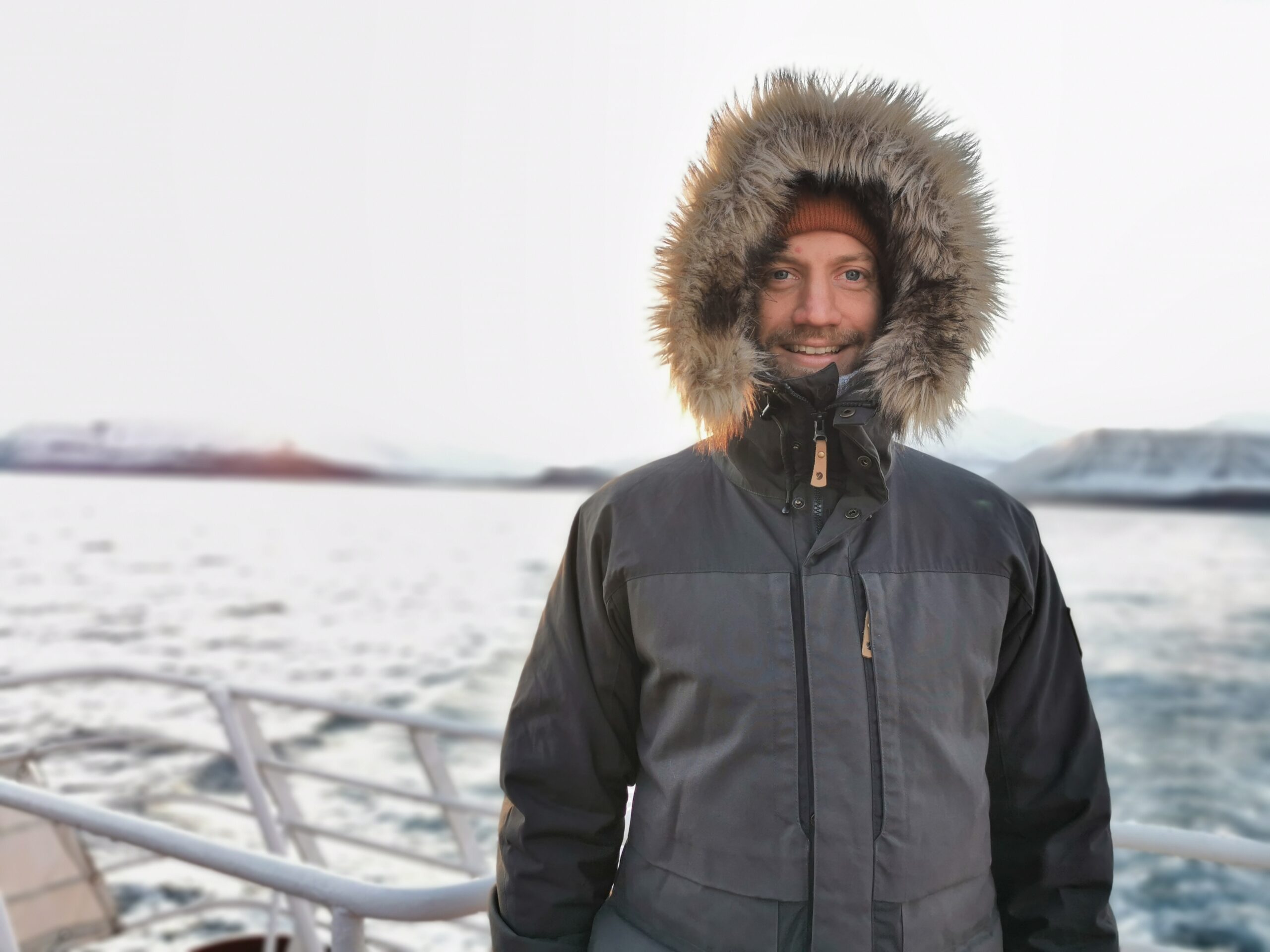
Andreas Østhagen is the Research Director for Arctic and Ocean Politics at the Fridtjof Nansen Institute, Norway's leading foreign affairs institute concerned with Arctic issues. ...
View profile >Keep up with the latest from Cambridge University Press on our social media accounts.



Latest Comments
Have your say!