

Products and services


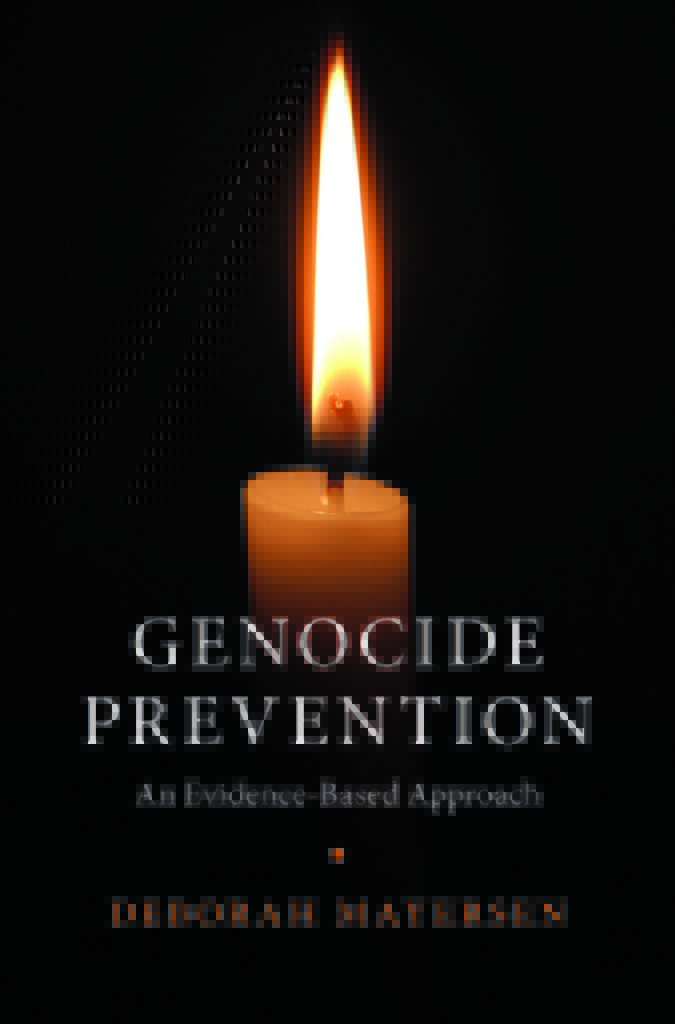
How do we prevent genocide? The modern world has been plagued with this ‘crimes of crimes’, that has claimed many millions of lives over the past century or more. In 1948, in the aftermath of the Holocaust, the international community committed to preventing genocide through the United Nations Convention on the Prevention and Punishment of the Crime of Genocide. Yet for many decades, this commitment was little more than empty rhetoric.
Following the genocides in Rwanda and Srebrenica in the 1990s, both of which occurred in the presence of UN peacekeeping operations, a new commitment to prevention arose. Since then, dedicated capacity for prevention has developed within the United Nations, regional organisations, government institutions and non-governmental organisations. This has been supported by a growing field of research. Yet so far, these efforts have been insufficient to eradicate genocide.
My research takes a new approach to this critical question. It begins from the premise that preventing genocide is eminently possible. We know this because it has already happened – multiple times. There are many societies in which genocide has not occurred, despite demonstrable risk. Some societies have exhibited a multitude of risk factors, yet have avoided disaster even in circumstances of severe and imminent risk. These examples of resilience can provide excellent insights into effective approaches to genocide prevention.
Take, for example, the case of Bulgaria during the Holocaust. Bulgaria was a Nazi ally, with a substantial minority of around 48,000 Bulgarian Jewish citizens. Like Jews elsewhere in Europe during this period, Bulgarian Jews experienced increasing discrimination and persecution. Jews in Bulgarian-occupied lands such as Thrace and Macedonia were denied citizenship and deported to the death camps. The Nazis were determined to exterminate Bulgarian Jews as well – so determined that a secret agreement was signed and the cattle cars for the deportations began to arrive in the country. Yet, through a combination of extraordinary factors – including fierce opposition to the deportations from political and religious leaders – the genocide never proceeded.
More recently, we can also consider the case of the Yazidis trapped on Mt Sinjar, Iraq. When Islamic State, or ISIS, seized control of the Sinjar region in August 2014, tens of thousands of Yazidis fled to Mt Sinjar. Under Islamic State’s extremist ideology, they knew that they were targeted for genocide and that this was their best hope of survival. Very quickly, however, the Yazidis found themselves trapped and in dire peril. Mt Sinjar was a barren, rocky mountain with little shelter from the searing desert heat, and many began to suffer from dehydration and exposure. In desperation, they appealed to the international community for assistance. Within days, incredibly, rescue came from not one but two sources. US military forces held ISIS at bay, while Kurdish militia opened a precarious escape route.
Examining extraordinary cases like these provides vital insights into genocide prevention. Through doing so, we can identify key factors that promote resilience and protect vulnerable groups. These cases demonstrate that there are many things that can be done to reduce the risk and likelihood of genocide in at-risk societies. The easiest and most effective measures typically require deployment well ahead of a crisis. But even in circumstances of extreme risk, effective prevention is possible.
When we bring together a collection of such cases, even more powerful findings emerge. A number of factors can be identified that have contributed to genocide prevention across multiple cases. We know these factors have the strongest potential to contribute to genocide prevention – because they already have, multiple times. This allows for an evidence-based approach to genocide prevention.
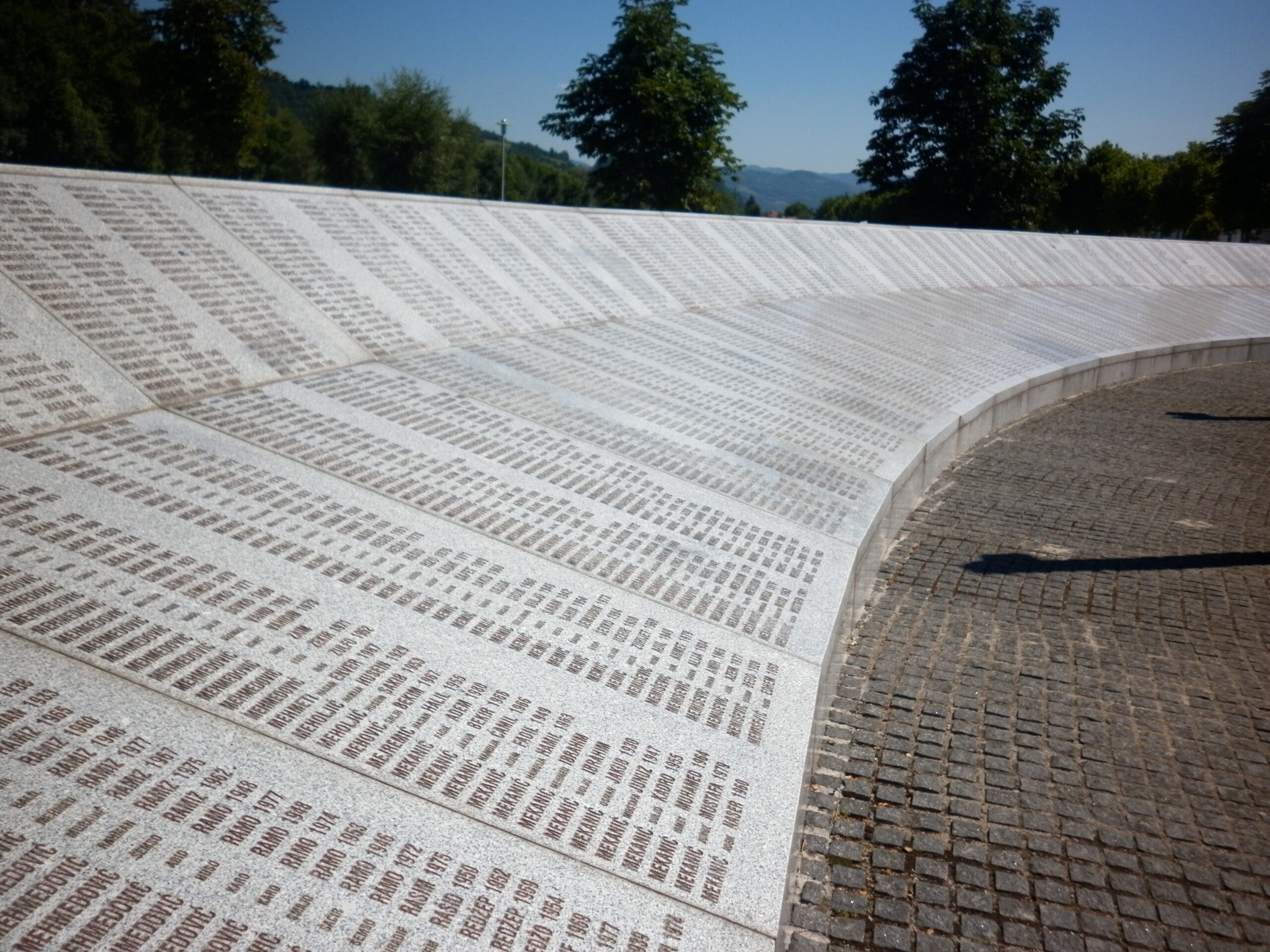
Image: Srebrenica Genocide Memorial.
See link here: https://commons.wikimedia.org/wiki/File:Memorijalni_centar_Srebrenica-Poto%C4%8Dari2.JPG
Author is: Andrija1234567
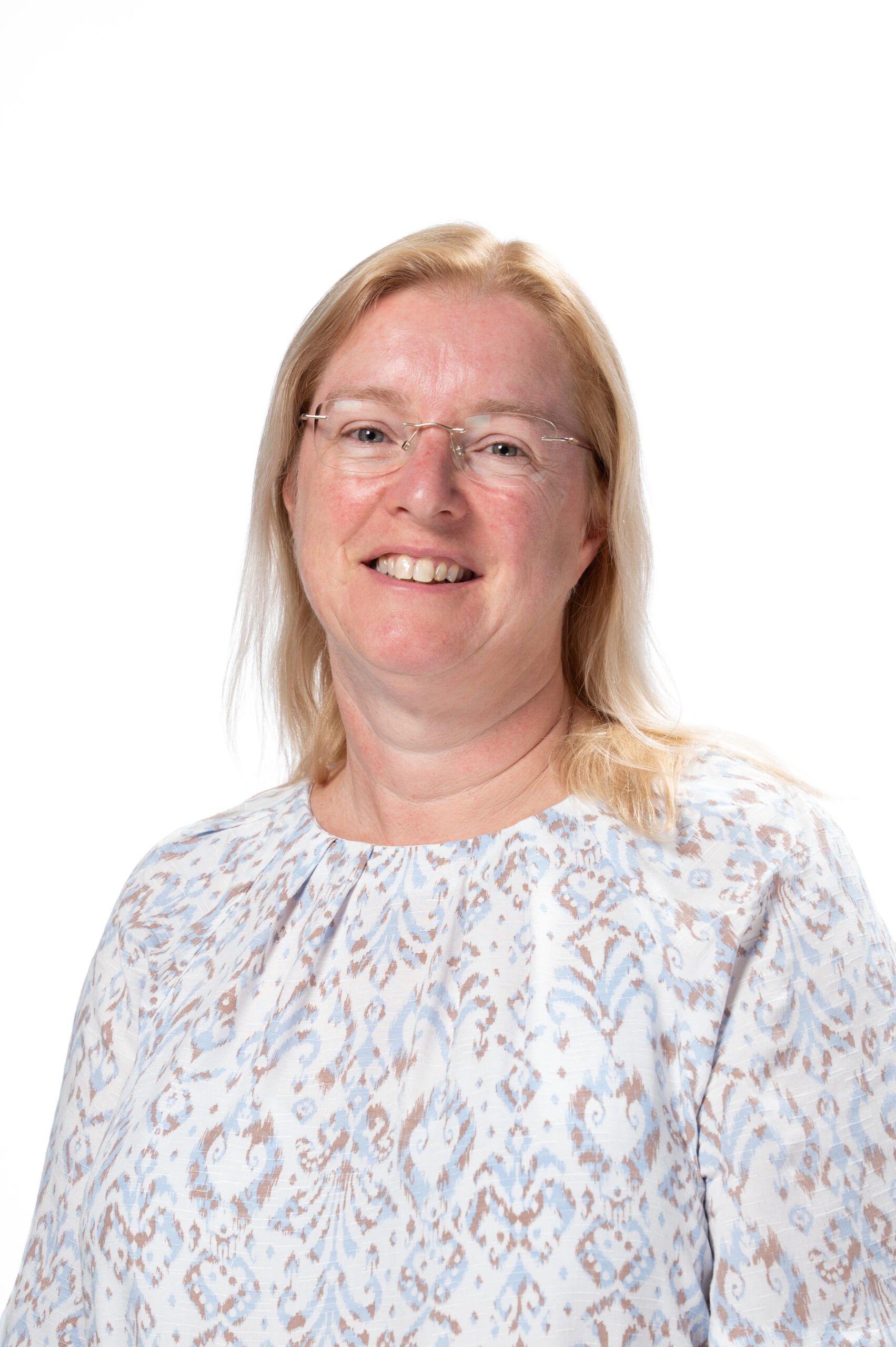
Deborah Mayersen is a Senior Lecturer in International and Political Studies at the University of New South Wales Canberra, at the Australian Defence Force Academy. Her research fo...
View profile >Keep up with the latest from Cambridge University Press on our social media accounts.




Latest Comments
Have your say!