

Products and services


We live in a world of abundance, but it often feels like we simply do not have enough. We have our first trillionaire in Elon Musk, yet throughout much of the world people are protesting the cost-of-living crisis. Extreme wealth is concentrating in the hands of the few, leading to an elite of super-rich individuals who disproportionately impact politics, culture, and society, while many millions of people live and die in abject poverty. Even many people who aren’t in such precarious situations often feel unfairly treated, like the system is rigged against them, and that no matter what they do, they cannot get ahead. The world has reached a tipping point. Inequalities have become ingrained realities and people have responded by taking to the ballot box and to the streets.
How is it that we can live in the most prosperous period in human history and yet feel increasingly deprived, aggrieved, and unfairly treated? The short answer in the book is that how we feel depends less on how much we have than on whether we think it is fair, and on who we compare ourselves with.
In my new book, Inequality – The View from Manywheres, I show how we got here, what the problems really are from a psychological perspective, and where we might be going in the future. The view from manywheres means that I stay on the move between different perspectives from across the social sciences and humanities, ethnographic research, and global datasets to explore the psychology of living in an age of prosperity that is unequally and unfairly shared. The big global ideas in the book are made more concrete by being grounded in my own experiences, from growing up in 1980s Ireland, to travelling the world amidst the backdrop of the 2008 global financial crisis, to the strongman authoritarianism, political polarization, and climate change that define our present day.
In part one, I tell two stories of economic development to understand our current global problems. One focuses on the joys of capitalism. Economic development has raised global prosperity, and with it knowledge, health, life expectancy, education, and leisure, in a relatively short period of history. The other focuses on the sorrows of capitalism. Economic development is destroying our shared climate and has brought economic inequalities that are detrimental to individual and collective lives.
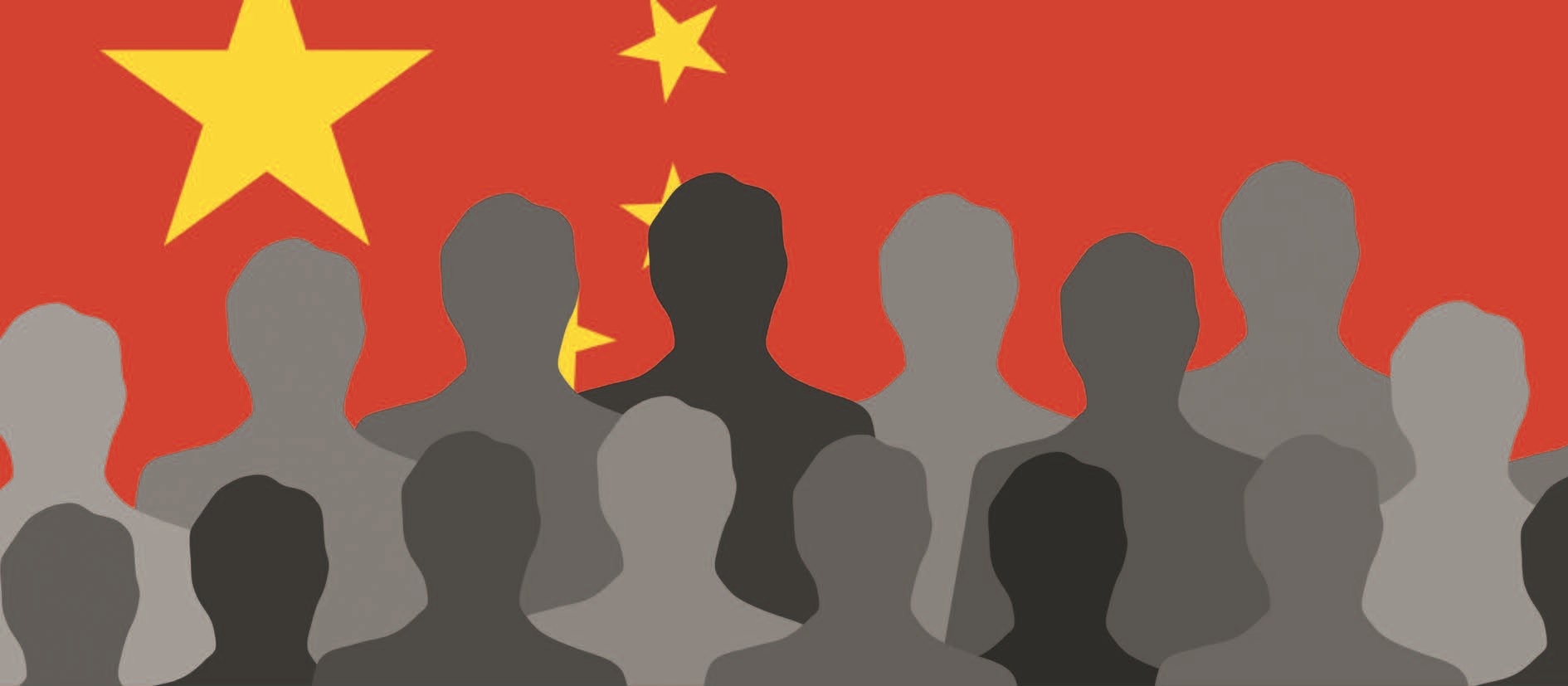
Part two shows why those feelings matter. When people feel unfairly treated and left behind, civic discontent grows, societies fragment, and many turn to leaders who promise a quick solution to systemic problems, including in the United States. Others take to the streets in rallies, riots, and revolutions aimed at creating societies they see as fairer and more equal.
We live in a shattered and polarized world, but I argue in the final part that there is a way forward that is both hopeful and realistic. In this third part, I present three possibilities as we look ahead. The first is a maintenance of the status quo. As Thomas Piketty powerfully documented, the rich continue to get richer, leaving the rest of us behind. The super-rich continue exerting a selfish influence on politics, inequalities tear societies further apart, and authoritarians continue to rise, increasing the risk of further global conflict. Change is needed in this scenario. In the second possibility, I assess the scopes and limits of different approaches to action, specifically focused on creating greater equality. There is promise and peril in each, and each must be assessed within its cultural context. What works in Copenhagen might not work in Chicago or Calcutta.
The third possibility, the one I argue for, is a more humane and ethical capitalism for the future of our broken hyper-capitalistic world. Following Martha Nussbaum, I argue for a refocusing on the pursuit and achievement of human capabilities, which asks who people can be and what they can do in the societies in which they live. This means a renewed focus on alleviating global poverty, because in a world of abundance, keeping people in poverty is a choice. Inspired by Jonathan Haidt and other moral psychologists, it also means creating redistributive means, and opportunities for people to pursue their capabilities in ways that feel psychologically fair. That sense of fairness is essential to soothe the global unease we experience in daily life. In Inequality – The View from Manywheres, I ultimately offer a third story of economic development, one in which a more humane, ethical, and gentle capitalism is possible. If you have ever wondered why so many of us feel left behind in an age of plenty, I hope the book offers some answers, and some hope.
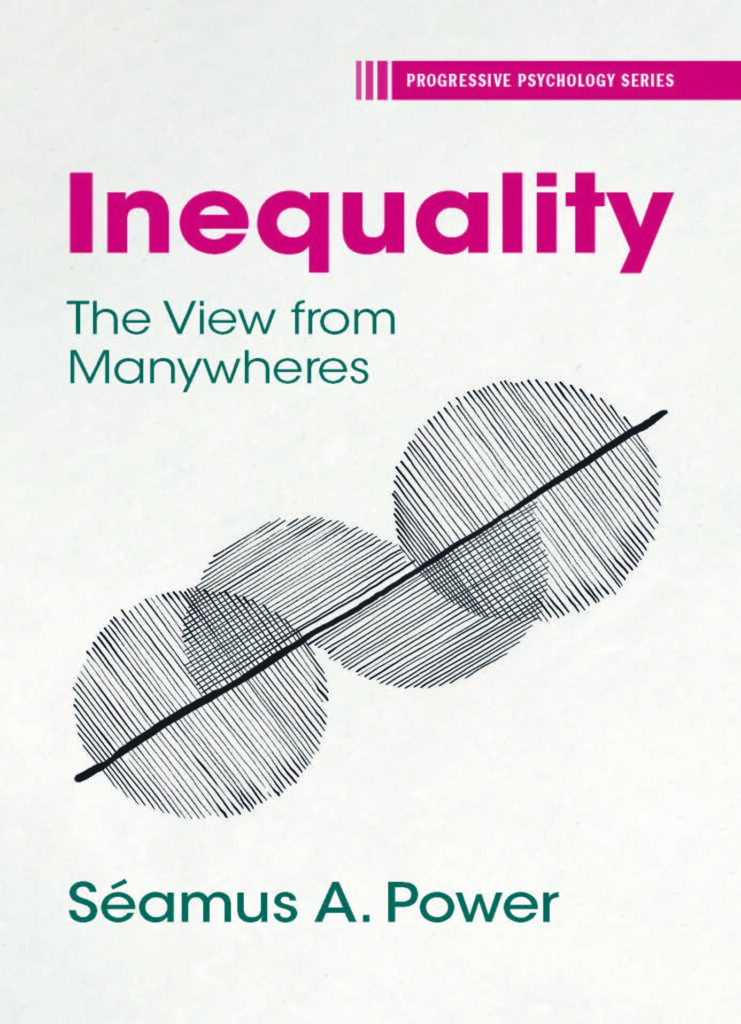
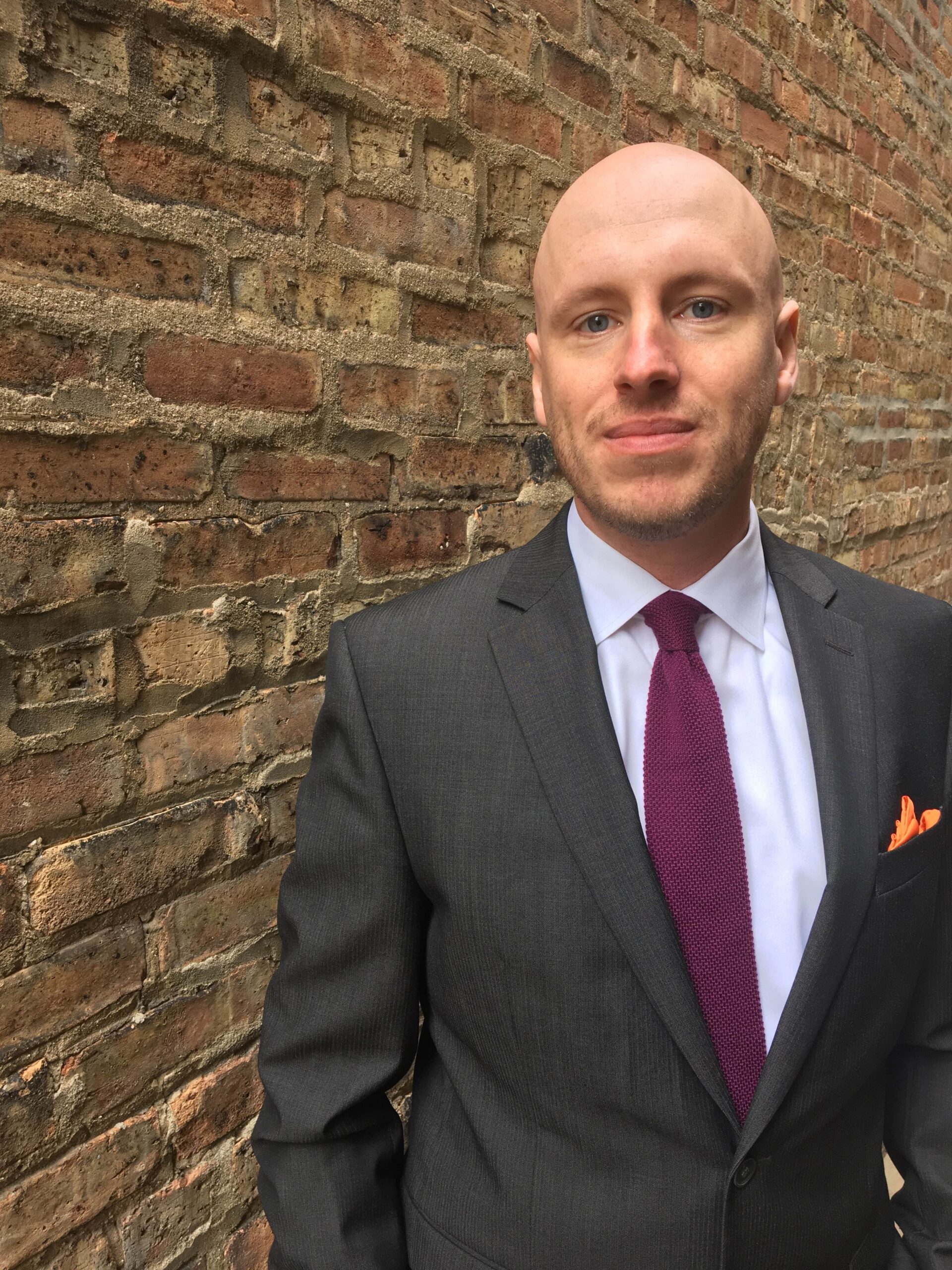
Séamus A. Power is an Associate Professor of Psychology at the University of Copenhagen and a Visiting Senior Fellow at the London School of Economics and Political Science. ...
View profile >Keep up with the latest from Cambridge University Press on our social media accounts.


Latest Comments
Have your say!