
Products and services

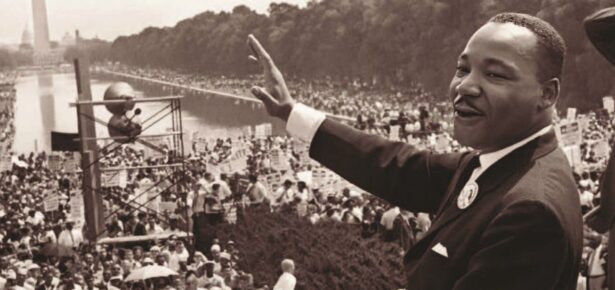
Extreme voices dominate the national public debate in America over the proper role of religion and politics. Christian nationalists call for Christianity to dominate politics and culture. At the other extreme, strict secularists seek to remove all religious influence in the public square.
Unfortunate dynamics in American media coverage make it appear that these views are wider and deeper than they really are. Most Americans are not Christian nationalists, and most are not strict secularists. About one in ten American adults uphold the nativist, state-centric, and antidemocratic views found in pockets of the American right. At the other end of the spectrum, about one in six Americans are strict secularists who seek to remove all religious imprints on public life.
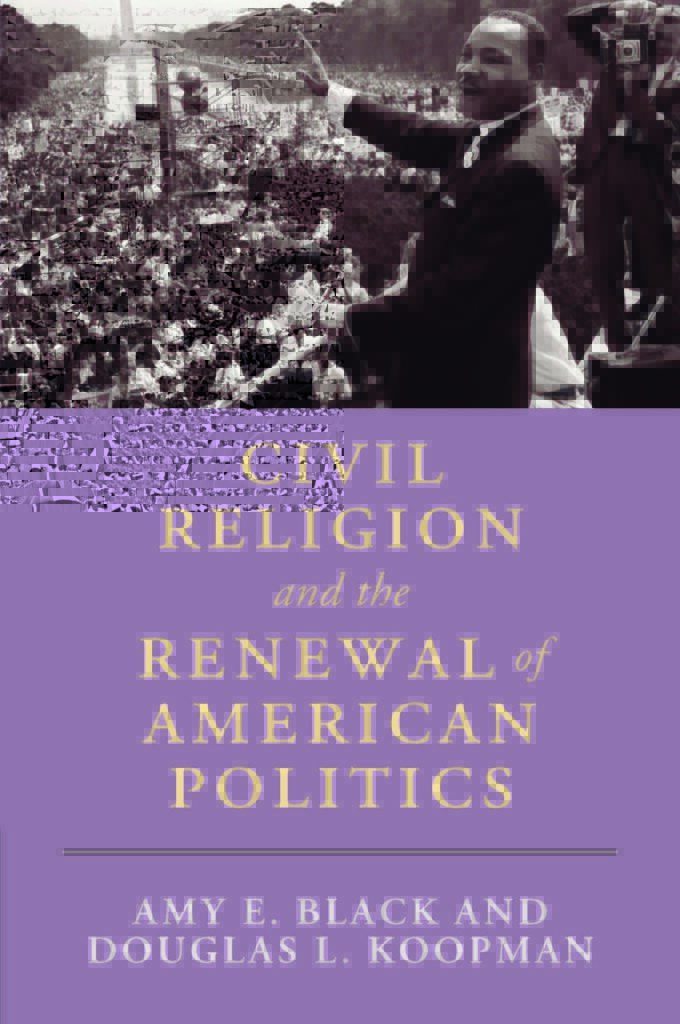
Most Americans reject both extremes, knowing that religion and politics will at times overlap and can do so constructively. As we detail in our recent book, religion and politics are deeply intertwined in American politics and have been for centuries. It is difficult but not impossible for seculars and people from myriad religious faiths to work together in a representative democracy.
In a time of growing polarization and distrust, a dynamic civil religion offers hope. American civil religion—a set of beliefs, symbols, and rituals that provide a religious structure to American public life without tie to a specific faith tradition—has served the nation well. It provides a structure that helps people of many faiths or no particular faith at all maintain broad public commitments to civic virtue and vibrant political institutions. America’s vibrant civil religion is not static; indeed, it keeps making room for its increasingly diverse people to flourish. America’s civil religion accommodates newcomers, new traditions, and new arrangements as needed even as it preserves a structure that provides overall stability and national connection.
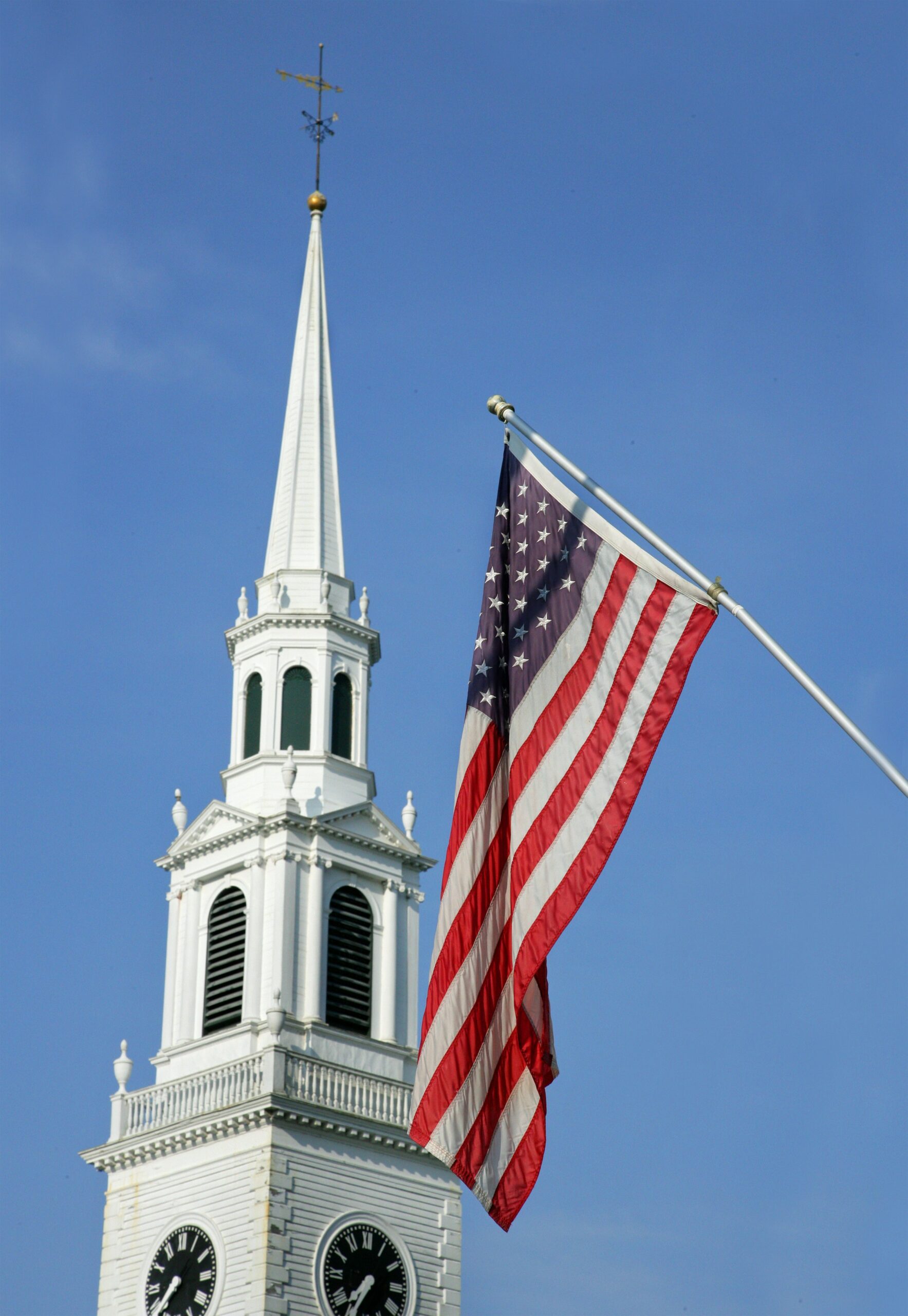
The Continued Need for a Renewing Civil Religion
Today’s divisions speak to the continuing American need for a coherent national identity that brings people together in support of something greater than themselves. A dynamic civil religion offers a constructive path forward. Neither Christian nationalism nor strict separationism makes sufficient room for all Americans to freely express their wide range of religious views, and both misinterpret constitutional freedom of religion. Seculars need to acknowledge that they hold important commitments that shape their actions, even if they would not describe them as religious, and they need to respect the right of religious people to hold their views. In much the same way, religious people should not force their beliefs on others but instead respect freedom of conscience for all, including those who do not align with religion. A public square that accommodates multiple religions and secularism allows each person to fully contribute to the political dialogue, making their best arguments and seeking to win, not coerce, support.
As the religious composition of the United States changes, its civil religion will need to adapt. Christian traditions should not have a place of privilege in American politics and culture, but they should have an equal place at the table of civil religion. In the same way, the political culture needs to accommodate secular Americans who want to join civil religion “table,” adding their perspectives to the civic conversation alongside those from other faiths and traditions.
A civil religion that adjusts and evolves to enfold new perspectives provides a stable structure for dynamic exchange of ideas. Neither Christian nationalism nor strict separationism do this. Rather, both pit distinct groups against each other and pull people apart. Civil religion, in contrast, can be a unifying force that brings people together around shared ideals, norms, and civic goals, making room for religious and nonreligious people to participate fully in public life.

Amy E. Black is Professor of Political Science at Wheaton College. A former APSA Congressional Fellow, her book projects include Five Views on Church and Politics (2015), Honoring ...
View profile >
Douglas L. Koopman is Professor Emeritus of Political Science, Calvin University....
View profile >Keep up with the latest from Cambridge University Press on our social media accounts.


Latest Comments
Have your say!