

Products and services

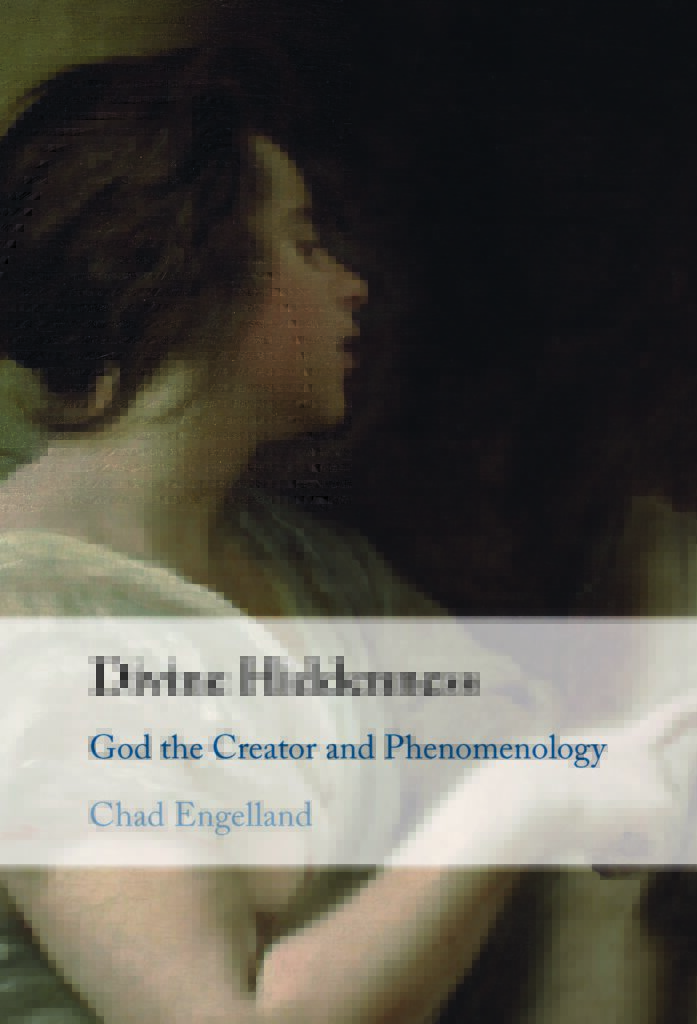
Why is it that when some people seek God they come up short? J. L. Schellenberg, following a path blazed by Friedrich Nietzsche, argues that God is hidden for the simple reason that God does not exist. For if God really were all loving and all powerful, he would take pains to be known by every earnest seeker. But there are no clear and distinct signposts.
In Divine Hiddenness: God the Creator and Phenomenology, I advance an alternative explanation of the same phenomenon: God is hidden for the elegant reason that he is the creator, the ultimate source of existence. Insofar as our experience and our thinking naturally range over the world, that which is the ultimate cause of that world must necessarily be elusive.
Using resources from phenomenology, semantic theory, and medieval thinkers (Augustine, Anselm, and Aquinas), Divine Hiddenness addresses three questions concerning how we might nonetheless direct ourselves to such a God.
First, granting that God is hidden precisely in virtue of being the creator, how can ‘God’ be pointed out? Divine Hiddenness argues that ‘God the creator’ is not a description or a definition but a deferred ostension, which singles out a cause in virtue of some present effect. For instance, we might refer to Chad Engelland as ‘that which was the determining and non-instrumental cause of this blog post you are reading.’ In the present case, we refer to the creator in virtue of the creature: That which causes the world to be is ‘God’.” Because any of us can renew this reference at any time, there is no problem of semantic drift.
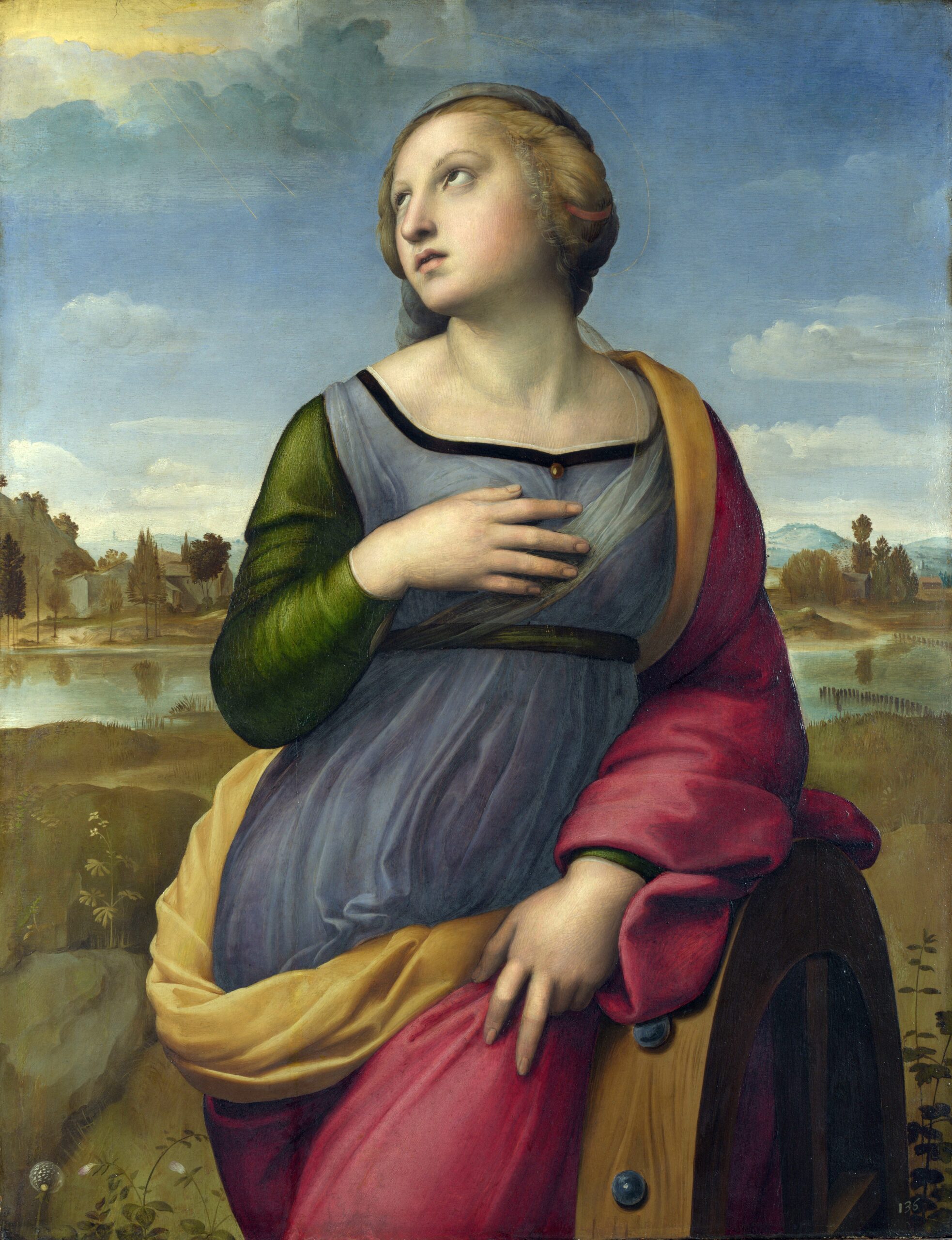
Second, granting that ‘God the creator’ can be so pointed out, how can the reference be understood? Divine Hiddenness argues that making sense of God the creator is a special case of the problem of other minds, somewhat akin to making sense of the absent author of a present work, for example poring over the lines of Julius Caesar to divine the mind of Shakespeare — as indeed Nietzsche himself did. To think of God the creator is to involve oneself in an interpretation of the hidden axis around which the whole turns, of that which makes the universe be a universe and makes me to be me: “That absent other, which causes the world and me to be, is ‘God’.
Third, granting that ‘God the creator’ can be understood, how can the reference be confirmed? Divine Hiddenness argues that the unexpected fulfillment of our desire in praising the hidden source corroborates the deferred ostension of God as creator. To this end, the book contrasts two ways of being: the natural phenomenology of a Socrates, which is motivated by the wonder of dwelling within the temporal whole, and the transfigured phenomenology of a St. Francis, motivated instead by gratitude to God as the ultimate cause for the existence of this temporal whole. The inimitable joy of the Franciscan troubadour, which Nietzsche tried to find apart from God the creator, constitutes a second factor authenticating the deferred ostension of God the creator: “That desired and blessed other, which thankfully causes the world and me to be, is ‘God’.”
Before asking whether God exists, it is imperative to ask, “Which ‘God’ does one have in mind?” If the God in question is ‘God the creator,’ we should expect not only (a) that God is eclipsed in our experience by creation itself, but also (b) that creation points God out, while preserving that hiddenness, for those practiced in the arts of intersubjective interpretation and of unmitigated praise.
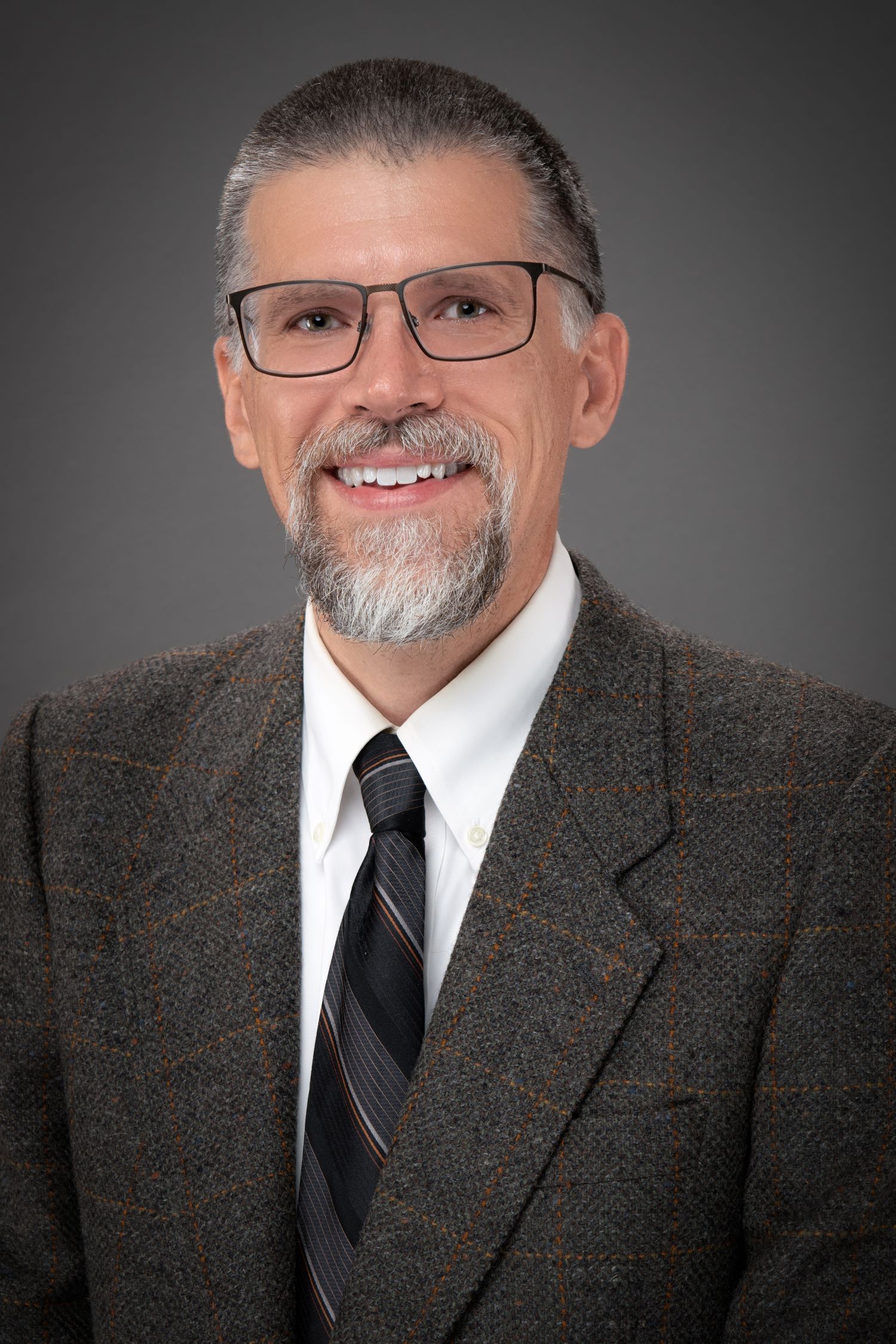
Chad Engelland is Professor of Philosophy at the University of Dallas and author of many books, including Ostension (MIT, 2014), Heidegger's Shadow(Routledge, 2017), Phenomenology ...
View profile >Keep up with the latest from Cambridge University Press on our social media accounts.


Latest Comments
Have your say!