

Products and services

I’ve written about Wollstonecraft a lot, in the last fifteen years: books, articles, edited volumes. I started writing about her the minute I found out about her. And I found out about her because a male colleague suggested we add her Vindication of the Rights of Woman to our intro to social and political philosophy course. I read the book and it was everything I’d been waiting for without knowing I was waiting for it. Exciting philosophy from a woman writing at a period I’d always found fascinating. Before Wollstonecraft, I’d been persuaded that women didn’t start doing philosophy until Simone de Beauvoir. That was fifteen years ago. Now someone with a PhD in philosophy would be hard pressed not to name at least five women philosophers writing before the 20th century. What a change. What a revolution, Wollstonecraft might say. And she would care, because educating women was a great part of her program, and how better to educate women than to give them role models? To show them that one can be like them and a philosopher? That one can philosophize without a beard (and a penis)?
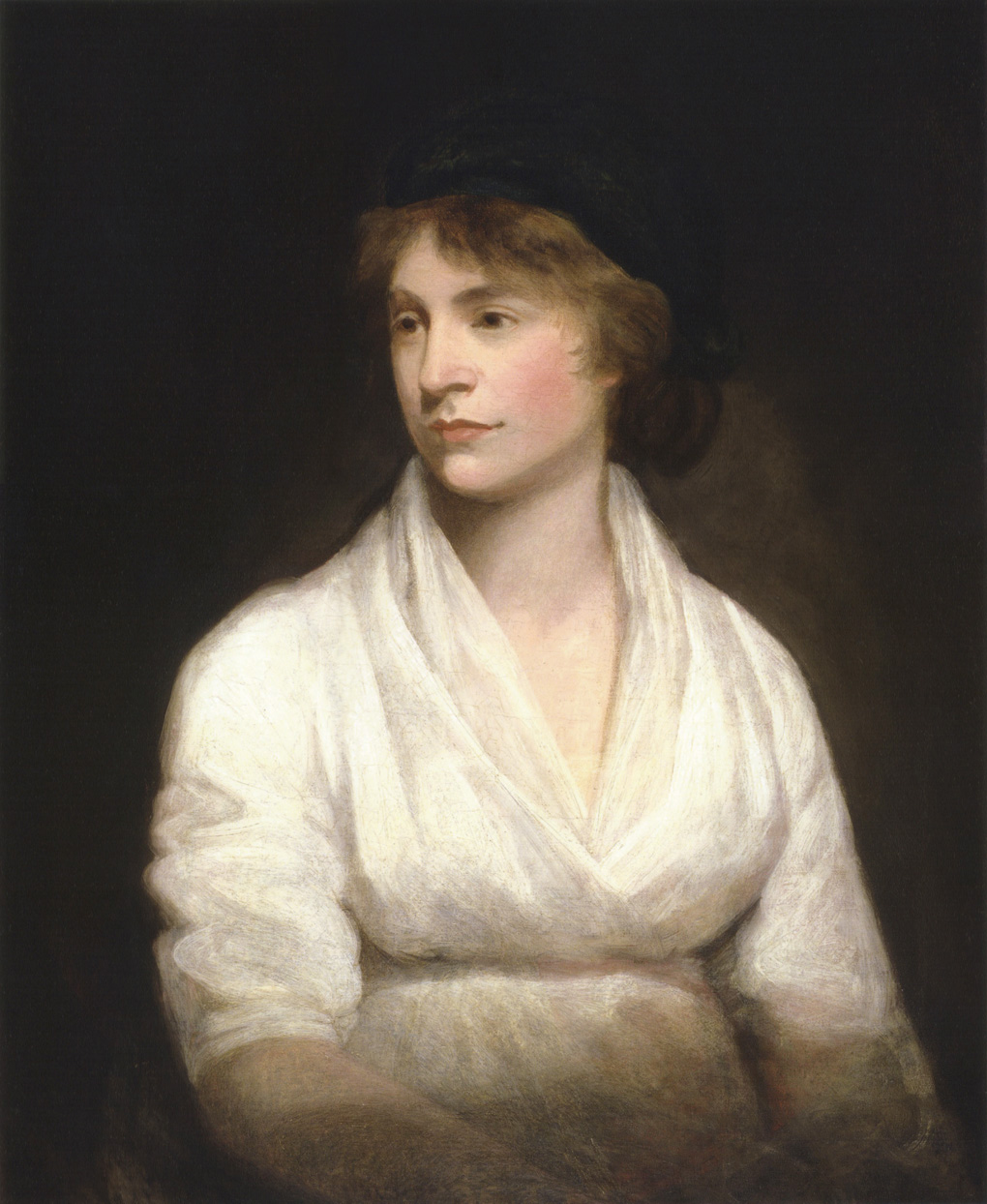
But Wollstonecraft wouldn’t want us to stop there. Philosophy, for her, wasn’t just the ability to engage with abstract and complex thought. It also had to be useful. Useful for women: Wollstonecraft thought it was about time women acquired a ‘civil existence’ of their own, and stopped having to depend, economically, legally, and in every other respect, on their husbands. Only then would they have a chance at developing their full human potential, their reason, but also their virtue, and their happiness. A dependent individual cannot do this: they have to look to their master always for approval, or signs of possible interference. What is the point of trying to better oneself if one can be ordered to stop at a moment’s notice?
Wollstonecraft’s care did not stop with white middle class women, as is often assumed: she wanted independence for African slaves, and for the poor. She supported movements that fought for independence. She moved to Paris to write on the progress of the French revolution which she supported until it started to transform into a reverse tyranny, with newly appointed officials getting drunk on power. But political movements didn’t have to be quite as radical. She thought reforming education could help with many issues, for instance public health. Syphilis ruined entire families, and it was the result of bad sexual habits acquired in schools. If a man, she argued, was educated to be a better husband and father, if he stayed home, instead of visiting prostitutes, not only would his wife and children have a better chance at happiness, but they would also not contract syphilis! And mostly, Wollstonecraft wanted a ‘revolution in manners’ one which would stop men and women acting as if women were fragile flowers, worthy of protection, but not respect.
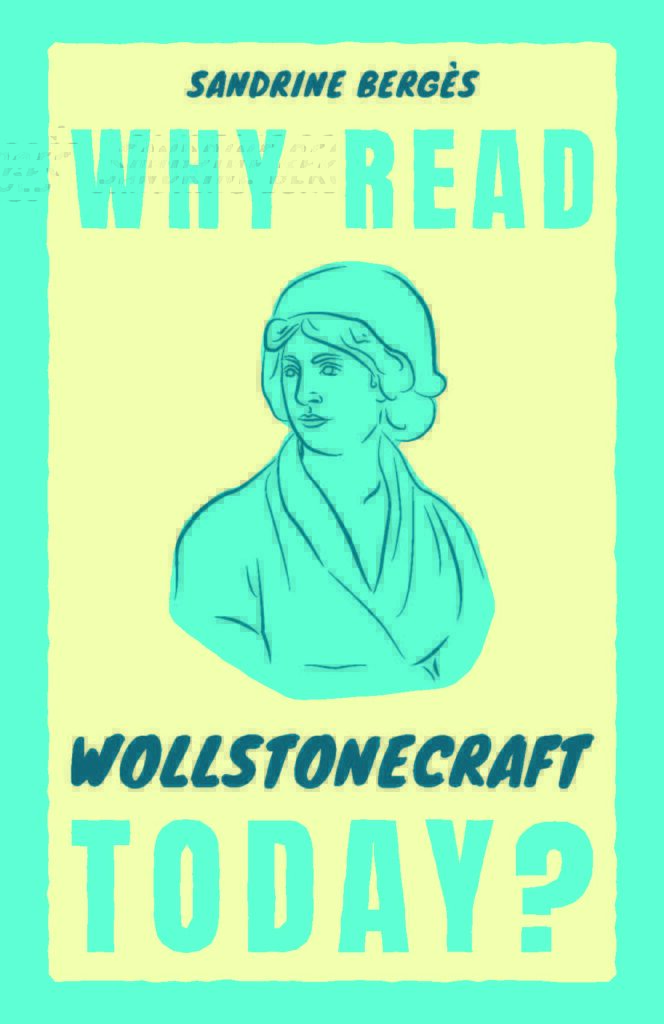
While writing the book, I kept shifting from its title – Why Read Wollstonecraft Today, a title dictated by the series the book is part of – to my own version ‘What Would Wollstonecraft Do?’. And I think that’s really the answer to the question the book title asks. We should read Wollstonecraft because she is still a role model. Because if she were here today, she would still find things to rage about – philosophically – and freedoms to fight for. She would not be satisfied that we have achieved independence for all. She would witness the limitations of what we have done. She would see that the abolition of slavery had left behind the Jim Crow laws, and the prison system, apartheid, and systemic racism. She would see that while women have the vote, many (most?) still need to pick up the kids from school after work, cook family dinner and clean the toilet before then can even get to the voting booth. She will see that women’s bodies are not their own, in word or fact, and that society polices whether they are even allowed to call themselves women. She will see that democracy has not brought about any kind of social equality, and that people still die in the streets, as they did in her times.
What would Wollstonecraft do today? She would pick up her pen and have another go at fighting oppression.
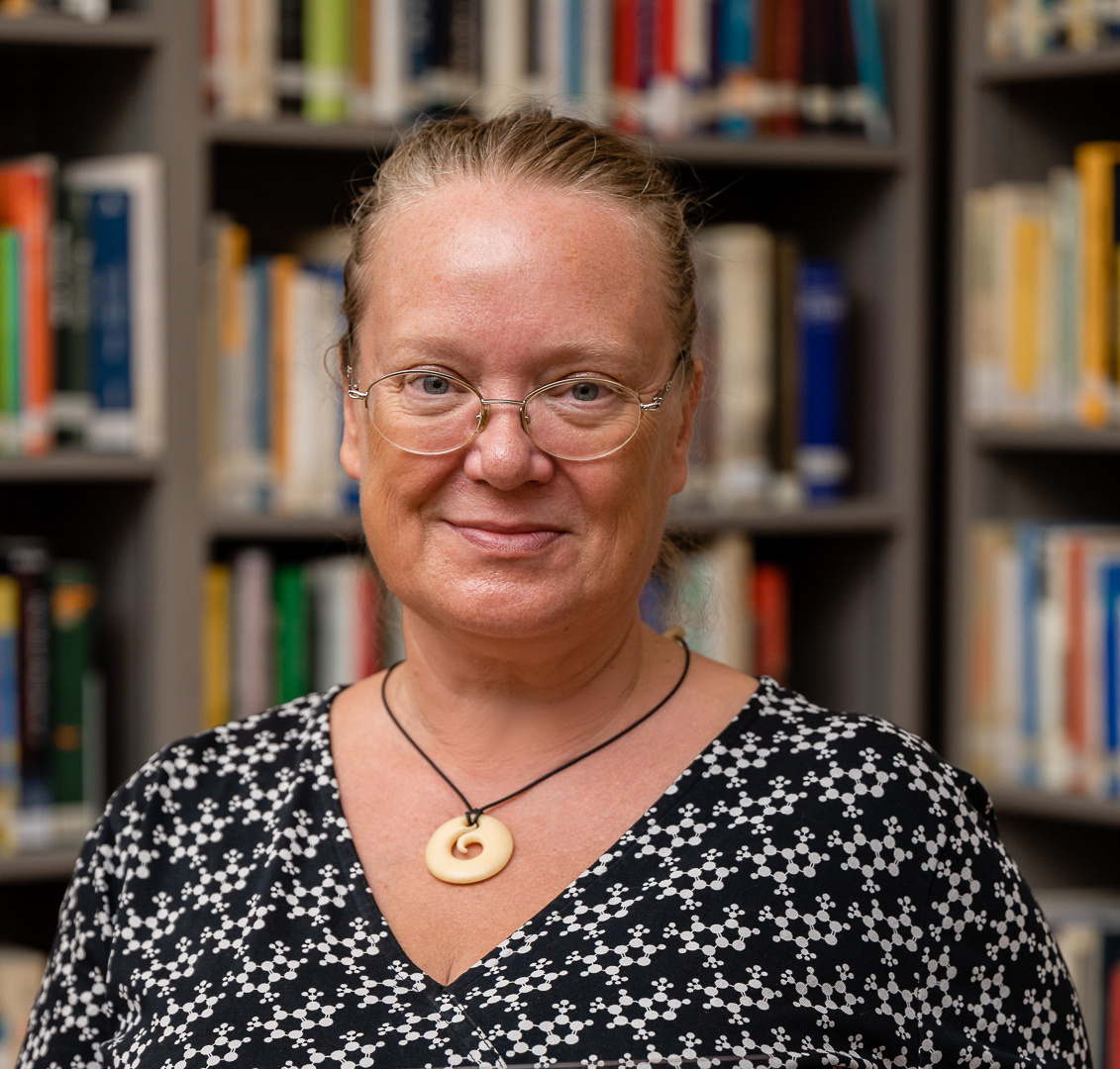
Sandrine Bergès is British Academy Global Professor in the Department of Philosophy, University of York and Professor Department of Philosophy, Bilkent University. She has written...
View profile >Keep up with the latest from Cambridge University Press on our social media accounts.



Latest Comments
Have your say!