

Products and services


In the past several years we have witnessed a rapid and unsettling shift from the “post-racial” aspirations of the Obama era and the global outcry of the Black Lives Matter movement after the murder of George Floyd to our present reality, in which far-right nationalist politics are surging in many parts of the globe. The cultural momentum that briefly led corporations and institutions to take anti-racism seriously has been met by a disturbingly forceful countercurrent, as identitarian and white supremacist ideologies have become increasingly visible and influential.
Both ends of this cultural and political spectrum have turned to the Christian tradition, including the apostle Paul, in order to authorize their worldviews. Galatians 3:28 (“There is neither Jew nor Gentile…”) is invoked in support of racial equality, while another Pauline text, Titus 1:12, which describes Cretans as “always liars, evil brutes, lazy gluttons,” is pressed into service for opposite ends by white supremacists. This example effectively illustrates the ambiguous legacy of Paul, a figure who has been historically marshaled both to liberate the oppressed and to justify slavery, antisemitism and the subjugation of women.
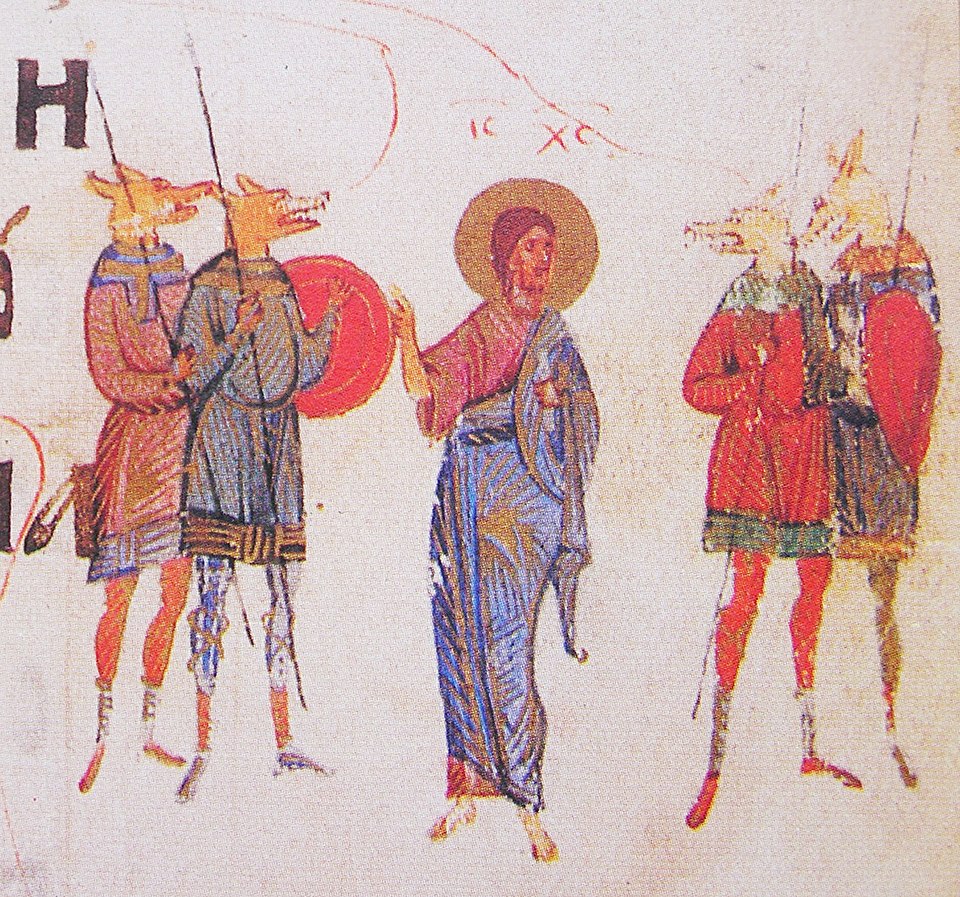
I am convinced that the Christian message, centered on a God of love and on love of neighbor in imitation of the self-sacrifice of Jesus, stands firmly on the side of those who seek to treat foreigners and minorities with love and respect. Yet it cannot be denied that there are passages in the New Testament that lend themselves all too readily to exclusionary interpretations.
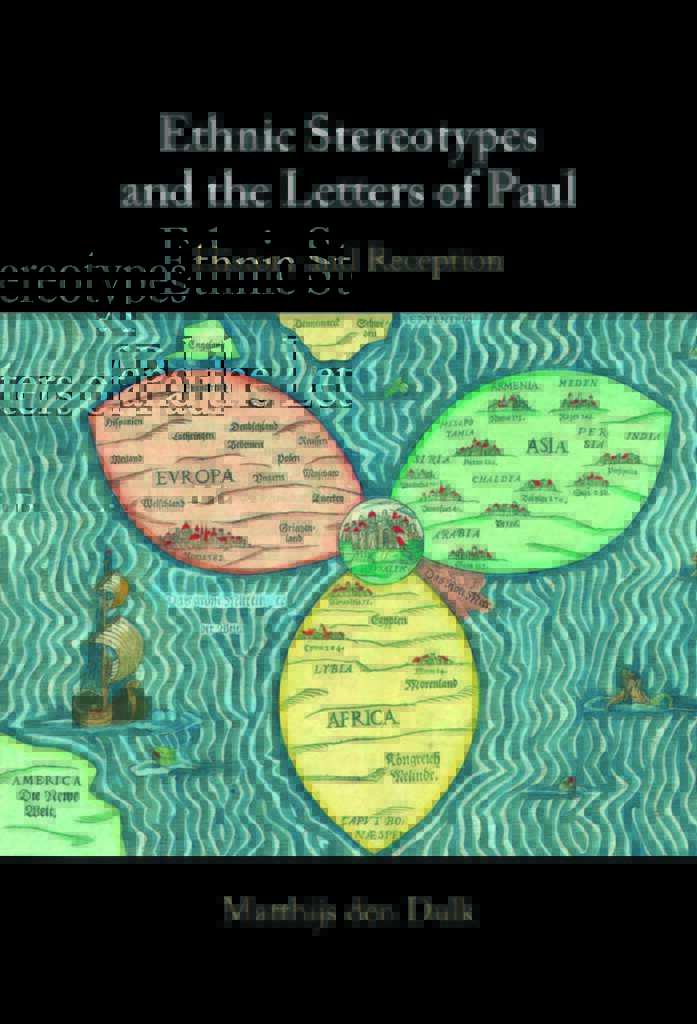
In my recent book Ethnic Stereotypes and the Letters of Paul: History and Reception, I engage some of these passages and their painful history of interpretation. My analysis is informed by research on social cognition, which shows that ethnic stereotypes—understood broadly as culturally shared knowledge, beliefs, and expectations about an ethnic group—routinely shape human interaction. This influence is by no means exclusive to bigots and racists; it is a common human trait. There is good reason, then, to suspect that stereotypes influenced Paul and other early Christ-followers as they moved through the ancient Mediterranean and encountered people from different ethnic backgrounds. That suspicion is strengthened by the fact that generalizing and essentializing claims about ethnic groups were widespread and virtually uncontested in antiquity.
In the book, I argue that traces of ethnic stereotypes can be detected in the Pauline letters, and that in some cases Paul made active use of stereotypes in support of his theological and rhetorical purposes. My study shows how attending to ancient stereotypes can shed significant new light on the content and composition of these foundational texts. For instance, based on the very similar depictions of the Galatians in Paul’s letter and in contemporary Greek and Latin literature, I argue that Paul made use of the stereotypical notion of the Galatians as especially fickle in the famous letter addressed to them.
Studying the influence of ethnic stereotypes matters not only for exegetical reasons, but also from the perspective of the history of racism. This is an area of inquiry that classicists and medievalists have examined closely in recent years, but to which scholars of early Christianity have not yet seriously attended, despite the massive cultural influence of the writings they study. In my monograph, I discuss interpretations showing that Paul’s letters were used in various ways to support racist and related ideas. Recognizing the harmful potential of some sections of Paul’s epistles is vital, especially today. We should not ignore the moral problems these texts pose, as regularly happens in New Testament scholarship. Instead, I argue that we should confront them and help audiences navigate the New Testament in ways that avoid repeating history, drawing on the resources developed by postcolonial, Jewish, and feminist scholars to tackle problematic New Testament texts such as those that condone slavery, promote the subjugation of women, or use anti-Jewish language.
Ethnic Stereotypes and the Letters of Paul is available as Open Access on Cambridge Core.

Matthijs den Dulk is Associate Professor at Radboud University, a Research Fellow of the University of the Free State, and Academic Director of the Netherlands School for Advanced ...
View profile >Keep up with the latest from Cambridge University Press on our social media accounts.



Latest Comments
Have your say!