
Products and services

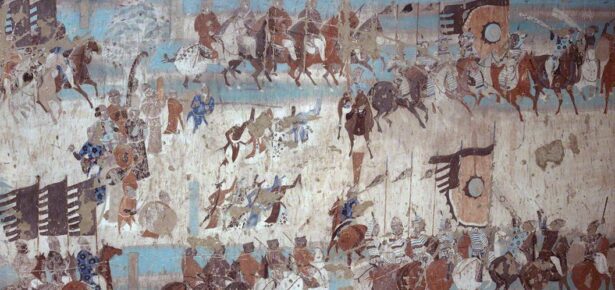
At the height of its expansion, the Tang (618-907) stretched from Tajikistan to Manchuria. The breakup of this empire was a cataclysmic event with wide repercussions in China and beyond. To chart the Tang’s decline and fall, my new book adopts the perspective of Gao Pian (821-87), an illustrious general, military governor of large swaths of the empire, and leading protagonist in the events of ninth-century China. In the sidelines of his career as a soldier, statesman, and builder of fortified cities, Gao was a poet and a Daoist adept of alchemy.
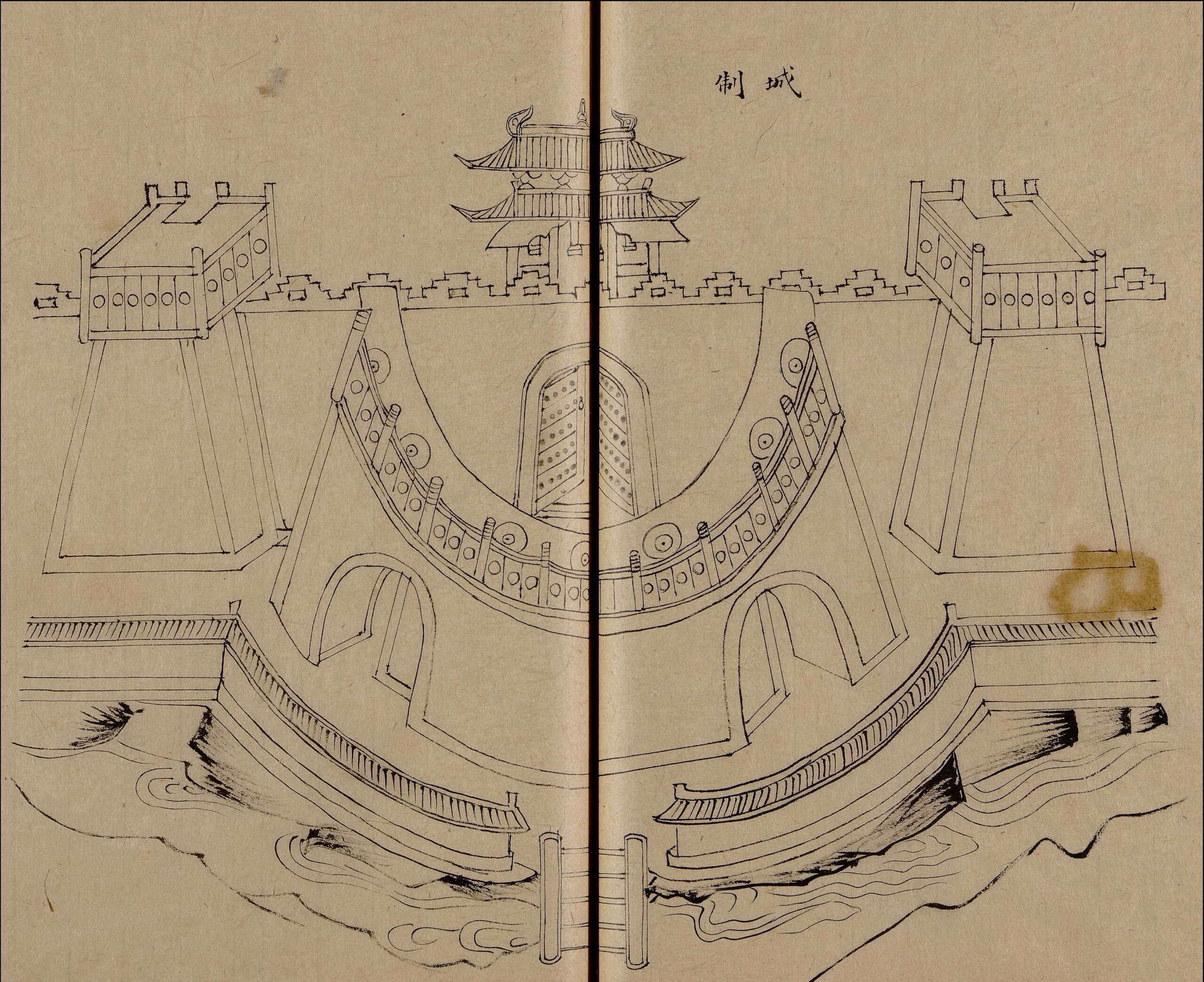
Image caption: Barbican gate
The standard history of the Tang, edited by the reigning houses of its successor dynasties, portrays Gao as a “secessionist” and “insubordinate minister” largely responsible for the fall of the empire. However, a trove of private memoirs, anecdotal collections, and poems by Gao and his retainers, along with an extensive archive of court memorials, military correspondence and executive orders curated by Gao’s Korean secretary Ch’oe Ch’iwŏn (855-949), survived the chaotic final years of the Tang to tell a very different story.
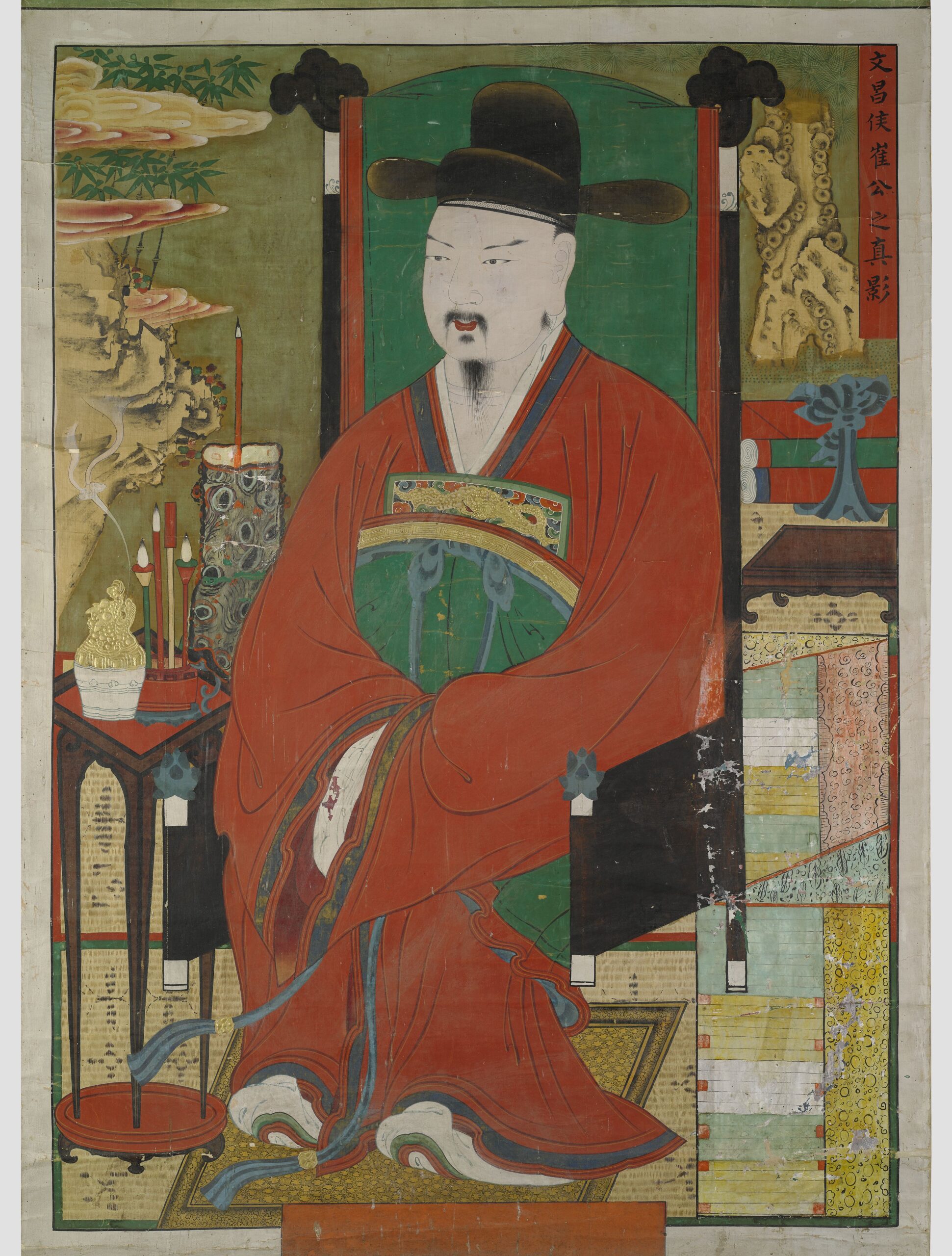
Image caption: Ch’oe Ch’iwŏn
Ch’oe had embarked on a merchant vessel bound for China as a boy of eleven. Eight years later he brilliantly passed the Chinese imperial examinations. In 880, after serving for several years in a junior provincial post, he joined the bustling military headquarters of Gao Pian, then governor of Huainan, the empire’s southeastern economic heartland, and one of the most powerful men in China.
Gao’s military career spanned the tail end of China’s century-old struggle with Tibet over Inner Asia, two wars with the southwestern kingdom of Nanzhao, and the Huang Chao rebellion. In addition, Gao had successively ruled North Vietnam as Protector General and governed Shandong, Sichuan, and several strategic middle and lower Yangzi provinces. In 880 he held the reins of the empire’s financial, economic, and military resources.
Ch’oe Ch’iwŏn returned to his native country in 885, narrowly escaping the civil war that engulfed China. In his baggage he carried copies of hundreds of key communications he had written on Gao’s behalf. Reverently preserved in Korea, they minutely document the general’s proactive government of Huainan and his close relationship with the emperor during the crucial years of the court’s exile to Chengdu in 881-85. Without the providential survival of these records, the official verdict on Gao Pian and his role in the fall of the Tang would continue to stand unchallenged.
Ch’oe Ch’iwŏn’s archive uniquely puts the spotlight on the unraveling of the state fabric from the bottom up. In addition to prolonged drought, frontier warfare, insurrection and other empire-wide disorders, provincial military resources, indispensable for the empire’s defense, became absorbed by regional conflicts; vital fiscal remittances were reallocated to fund local wartime economies; communications and transport networks were disrupted; the emperor forfeited his power of appointing provincial officials to military governors.
Gao Pian and his family fell victim to assassination, the empire collapsed, and the governing elite was unseated. Gao, however, also belonged to a rising new class of regional and military potentates that lastingly shaped the post-Tang order. Several of the provinces he had governed became thriving kingdoms. Vietnam emerged as a separate nation. Local cultures and economies flourished. Technological innovations ranging from gunpowder to book printing came into use. Unfiltered by state ideology, the ninth and tenth-century transition proved one of the most transformative ruptures in the history of China.
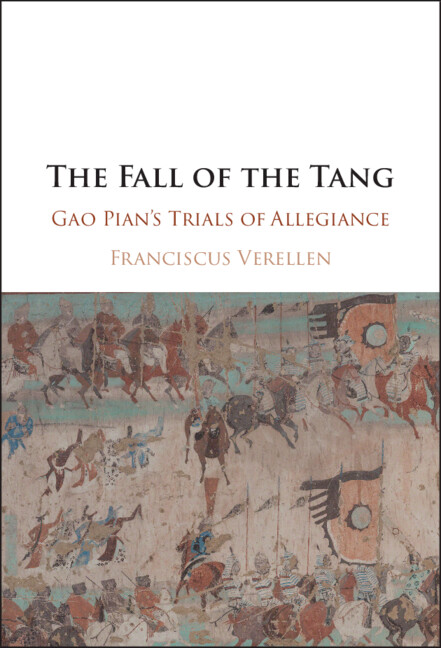
The Fall of the Tang By Franciscus Verellen

Franciscus Verellen is Emeritus Professor and former Director of the École française d'Extrême-Orient....
View profile >Keep up with the latest from Cambridge University Press on our social media accounts.


Latest Comments
Have your say!