

Products and services

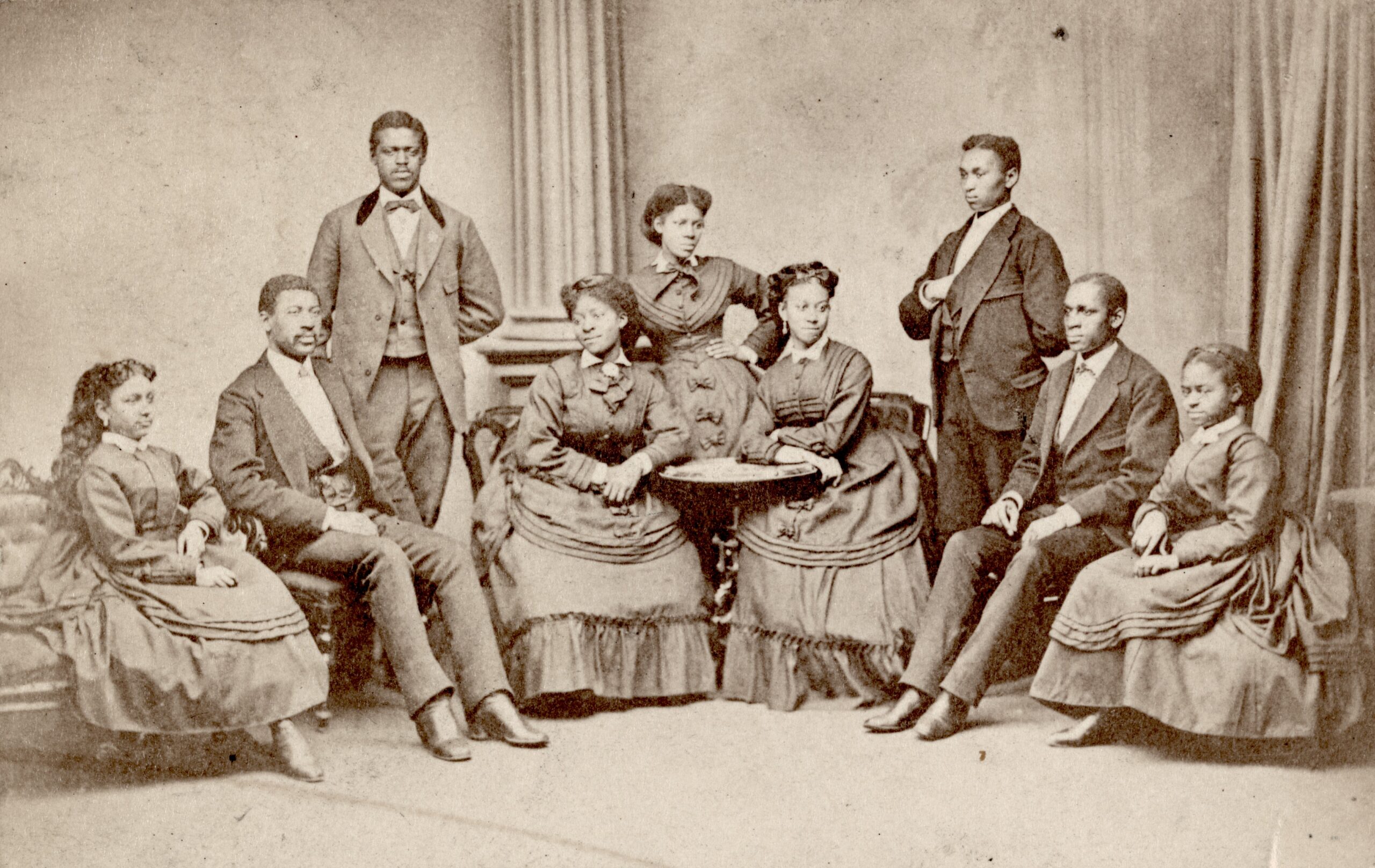
The fourth track on Bob Dylan’s Bootleg Series Volume 1 is a song called ‘No More Auction Block’. The melody is simple, rising and falling in hymn like steps over acoustic guitar. The song’s lyrics are also simple and adamantly clear—a call to end the horrifying spectacle of Black humans being sold as slaves, objects to serve the ends of capital. Each verse demands an end to the physical and psychological agonies of slavery: the auction block, the driver’s lash, the whip, the salt water in which so many were drowned. Dylan no doubt knew the version by Odetta on her 1960 Vanguard album Odetta at Carnegie Hall. In this recording, Odetta’s voice is surrounded by a chorus of soft humming creating the chilling semblance of an Antebellum soundworld.
‘No More Auction Block’ is of course an African American spiritual, one of the ‘sorrow songs’ that W. E. B. DuBois so movingly described. It was sung by the Fisk Jubilee Singers and included under the title ‘Many Thousand Gone’ in publications detailing their story. The future King Edward VII specifically requested it after looking at a song book during their first visit to London in 1873. It must have been quite a sight on stage—a living testimony.
Dylan performed the song only once, on 15 October 1962. But he has performed it in another guise over 1,500 times: it is the melody for ‘Blowin’ in the Wind’. The fact that Dylan paired ‘No More Auction Block’ with a lyrical plea for peace and social progress lends this song a spectral quality for those with ears to hear: it is haunted by the lost voices of slaves calling for an end to oppression. The message, however, is bleak: how many deaths might it take for us to take notice? Dylan’s answer is literally in the air, the contours of this borrowed melody.
This song’s journey from spiritual to stage presentation by the Fisk Jubilee Singers to 1960s revivalist anthem is typical of folk music. It epitomises the fact that, as Carl Sandburg put it, ‘thousands of men and women …made new songs, they changed old songs, they carried songs from place to place, they resurrected and kept alive dying and forgotten songs’. Focusing on Britain and the US while exploring reverberations across the globe, The Cambridge Companion to Folk Music seeks to do justice to this complexity. It is a book that traces where and when the idea of folk music arose and why it continues to inspire communities of belonging to this day.
What elements make up folk music as a recognisable idiom? Which imaginaries sustain global interest in folk culture? How do histories of race, gender, colonisation, and labour intersect with folklore to shape identity? What kinds of political community does folk music bring into being? What has all this got to do with conceptions of ‘the people’ and the ‘popular voice’? These are questions that demand critical attention in the 21st century as the political concerns of the 1960s—racism, peace, equality, decolonisation—resonate anew.
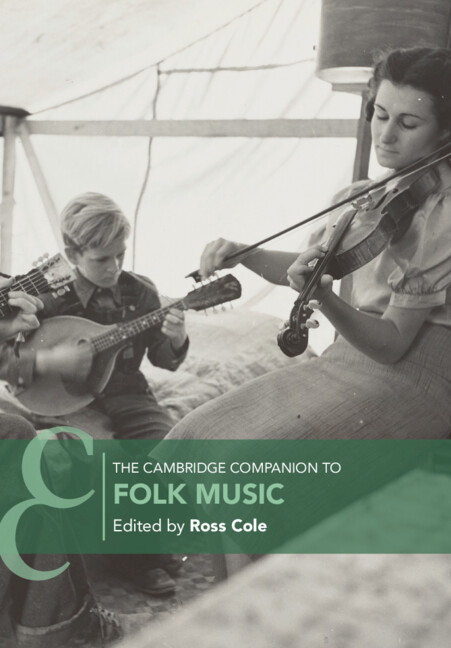
The Cambridge Companion to Folk Music Edited By Ross Cole

Ross Cole teaches at the University of Leeds. He is the author of The Folk: Music, Modernity, and the Political Imagination (2021), which won the Society for Ethnomusicology's Brun...
View profile >Keep up with the latest from Cambridge University Press on our social media accounts.



Latest Comments
Have your say!