

Products and services

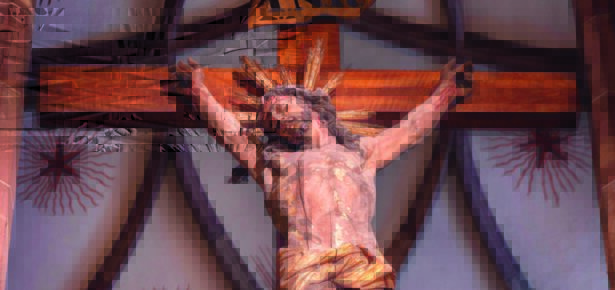
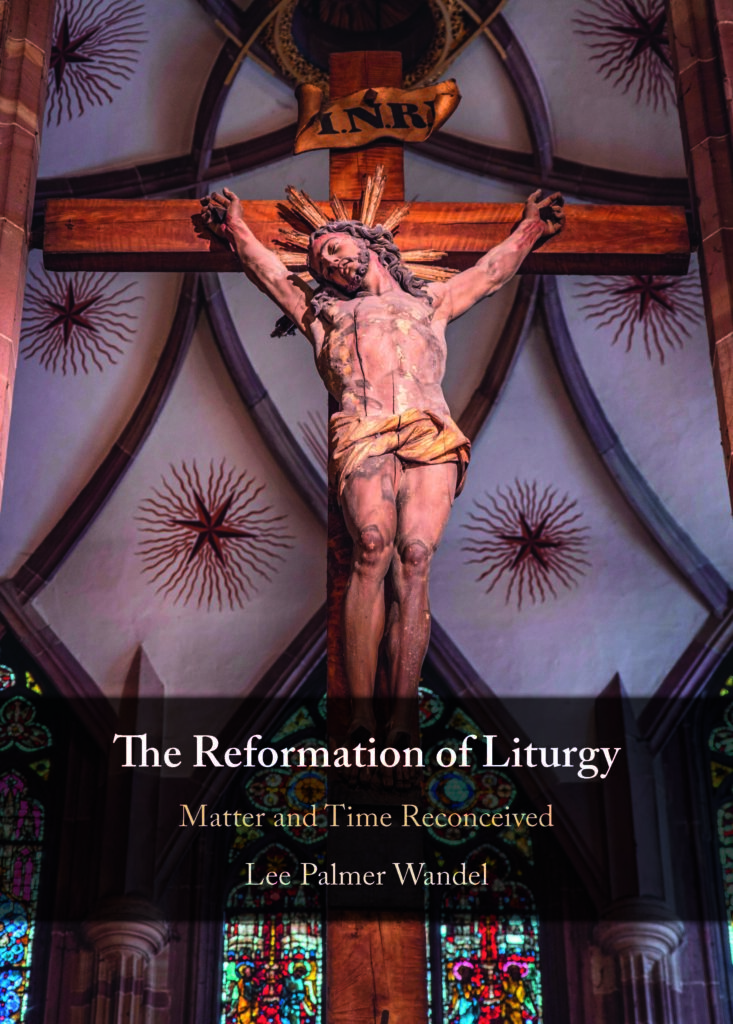
Uly Anders first pulled me into the puzzle The Reformation of Liturgy: Matter and Time Reconceived seeks to unravel. He was executed in 1520. His crime? Blasphemy, which the law defined as an affront against God. Anders had broken up and thrown out a window a small crucifixion scene carved in wood. The image had not been in a church, but in an inn in the village of Utznach in the canton of Zurich. As he did it, he said, the idols bring nothing. How could an act of violence against an object be not only a capital crime, but an attack against God?
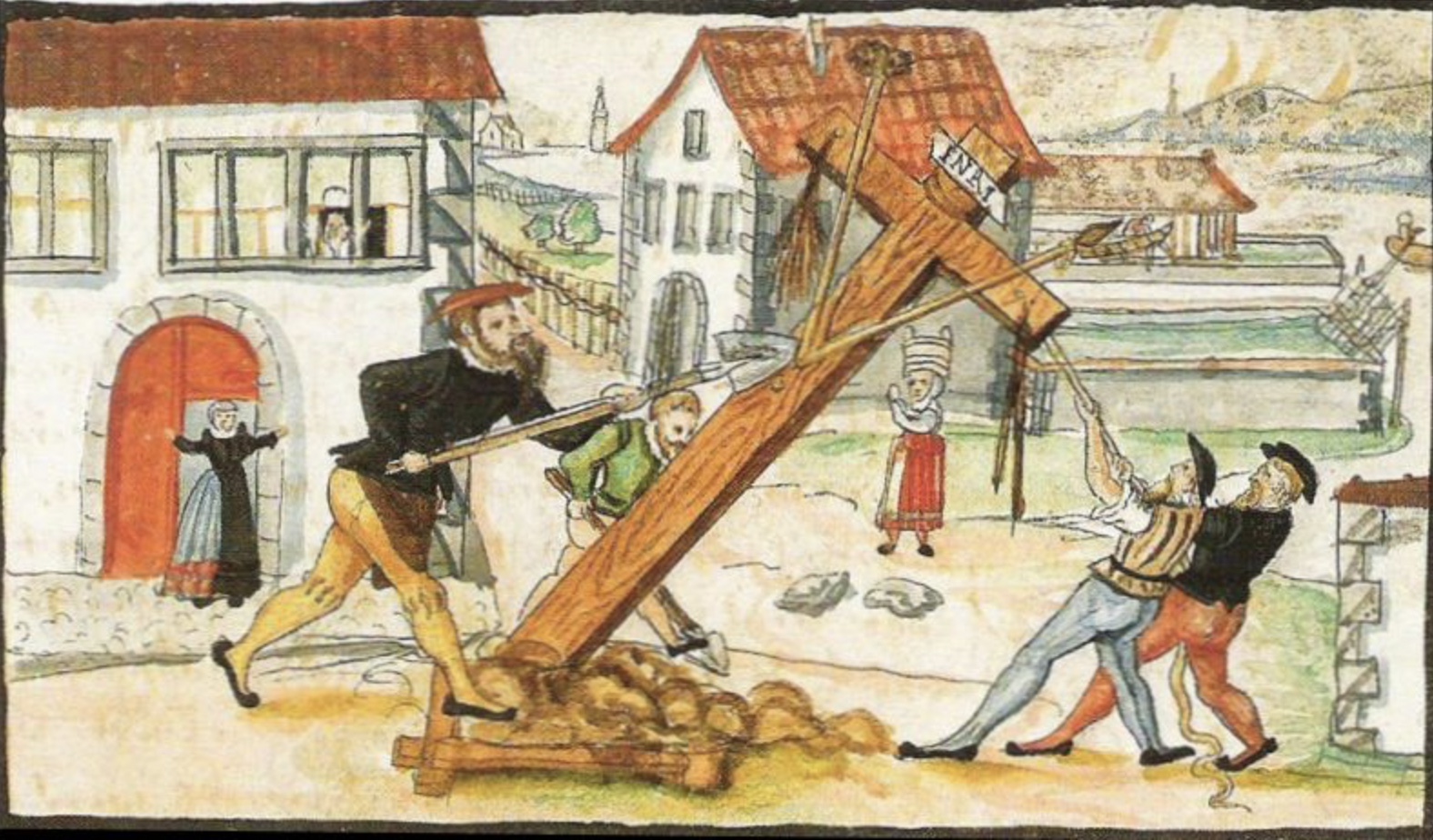
Post-Reformation discussion of the violence has largely focused on images – painted, sculpted – ignoring all the other targets of Evangelical violence: altars, candlesticks, lamps, vestments, liturgical books, bells. Perhaps because of that focus, many assumed that Anders’ contemporaries were confusing those images for God. But the magistrates’ judgment, the law itself, suggested that a carved image was encompassed in blasphemy, that a carved image itself was somehow connected to God. Neither Anders nor the law suggested that the image was God. What then was the relationship between a crucifixion scene in a pub and God?
Reading for other purposes, I found the answer in the most authoritative medieval commentary on the liturgy, the Rationale divinorum officiorum by William Durand (d. 1296). Durand offered a radically different way of understanding altars, vestments, images, lamps and candles – matter. He also took me into a fundamentally different conception of time and worship’s relationship to it. For Durand, because God had created all matter and time itself, stone, cloth, light, the pealing of bells were all media of revelation, modes by which God chose to communicate with humankind. In the liturgy, the spoken word and the altar were not, as they have come to be, separate, but dynamically dialogic, vestments the materialization of Scripture that in turn made living present the words of biblical narrative.
We know so little of Uly Anders. He came from another small village, Kennelbach, in the land above Zurich. He had appeared before the court before, for telling a servant of a cardinal that he served an ass; for threatening to chop up the cardinal “like a butcher chops up meat”; for swearing in front of witnesses that God’s five wounds “did nothing” for him. None of these resulted in his execution; only smashing a small image did. That beheading invites us to see in his act a violence his contemporaries found existentially threatening. It points not towards some power of images, but to a way of understanding Creation and revelation that was, through acts like his, erased in the sixteenth century. In the sixteenth century, Evangelicals reconceived what I call “the made world,” Creation and all that human hands fashioned from it, and in so doing, reconceived just what worship is and what its relationship to time is. That is the story The Reformation of Liturgy tells.

Lee Palmer Wandel is the WARF Michael Baxandall and Linda and Stanley Sher Professor of History at the University of Wisconsin – Madison. She is the author of Always Among Us: Im...
View profile >Keep up with the latest from Cambridge University Press on our social media accounts.


Latest Comments
Have your say!