

Products and services

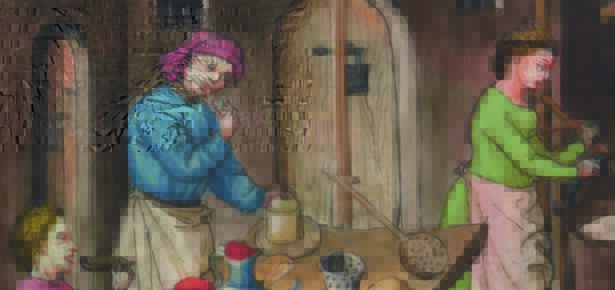
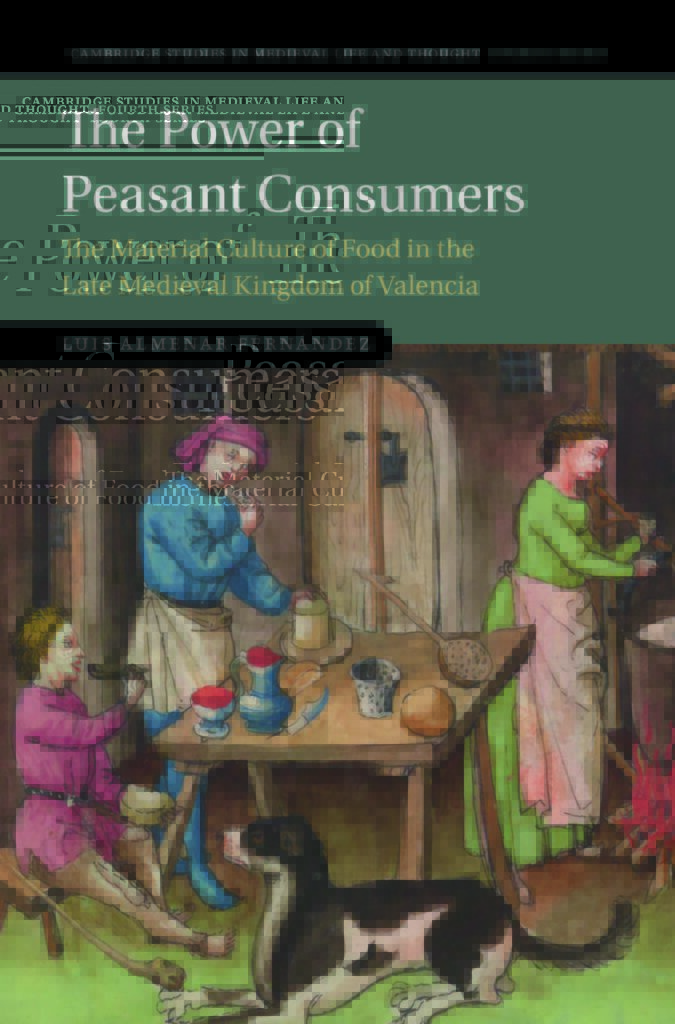
General audiences are accustomed to imagining medieval culinary practices through those of the elites — in shows, films, and novels, where little attention is given to the habits of common people. Perhaps as a contrast to the material wealth of aristocrats, society tends to picture ordinary individuals from the Middle Ages as dirty and uncivilised, enduring a never-ending struggle marked by hunger and material deprivation. In such a world, peasant meals are often assumed to have been monotonous and flavourless, without much pretension. But what if, in fact, we have underestimated the richness and variety of medieval peasant meals? What if, during the later centuries of the Middle Ages, a genuine ‘peasant cuisine’ developed — one that laid the foundations for modern traditional European cooking practices? Moreover, what if the acquisition of new sets of food-related objects by peasant households had transformative effects on the economy of the time?
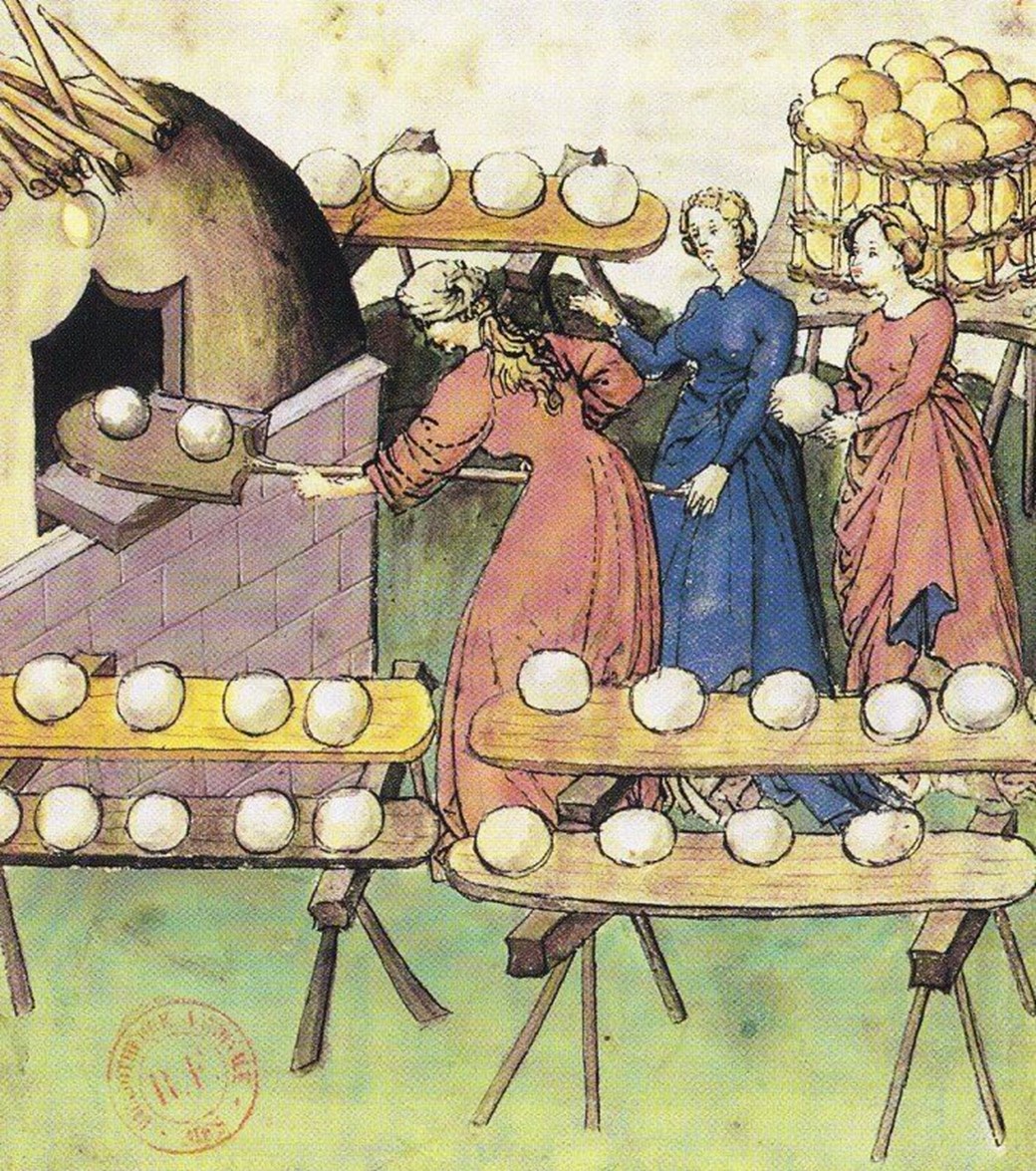
Women bringing bread to an oven.
Source: Bibliothèque nationale de France, Ms. Latin 9333, fol. 61v, fifteenth century.
The richness of Mediterranean written sources from the period allows for an in-depth study of which objects peasant families owned for these purposes, how they were used and purchased, and even of what they meant to their owners. The archives of the old kingdom of Valencia, in eastern Spain, contain the records kept by notaries. Within these registries, hundreds of inventories of deceased individuals’ possessions can be found, along with records of the sale of such objects at public auctions. Altogether, this evidence makes it possible to explore in detail the materiality of storing, cooking, and serving food in peasant homes. When examined in such large numbers, these sources allow us not only to investigate the cultural habits surrounding food, but also to measure changes in the number, material, quality, and size of food-related objects. This abundant documentary evidence can be cross-referenced with other kinds of sources — archaeological, visual, and literary — as well as with the vast scholarship on material culture that has emerged over recent decades. The result is that the case of Valencia engages with the concerns of multiple disciplines, particularly economic and social history, material culture studies, archaeology, and anthropology. Valencia thus becomes an ideal testing ground for existing international narratives on consumption patterns, material culture, and living standards in pre-industrial societies. The case vividly demonstrates how a consumer culture and society emerged strongly from the mid-fourteenth century onward in the northwestern Mediterranean, anticipating many features of modern consumer culture that scholarship usually situates in later historical periods.
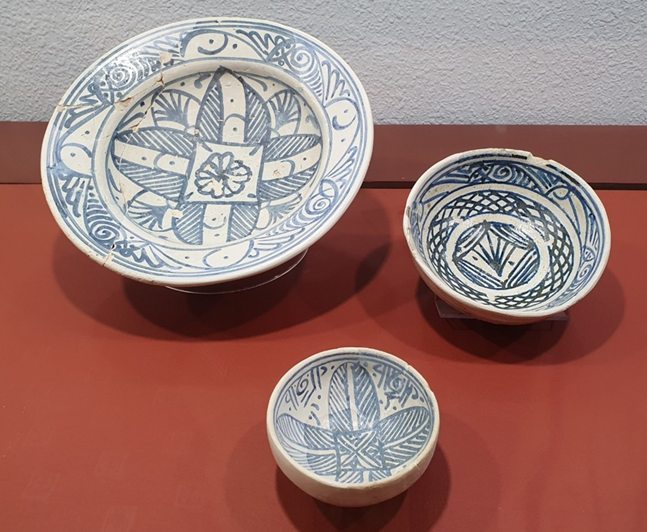
Illustration 2. Late fourteenth-century white-blue ceramic tableware.
Source: Museu Municipal de Ceràmica de Paterna
The material culture of food did not remain static between the thirteenth and fifteenth centuries. In 1238, this Mediterranean realm had been created on the periphery of Christendom, upon the destruction of earlier Islamic polities, and incorporated into the confederation of states that made up the Crown of Aragon. By 1500, the kingdom of Valencia had reached its Segle d’Or (‘Golden Century’), assuming the economic leadership of the Crown in a context of growth that is often interpreted primarily through supply — through productive and commercial achievements. But what if its very foundation was, in fact, the rising aggregate demand of thousands of peasant families? Inventories and auctions reveal the emergence of new peasant consumer behaviours, characterised by a growing concern for fashion, comfort, and conspicuous display in the countryside. This new way of understanding and valuing objects was the result of pivotal socioeconomic transformations of the period, which peasant families capitalised on to create new forms of material culture. Around the 1360s–70s, the generations of peasant families who lived after the first two waves of the Black Death (1348, 1362) and two wars (1347–8, 1356–69) enjoyed higher real wages, larger landholdings, and better equipment with working animals. With higher disposable incomes, their patterns of consumption diversified. Existing cooking items multiplied, so that rural households came to possess pans, spits, cauldrons, grills, pots, casseroles, mortars, graters, baskets, and other utensils in varying proportions. To these objects were added new ones, notably, ceramic dishes and glass bottles, fashionable yet affordable items that increasingly became part of peasant material life. In the context of the material culture of food, pottery and glassmaking were growing industries whose consolidation was ensured by the massive incorporation of peasant families into their consumer base. The Islamic past was a source of inspiration for the styles and motifs that craftsmen applied to these objects, which Christian peasants purchased naturally.
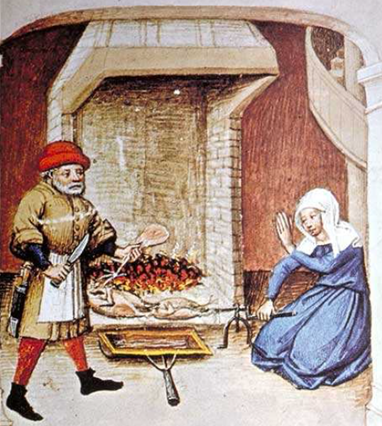
Woman roasting meat on a spit.
Source: Boccacio, Le Décameron, 1432. Bibliothèque nationale de France, Ms. Arsenal, 5070, fol. 226v.
The way medieval peasants cooked and ate truly matters. The objects they used for these purposes changed as part of a historical episode of social agency. They took advantage of a moment of rising disposable income to improve their material conditions. Through their purchases, they channelled capital into developing industries and underpinned part of the economic growth of a prominent Mediterranean polity. In that sense, the Valencian Golden Century cannot be understood without recognising the increasing power of peasant consumers.
Keep up with the latest from Cambridge University Press on our social media accounts.




Latest Comments
Have your say!