

Products and services

What the viral TikTok “how often do you think about the Roman empire” did not ask was what people imagine when they think of the Roman world. When I ask my first-year students to jot down three instant associations with the Roman world, the top three unmistakably includes marble, emperors, and war. We are conditioned to read the Roman past through the lens of pomp and glory. We seem to lack a collective imaginary for everything else, that is, the lifeworlds and experiences of 90% of people in the Roman world. This is not just because media – from Gladiator to Percy Jackson – have created a Roman stage with a limited set of monuments and characters. More fundamentally, research on the “90%” of the Roman world has been developing only slowly, despite important contributions to bottom-up history since the beginning of the 20th century. A lack of data is often blamed for this situation; it is true that ancient texts were predominantly penned by a literate elite, and that archaeological excavations have long privileged the abundant remains of cities and wealthy villas. When researching my new book, however, I realized that a more fundamental issue is that we do not have an analytical lens for describing the experience of the underprivileged, the non-elite, the subaltern.
Taking a leaf from the books of feminist, queer, and development studies, I adopted the lens of “precarity” to investigate diverse experiences of living with uncertainty caused by structural inequality. Through the lens of precarity, I argue, we can come closer to people’s experiences than with the help of identity categories such as women, the enslaved, or peasants. In an eerie historical turn of events, many of these experiences of people living precariously in the extractive, authoritarian world of Rome resonate with those of people living in today’s world.
A potter at the 3rd century CE rural site of La Boissière-École in the Paris basin, for instance, had to abandon their attempts at launching a new production line for want of the necessary capital. Just as so-called survival entrepreneurs today, this potter, even if dreaming big, could not escape the reality of having ample labor supply (based on a farming family) but no access to a capital injection. They were set up to fail. At Podere Marzuolo, another rural site, this time in present-day Tuscany, a blacksmith saw their workshop space burn down in a disastrous fire in the middle of the 1st century CE. What is puzzling is not that the workshop burnt down – rich and poor, privileged and precarious were all subject to pyrotechnic risk – but that the entire workshop, including complete toolset, were left behind. It appears that the smith leased rather than owned the workshop, subjecting them to the whims of the landlord, and forcing them onto a flexible labor market with its demands of constant retraining – a situation that will echo with readers on precarious job contracts. Forced to leave their trusted tools and their homes, the case of the Marzuolo smith speaks to the staccato signals of local, short-term mobilities rather than the dramatic, long-distance migrations that have received most attention for the Roman world. The result would have approximated the feeling of “permanent temporariness” as described for descendants of slavery in America and for present-day refugees: the condition of never fully being able to settle in a place from which you nevertheless see no escape. In Nîmes, in southern France, Sperata erected a tombstone dedicated to her deceased partner Columbus, who died aged 25 as a gladiator; both were likely enslaved and therefore not allowed to marry, leaving Sperata in a highly precarious situation. Yet Sperata chose to invest in a modest tombstone for her deceased partner and called herself coniux, or legal wife, thereby staking her claim among the community of the living and forging a new social imaginary outside of the dominant vertical relations of slavery, patronage, and family, which would have expected her to stay mute. Just as in today’s climate protests or sharing economies, Sperata shows that hope and persistence flicker in the crevices of precarity and vulnerability.
These parallels are not meant to collapse historical distance, but to nourish our account of the Roman past with actual lived experiences, and to hold up an epistemic mirror to a contemporary world that believes to be far past the “premodernity” of Rome but ends up reproducing many of its conditions. We might never be able to truly know Sperata, the blacksmith and the potters, but our attempt at finding out what we can about their lives will leave us with a better Roman archaeology and history, one that is relevant to our present times and concerns and that can help us imagine alternative ways of relating to the material world, to each other, and to the future.
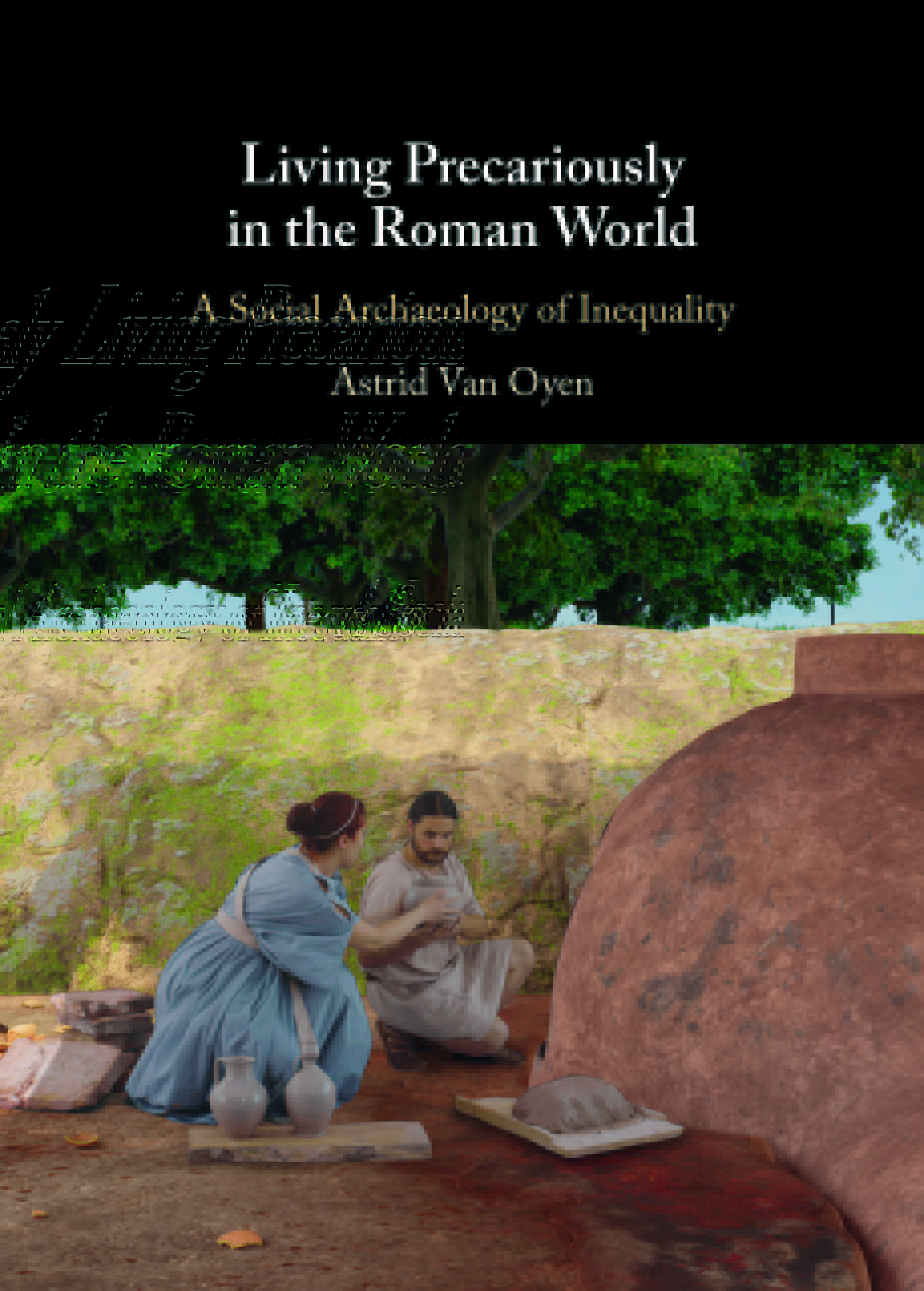
Living Precariously in the Roman
World by Astrid Van Oyen
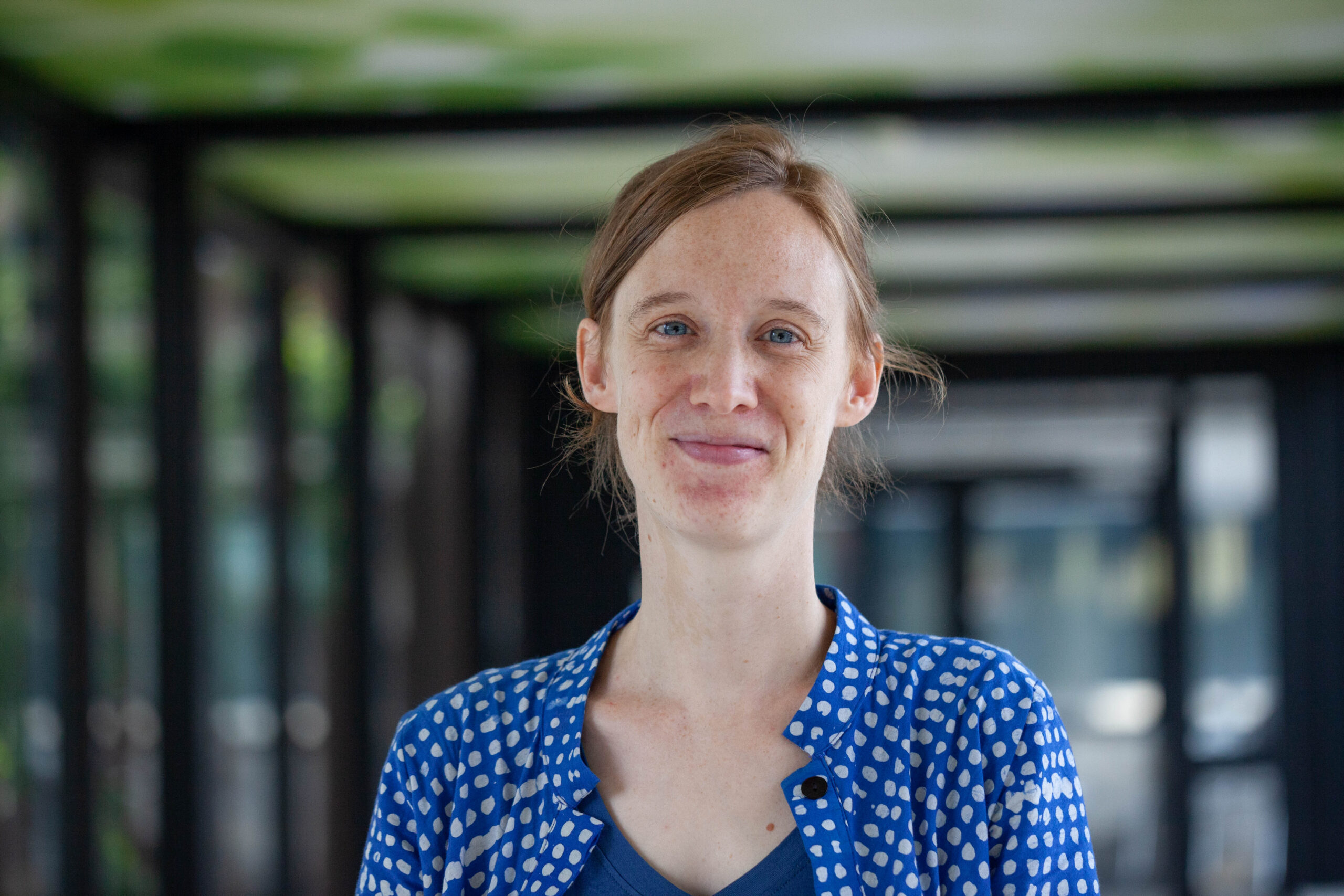
Astrid Van Oyen is author of How Things Make History: The Roman Empire and its Terra Sigillata Pottery (Amsterdam University Press, 2016) and co-edited Materialising Roman Historie...
View profile >Keep up with the latest from Cambridge University Press on our social media accounts.


Latest Comments
Have your say!