

Products and services

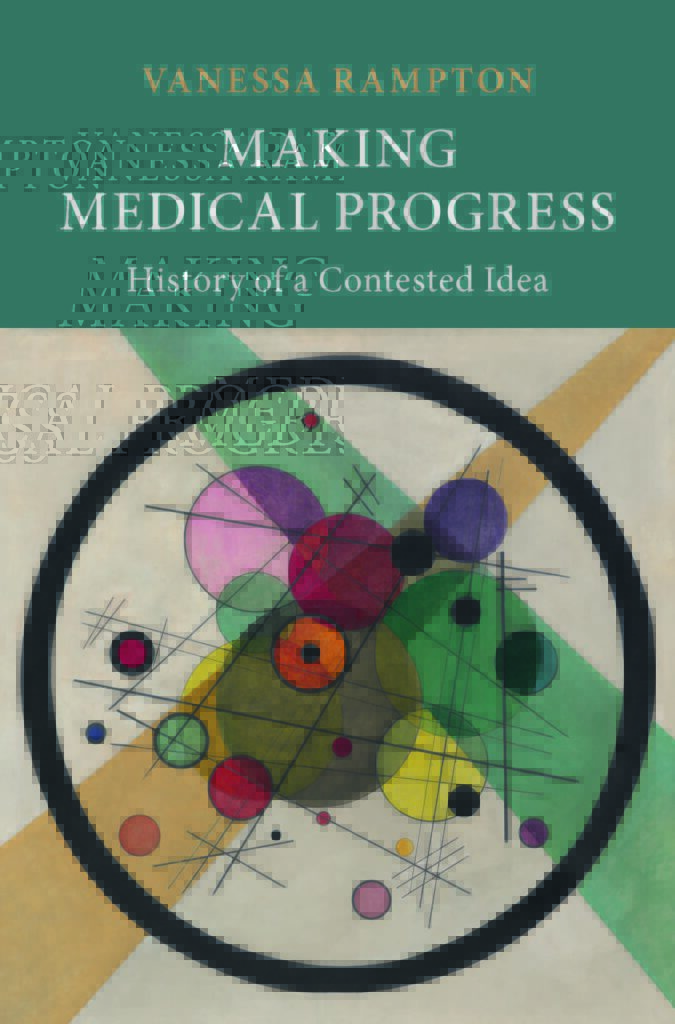
In a fractured world, we can mostly agree that medical progress is valuable, and that achieving it is a worthwhile social goal. But beyond that, there are different and conflicting visions of what exactly progress in medicine entails. The consensus that we need more of it – whatever it may be – means that the concept of medical progress is at particular risk of being co-opted by political interests, social trends, and economic power.
In recent years, medical progress has been associated with health AI, gene editing, and human enhancement projects that appeal to billionaires like Elon Musk and Peter Thiel. But at least since the 1970s, it’s also been linked to autonomy and the ability of patients to decide what happens to them in care, as well as connected to justice and medicine’s capacity to provide treatments to all. A small but vocal contingent wants to attach medical progress to an expanded view of health that includes the well-being of the natural environment, an idea that has ancient roots.
Calling these different visions progress masks the fact that they are not compatible with each other. Popular histories of medicine often read like a story of progress from one innovation to the next, even as the historical realities of adopting those same innovations are often complex and come with trade-offs. But take a step back, and many health problems have to do with resource allocation and social injustices rather than a lack of available treatments. At the same time, the focus on medical breakthroughs masks the historical fact that better science and technologies have yet to be able to address health inequalities on their own.
I believe that progress in medicine is a hugely powerful concept, with enormous political and economic capital, and I wrote this book to try and explain how we got to where we are today. While we might feel like we’re living in a unique historical moment both for the potential and peril of medical progress – take CRISPR-Cas9, for example – records from the past show us this isn’t true. Of course, the medical knowledge, technologies, and environment were hugely different in other eras. But the preoccupations that have traditionally accompanied medical changes – how to balance the well-being of any one individual and that of a social collective, the influence of the natural environment on human health, the value of the physician-patient relationship – have fascinating and recurring features.
In particular, appeals to specific kinds of medical progress are inevitably political, and underpinned by visions of health and assumptions about how to govern and improve human societies. If we uncover the foundational premises beneath a particular vision of medical progress, we shed light on its political nature. We can then see who profits when medical progress is associated with particular kinds of knowledge, who gets left out, and who is harmed by a particular narrative of progress.
This book argues that critically assessing and taking seriously the competing claims of different visions of medical progress will improve the medicine of the future.

Vanessa Rampton is a Branco Weiss Fellow in the Institute for Health and Social Policy and Department of Philosophy at McGill University, Montréal. Previously, she was a Postdocto...
View profile >Keep up with the latest from Cambridge University Press on our social media accounts.


Latest Comments
Have your say!