

Products and services

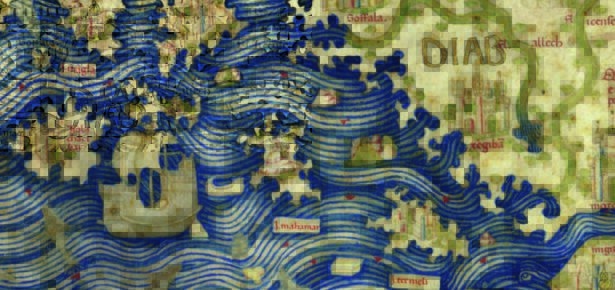
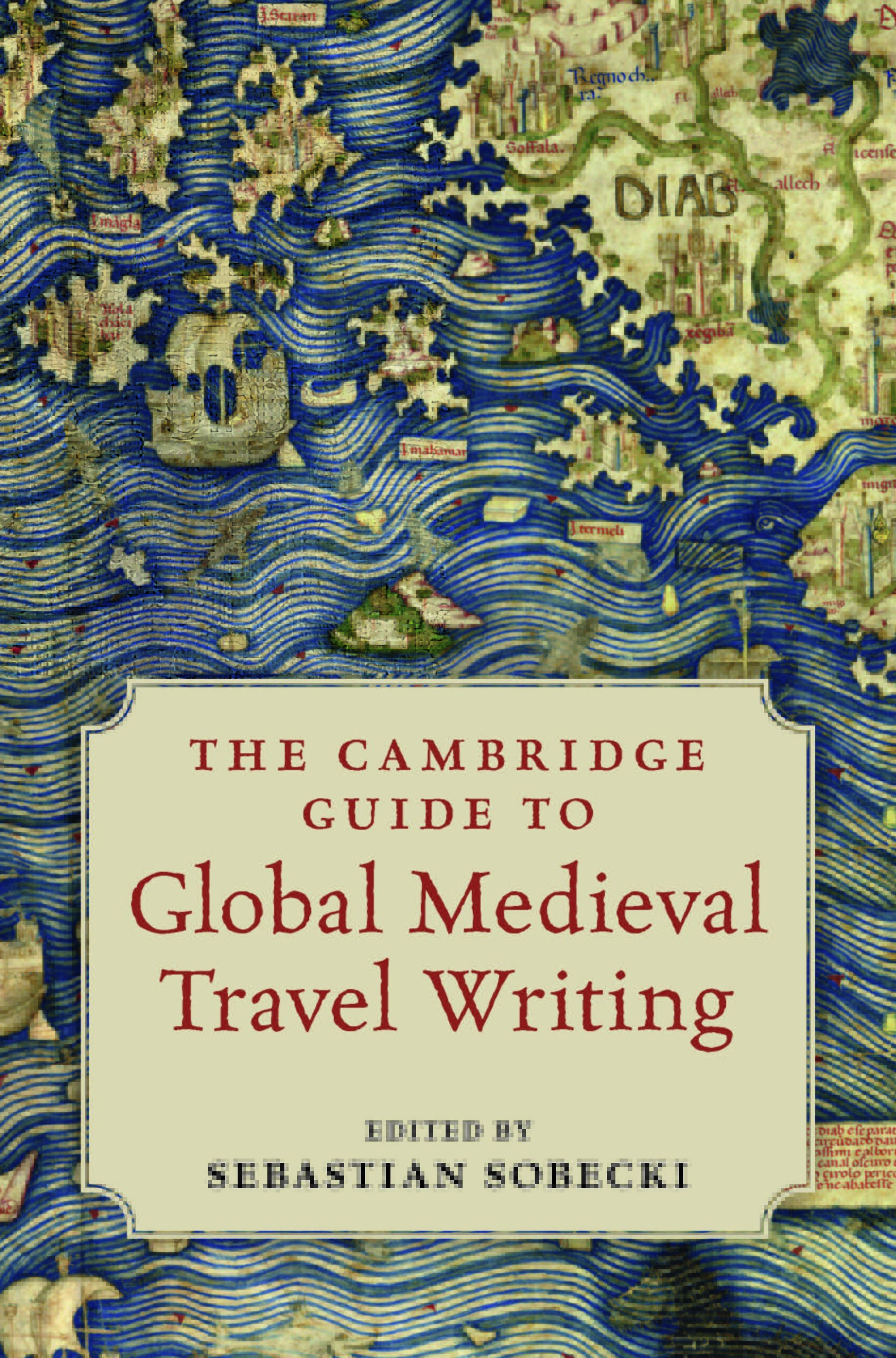
What did it mean to travel in the premodern world – long before passports, maps, or reliable roads? Countless surviving yet often overlooked accounts open a window onto a time when people from Asia, Africa, and Europe journeyed immense distances on foot, by caravan, or across unpredictable seas. Their stories reveal not only the physical challenges of such travel, but also the emotional and intellectual transformations that came with encountering new landscapes, languages, and beliefs.
These early travellers – pilgrims, merchants, diplomats, and captives – lived in a world that was already interconnected, though not in the ways we might expect. Their accounts, drawn from chronicles, letters, and personal reflections, preserve the texture of life on the move: moments of wonder and discovery, but also fear, illness, and loss. To read them today is to step into a world where the act of journeying was both an ordeal and a way of thinking – an exploration not just of foreign lands, but of what it meant to be human.

For too long, much of this record has been viewed through a narrow European lens. Non-Western voices – Persian merchants, Arabic globetrotters, African pilgrims, Chinese envoys – have often been overlooked or left untranslated. We should seek to restore these perspectives, placing them side by side with familiar European narratives. When read together, surprising connections emerge. The diary of a fifteenth-century Burgundian envoy, for instance, records a moving friendship with a Muslim guide – an encounter that complicates modern assumptions of inevitable cultural hostility. Such moments remind us that medieval travellers were not just agents of empire or faith, but individuals capable of empathy, humour, and cross-cultural understanding.
Yet these texts also confront us with the darker realities of the premodern world. Alongside trade and diplomacy came slavery, coercion, and inequality. One of the most strikingly recurrent travel patterns is the ‘bridal journey’, in which young women – often from privileged families – were transported across continents to secure dynastic alliances or commercial advantage. From the shores of Iceland to the islands of Indonesia, their journeys reveal a shared story of vulnerability and displacement, reminding us that mobility has never been free from power.
By bringing together voices from across continents and centuries, my book can help us to view the Middle Ages afresh, not as a static or isolated period, but as a world of constant movement and exchange. This lost world encourages us to look beyond the boundaries of nations and traditions, and to recognise travel as a universal human experience: one that binds us across time through curiosity, courage, and the search for connection.
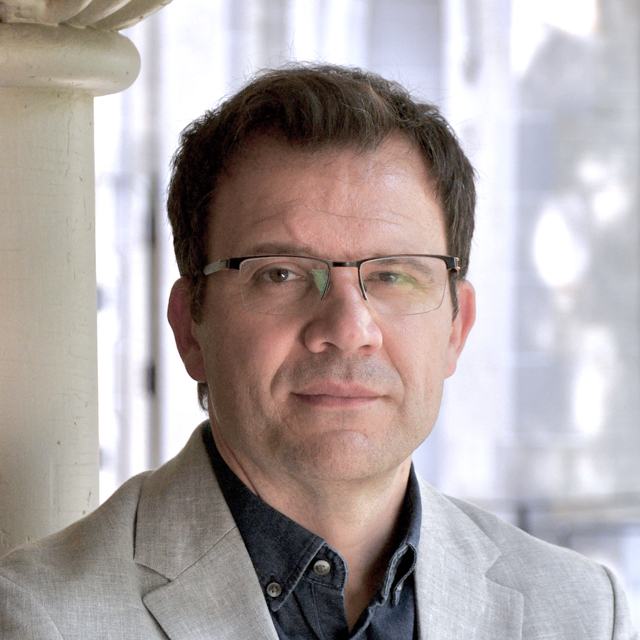
Sebastian Sobecki is Professor of Later Medieval English Literature at the University of Toronto. His forthcoming books include The Cambridge History of the Literature of London: V...
View profile >Keep up with the latest from Cambridge University Press on our social media accounts.



Latest Comments
Have your say!