

Products and services


In a high-profile address to US generals earlier this week, Secretary of War Pete Hegseth declared, “We don’t fight with stupid rules of engagement. We untie the hands of our war fighters to intimidate, demoralize, hunt, and kill the enemy.”
His words are exactly what US President Donald Trump has been advocating: not just loosening the rules of military engagement, the legal frameworks governing how combatants wage war, but fundamentally upending the entire law of war on the battlefield.
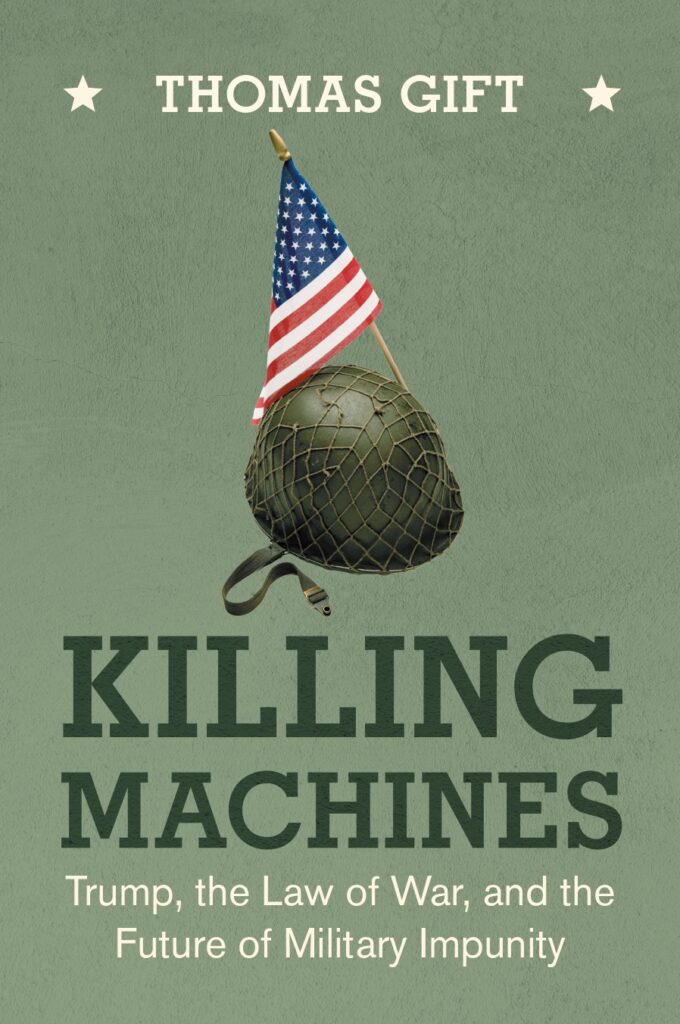
My new book Killing Machines argues that Donald Trump is unique among American presidents in his willingness to overtly challenge the law of war. Prior to Trump, there was a broad, if tacit, consensus among American presidents that openly attacking the law of war was both wrong and politically damaging.
This doesn’t mean that Trump’s predecessors in the White House never violated the law of war or tried to exploit gray areas in the law. President George W. Bush post-9/11 is a clear example. Yet even when Bush challenged, or some say rode roughshod over the Geneva Conventions, he never did so openly and often called upon the Justice Department to devise arguments for why his actions were legal.
Examples of Trump overtly attacking the law of war are numerous. They include Trump labeling the Geneva Conventions “the problem” and “out of date.” Trump has praised torture, endorsed the killings of civilians, advocated pillaging Middle Eastern oil fields for profit, and threatened to bomb cultural sites in Iran.
Perhaps most grievously, Trump offered clemency to multiple US servicemembers and Blackwater agents accused or convicted of war crimes. Taken together, this behavior suggests that Trump sees following the law of war more as optional than a legal imperative. His behavior sets a new precedent in America and gives license for other Western leaders to follow suit.
My book claims that Trump hasn’t overtly challenged the law of war by himself. On Capitol Hill, the Congressional Justice for Warriors Caucus has lobbied for war crime clemencies and defended Trump’s words that counter IHL. Fox News has also served as a megaphone for Trump’s overt challenges to IHL, led prominently by Pete Hegseth before Trump nominated him as Secretary of War.
Republican voters have largely supported Trump’s open attacks on IHL, despite emphasizing a law-and-order approach to domestic criminal justice. Trump has also been aided by a military that largely leans to the right politically. This has ensured minimal backlash to Trump’s agenda from within the ranks.
In the book, I argue that Trump’s impunity agenda is here to stay. An entire political infrastructure now exists to downplay the law of war and to advocate for US combatants jailed for war crimes. Most notably, the nonprofit United American Patriots has as its goal advocating for the reversal of convictions for US servicemembers who it deems have been wrongfully charged. Some of the combatants pardoned by Trump, especially former Navy Seal Eddie Gallagher, have turned into powerful right-wing influencers dedicated to overhauling the US military justice system.
With Trump in power, pressure to pardon more American combatants and openly flout the law of war is likely to grow louder.
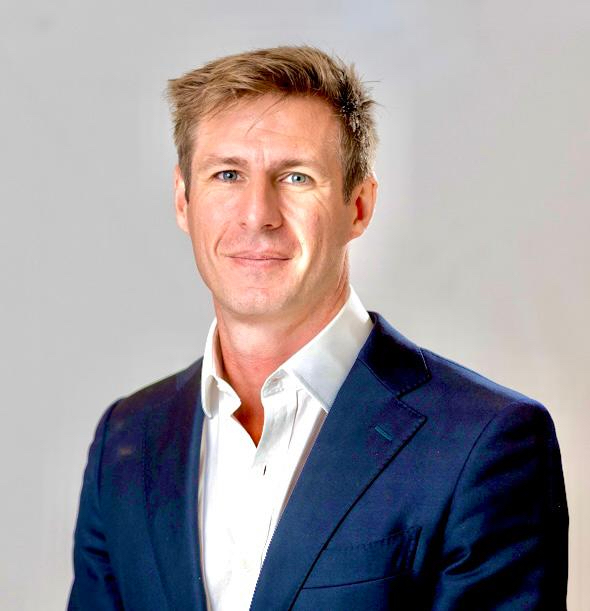
Thomas Gift is Associate Professor and founding Director of the Centre on US Politics at University College London. He has published extensively in top scholarly journals, authored...
View profile >Keep up with the latest from Cambridge University Press on our social media accounts.



Latest Comments
Have your say!