In November 1983 a twenty-nine-year-old man named Bruce Burnett returned to his homeland, New Zealand/Aotearoa, from San Francisco. Bruce hadn’t been in San Francisco long: he had left New Zealand in 1982, and when he came home he had swollen lymph glands and a persistent intestinal infection.[1] Bruce thought he might have AIDS. For several […]
Read MoreIn the last chapter of James Joyce’s Portrait of the Artist as a Young Man, Stephen Dedalus misquotes a line from Thomas Nash’s “Litany in Time of Plague.” Nash wrote the poem during one of a series of bubonic plagues that beset London in the sixteenth century and the poem is fixated on death as […]
Read MoreCorona virus has had a major impact on the functioning of our societies, health-care and economy. Many people have lost their lives or health, and even more have lost their jobs. The virus has severely disturbed education, travelling, sports and other aspects of our lives that we used to consider self-evident. In relation to this […]
Read MoreThe coronavirus has enormous revelatory power. All at once, it has disclosed issues of social justice and biopolitics, biodiversity and violence, scientific research and global economy. This power, however, involves a risk: focusing exclusively on the virus, people (and governments) might end up neglecting other key issues, first of all climate change. This is a […]
Read MoreIn 1923 two precocious and fury-filled Cambridge undergraduates – Christopher Isherwood and Edward Upward – co-wrote some extraordinary, inventive, and obscene stories. Together they imagined a hidden obverse to the actual city that they inhabited, dominated as it was by ‘the poshocracy’ of well-connected young men and judgmental and tedious dons. Their fanatical projection they […]

Read MoreI have been asking myself what wisdom or solace the Romantic poets might offer us during this time of death and fear and self-isolation. We won’t be climbing Mont Blanc or Mount Snowden anytime soon, or sailing off to Albania and Greece, or spending moonlit nights in the ruins of Rome. We won’t be meeting […]
Read MoreEndless war. I caught onto this phrase several decades ago, already several decades into my work on the literature and history of the First World War. There, as the conflict wore on, the phrase gained its own embattled place. On or about the midpoint of war, the irrepressible energy of irony and satire generated a […]
Read MoreSinger-songwriter John Prine fell ill with the Covid-19 virus in March and eventually succumbed to it on April 7. He was a balladeer of the common man, a poet of everyday life with a knack for folding narrative fragments into an elemental lyricism very much in the manner of Wordsworth’s Lyrical Ballads. He got his […]
Read MoreIn November 1983 a twenty-nine-year-old man named Bruce Burnett returned to his homeland, New Zealand/Aotearoa, from San Francisco. Bruce hadn’t been in San Francisco long: he had left New Zealand in 1982, and when he came home he had swollen lymph glands and a persistent intestinal infection.[1] Bruce thought he might have AIDS. For several […]
Read MoreIn the last chapter of James Joyce’s Portrait of the Artist as a Young Man, Stephen Dedalus misquotes a line from Thomas Nash’s “Litany in Time of Plague.” Nash wrote the poem during one of a series of bubonic plagues that beset London in the sixteenth century and the poem is fixated on death as […]
Read MoreCorona virus has had a major impact on the functioning of our societies, health-care and economy. Many people have lost their lives or health, and even more have lost their jobs. The virus has severely disturbed education, travelling, sports and other aspects of our lives that we used to consider self-evident. In relation to this […]
Read MoreThe coronavirus has enormous revelatory power. All at once, it has disclosed issues of social justice and biopolitics, biodiversity and violence, scientific research and global economy. This power, however, involves a risk: focusing exclusively on the virus, people (and governments) might end up neglecting other key issues, first of all climate change. This is a […]
Read MoreIn 1923 two precocious and fury-filled Cambridge undergraduates – Christopher Isherwood and Edward Upward – co-wrote some extraordinary, inventive, and obscene stories. Together they imagined a hidden obverse to the actual city that they inhabited, dominated as it was by ‘the poshocracy’ of well-connected young men and judgmental and tedious dons. Their fanatical projection they […]
Read MoreI have been asking myself what wisdom or solace the Romantic poets might offer us during this time of death and fear and self-isolation. We won’t be climbing Mont Blanc or Mount Snowden anytime soon, or sailing off to Albania and Greece, or spending moonlit nights in the ruins of Rome. We won’t be meeting […]
Read MoreEndless war. I caught onto this phrase several decades ago, already several decades into my work on the literature and history of the First World War. There, as the conflict wore on, the phrase gained its own embattled place. On or about the midpoint of war, the irrepressible energy of irony and satire generated a […]
Read MoreSinger-songwriter John Prine fell ill with the Covid-19 virus in March and eventually succumbed to it on April 7. He was a balladeer of the common man, a poet of everyday life with a knack for folding narrative fragments into an elemental lyricism very much in the manner of Wordsworth’s Lyrical Ballads. He got his […]
Read MoreKeep up with the latest from Cambridge University Press on our social media accounts.
Johan Adam Warodell is the author of the monograph Conrad’s Decentered Fiction (Cambridge University Press 2022) and numerous articles on Joseph Conrad. He is a Trustee of the Joseph Conrad Society of America and a Research Associate at the University of Sussex.
Montclair State University, New Jersey
Heather Hirschfeld is a Professor of English at the University of Tennessee.
Alice Tranah grew up in Cambridge and, after studying history at University, fell delightely into life as a bookseller, first in London and then here for Cambridge University Press Bookshop.
Canterbury Christ Church University, Kent
Associate Professor in English and Creative Writing, University of Reading
University of Pennsylvania
University of Cambridge
Staff Scientist, Brigham and Women’s Hospital, Department of Neurology with affiliation to The Broad Institute of Harvard and MIT.
Speaking Shakespeare Today
Helen Wilcox, Professor of English at Bangor University
Playing Hesiod
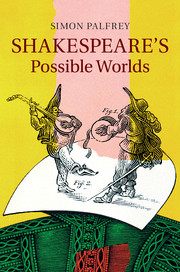
Shakespeare’s Possible Worlds
The Cambridge Companion to American Civil Rights Literature
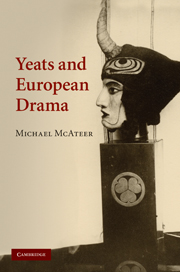
Yeats and European Drama
Nineteenth-Century American Literature and the Long Civil War
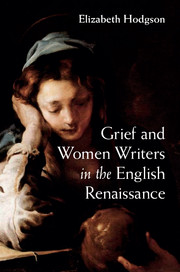
Grief and Women Writers in the English Renaissance
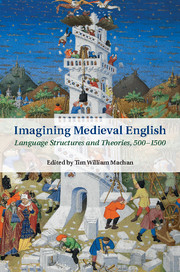
Imagining Medieval English
The Cambridge Companion to French Literature
The Cambridge Introduction to Theatre and Literature of the Absurd
Paul Salzman is Emeritus Professor of English at La Trobe University, Australia.
Sarah C. E. Ross is Senior Lecturer in the English Programme, at Victoria University of Wellington.
Stuart Sillars is Professor of English at the University of Bergen, Norway.
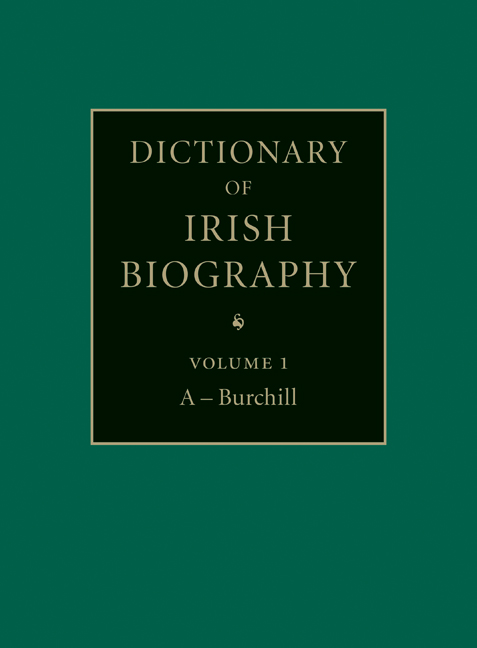
Dictionary of Irish Biography
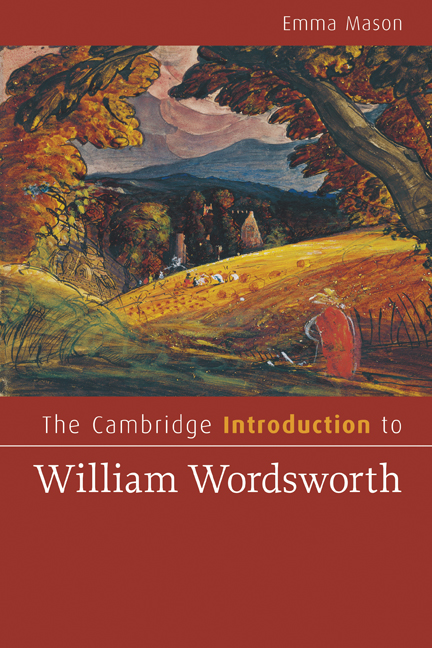
The Cambridge Introduction to William Wordsworth
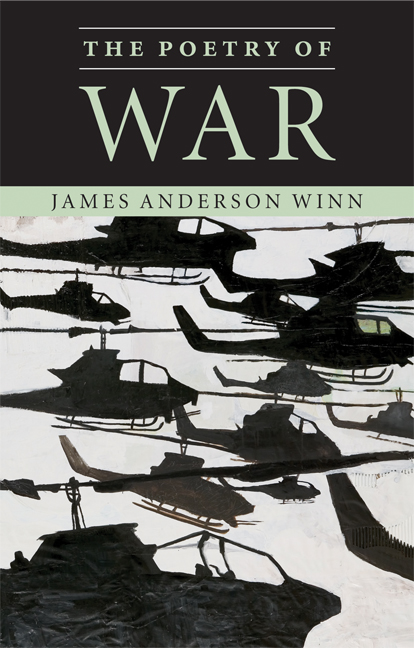
The Poetry of War
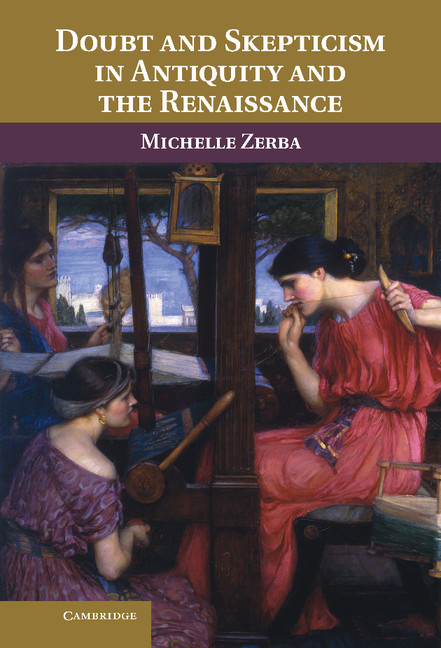
Doubt and Skepticism in Antiquity and the Renaissance
Marketing associate
You Know what I Mean?
Samuel Johnson, the Ossian Fraud, and the Celtic Revival in Great Britain and Ireland
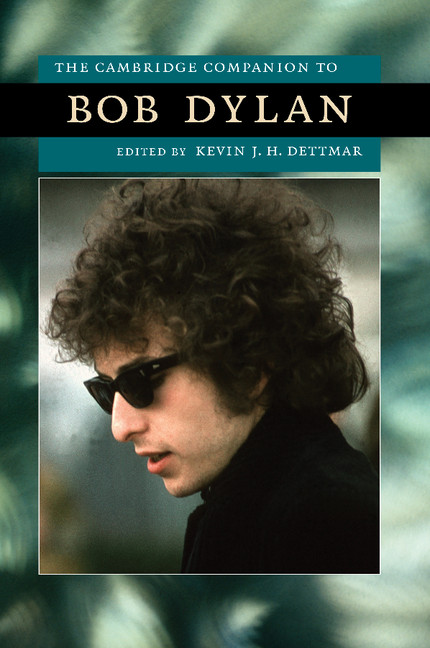
The Cambridge Companion to Bob Dylan
Japan Rising
The Cambridge Companion to Baseball
Library marketing associate
College Marketing Associate
The Cambridge Companion to Baseball
Publicist
London: A Social and Cultural History, 1550–1750
The American 1930s
The Places of Wit in Early Modern English Comedy
The King James Bible after Four Hundred Years
The Cambridge Companion to Creative Writing
London: A Social and Cultural History, 1550-1750
The Cambridge Introduction to Charles Dickens
Publicist
Associate director of sales and marketing
The Letters of Ernest Hemingway, Volume 1
Assistant sales manager
Senior Inbound Marketing Executive
Literary Criticism from Plato to Postmodernism
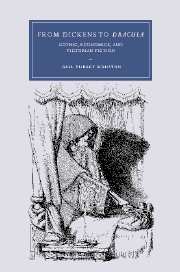
From Dickens To Dracula
A Reference Grammar of French
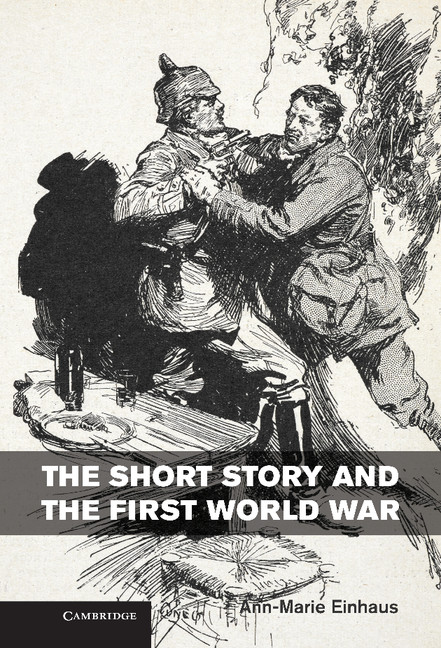
The Short Story and the First World War
Mrs Dalloway
Gender and Race in Antebellum Popular Culture
The Cambridge Companion to Modernist Culture
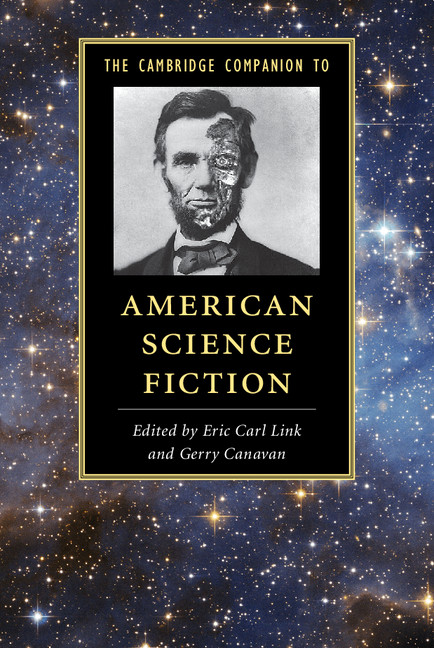
The Cambridge Companion to American Science Fiction
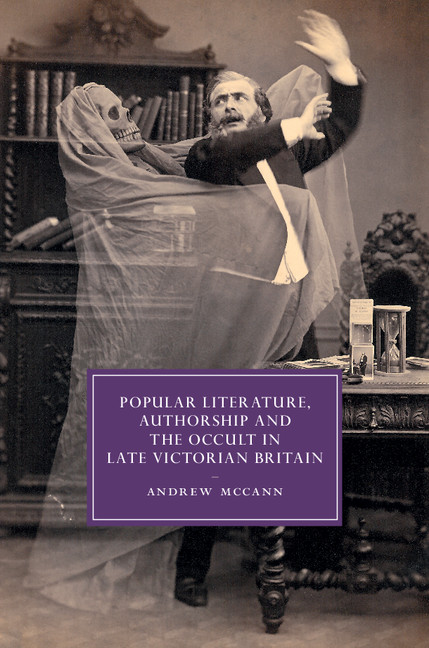
Popular Literature, Authorship, and the Occult in Late Victorian Britain
Paradise Lost and the Cosmological Revolution
Ovid and Hesiod
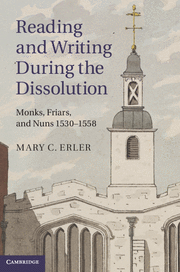
Reading and Writing during the Dissolution
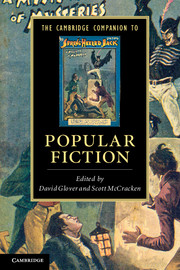
Cambridge Companion to Popular Fiction
Publisher
The Cambridge Companion to \'Pride and Prejudice\'
The Cambridge Companion to Football
Failure and the American Writer
Eating and Ethics in Shakespeare\\\\\\\'s England
To receive updates on Literature news from Cambridge University Press and Fifteen Eighty Four, please join our email list below. We will not disclose your email address to any third party