When I was about eleven years old and growing up in Accra my father’s cousin, with whom he was very close, lost his wife to a terrible car accident. Uncle Alfred (his name) was inconsolable. A couple of days after the news, my father gathered us together to tell us that there was a tradition in […]
Read MoreCovid-19 has had many people reaching back to the plague which Apollo sends on the Greek army at the very beginning of Homer’s Iliad; Western literature begins with a devastating disease of unknown cause. The Greek commander, Agamemnon, had in fact wronged and abused Apollo’s priest, Chryses: disease is a hidden enemy which must have […]
Read MoreOn Friday March 20, the Roman poet Ovid (Publius Ovidius Naso) turned 2062. In the last decade of his life he was exiled by the emperor Augustus for offences known and unknown to a small frontier town on the Black Sea. There he knew all about the disappointments of spring – and of a spring […]
Read MoreIn The Age of Anxiety (1947), begun during the Second World War, W.H. Auden observed that ‘in times of crisis, display of even the crudest kind of affection between people can be profoundly ennobling, a symbol of the love the world is so desperately in need of.[1] Indeed, in the trenches of the First World […]
Read MoreThe relatively brief geological time span of our species’ existence has been punctuated again and again by catastrophic events–volcanic eruptions, devastating climate changes, melting glaciers and consequent rising seas. The eruption of Mt. Mazama in Southern Oregon around 7,700 years ago resulted in Crater Lake forming in its caldera, and still figures in Klamath oral […]
Read MoreCada vez más pequeña mi pequeñez rendida, cada instante más grande y más simple la entrega mi pecho quizás ruede a iniciar un capullo, acaso irán mis labios a nutrir azucenas Each moment smaller my defeated smallness, each instant grander and simpler the surrender my breast will roll over to launch a rosebud, perhaps my […]
Read MoreThe First World War witnessed the birth of camouflage – both as a word and a developed military practice. But, while soldiers were disappearing into the landscape, the American feminist writer Charlotte Perkins Gilman was arguing that women also needed to become less visible as part of the war against male oppression. It sounds like […]
Read MoreThe revival of the London plague in 1665 ‘alarmed us all again,’ said Daniel Defoe in A Journal of the Plague Year (1722): ‘and terrible apprehensions were among the people, especially the weather being now changed and growing warm, and the summer being at hand’. Uncomfortable words. Defoe’s book, like Albert Camus’s La Peste (1947), […]

Read MoreWhen I was about eleven years old and growing up in Accra my father’s cousin, with whom he was very close, lost his wife to a terrible car accident. Uncle Alfred (his name) was inconsolable. A couple of days after the news, my father gathered us together to tell us that there was a tradition in […]
Read MoreCovid-19 has had many people reaching back to the plague which Apollo sends on the Greek army at the very beginning of Homer’s Iliad; Western literature begins with a devastating disease of unknown cause. The Greek commander, Agamemnon, had in fact wronged and abused Apollo’s priest, Chryses: disease is a hidden enemy which must have […]
Read MoreOn Friday March 20, the Roman poet Ovid (Publius Ovidius Naso) turned 2062. In the last decade of his life he was exiled by the emperor Augustus for offences known and unknown to a small frontier town on the Black Sea. There he knew all about the disappointments of spring – and of a spring […]
Read MoreIn The Age of Anxiety (1947), begun during the Second World War, W.H. Auden observed that ‘in times of crisis, display of even the crudest kind of affection between people can be profoundly ennobling, a symbol of the love the world is so desperately in need of.[1] Indeed, in the trenches of the First World […]
Read MoreThe relatively brief geological time span of our species’ existence has been punctuated again and again by catastrophic events–volcanic eruptions, devastating climate changes, melting glaciers and consequent rising seas. The eruption of Mt. Mazama in Southern Oregon around 7,700 years ago resulted in Crater Lake forming in its caldera, and still figures in Klamath oral […]
Read MoreCada vez más pequeña mi pequeñez rendida, cada instante más grande y más simple la entrega mi pecho quizás ruede a iniciar un capullo, acaso irán mis labios a nutrir azucenas Each moment smaller my defeated smallness, each instant grander and simpler the surrender my breast will roll over to launch a rosebud, perhaps my […]
Read MoreThe First World War witnessed the birth of camouflage – both as a word and a developed military practice. But, while soldiers were disappearing into the landscape, the American feminist writer Charlotte Perkins Gilman was arguing that women also needed to become less visible as part of the war against male oppression. It sounds like […]
Read MoreThe revival of the London plague in 1665 ‘alarmed us all again,’ said Daniel Defoe in A Journal of the Plague Year (1722): ‘and terrible apprehensions were among the people, especially the weather being now changed and growing warm, and the summer being at hand’. Uncomfortable words. Defoe’s book, like Albert Camus’s La Peste (1947), […]
Read MoreKeep up with the latest from Cambridge University Press on our social media accounts.
Johan Adam Warodell is the author of the monograph Conrad’s Decentered Fiction (Cambridge University Press 2022) and numerous articles on Joseph Conrad. He is a Trustee of the Joseph Conrad Society of America and a Research Associate at the University of Sussex.
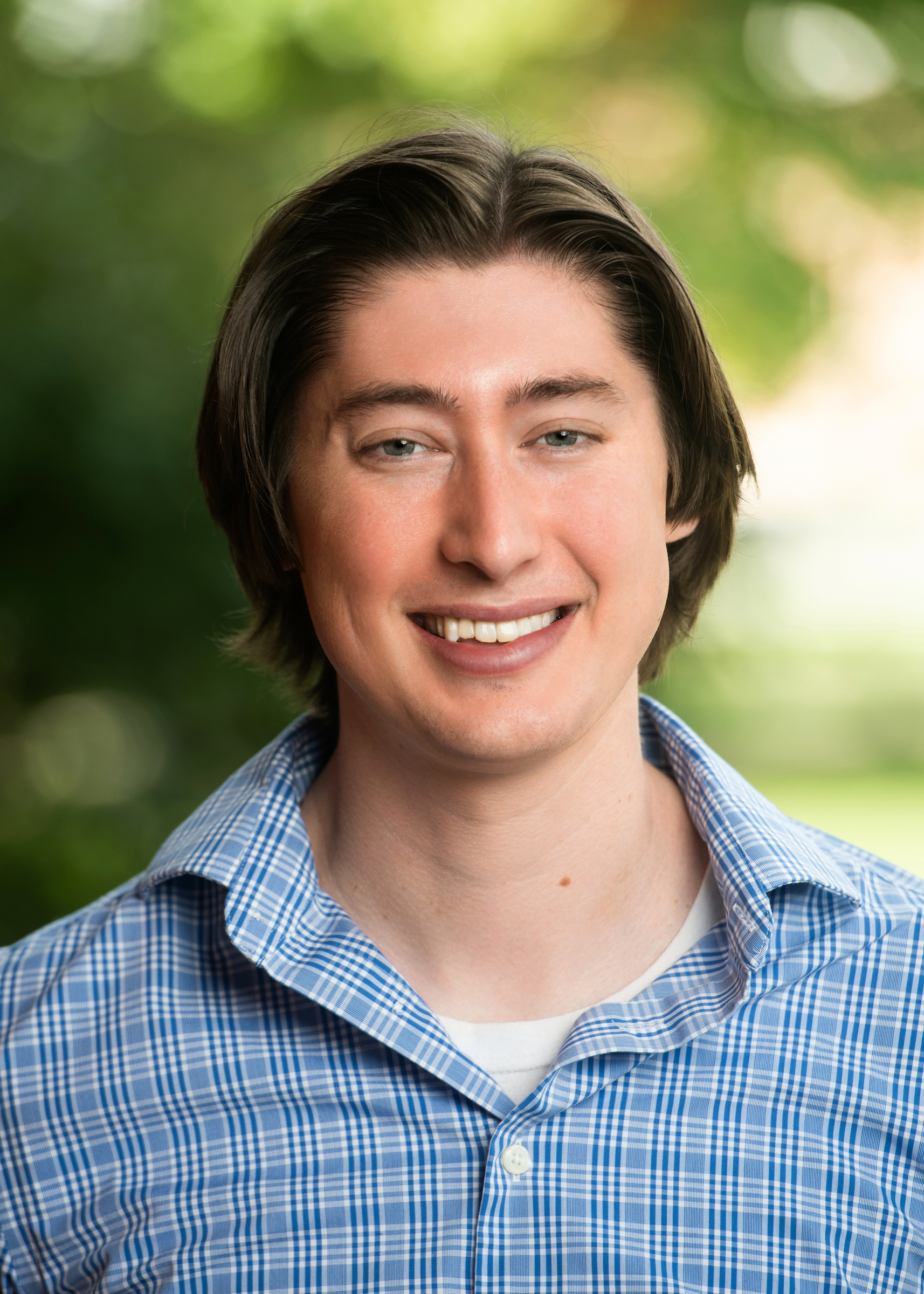
Montclair State University, New Jersey
Heather Hirschfeld is a Professor of English at the University of Tennessee.
Alice Tranah grew up in Cambridge and, after studying history at University, fell delightely into life as a bookseller, first in London and then here for Cambridge University Press Bookshop.
Canterbury Christ Church University, Kent
Associate Professor in English and Creative Writing, University of Reading
University of Pennsylvania
University of Cambridge
Staff Scientist, Brigham and Women’s Hospital, Department of Neurology with affiliation to The Broad Institute of Harvard and MIT.
Speaking Shakespeare Today
Helen Wilcox, Professor of English at Bangor University
Playing Hesiod
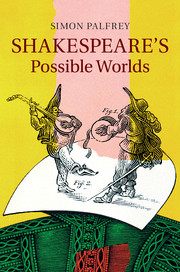
Shakespeare’s Possible Worlds
The Cambridge Companion to American Civil Rights Literature
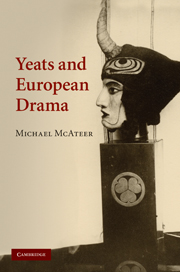
Yeats and European Drama
Nineteenth-Century American Literature and the Long Civil War
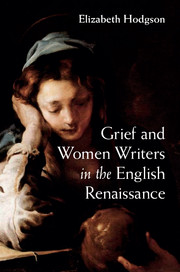
Grief and Women Writers in the English Renaissance
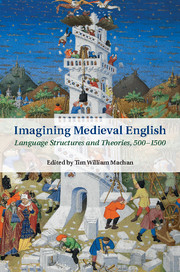
Imagining Medieval English
The Cambridge Companion to French Literature
The Cambridge Introduction to Theatre and Literature of the Absurd
Paul Salzman is Emeritus Professor of English at La Trobe University, Australia.
Sarah C. E. Ross is Senior Lecturer in the English Programme, at Victoria University of Wellington.
Stuart Sillars is Professor of English at the University of Bergen, Norway.
Dictionary of Irish Biography
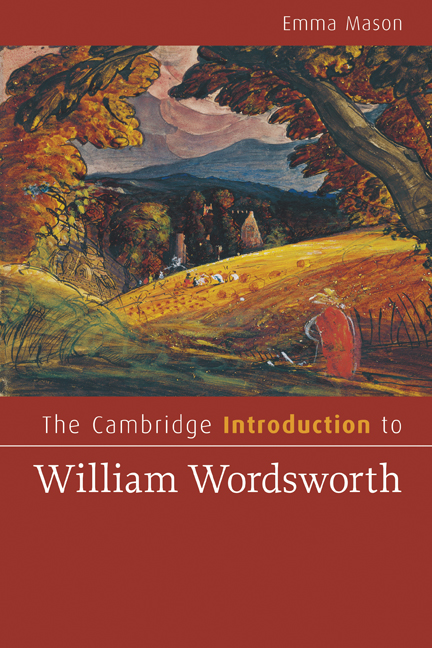
The Cambridge Introduction to William Wordsworth
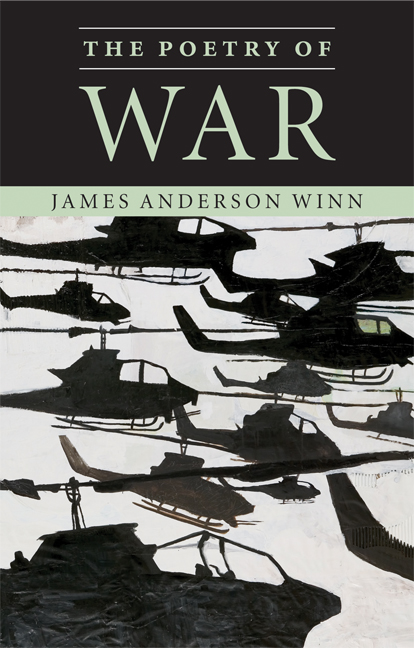
The Poetry of War
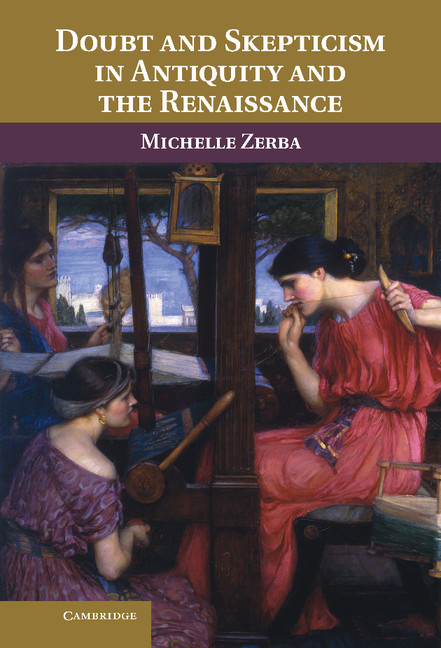
Doubt and Skepticism in Antiquity and the Renaissance
Marketing associate
You Know what I Mean?
Samuel Johnson, the Ossian Fraud, and the Celtic Revival in Great Britain and Ireland
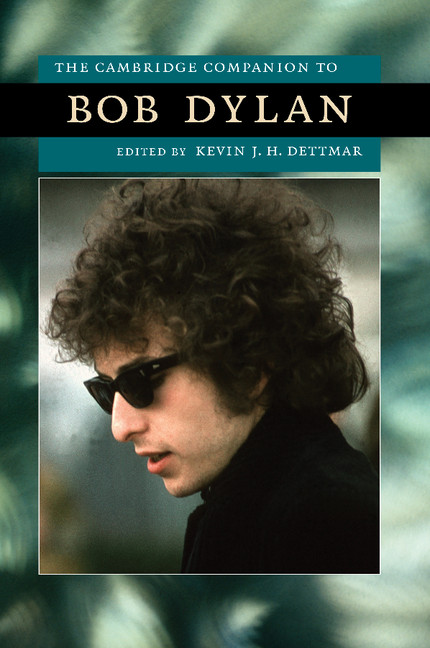
The Cambridge Companion to Bob Dylan
Japan Rising
The Cambridge Companion to Baseball
Library marketing associate
College Marketing Associate
The Cambridge Companion to Baseball
Publicist
London: A Social and Cultural History, 1550–1750
The American 1930s
The Places of Wit in Early Modern English Comedy
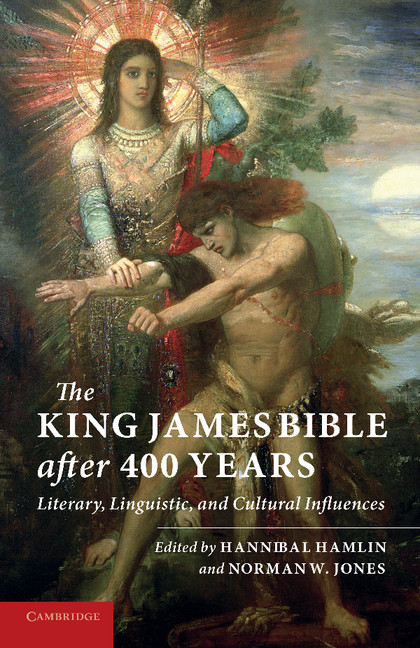
The King James Bible after Four Hundred Years
The Cambridge Companion to Creative Writing
London: A Social and Cultural History, 1550-1750
The Cambridge Introduction to Charles Dickens
Publicist
Associate director of sales and marketing
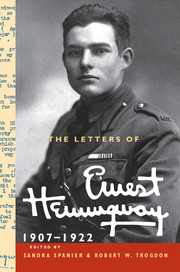
The Letters of Ernest Hemingway, Volume 1
Assistant sales manager
Senior Inbound Marketing Executive
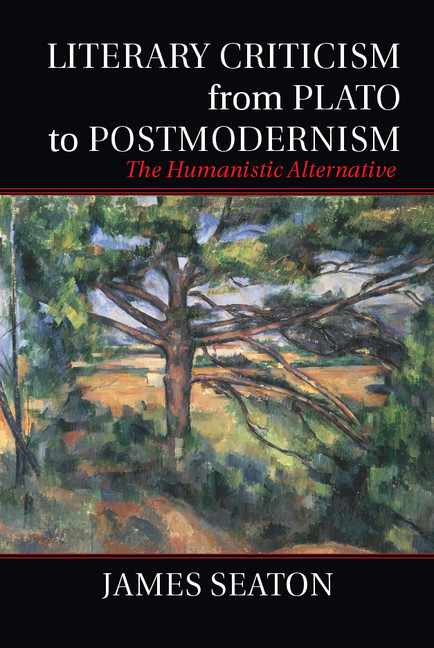
Literary Criticism from Plato to Postmodernism
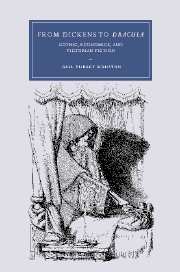
From Dickens To Dracula
A Reference Grammar of French
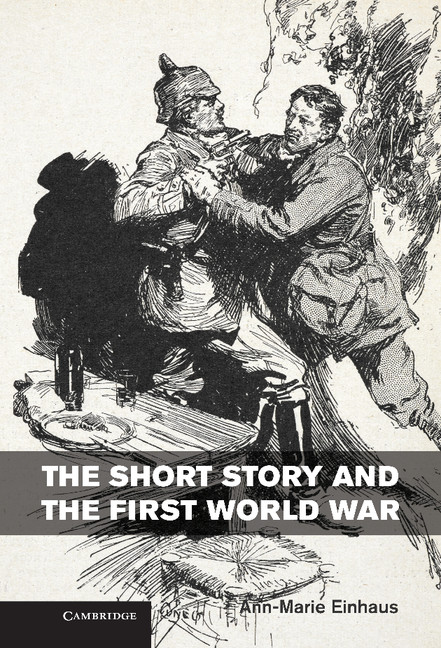
The Short Story and the First World War
Mrs Dalloway
Gender and Race in Antebellum Popular Culture
The Cambridge Companion to Modernist Culture
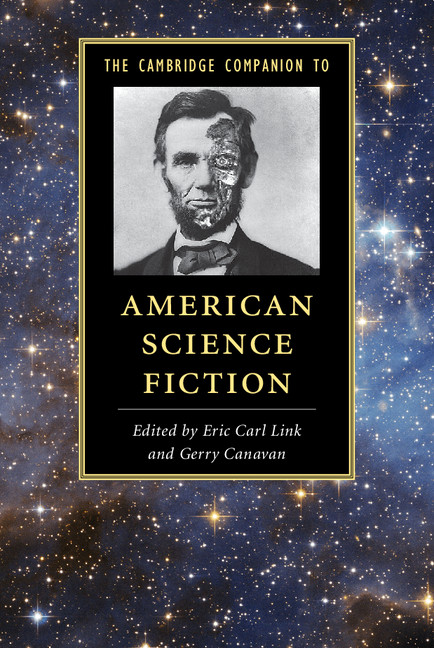
The Cambridge Companion to American Science Fiction
Popular Literature, Authorship, and the Occult in Late Victorian Britain
Paradise Lost and the Cosmological Revolution
Ovid and Hesiod
Reading and Writing during the Dissolution
Cambridge Companion to Popular Fiction
Publisher
The Cambridge Companion to \'Pride and Prejudice\'
The Cambridge Companion to Football
Failure and the American Writer
Eating and Ethics in Shakespeare\\\\\\\'s England
To receive updates on Literature news from Cambridge University Press and Fifteen Eighty Four, please join our email list below. We will not disclose your email address to any third party