In Camus’s The Plague (1947), two Frenchmen in the Algerian town of Oran “gazed down at what was a dramatic picture of their life in those days: plague on the stage in the guise of a disarticulated mummer.” An actor has passed away mid-performance. As he plays the role of ill-fated Orpheus, plague overtakes him […]
Read MoreWhen Freud first glimpsed the Statue of Liberty in New York harbor in 1909, he remarked to Jung, ‘They don’t realize we’re bringing them the plague.’ Freud felt certain the Americans would reject his theories. The double irony in his statement, however, is that though Americans at the turn of the century would resist his […]
Read MoreMexico City is no stranger to the Apocalypse. Carlos Monsiváis, one of its famous chroniclers, often used the term to depict the experience of living in this most surreal of world capitals. In the 1990s, Monsiváis coined the term “post-apocalyptic” to account for life in the megalopolis that emerged after decades of booming and chaotic […]
Read MoreI like to think that much of what this book offers – Irish Literature in Transition, 1700-1780 – is suggested in the image which illustrates its dust-jacket: an engraved copy of Philip Mercier’s painting of the Irish actor Robert Wilks in the part of Captain Plume in Farquhar’s The Recruiting Officer (1706). Both actor and […]
Read MoreOne of the most salient ways in which people of Asian ancestry in the United States (as in many other places) have been racialized is being perceived as foreigners. They’ve just always stood out as being from somewhere else, and not really fitting into the societies they may have lived their whole lives in. And […]
Read MoreThinking with Marx breeds shared projects. Over the last year and a half we have been co-editing a collection of essays on 21st-century Marxist literary criticism, and this winter, in order to prepare to write the introduction to that book, we set out to tandem- teach undergraduate courses on the first volume of Capital at […]
Read MoreAsk someone what comes to mind when they hear the word ‘apocalypse’. The end of time? Images of cataclysmic destruction? Catastrophic climate change and worldwide devastation brought on by a neglectful human race? A divine irruption into the fabric of human history to punish the wicked and bring justice to the righteous? The ‘Number of […]
Read MoreMary Shelley’s 1826 novel about a mysterious pandemic that obliterates human beings attracted attention during the advent of AIDS in the 1980s and 1990s; once again The Last Man has a sad currency. Her reflection in her ‘Journal of Sorrow’, ‘The last man! Yes, I may well describe that solitary being’s feelings, feeling myself as […]
Read MoreIn Camus’s The Plague (1947), two Frenchmen in the Algerian town of Oran “gazed down at what was a dramatic picture of their life in those days: plague on the stage in the guise of a disarticulated mummer.” An actor has passed away mid-performance. As he plays the role of ill-fated Orpheus, plague overtakes him […]
Read MoreWhen Freud first glimpsed the Statue of Liberty in New York harbor in 1909, he remarked to Jung, ‘They don’t realize we’re bringing them the plague.’ Freud felt certain the Americans would reject his theories. The double irony in his statement, however, is that though Americans at the turn of the century would resist his […]
Read MoreMexico City is no stranger to the Apocalypse. Carlos Monsiváis, one of its famous chroniclers, often used the term to depict the experience of living in this most surreal of world capitals. In the 1990s, Monsiváis coined the term “post-apocalyptic” to account for life in the megalopolis that emerged after decades of booming and chaotic […]
Read MoreI like to think that much of what this book offers – Irish Literature in Transition, 1700-1780 – is suggested in the image which illustrates its dust-jacket: an engraved copy of Philip Mercier’s painting of the Irish actor Robert Wilks in the part of Captain Plume in Farquhar’s The Recruiting Officer (1706). Both actor and […]
Read MoreOne of the most salient ways in which people of Asian ancestry in the United States (as in many other places) have been racialized is being perceived as foreigners. They’ve just always stood out as being from somewhere else, and not really fitting into the societies they may have lived their whole lives in. And […]
Read MoreThinking with Marx breeds shared projects. Over the last year and a half we have been co-editing a collection of essays on 21st-century Marxist literary criticism, and this winter, in order to prepare to write the introduction to that book, we set out to tandem- teach undergraduate courses on the first volume of Capital at […]
Read MoreAsk someone what comes to mind when they hear the word ‘apocalypse’. The end of time? Images of cataclysmic destruction? Catastrophic climate change and worldwide devastation brought on by a neglectful human race? A divine irruption into the fabric of human history to punish the wicked and bring justice to the righteous? The ‘Number of […]
Read MoreMary Shelley’s 1826 novel about a mysterious pandemic that obliterates human beings attracted attention during the advent of AIDS in the 1980s and 1990s; once again The Last Man has a sad currency. Her reflection in her ‘Journal of Sorrow’, ‘The last man! Yes, I may well describe that solitary being’s feelings, feeling myself as […]
Read MoreKeep up with the latest from Cambridge University Press on our social media accounts.
Johan Adam Warodell is the author of the monograph Conrad’s Decentered Fiction (Cambridge University Press 2022) and numerous articles on Joseph Conrad. He is a Trustee of the Joseph Conrad Society of America and a Research Associate at the University of Sussex.
Montclair State University, New Jersey
Heather Hirschfeld is a Professor of English at the University of Tennessee.
Alice Tranah grew up in Cambridge and, after studying history at University, fell delightely into life as a bookseller, first in London and then here for Cambridge University Press Bookshop.
Canterbury Christ Church University, Kent
Associate Professor in English and Creative Writing, University of Reading
University of Pennsylvania
University of Cambridge
Staff Scientist, Brigham and Women’s Hospital, Department of Neurology with affiliation to The Broad Institute of Harvard and MIT.
Speaking Shakespeare Today
Helen Wilcox, Professor of English at Bangor University
Playing Hesiod
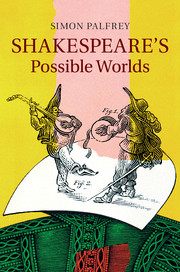
Shakespeare’s Possible Worlds
The Cambridge Companion to American Civil Rights Literature
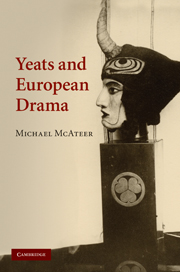
Yeats and European Drama
Nineteenth-Century American Literature and the Long Civil War
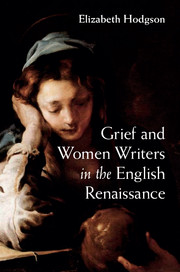
Grief and Women Writers in the English Renaissance
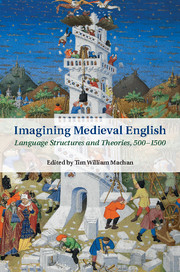
Imagining Medieval English
The Cambridge Companion to French Literature
The Cambridge Introduction to Theatre and Literature of the Absurd
Paul Salzman is Emeritus Professor of English at La Trobe University, Australia.
Sarah C. E. Ross is Senior Lecturer in the English Programme, at Victoria University of Wellington.
Stuart Sillars is Professor of English at the University of Bergen, Norway.
Dictionary of Irish Biography
The Cambridge Introduction to William Wordsworth
The Poetry of War
Doubt and Skepticism in Antiquity and the Renaissance
Marketing associate
You Know what I Mean?
Samuel Johnson, the Ossian Fraud, and the Celtic Revival in Great Britain and Ireland
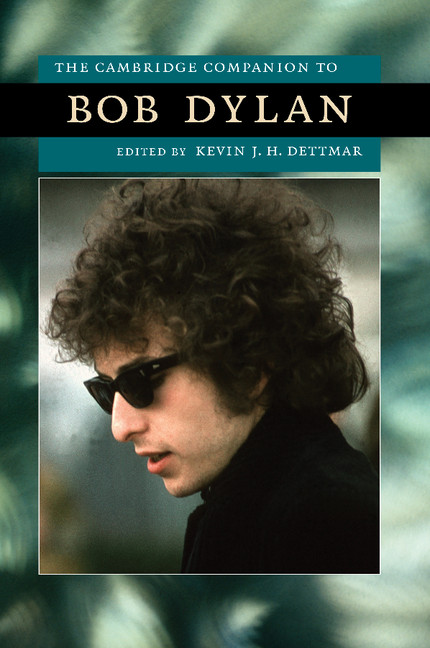
The Cambridge Companion to Bob Dylan
Japan Rising
The Cambridge Companion to Baseball
Library marketing associate
College Marketing Associate
The Cambridge Companion to Baseball
Publicist
London: A Social and Cultural History, 1550–1750
The American 1930s
The Places of Wit in Early Modern English Comedy
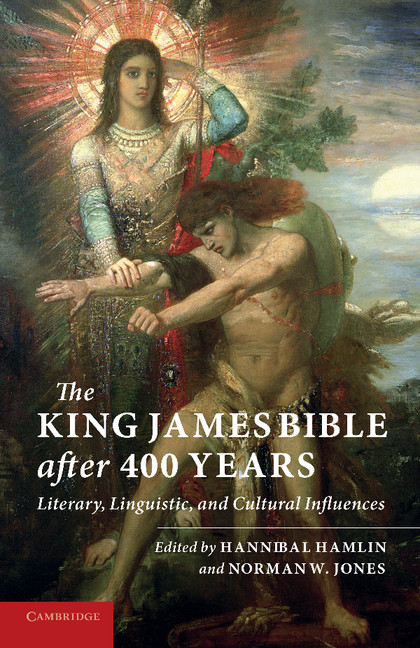
The King James Bible after Four Hundred Years
The Cambridge Companion to Creative Writing
London: A Social and Cultural History, 1550-1750
The Cambridge Introduction to Charles Dickens
Publicist
Associate director of sales and marketing
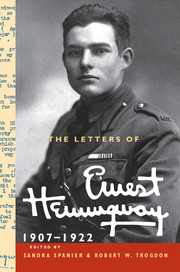
The Letters of Ernest Hemingway, Volume 1
Assistant sales manager
Senior Inbound Marketing Executive
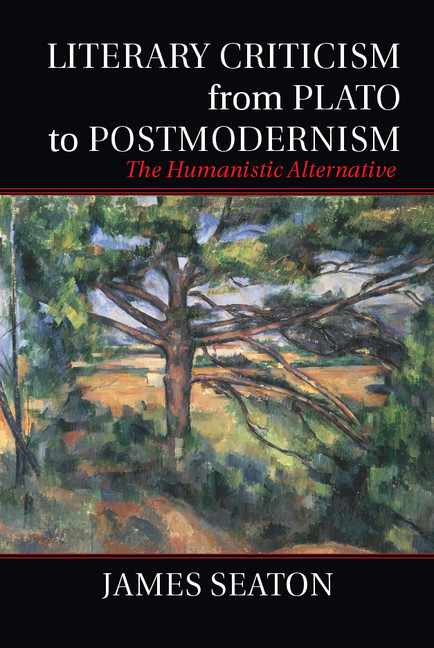
Literary Criticism from Plato to Postmodernism
From Dickens To Dracula
A Reference Grammar of French
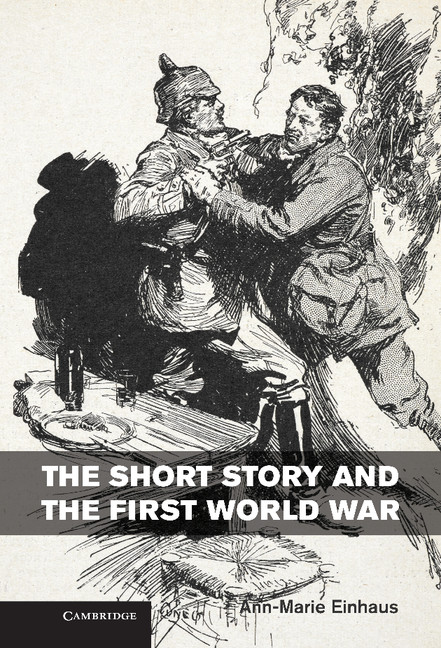
The Short Story and the First World War
Mrs Dalloway
Gender and Race in Antebellum Popular Culture
The Cambridge Companion to Modernist Culture
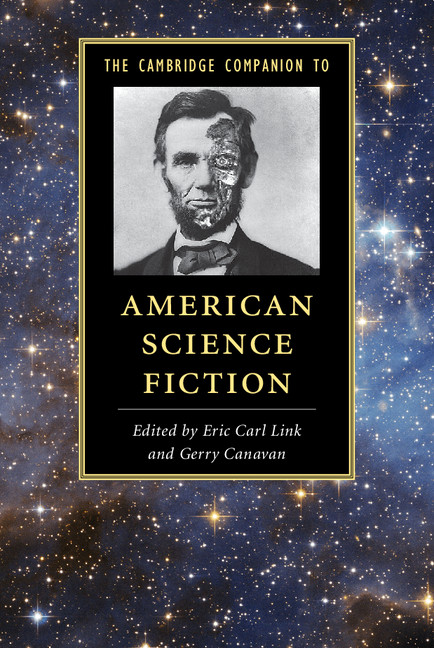
The Cambridge Companion to American Science Fiction
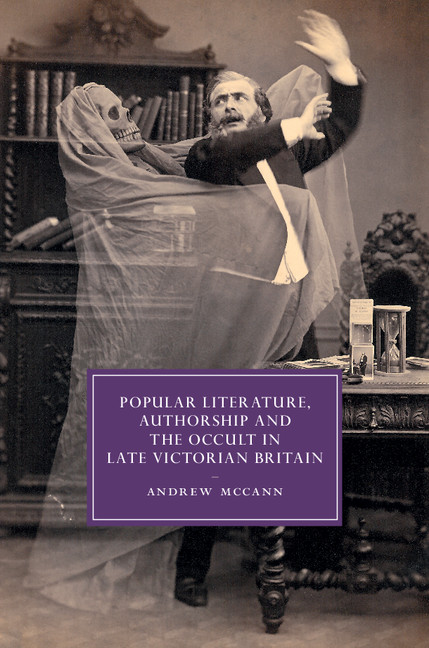
Popular Literature, Authorship, and the Occult in Late Victorian Britain
Paradise Lost and the Cosmological Revolution
Ovid and Hesiod
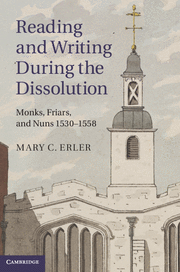
Reading and Writing during the Dissolution
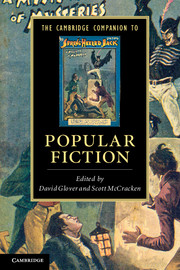
Cambridge Companion to Popular Fiction
Publisher
The Cambridge Companion to \'Pride and Prejudice\'
The Cambridge Companion to Football
Failure and the American Writer
Eating and Ethics in Shakespeare\\\\\\\'s England
To receive updates on Literature news from Cambridge University Press and Fifteen Eighty Four, please join our email list below. We will not disclose your email address to any third party