“To steal a Hint was never known,But what he writ was all his own.” Verses on the Death of Dr Swift, D.S.P.D. Part way through his most famous self-elegy, Jonathan Swift delivers one of the greatest one-line gags in poetry: ‘what he writ was all his own’. The ostensibly proprietorial phrase was brazenly lifted from […]
Read MoreThere are not many good things about this COVID-19 era we are living in. One of the few positive side effects one might celebrate, though, is that it has permitted many of us to rediscover the joys of slowing down and paying attention to things that we have been otherwise thoughtlessly passing by, looking at […]
Read MoreWhen Covid-19 ushered in a new reality and borders began to close in February 2020, I found myself in Prague, the city of Franz Kafka and Václav Havel. Rather suitable companions in such strange and absurd times, I thought. But somehow too obvious. Indeed, for the older citizens of Prague (and of course the Czech […]
Read MoreThe invitation that we received to conceptualise and edit the multi-volume The Cambridge History of the Gothic in 2015 was both exciting and daunting: exciting insofar as it provided a unique and privileged opportunity to make crucial, field-defining interventions in the realm of Gothic Studies, yet daunting since, all practical and logistical considerations aside, we […]
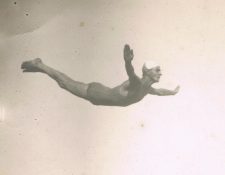
Read MoreEven in this strangest of summers, when social distancing leaves us feeling we’re living in suspended animation, the art of the dive can teach us about poise and exploration—the walk to the edge, the glance down into faraway water, the prickle of fear, the headlong leap, the thrill of hurtling through air, and, finally, the […]
Read MoreTo those familiar with the Shakespeare-laden shelves of modern bookshops, it may come as a surprise to learn of the existence of Bel-vedére, or The Garden of the Muses. Published in 1600, it is no doubt the only early modern book containing a significant amount of verse by Shakespeare that has not been edited since […]

Read MoreOne of the strangest scenes in William Cowper’s long, digressive The Task (1785) occurs halfway through the poem’s sixth and final book. In previous books, Cowper’s masterpiece ruminates at length on topics as diverse as his pet hares, the proper way to raise cucumbers, and, more seriously, Cowper’s sense that England is completely falling apart. […]
Read MoreIn common with many other people, the months of near-lockdown find us reflecting on our previous experiences and work. As scholars working on literatures of mobility, this means thinking in particular about our own and others’ travels, how journeys are written about, and how academics study them. We share the irony noted in recent articles […]
Read More“To steal a Hint was never known,But what he writ was all his own.” Verses on the Death of Dr Swift, D.S.P.D. Part way through his most famous self-elegy, Jonathan Swift delivers one of the greatest one-line gags in poetry: ‘what he writ was all his own’. The ostensibly proprietorial phrase was brazenly lifted from […]
Read MoreThere are not many good things about this COVID-19 era we are living in. One of the few positive side effects one might celebrate, though, is that it has permitted many of us to rediscover the joys of slowing down and paying attention to things that we have been otherwise thoughtlessly passing by, looking at […]
Read MoreWhen Covid-19 ushered in a new reality and borders began to close in February 2020, I found myself in Prague, the city of Franz Kafka and Václav Havel. Rather suitable companions in such strange and absurd times, I thought. But somehow too obvious. Indeed, for the older citizens of Prague (and of course the Czech […]
Read MoreThe invitation that we received to conceptualise and edit the multi-volume The Cambridge History of the Gothic in 2015 was both exciting and daunting: exciting insofar as it provided a unique and privileged opportunity to make crucial, field-defining interventions in the realm of Gothic Studies, yet daunting since, all practical and logistical considerations aside, we […]
Read MoreEven in this strangest of summers, when social distancing leaves us feeling we’re living in suspended animation, the art of the dive can teach us about poise and exploration—the walk to the edge, the glance down into faraway water, the prickle of fear, the headlong leap, the thrill of hurtling through air, and, finally, the […]
Read MoreTo those familiar with the Shakespeare-laden shelves of modern bookshops, it may come as a surprise to learn of the existence of Bel-vedére, or The Garden of the Muses. Published in 1600, it is no doubt the only early modern book containing a significant amount of verse by Shakespeare that has not been edited since […]
Read MoreOne of the strangest scenes in William Cowper’s long, digressive The Task (1785) occurs halfway through the poem’s sixth and final book. In previous books, Cowper’s masterpiece ruminates at length on topics as diverse as his pet hares, the proper way to raise cucumbers, and, more seriously, Cowper’s sense that England is completely falling apart. […]
Read MoreIn common with many other people, the months of near-lockdown find us reflecting on our previous experiences and work. As scholars working on literatures of mobility, this means thinking in particular about our own and others’ travels, how journeys are written about, and how academics study them. We share the irony noted in recent articles […]
Read MoreKeep up with the latest from Cambridge University Press on our social media accounts.
Johan Adam Warodell is the author of the monograph Conrad’s Decentered Fiction (Cambridge University Press 2022) and numerous articles on Joseph Conrad. He is a Trustee of the Joseph Conrad Society of America and a Research Associate at the University of Sussex.
Montclair State University, New Jersey
Heather Hirschfeld is a Professor of English at the University of Tennessee.
Alice Tranah grew up in Cambridge and, after studying history at University, fell delightely into life as a bookseller, first in London and then here for Cambridge University Press Bookshop.
University of Bristol
Canterbury Christ Church University, Kent
Associate Professor in English and Creative Writing, University of Reading
University of Pennsylvania
Staff Scientist, Brigham and Women’s Hospital, Department of Neurology with affiliation to The Broad Institute of Harvard and MIT.
Speaking Shakespeare Today
Helen Wilcox, Professor of English at Bangor University
Playing Hesiod
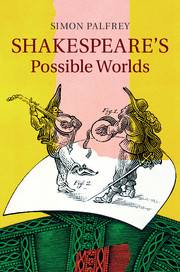
Shakespeare’s Possible Worlds
The Cambridge Companion to American Civil Rights Literature
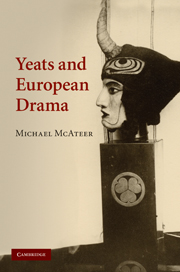
Yeats and European Drama
Nineteenth-Century American Literature and the Long Civil War
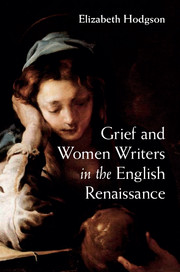
Grief and Women Writers in the English Renaissance
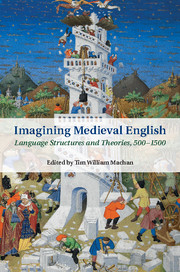
Imagining Medieval English
The Cambridge Companion to French Literature
The Cambridge Introduction to Theatre and Literature of the Absurd
Paul Salzman is Emeritus Professor of English at La Trobe University, Australia.
Sarah C. E. Ross is Senior Lecturer in the English Programme, at Victoria University of Wellington.
Stuart Sillars is Professor of English at the University of Bergen, Norway.
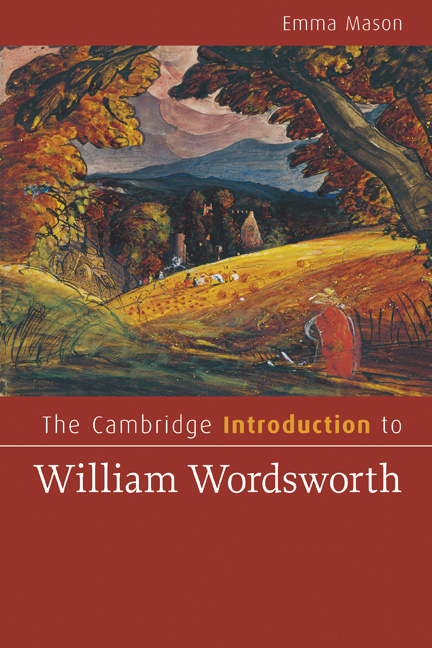
The Cambridge Introduction to William Wordsworth
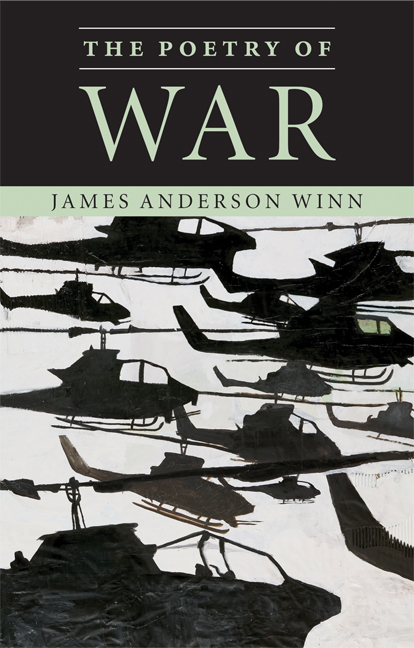
The Poetry of War
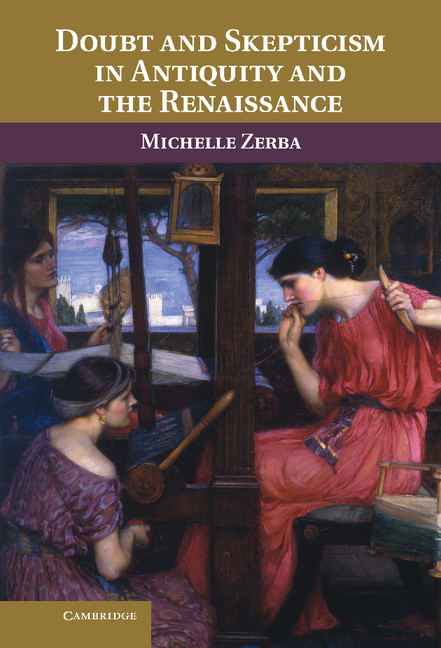
Doubt and Skepticism in Antiquity and the Renaissance
Marketing associate
You Know what I Mean?
Samuel Johnson, the Ossian Fraud, and the Celtic Revival in Great Britain and Ireland
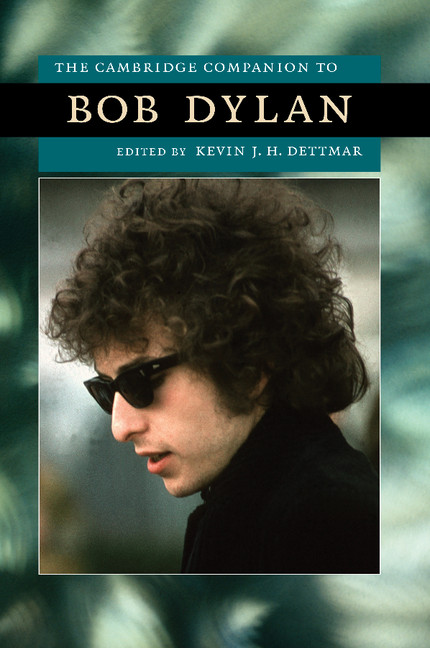
The Cambridge Companion to Bob Dylan
Japan Rising
The Cambridge Companion to Baseball
Library marketing associate
College Marketing Associate
The Cambridge Companion to Baseball
Publicist
London: A Social and Cultural History, 1550–1750
The American 1930s
The Places of Wit in Early Modern English Comedy
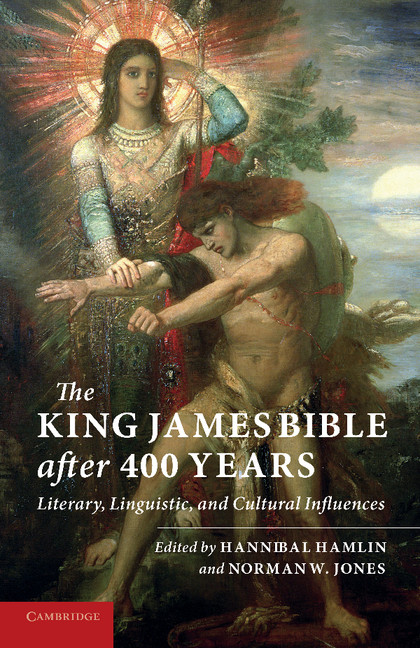
The King James Bible after Four Hundred Years
The Cambridge Companion to Creative Writing
London: A Social and Cultural History, 1550-1750
The Cambridge Introduction to Charles Dickens
Publicist
Associate director of sales and marketing
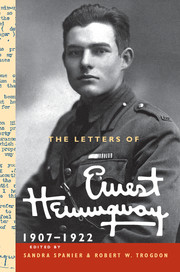
The Letters of Ernest Hemingway, Volume 1
Assistant sales manager
Senior Inbound Marketing Executive
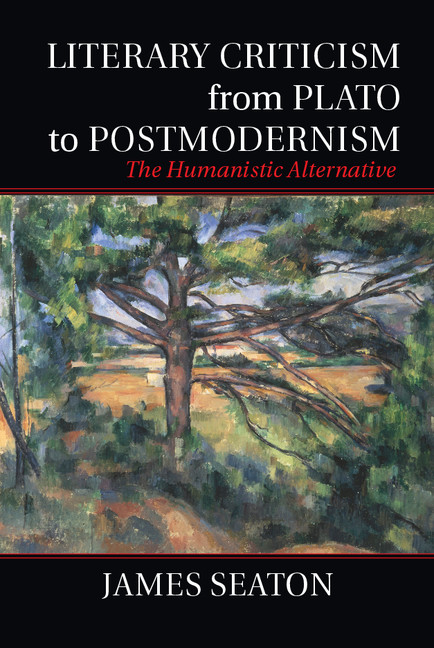
Literary Criticism from Plato to Postmodernism
From Dickens To Dracula
A Reference Grammar of French
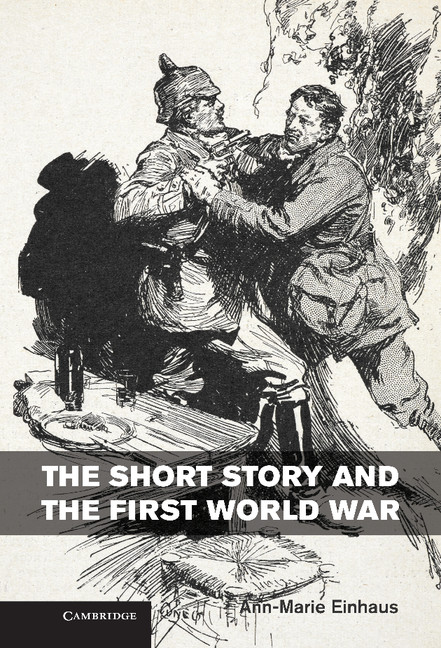
The Short Story and the First World War
Mrs Dalloway
Gender and Race in Antebellum Popular Culture
The Cambridge Companion to Modernist Culture
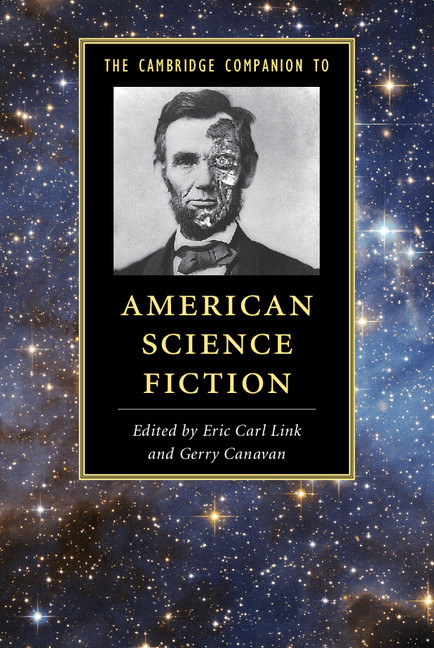
The Cambridge Companion to American Science Fiction
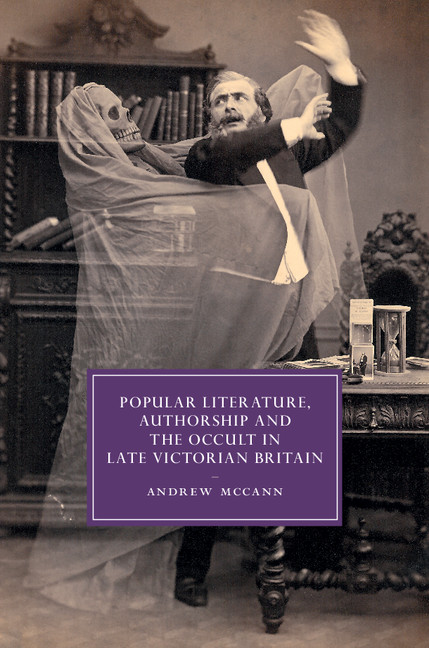
Popular Literature, Authorship, and the Occult in Late Victorian Britain
Paradise Lost and the Cosmological Revolution
Ovid and Hesiod
Reading and Writing during the Dissolution
Cambridge Companion to Popular Fiction
Publisher
The Cambridge Companion to \'Pride and Prejudice\'
The Cambridge Companion to Football
Failure and the American Writer
Eating and Ethics in Shakespeare\\\\\\\'s England
To receive updates on Literature news from Cambridge University Press and Fifteen Eighty Four, please join our email list below. We will not disclose your email address to any third party