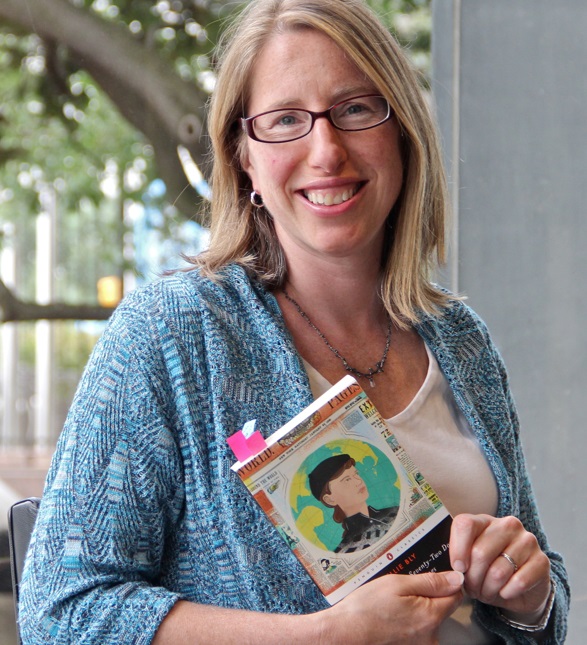
Writing a book about John Steinbeck has many twists and turns, but something I never expected was to go viral in the process. I was interviewed by Dalya Alberge for The Guardian/The Observer about my interest in Steinbeck, but then the story was picked up by The New York Times and a host of other […]
Read MoreThese are not the days when most educators would be inclined to turn to a writer with the profile of Wallace Stevens (1879-1955). A Eurocentric white male upper-middle-class poet, academically installed during those years when canons were unthinkingly composed of such figures. A reserved lawyer who rose to the position of vice president of a […]
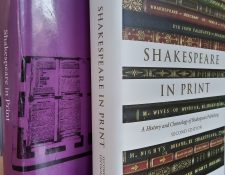
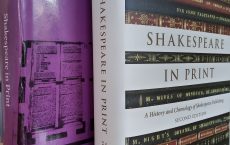
Read MoreMy study of the history of Shakespeare publishing and editing, Shakespeare in Print, first appeared in 2003. In recent years, it has come to feel that the book was in need of significant updating and revision, for two main reasons. Firstly, a broad range of exciting new work – often authored by younger scholars – […]
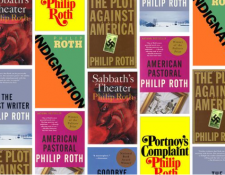
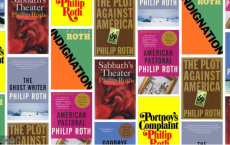
Read More“Sheer Playfulness and Deadly Seriousness are my closest friends,” Philip Roth once famously said of his own work. The enduring appeal of this assertion derives in part from the fact that it so accurately captures the tone of Roth’s work: wry humor mingled with an unflinching appraisal of American life, satirical but compassionate treatment of […]
Read MoreHow did Canadian fiction, essentially a late-nineteenth-century/early-twentieth-century creation, come to be a major avenue of world fiction in little more than one hundred years? More than a century ago, a few fiction writers published highly regarded and incredibly popular books. Writers such as Ernest Thompson Seton and Marshall Saunders, Ralph Connor and Stephen […]
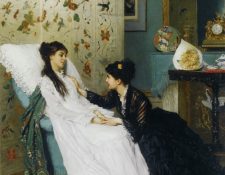
Read MoreTo be convalescent, in the nineteenth century, was to have survived a medical crisis and to be still picking up the pieces. The category of convalescence could be applied to the survival of all kinds of traumatic medical experiences—a brush with death in a cholera epidemic, an emergency amputation, even a mental health crisis. Convalescents […]
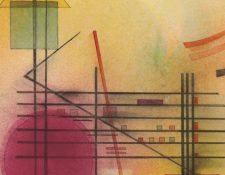
Read MoreWhy does art even have a history, asked Ernst Gombrich in his classic book Art and Illusion? We might suppose, for instance, that everyone’s pictures would be different, a stylistic jumble resulting from varying competencies, individual desires, local preoccupations. Or to the contrary, we might assume that they would be basically the same, the way […]
Read MoreBack in the 1700s, the first performance of an actor in the patent theatres would often be under some anonymous title like ‘A Gentleman (who never appear’d on any stage)’. Sometimes, actors even pushed this a bit further, and maintained a kind of pseudo-anonymity in later performances, using titles like ‘the Gentleman who perform’d King […]
Read MoreWriting a book about John Steinbeck has many twists and turns, but something I never expected was to go viral in the process. I was interviewed by Dalya Alberge for The Guardian/The Observer about my interest in Steinbeck, but then the story was picked up by The New York Times and a host of other […]
Read MoreThese are not the days when most educators would be inclined to turn to a writer with the profile of Wallace Stevens (1879-1955). A Eurocentric white male upper-middle-class poet, academically installed during those years when canons were unthinkingly composed of such figures. A reserved lawyer who rose to the position of vice president of a […]
Read MoreMy study of the history of Shakespeare publishing and editing, Shakespeare in Print, first appeared in 2003. In recent years, it has come to feel that the book was in need of significant updating and revision, for two main reasons. Firstly, a broad range of exciting new work – often authored by younger scholars – […]
Read More“Sheer Playfulness and Deadly Seriousness are my closest friends,” Philip Roth once famously said of his own work. The enduring appeal of this assertion derives in part from the fact that it so accurately captures the tone of Roth’s work: wry humor mingled with an unflinching appraisal of American life, satirical but compassionate treatment of […]
Read MoreHow did Canadian fiction, essentially a late-nineteenth-century/early-twentieth-century creation, come to be a major avenue of world fiction in little more than one hundred years? More than a century ago, a few fiction writers published highly regarded and incredibly popular books. Writers such as Ernest Thompson Seton and Marshall Saunders, Ralph Connor and Stephen […]
Read MoreTo be convalescent, in the nineteenth century, was to have survived a medical crisis and to be still picking up the pieces. The category of convalescence could be applied to the survival of all kinds of traumatic medical experiences—a brush with death in a cholera epidemic, an emergency amputation, even a mental health crisis. Convalescents […]
Read MoreWhy does art even have a history, asked Ernst Gombrich in his classic book Art and Illusion? We might suppose, for instance, that everyone’s pictures would be different, a stylistic jumble resulting from varying competencies, individual desires, local preoccupations. Or to the contrary, we might assume that they would be basically the same, the way […]
Read MoreBack in the 1700s, the first performance of an actor in the patent theatres would often be under some anonymous title like ‘A Gentleman (who never appear’d on any stage)’. Sometimes, actors even pushed this a bit further, and maintained a kind of pseudo-anonymity in later performances, using titles like ‘the Gentleman who perform’d King […]
Read MoreKeep up with the latest from Cambridge University Press on our social media accounts.
Johan Adam Warodell is the author of the monograph Conrad’s Decentered Fiction (Cambridge University Press 2022) and numerous articles on Joseph Conrad. He is a Trustee of the Joseph Conrad Society of America and a Research Associate at the University of Sussex.

Montclair State University, New Jersey
Heather Hirschfeld is a Professor of English at the University of Tennessee.
Alice Tranah grew up in Cambridge and, after studying history at University, fell delightely into life as a bookseller, first in London and then here for Cambridge University Press Bookshop.
University of Bristol
Canterbury Christ Church University, Kent
Associate Professor in English and Creative Writing, University of Reading
University of Pennsylvania
Staff Scientist, Brigham and Women’s Hospital, Department of Neurology with affiliation to The Broad Institute of Harvard and MIT.
Speaking Shakespeare Today
Helen Wilcox, Professor of English at Bangor University
Playing Hesiod
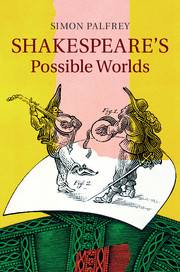
Shakespeare’s Possible Worlds
The Cambridge Companion to American Civil Rights Literature
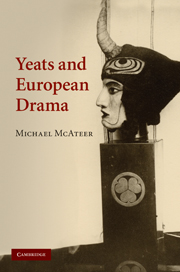
Yeats and European Drama
Nineteenth-Century American Literature and the Long Civil War
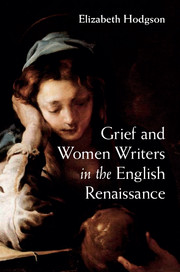
Grief and Women Writers in the English Renaissance
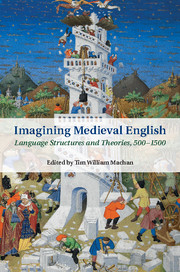
Imagining Medieval English
The Cambridge Companion to French Literature
The Cambridge Introduction to Theatre and Literature of the Absurd
Paul Salzman is Emeritus Professor of English at La Trobe University, Australia.
Sarah C. E. Ross is Senior Lecturer in the English Programme, at Victoria University of Wellington.
Stuart Sillars is Professor of English at the University of Bergen, Norway.
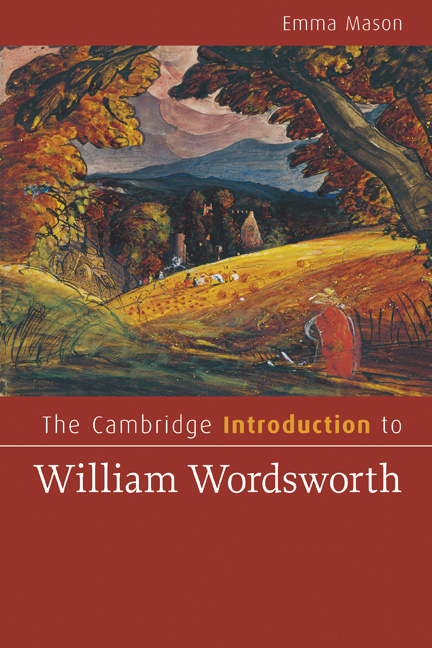
The Cambridge Introduction to William Wordsworth
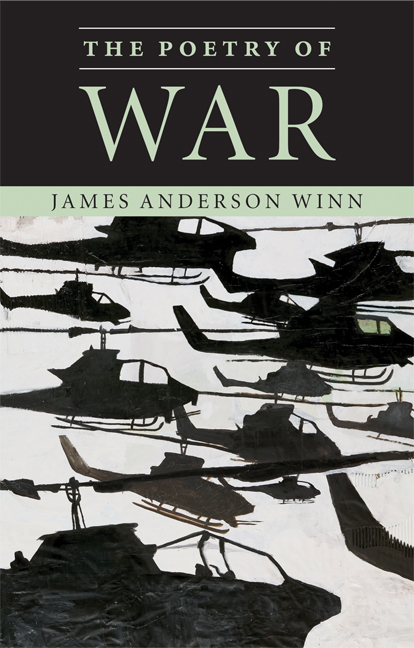
The Poetry of War
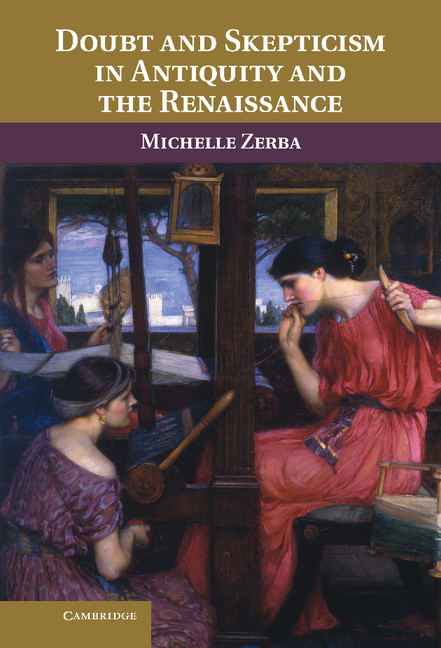
Doubt and Skepticism in Antiquity and the Renaissance
Marketing associate
You Know what I Mean?
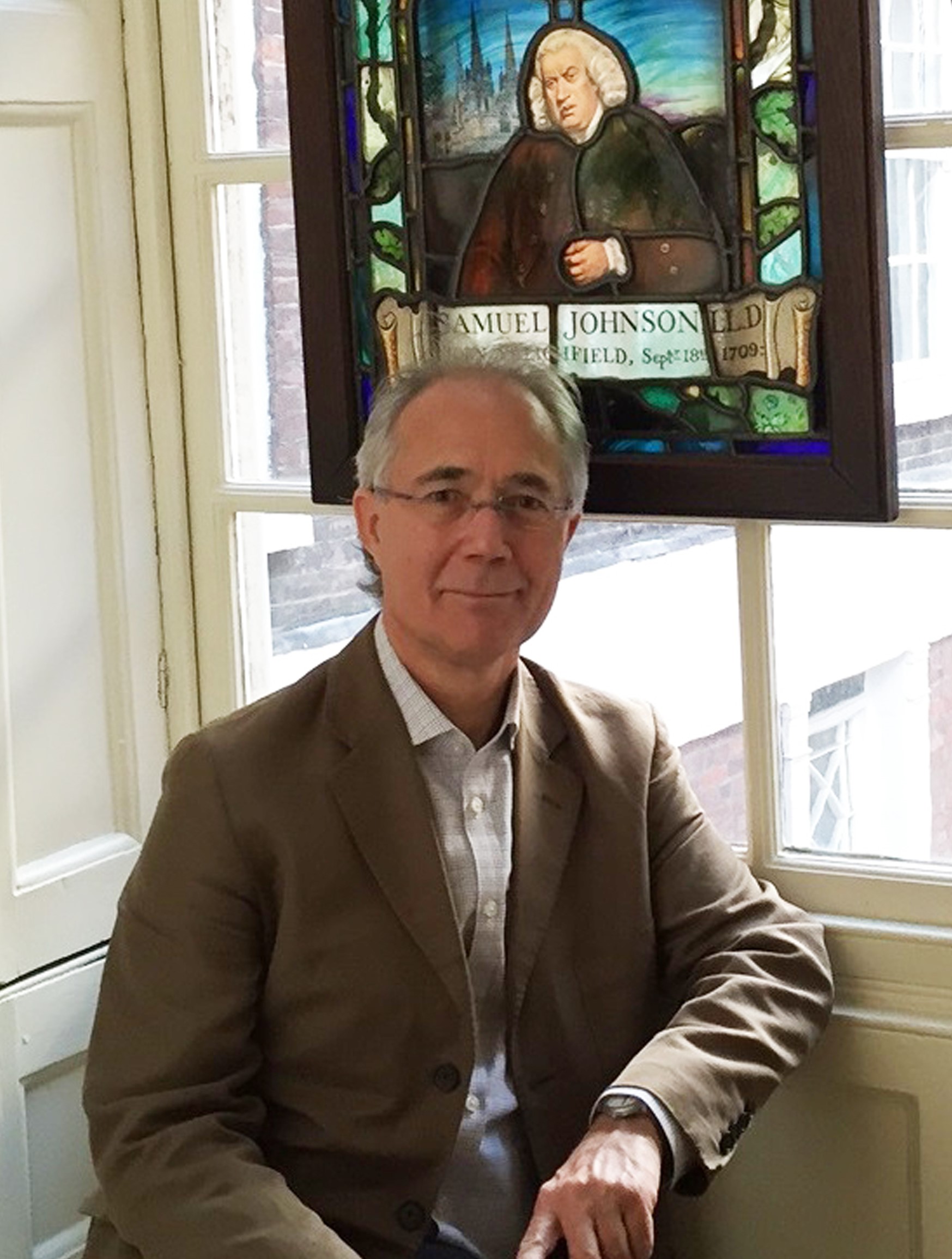
Samuel Johnson, the Ossian Fraud, and the Celtic Revival in Great Britain and Ireland
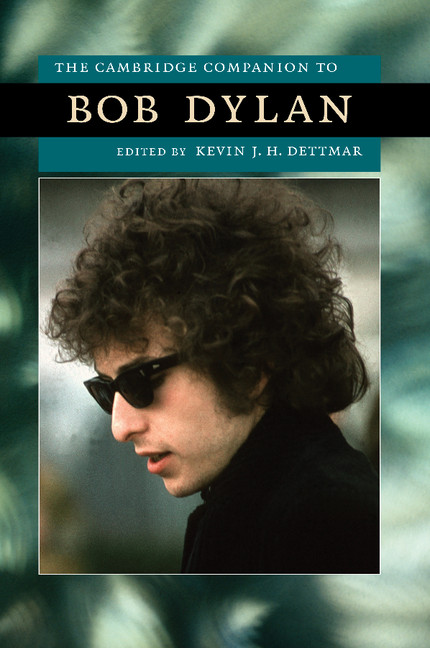
The Cambridge Companion to Bob Dylan
Japan Rising
The Cambridge Companion to Baseball
Library marketing associate
College Marketing Associate
The Cambridge Companion to Baseball
Publicist
London: A Social and Cultural History, 1550–1750
The American 1930s
The Places of Wit in Early Modern English Comedy
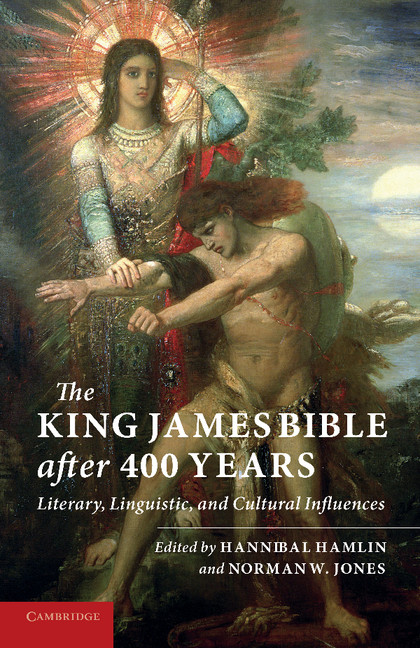
The King James Bible after Four Hundred Years
The Cambridge Companion to Creative Writing
London: A Social and Cultural History, 1550-1750
The Cambridge Introduction to Charles Dickens
Publicist
Associate director of sales and marketing
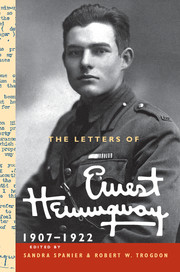
The Letters of Ernest Hemingway, Volume 1
Assistant sales manager
Senior Inbound Marketing Executive
Literary Criticism from Plato to Postmodernism
From Dickens To Dracula
A Reference Grammar of French
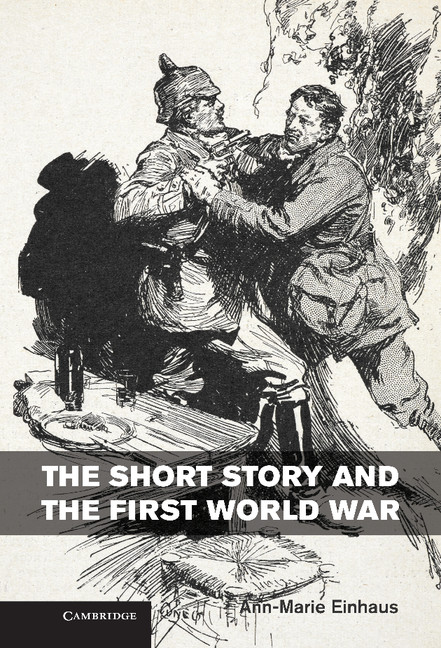
The Short Story and the First World War
Mrs Dalloway
Gender and Race in Antebellum Popular Culture
The Cambridge Companion to Modernist Culture
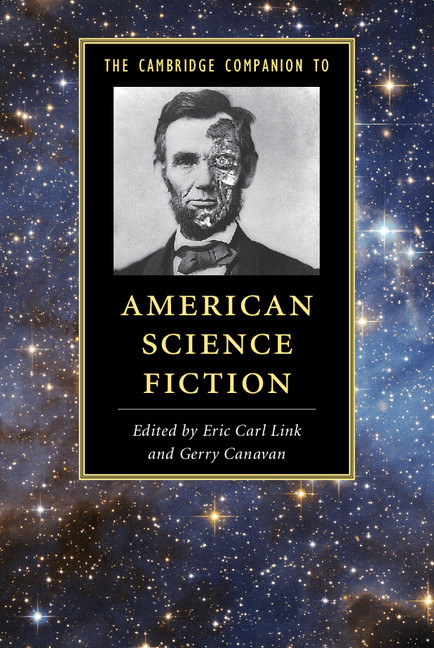
The Cambridge Companion to American Science Fiction
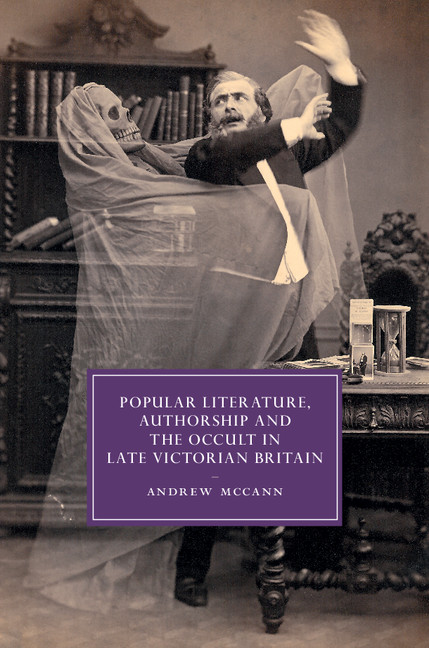
Popular Literature, Authorship, and the Occult in Late Victorian Britain
Paradise Lost and the Cosmological Revolution
Ovid and Hesiod
Reading and Writing during the Dissolution
Cambridge Companion to Popular Fiction
Publisher
The Cambridge Companion to \'Pride and Prejudice\'
The Cambridge Companion to Football
Failure and the American Writer
Eating and Ethics in Shakespeare\\\\\\\'s England
To receive updates on Literature news from Cambridge University Press and Fifteen Eighty Four, please join our email list below. We will not disclose your email address to any third party