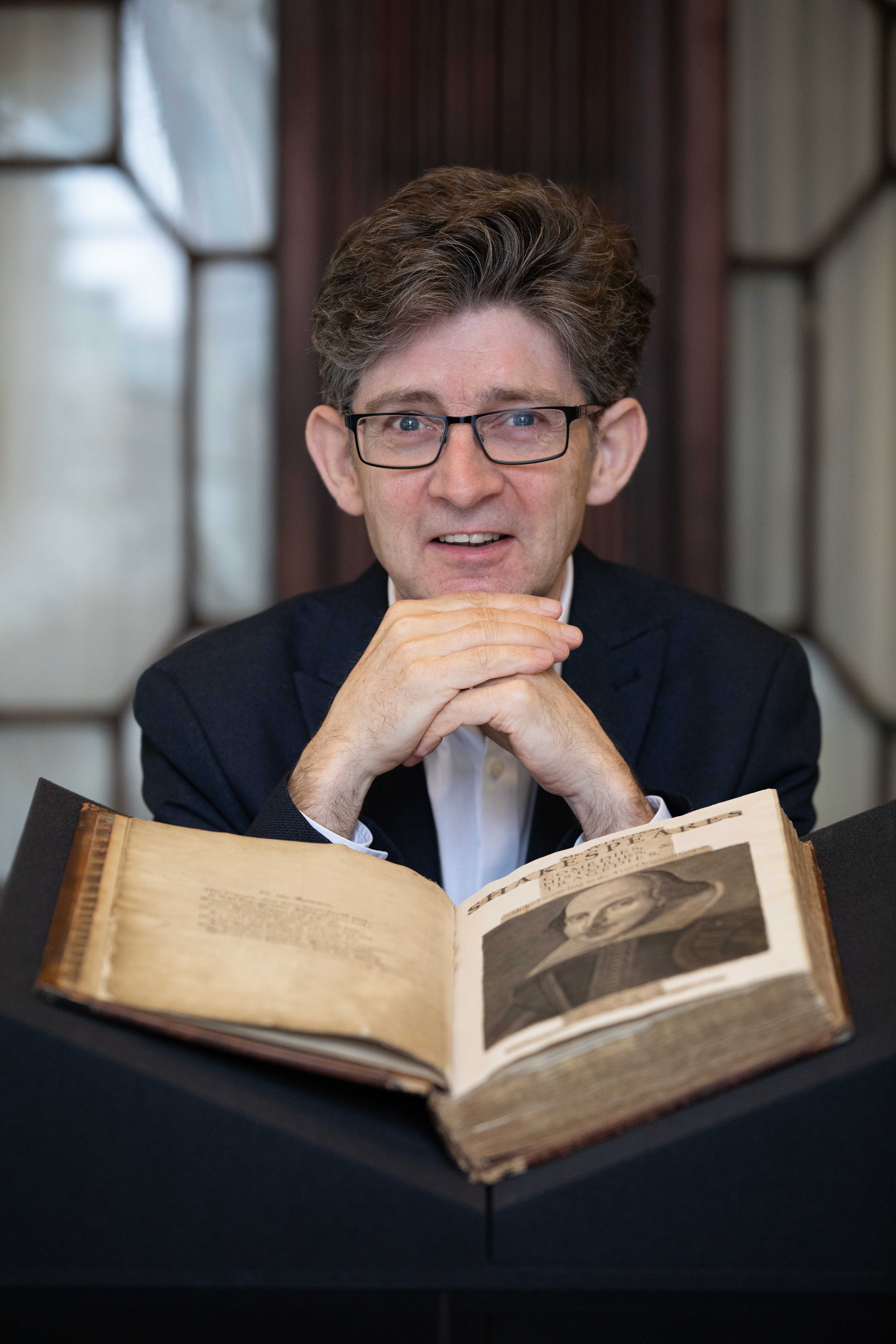
Figure 1: Catalogue from Shakespeare's First Folio (1623; STC 22273). Harry Ransom Center, The University of Texas at Austin. Shelf mark PFORZ 905 PFZ.
Read MoreIn a magazine illustration based on a painting by Louis Katzenstein, Jacob and Wilhelm Grimm sit and listen to the folk tales told by Dorothea Viehmann, an inn-keeper’s daughter who knew a wealth of stories, many of which appeared in the Grimms’ famous collection Children’s and Household Tales. It’s an idealized picture of how an […]
Read MoreReading the changing platforms of Eighteenth Century Collections Online. In Old Books and Digital Publishing: Eighteenth Century Collections Online, I analysed the various interfaces to Gale’s Eighteenth Century Collections Online (ECCO), including Jisc’s Historical Texts as well as Gale’s various platforms. However, since the book was published both Gale and Jisc have modified these interfaces, […]
Read MoreI have the great honor of inaugurating a new series on World Literature at Cambridge University Press. Long, long ago, before I ever dreamed of writing such a book, I was introduced to the debates on world literature through Susan Sontag’s 2005 essay “The World as India.” At the time, I was very much not […]
Read MoreThe English language comes ready-made with the gender-neutral third person pronoun “they,” and a history stretching back before Shakespeare of using it in a singular context for that very purpose. Grammatically speaking, pronouns are a bit trickier in French. There is no gender-neutral third person equivalent of “they” in French. At least there wasn’t, officially, […]
Read MorePolitical astrology is one of those idiosyncratic 18th century genres that seem bizarre to the modern sensibility.[1] Despite this unfamiliarity, I would suggest that a close analogue of political astrology has fiercely reasserted itself in the guise of the so-called “QAnon” conspiracy theory. Initially an obscure phenomenon relegated to the internet demimonde, it gradually began […]
Read MoreWriters looking for guidance as they embark on their first novel or short story will often come across neat formulations – little nuggets of advice that can be easily swallowed: ‘Write what you know’; ‘Show, don’t tell’. Too easily swallowed, perhaps. One of the reasons we wrote The Book You Need to Read to […]
Read MoreSometimes, during research, what appears to be a narrow, well-charted path opens out into a startling vista. In 2016, my PhD supervisor, Anna Snaith, advised me to look at the transcripts of early radio broadcasts that were printed in the BBC magazine The Listener. I had just begun the research for a PhD thesis on […]
Read MoreFigure 1: Catalogue from Shakespeare's First Folio (1623; STC 22273). Harry Ransom Center, The Unive...
Read MoreIn a magazine illustration based on a painting by Louis Katzenstein, Jacob and Wilhelm Grimm sit and listen to the folk tales told by Dorothea Viehmann, an inn-keeper’s daughter who knew a wealth of stories, many of which appeared in the Grimms’ famous collection Children’s and Household Tales. It’s an idealized picture of how an […]
Read MoreReading the changing platforms of Eighteenth Century Collections Online. In Old Books and Digital Publishing: Eighteenth Century Collections Online, I analysed the various interfaces to Gale’s Eighteenth Century Collections Online (ECCO), including Jisc’s Historical Texts as well as Gale’s various platforms. However, since the book was published both Gale and Jisc have modified these interfaces, […]
Read MoreI have the great honor of inaugurating a new series on World Literature at Cambridge University Press. Long, long ago, before I ever dreamed of writing such a book, I was introduced to the debates on world literature through Susan Sontag’s 2005 essay “The World as India.” At the time, I was very much not […]
Read MoreThe English language comes ready-made with the gender-neutral third person pronoun “they,” and a history stretching back before Shakespeare of using it in a singular context for that very purpose. Grammatically speaking, pronouns are a bit trickier in French. There is no gender-neutral third person equivalent of “they” in French. At least there wasn’t, officially, […]
Read MorePolitical astrology is one of those idiosyncratic 18th century genres that seem bizarre to the modern sensibility.[1] Despite this unfamiliarity, I would suggest that a close analogue of political astrology has fiercely reasserted itself in the guise of the so-called “QAnon” conspiracy theory. Initially an obscure phenomenon relegated to the internet demimonde, it gradually began […]
Read MoreWriters looking for guidance as they embark on their first novel or short story will often come across neat formulations – little nuggets of advice that can be easily swallowed: ‘Write what you know’; ‘Show, don’t tell’. Too easily swallowed, perhaps. One of the reasons we wrote The Book You Need to Read to […]
Read MoreSometimes, during research, what appears to be a narrow, well-charted path opens out into a startling vista. In 2016, my PhD supervisor, Anna Snaith, advised me to look at the transcripts of early radio broadcasts that were printed in the BBC magazine The Listener. I had just begun the research for a PhD thesis on […]
Read MoreKeep up with the latest from Cambridge University Press on our social media accounts.
Johan Adam Warodell is the author of the monograph Conrad’s Decentered Fiction (Cambridge University Press 2022) and numerous articles on Joseph Conrad. He is a Trustee of the Joseph Conrad Society of America and a Research Associate at the University of Sussex.
Montclair State University, New Jersey
Heather Hirschfeld is a Professor of English at the University of Tennessee.
Alice Tranah grew up in Cambridge and, after studying history at University, fell delightely into life as a bookseller, first in London and then here for Cambridge University Press Bookshop.
Canterbury Christ Church University, Kent
Associate Professor in English and Creative Writing, University of Reading
University of Pennsylvania
University of Cambridge
Staff Scientist, Brigham and Women’s Hospital, Department of Neurology with affiliation to The Broad Institute of Harvard and MIT.
Speaking Shakespeare Today
Helen Wilcox, Professor of English at Bangor University
Playing Hesiod
Shakespeare’s Possible Worlds
The Cambridge Companion to American Civil Rights Literature
Yeats and European Drama
Nineteenth-Century American Literature and the Long Civil War
Grief and Women Writers in the English Renaissance
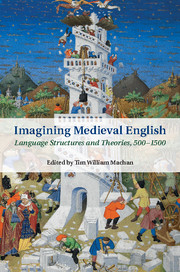
Imagining Medieval English
The Cambridge Companion to French Literature
The Cambridge Introduction to Theatre and Literature of the Absurd
Paul Salzman is Emeritus Professor of English at La Trobe University, Australia.
Sarah C. E. Ross is Senior Lecturer in the English Programme, at Victoria University of Wellington.
Stuart Sillars is Professor of English at the University of Bergen, Norway.
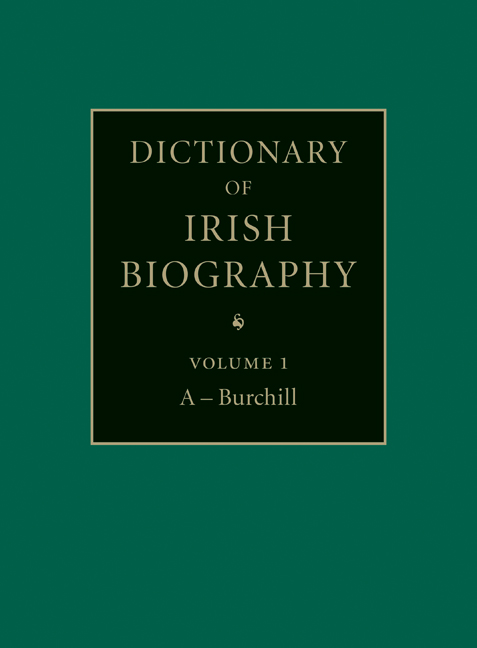
Dictionary of Irish Biography
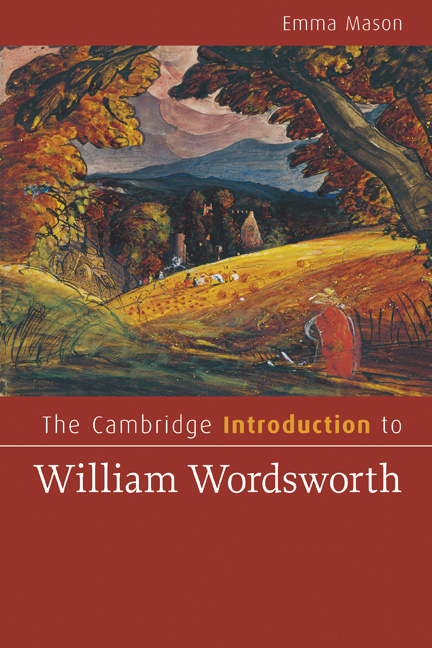
The Cambridge Introduction to William Wordsworth
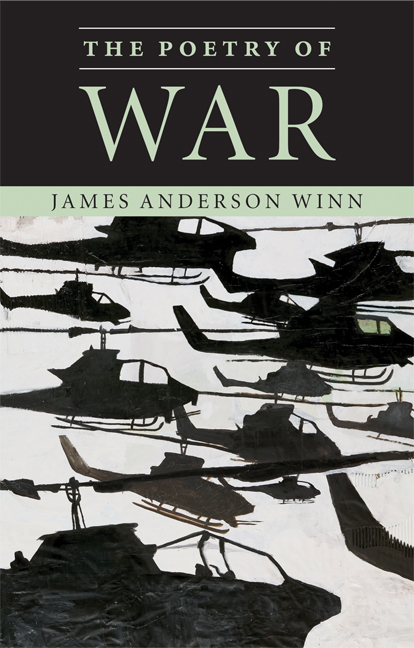
The Poetry of War
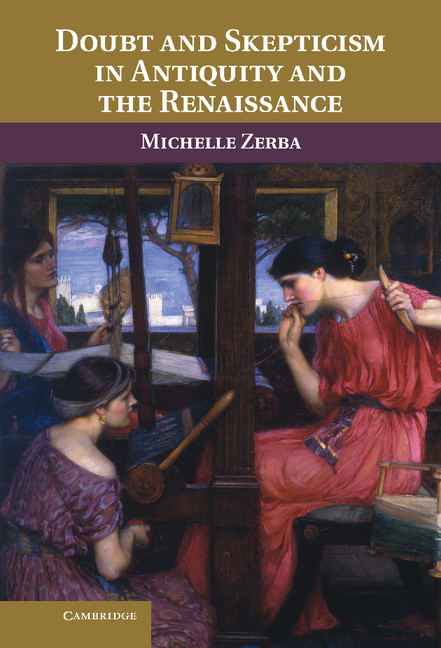
Doubt and Skepticism in Antiquity and the Renaissance
Marketing associate
You Know what I Mean?
Samuel Johnson, the Ossian Fraud, and the Celtic Revival in Great Britain and Ireland
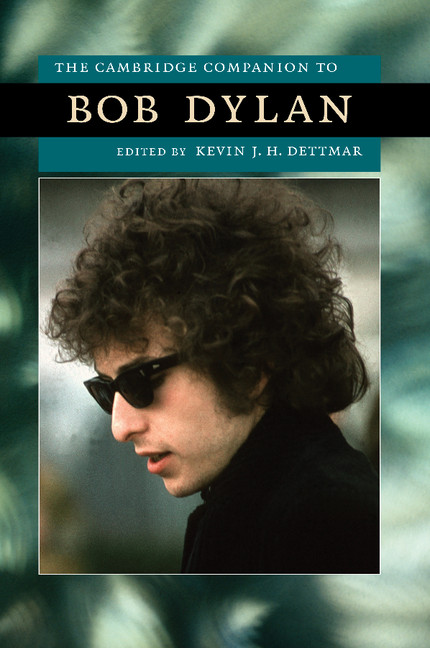
The Cambridge Companion to Bob Dylan
Japan Rising
The Cambridge Companion to Baseball
Library marketing associate
College Marketing Associate
The Cambridge Companion to Baseball
Publicist
London: A Social and Cultural History, 1550–1750
The American 1930s
The Places of Wit in Early Modern English Comedy
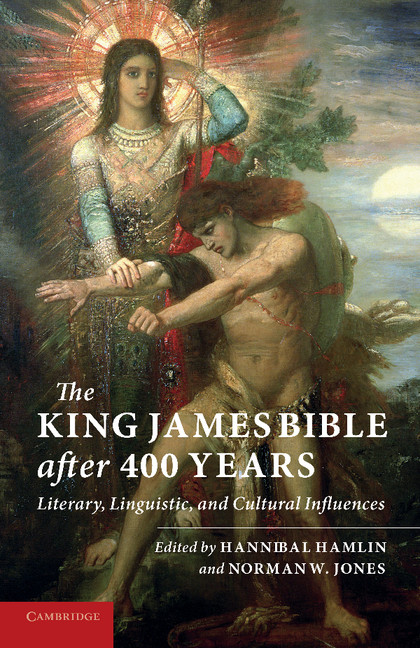
The King James Bible after Four Hundred Years
The Cambridge Companion to Creative Writing
London: A Social and Cultural History, 1550-1750
The Cambridge Introduction to Charles Dickens
Publicist
Associate director of sales and marketing
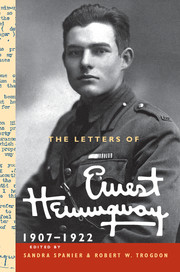
The Letters of Ernest Hemingway, Volume 1
Assistant sales manager
Senior Inbound Marketing Executive
Literary Criticism from Plato to Postmodernism
From Dickens To Dracula
A Reference Grammar of French
The Short Story and the First World War
Mrs Dalloway
Gender and Race in Antebellum Popular Culture
The Cambridge Companion to Modernist Culture
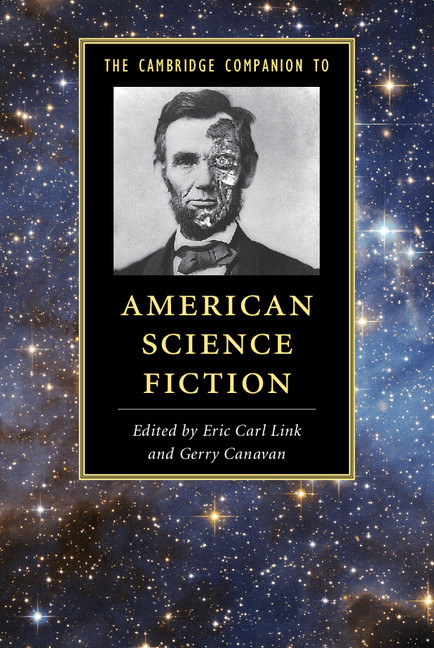
The Cambridge Companion to American Science Fiction
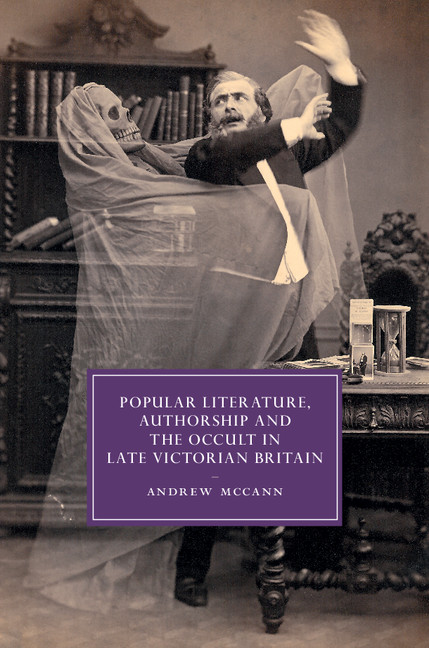
Popular Literature, Authorship, and the Occult in Late Victorian Britain
Paradise Lost and the Cosmological Revolution
Ovid and Hesiod
Reading and Writing during the Dissolution
Cambridge Companion to Popular Fiction
Publisher
The Cambridge Companion to \'Pride and Prejudice\'
The Cambridge Companion to Football
Failure and the American Writer
Eating and Ethics in Shakespeare\\\\\\\'s England
To receive updates on Literature news from Cambridge University Press and Fifteen Eighty Four, please join our email list below. We will not disclose your email address to any third party