With the pandemic still looming above us, thoughts of passing away may have crossed your mind repeatedly over the last while. Those thoughts, revolving around a kernel of inert fear, most likely did not take hold for very long but were brushed aside and stifled with everyday urgent matters. Our culture, after all, tends to […]
Read MorePhiladelphia, Rosenbach Museum and Library, MS 439/16, f. 74r (detail): John Lydgate, The Fall of Princes. Image courtesy of The Rosenbach, Philadelphia.
Read MoreOn 14 May Boris Johnson announced that preparations have been made to ship 50 ‘illegal’ immigrants from the UK to Rwanda, a country to which they have no connection. This is a cruel and baffling piece of policy, but it is not without precedent. In the late eighteenth century, Black loyalists who had fought for […]
Read MorePeter Brook’s The Empty Space famously begins, I can take any empty space and call it a bare stage. A man walks across this empty space whilst someone else is watching him, and this is all that is needed for an act of theatre to be engaged.[1] Playing and Playgoing in Early Modern England: Actor, […]
Read MoreThough best known for its unusual, first-person-plural narrator (a group of office-workers speaking as “we”), Joshua Ferris’s Then We Came to the End (2007) also includes a single third-person chapter, which focuses on the workers’ otherwise “unapproachable” boss, Lynn Mason. Later we learn this interlude is part of a novel-within-the novel written by another character, […]
Read MoreAs a scholar of the literature of climate change, I am often asked, “Can books save the planet?”. Well, not literally, no. But I do believe that fictional narratives in which characters respond to climate crises act as thought experiments—or, indeed, as ‘feeling experiments’—for the reader’s potential response. I believe that fictional, poetic, or dramatic […]
Read MoreEverybody’s talking about race, but not many seem to know what it is, or where it came from. That’s understandable, for there’s not a single story of the history of race to be written. How concepts of race were developed, and what they came to over time, is different for different global regions and different […]
Read MoreFor centuries, scholars have characterized eighteenth-century literary satire as an aggressive and specifically masculine practice and genre. This perception is clearly apparent in twentieth-century literary theory, in which critical investigations of satire focused almost exclusively on a handful of male writers (Pope, Swift, Dryden, Rochester, etc.) and repeatedly affirmed that, in the words of David […]
Read MoreWith the pandemic still looming above us, thoughts of passing away may have crossed your mind repeatedly over the last while. Those thoughts, revolving around a kernel of inert fear, most likely did not take hold for very long but were brushed aside and stifled with everyday urgent matters. Our culture, after all, tends to […]
Read MorePhiladelphia, Rosenbach Museum and Library, MS 439/16, f. 74r (detail): John Lydgate, The Fall of Pr...
Read MoreOn 14 May Boris Johnson announced that preparations have been made to ship 50 ‘illegal’ immigrants from the UK to Rwanda, a country to which they have no connection. This is a cruel and baffling piece of policy, but it is not without precedent. In the late eighteenth century, Black loyalists who had fought for […]
Read MorePeter Brook’s The Empty Space famously begins, I can take any empty space and call it a bare stage. A man walks across this empty space whilst someone else is watching him, and this is all that is needed for an act of theatre to be engaged.[1] Playing and Playgoing in Early Modern England: Actor, […]
Read MoreThough best known for its unusual, first-person-plural narrator (a group of office-workers speaking as “we”), Joshua Ferris’s Then We Came to the End (2007) also includes a single third-person chapter, which focuses on the workers’ otherwise “unapproachable” boss, Lynn Mason. Later we learn this interlude is part of a novel-within-the novel written by another character, […]
Read MoreAs a scholar of the literature of climate change, I am often asked, “Can books save the planet?”. Well, not literally, no. But I do believe that fictional narratives in which characters respond to climate crises act as thought experiments—or, indeed, as ‘feeling experiments’—for the reader’s potential response. I believe that fictional, poetic, or dramatic […]
Read MoreEverybody’s talking about race, but not many seem to know what it is, or where it came from. That’s understandable, for there’s not a single story of the history of race to be written. How concepts of race were developed, and what they came to over time, is different for different global regions and different […]
Read MoreFor centuries, scholars have characterized eighteenth-century literary satire as an aggressive and specifically masculine practice and genre. This perception is clearly apparent in twentieth-century literary theory, in which critical investigations of satire focused almost exclusively on a handful of male writers (Pope, Swift, Dryden, Rochester, etc.) and repeatedly affirmed that, in the words of David […]
Read MoreKeep up with the latest from Cambridge University Press on our social media accounts.
Johan Adam Warodell is the author of the monograph Conrad’s Decentered Fiction (Cambridge University Press 2022) and numerous articles on Joseph Conrad. He is a Trustee of the Joseph Conrad Society of America and a Research Associate at the University of Sussex.

Montclair State University, New Jersey
Heather Hirschfeld is a Professor of English at the University of Tennessee.
Alice Tranah grew up in Cambridge and, after studying history at University, fell delightely into life as a bookseller, first in London and then here for Cambridge University Press Bookshop.
Canterbury Christ Church University, Kent
Associate Professor in English and Creative Writing, University of Reading
University of Pennsylvania
University of Cambridge
Staff Scientist, Brigham and Women’s Hospital, Department of Neurology with affiliation to The Broad Institute of Harvard and MIT.
Speaking Shakespeare Today
Helen Wilcox, Professor of English at Bangor University
Playing Hesiod
Shakespeare’s Possible Worlds
The Cambridge Companion to American Civil Rights Literature
Yeats and European Drama
Nineteenth-Century American Literature and the Long Civil War
Grief and Women Writers in the English Renaissance
Imagining Medieval English
The Cambridge Companion to French Literature
The Cambridge Introduction to Theatre and Literature of the Absurd
Paul Salzman is Emeritus Professor of English at La Trobe University, Australia.
Sarah C. E. Ross is Senior Lecturer in the English Programme, at Victoria University of Wellington.
Stuart Sillars is Professor of English at the University of Bergen, Norway.
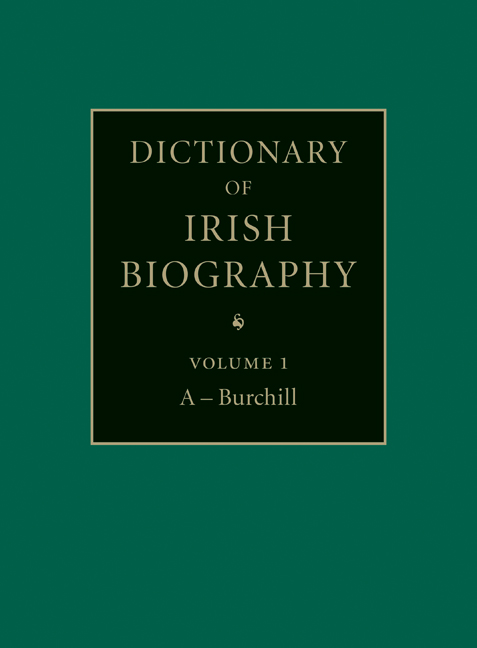
Dictionary of Irish Biography
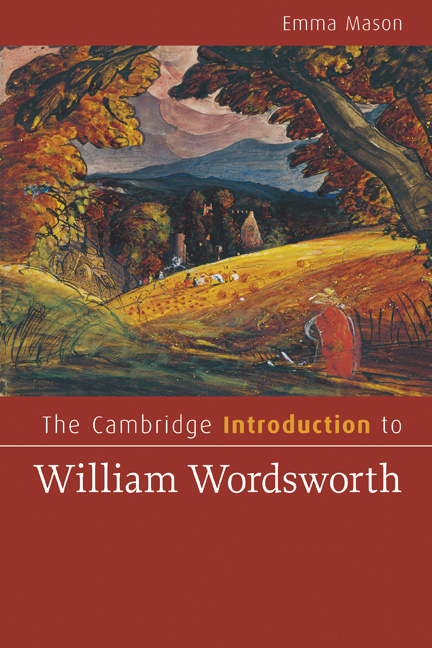
The Cambridge Introduction to William Wordsworth
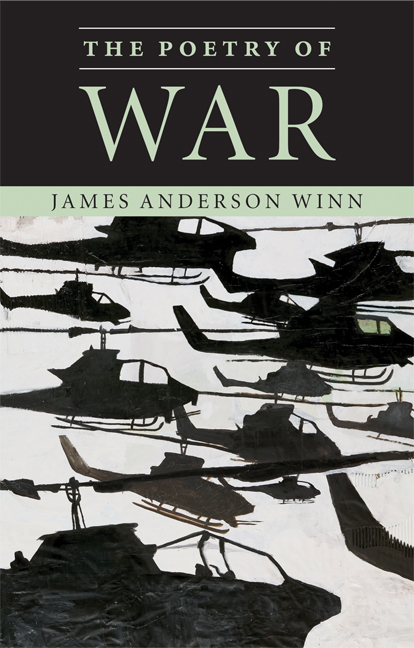
The Poetry of War
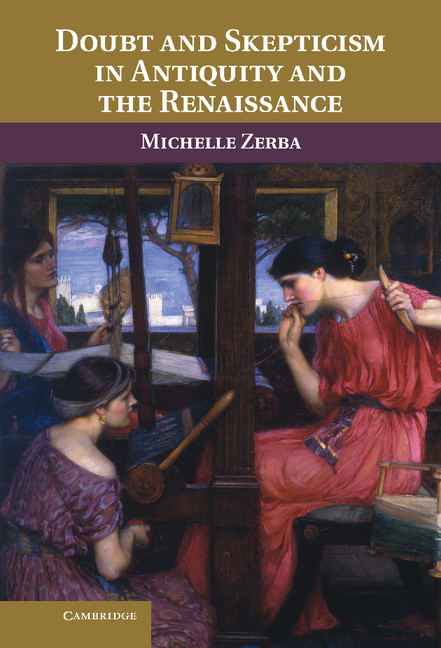
Doubt and Skepticism in Antiquity and the Renaissance
Marketing associate
You Know what I Mean?
Samuel Johnson, the Ossian Fraud, and the Celtic Revival in Great Britain and Ireland
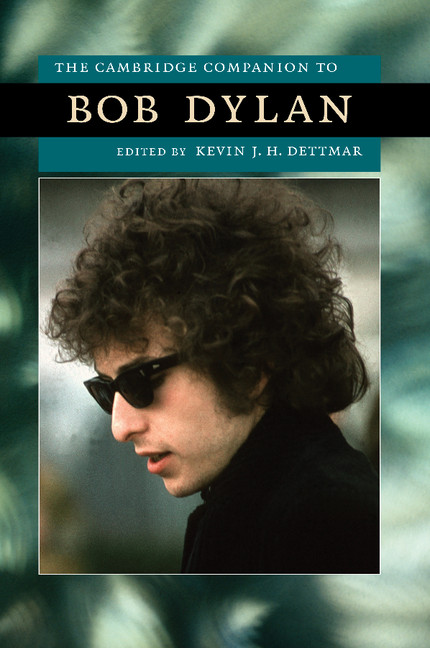
The Cambridge Companion to Bob Dylan
Japan Rising
The Cambridge Companion to Baseball
Library marketing associate
College Marketing Associate
The Cambridge Companion to Baseball
Publicist
London: A Social and Cultural History, 1550–1750
The American 1930s
The Places of Wit in Early Modern English Comedy
The King James Bible after Four Hundred Years
The Cambridge Companion to Creative Writing
London: A Social and Cultural History, 1550-1750
The Cambridge Introduction to Charles Dickens
Publicist
Associate director of sales and marketing
The Letters of Ernest Hemingway, Volume 1
Assistant sales manager
Senior Inbound Marketing Executive
Literary Criticism from Plato to Postmodernism
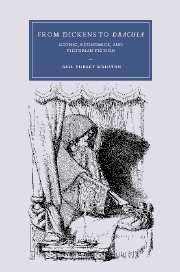
From Dickens To Dracula
A Reference Grammar of French
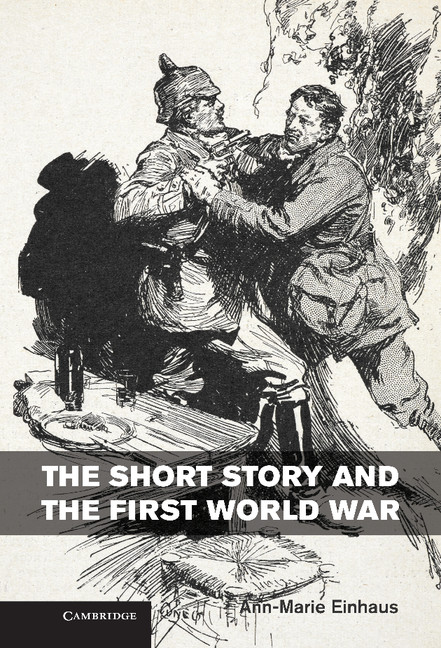
The Short Story and the First World War
Mrs Dalloway
Gender and Race in Antebellum Popular Culture
The Cambridge Companion to Modernist Culture
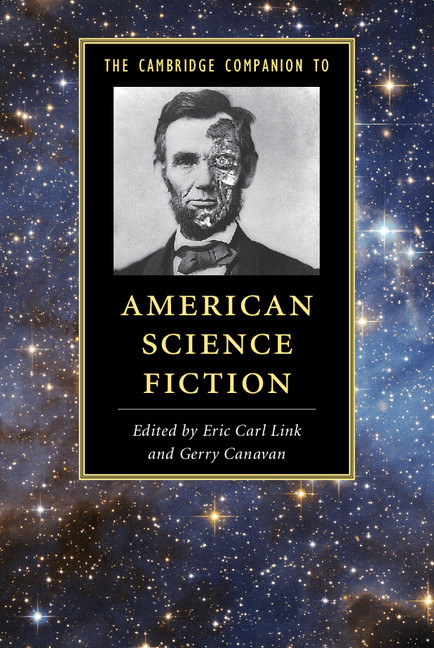
The Cambridge Companion to American Science Fiction
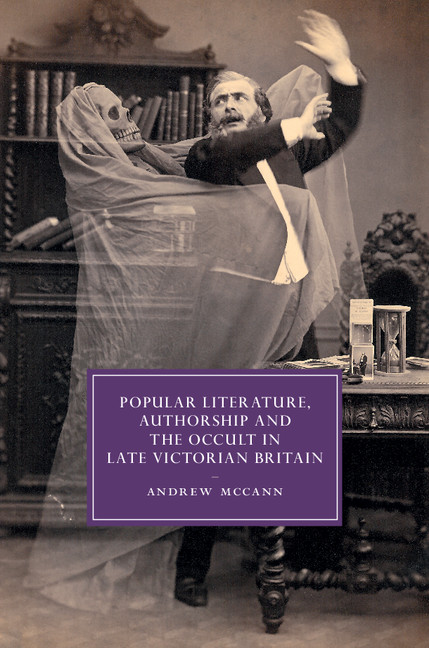
Popular Literature, Authorship, and the Occult in Late Victorian Britain
Paradise Lost and the Cosmological Revolution
Ovid and Hesiod
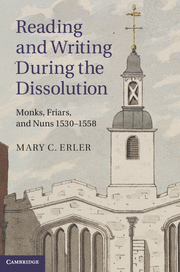
Reading and Writing during the Dissolution
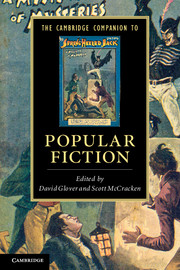
Cambridge Companion to Popular Fiction
Publisher
The Cambridge Companion to \'Pride and Prejudice\'
The Cambridge Companion to Football
Failure and the American Writer
Eating and Ethics in Shakespeare\\\\\\\'s England
To receive updates on Literature news from Cambridge University Press and Fifteen Eighty Four, please join our email list below. We will not disclose your email address to any third party