The late Gilbert Sorrentino once told me that “even Kafka has to write ‘He opened the window.’” It took me some time to feel the force of this remark. But after years of studying modernist literature, and after I found myself pushing further and further back into the 19th century, I began to see what […]
Read MoreAs Covid-19 spread across Europe in early 2020, my wife and I were in Seville, Spain, where we were spending three months reading, writing, walking, and enjoying the Andalusian cuisine, language, people, and climate. As the infection spread, the WHO declared a pandemic, and lockdown began to look imminent in the USA, we realized that […]
Read MoreWhat is a conversation? And why should conversations matter to poetry? (1) ‘They found you out?’ ‘Not they’. ‘Well—after all– What know we of the secret of a man?” (2) ‘No more wine? Then we’ll push back chairs and talk. A final glass for me, though: cool, i’ faith!’ (3) ‘But do […]
Read MoreAlexander Pope thought he was dullness incarnate; Henry Fielding accused him of murdering the English Language; Aaron Hill compared his acting to ‘the heavings of a disjointed caterpillar’. Even one of his editors accused him of ‘inordinate vanity’. Actor, playwright, theatre manager and Poet Laureate, Colley Cibber (pronounced Sibber) is the fall guy of English […]
Read MoreAt the end of “The Murders in the Rue Morgue,” Edgar Allan Poe’s detective Auguste Dupin, the prototype of the analytical detective, offers a disparaging verdict on the Parisian Prefect of Police. The Prefect has “impaired his vision by holding the object too close. He might see, perhaps, one or two points with unusual clearness, […]
Read MoreHow Progressive Writers, Anna Jameson to Vernon Lee, Sought and Found An Alternative Germany. LADY BRACKNELL German sounds a thoroughly respectable language, and indeed, I believe is so. MISS PRISM.[Calling.] Cecily, Cecily! … intellectual pleasures await you. Your German grammar is on the table. Pray open it at page fifteen. We will repeat yesterday’s lesson.CECILY.[Coming […]
Read MoreTo the parodyists Sellar and Yeatman, the Norman Conquest of 1066 was one of only two noteworthy dates in English history. The date has loomed large in literary histories too, where it has been considered a ‘solid bookend’, between Beowulf and Old English literature on the one hand, and Chaucer, his precursors and his imitators […]
Read MoreI’ve made my name mostly as a Woody Guthrie scholar. Around the time of the Guthrie centenary in 2012, I became increasingly aware of references to Guthrie as ‘the father of American protest music’ and ‘the first singer-songwriter’ etc. That implied something that Woody himself would surely have denied: that he hadn’t an extensive inherited […]
Read MoreThe late Gilbert Sorrentino once told me that “even Kafka has to write ‘He opened the window.’” It took me some time to feel the force of this remark. But after years of studying modernist literature, and after I found myself pushing further and further back into the 19th century, I began to see what […]
Read MoreAs Covid-19 spread across Europe in early 2020, my wife and I were in Seville, Spain, where we were spending three months reading, writing, walking, and enjoying the Andalusian cuisine, language, people, and climate. As the infection spread, the WHO declared a pandemic, and lockdown began to look imminent in the USA, we realized that […]
Read MoreWhat is a conversation? And why should conversations matter to poetry? (1) ‘They found you out?’ ‘Not they’. ‘Well—after all– What know we of the secret of a man?” (2) ‘No more wine? Then we’ll push back chairs and talk. A final glass for me, though: cool, i’ faith!’ (3) ‘But do […]
Read MoreAlexander Pope thought he was dullness incarnate; Henry Fielding accused him of murdering the English Language; Aaron Hill compared his acting to ‘the heavings of a disjointed caterpillar’. Even one of his editors accused him of ‘inordinate vanity’. Actor, playwright, theatre manager and Poet Laureate, Colley Cibber (pronounced Sibber) is the fall guy of English […]
Read MoreAt the end of “The Murders in the Rue Morgue,” Edgar Allan Poe’s detective Auguste Dupin, the prototype of the analytical detective, offers a disparaging verdict on the Parisian Prefect of Police. The Prefect has “impaired his vision by holding the object too close. He might see, perhaps, one or two points with unusual clearness, […]
Read MoreHow Progressive Writers, Anna Jameson to Vernon Lee, Sought and Found An Alternative Germany. LADY BRACKNELL German sounds a thoroughly respectable language, and indeed, I believe is so. MISS PRISM.[Calling.] Cecily, Cecily! … intellectual pleasures await you. Your German grammar is on the table. Pray open it at page fifteen. We will repeat yesterday’s lesson.CECILY.[Coming […]
Read MoreTo the parodyists Sellar and Yeatman, the Norman Conquest of 1066 was one of only two noteworthy dates in English history. The date has loomed large in literary histories too, where it has been considered a ‘solid bookend’, between Beowulf and Old English literature on the one hand, and Chaucer, his precursors and his imitators […]
Read MoreI’ve made my name mostly as a Woody Guthrie scholar. Around the time of the Guthrie centenary in 2012, I became increasingly aware of references to Guthrie as ‘the father of American protest music’ and ‘the first singer-songwriter’ etc. That implied something that Woody himself would surely have denied: that he hadn’t an extensive inherited […]
Read MoreKeep up with the latest from Cambridge University Press on our social media accounts.
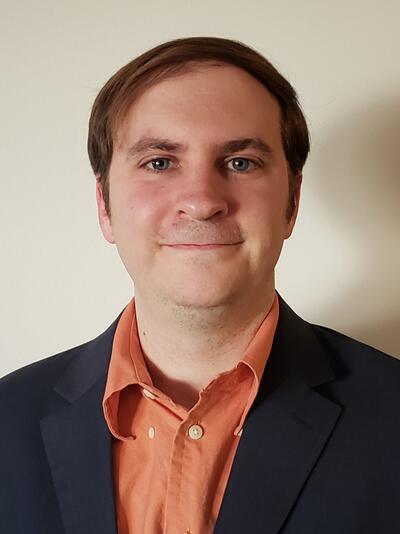
Johan Adam Warodell is the author of the monograph Conrad’s Decentered Fiction (Cambridge University Press 2022) and numerous articles on Joseph Conrad. He is a Trustee of the Joseph Conrad Society of America and a Research Associate at the University of Sussex.

Montclair State University, New Jersey
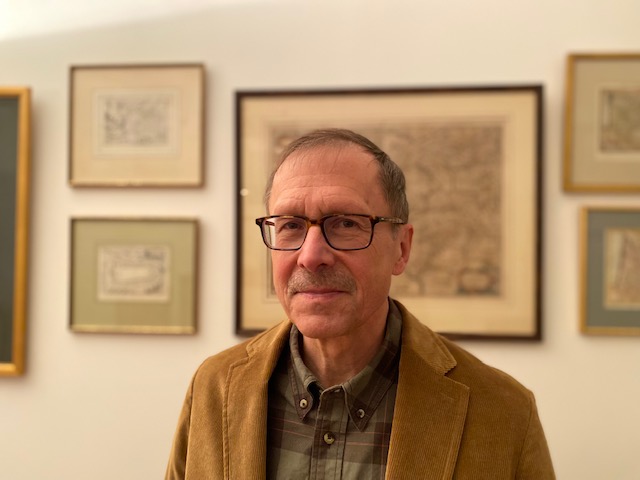
Heather Hirschfeld is a Professor of English at the University of Tennessee.
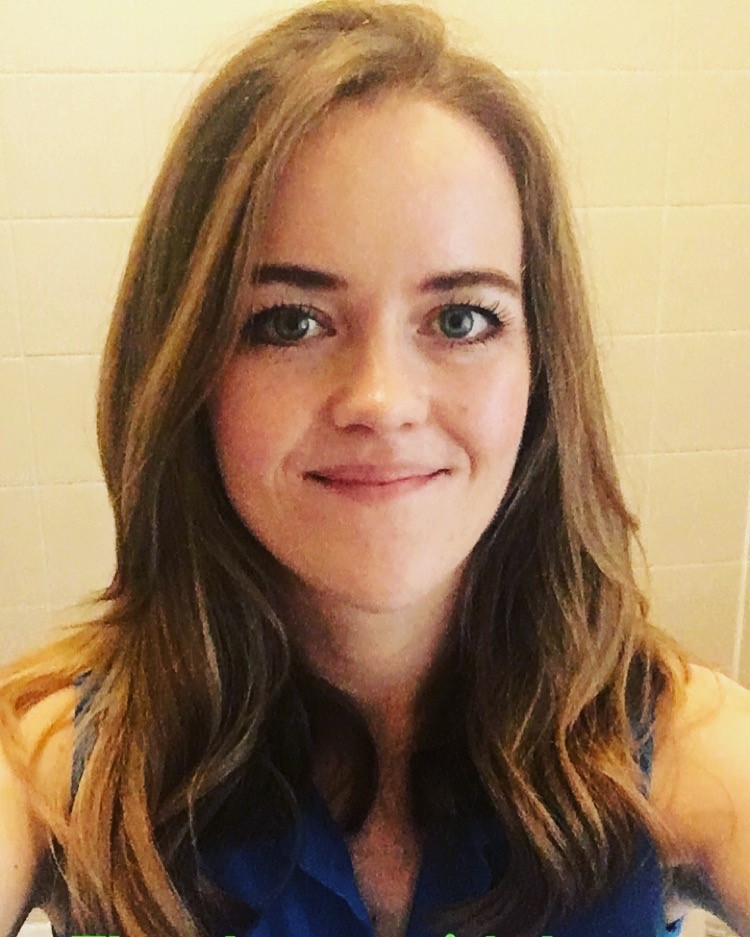
Alice Tranah grew up in Cambridge and, after studying history at University, fell delightely into life as a bookseller, first in London and then here for Cambridge University Press Bookshop.
Canterbury Christ Church University, Kent
Associate Professor in English and Creative Writing, University of Reading
University of Pennsylvania
University of Cambridge
Staff Scientist, Brigham and Women’s Hospital, Department of Neurology with affiliation to The Broad Institute of Harvard and MIT.
Speaking Shakespeare Today
Helen Wilcox, Professor of English at Bangor University
Playing Hesiod
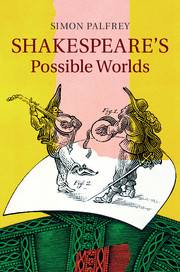
Shakespeare’s Possible Worlds
The Cambridge Companion to American Civil Rights Literature
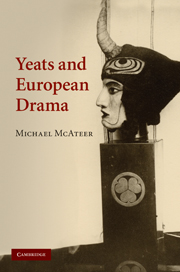
Yeats and European Drama
Nineteenth-Century American Literature and the Long Civil War
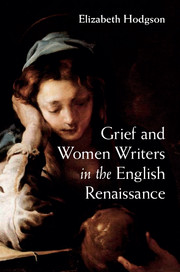
Grief and Women Writers in the English Renaissance
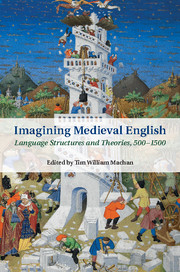
Imagining Medieval English
The Cambridge Companion to French Literature
The Cambridge Introduction to Theatre and Literature of the Absurd
Paul Salzman is Emeritus Professor of English at La Trobe University, Australia.
Sarah C. E. Ross is Senior Lecturer in the English Programme, at Victoria University of Wellington.
Stuart Sillars is Professor of English at the University of Bergen, Norway.
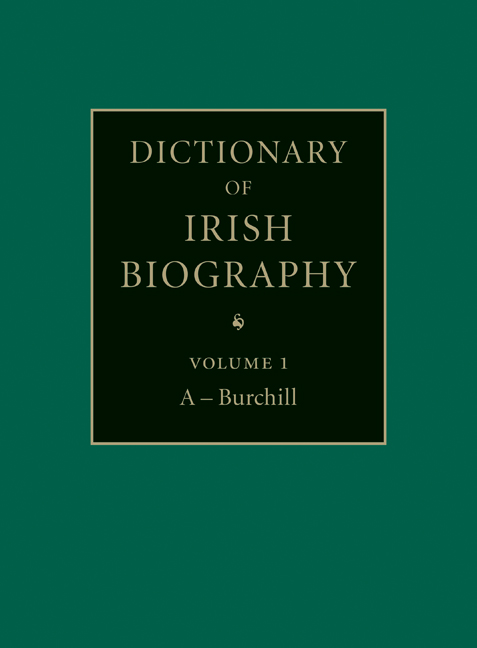
Dictionary of Irish Biography
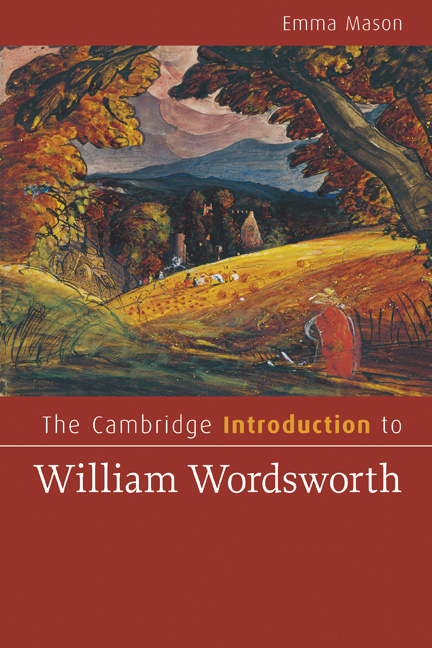
The Cambridge Introduction to William Wordsworth
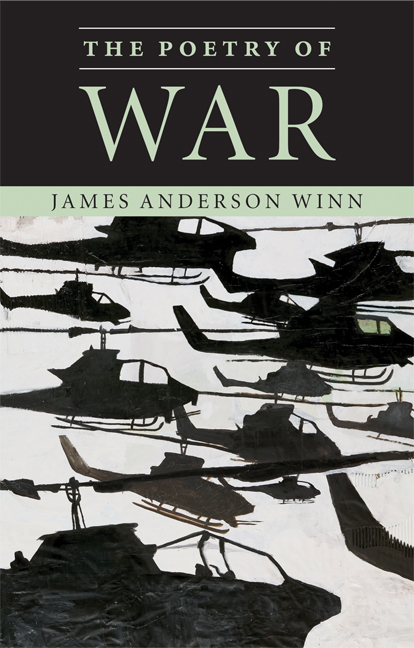
The Poetry of War
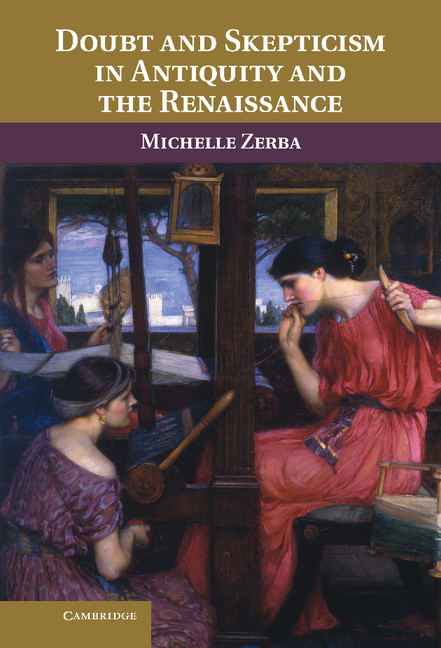
Doubt and Skepticism in Antiquity and the Renaissance
Marketing associate
You Know what I Mean?
Samuel Johnson, the Ossian Fraud, and the Celtic Revival in Great Britain and Ireland
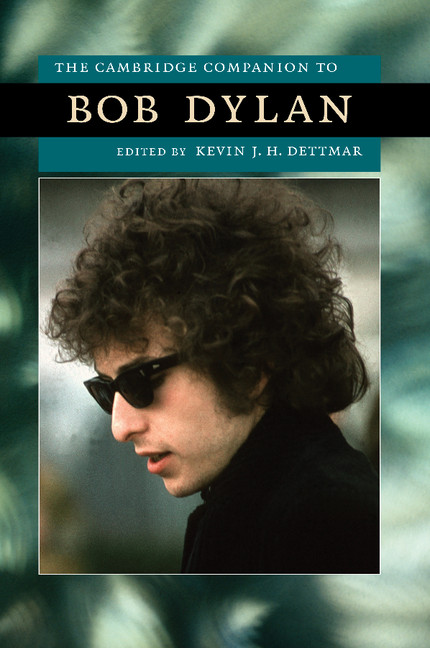
The Cambridge Companion to Bob Dylan
Japan Rising
The Cambridge Companion to Baseball
Library marketing associate
College Marketing Associate
The Cambridge Companion to Baseball
Publicist
London: A Social and Cultural History, 1550–1750
The American 1930s
The Places of Wit in Early Modern English Comedy
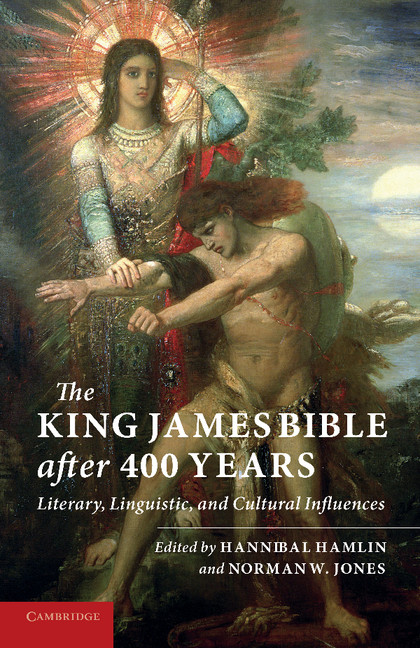
The King James Bible after Four Hundred Years
The Cambridge Companion to Creative Writing
London: A Social and Cultural History, 1550-1750
The Cambridge Introduction to Charles Dickens
Publicist
Associate director of sales and marketing
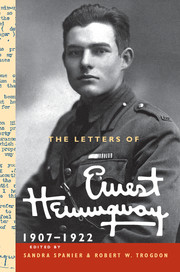
The Letters of Ernest Hemingway, Volume 1
Assistant sales manager
Senior Inbound Marketing Executive
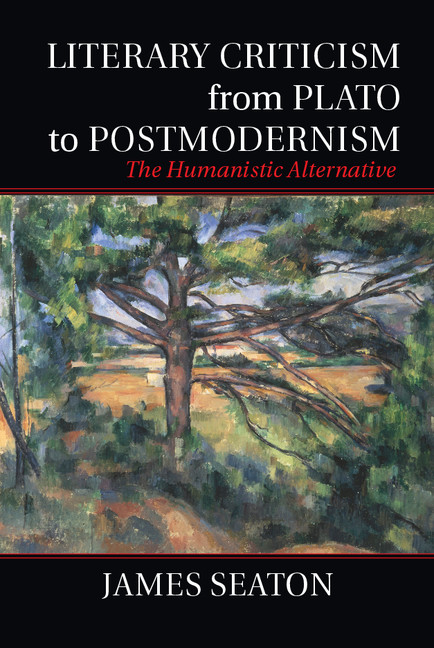
Literary Criticism from Plato to Postmodernism
From Dickens To Dracula
A Reference Grammar of French
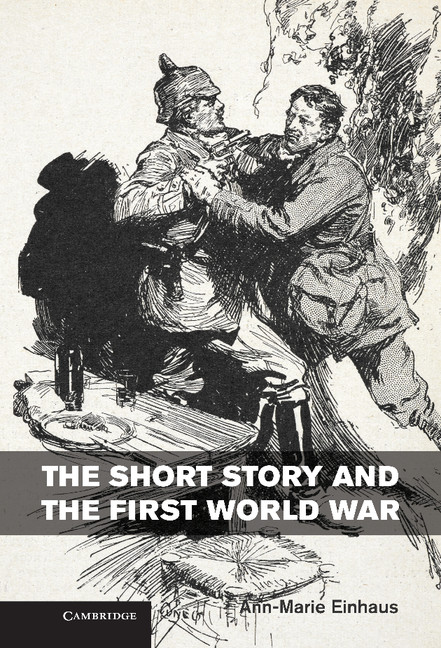
The Short Story and the First World War
Mrs Dalloway
Gender and Race in Antebellum Popular Culture
The Cambridge Companion to Modernist Culture
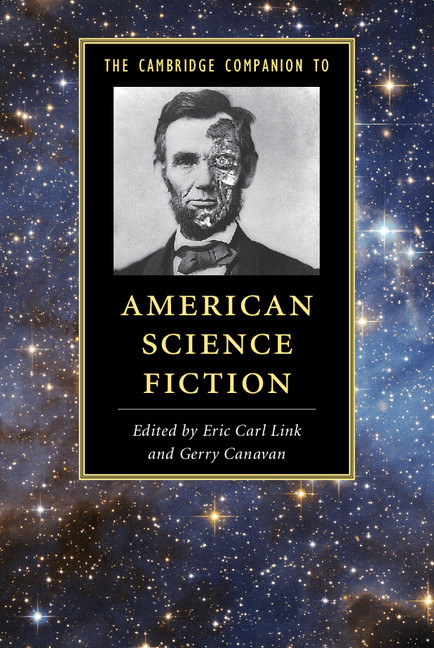
The Cambridge Companion to American Science Fiction
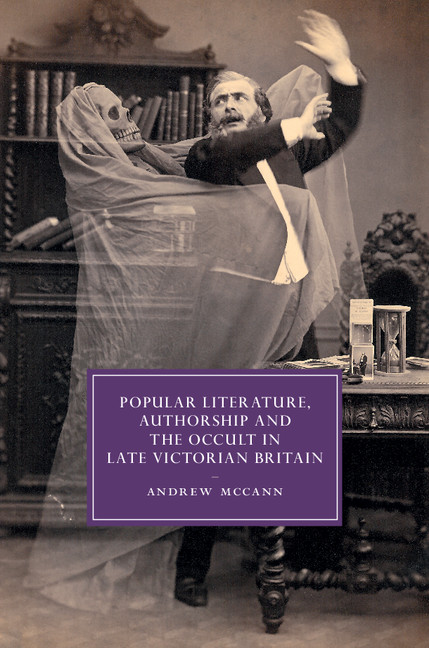
Popular Literature, Authorship, and the Occult in Late Victorian Britain
Paradise Lost and the Cosmological Revolution
Ovid and Hesiod
Reading and Writing during the Dissolution
Cambridge Companion to Popular Fiction
Publisher
The Cambridge Companion to \'Pride and Prejudice\'
The Cambridge Companion to Football
Failure and the American Writer
Eating and Ethics in Shakespeare\\\\\\\'s England
To receive updates on Literature news from Cambridge University Press and Fifteen Eighty Four, please join our email list below. We will not disclose your email address to any third party