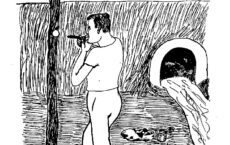
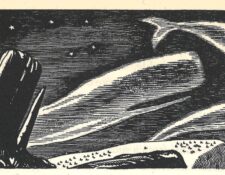
For one of the first of the over 250 drawings that Rockwell Kent made to illustrate Herman Melville’s Moby Dick (1851) in 1930, he propped Ishmael up on his elbows, lying on his belly on a grassy hill. This is the famous opening scene of the novel, in which Melville’s narrator says: “Whenever I find […]
Read MoreBetween the time of the Second World War and the present day there has been a steady stream of cultural interest in Nazism, World War II, the Holocaust, and the aftermath of these events. Novels like Schindler’s Ark (1982), The Reader (1995) and Caging Skies (2008), all adapted into highly successful films (Schindler’s List, The […]
Read MoreIn February 1825, Mary Shelley approached a member of parliament with a modest proposal. “I have often wished to be present at a debate in the House of Commons,” the author of Frankenstein wrote to MP John Cam Hobhouse, adding that the “animated discussions now going on” and “splendid eloquence” on display in recent debates […]
Read MoreThe impetus for us editing this volume came from two sources. One was the sense that Elizabeth Webby’s The Cambridge Companion to Australian Literature (2001), a fine work for its era, needed updating, and that the Australian novel, as a genre, deserved its own Companion. This was especially true given not just new novelists, but […]
Read MoreA few years ago after finishing a study about the collecting of wild animal skins in Victorian Britain, I felt disturbingly empty—perhaps even a bit lost. I wondered what now could offer me a sense of purpose? Surprisingly, an answer emerged from a memory belonging to some time ago when I had briefly sat across […]
Read MoreWhile the electrification of Ireland’s urban spaces did not begin in earnest until 1929 – and indeed, rurally some two decades later in 1946 – electricity, or rather, the electronic, now operates as a symbol for this island’s contemporary situation. Digital technologies dominate Ireland’s public and private spheres, permeating all aspects of cultural and socio-economic […]
Read More“The fact is that we create our own precursors“, writes Jorge Luis Borges in „Kafka and his Precursors“ where he reflects on the anachronistic dynamics which results from the interaction of writers with their predecessors.[1] For my own research, inspired by 20th century approaches to Shakespeare, the question: How does modernism relate to Shakespeare and […]
Read MoreThe present position of the Roman Catholic Church is that an immortal soul is infused into the fetus at the moment of conception, but this has not always been its position. The dogma that “ensoulment” coincides with the fertilization of the egg by the sperm was adopted by the Catholic Church only starting in 1869. […]
Read MoreFor one of the first of the over 250 drawings that Rockwell Kent made to illustrate Herman Melville’s Moby Dick (1851) in 1930, he propped Ishmael up on his elbows, lying on his belly on a grassy hill. This is the famous opening scene of the novel, in which Melville’s narrator says: “Whenever I find […]
Read MoreBetween the time of the Second World War and the present day there has been a steady stream of cultural interest in Nazism, World War II, the Holocaust, and the aftermath of these events. Novels like Schindler’s Ark (1982), The Reader (1995) and Caging Skies (2008), all adapted into highly successful films (Schindler’s List, The […]
Read MoreIn February 1825, Mary Shelley approached a member of parliament with a modest proposal. “I have often wished to be present at a debate in the House of Commons,” the author of Frankenstein wrote to MP John Cam Hobhouse, adding that the “animated discussions now going on” and “splendid eloquence” on display in recent debates […]
Read MoreThe impetus for us editing this volume came from two sources. One was the sense that Elizabeth Webby’s The Cambridge Companion to Australian Literature (2001), a fine work for its era, needed updating, and that the Australian novel, as a genre, deserved its own Companion. This was especially true given not just new novelists, but […]
Read MoreA few years ago after finishing a study about the collecting of wild animal skins in Victorian Britain, I felt disturbingly empty—perhaps even a bit lost. I wondered what now could offer me a sense of purpose? Surprisingly, an answer emerged from a memory belonging to some time ago when I had briefly sat across […]
Read MoreWhile the electrification of Ireland’s urban spaces did not begin in earnest until 1929 – and indeed, rurally some two decades later in 1946 – electricity, or rather, the electronic, now operates as a symbol for this island’s contemporary situation. Digital technologies dominate Ireland’s public and private spheres, permeating all aspects of cultural and socio-economic […]
Read More“The fact is that we create our own precursors“, writes Jorge Luis Borges in „Kafka and his Precursors“ where he reflects on the anachronistic dynamics which results from the interaction of writers with their predecessors.[1] For my own research, inspired by 20th century approaches to Shakespeare, the question: How does modernism relate to Shakespeare and […]
Read MoreThe present position of the Roman Catholic Church is that an immortal soul is infused into the fetus at the moment of conception, but this has not always been its position. The dogma that “ensoulment” coincides with the fertilization of the egg by the sperm was adopted by the Catholic Church only starting in 1869. […]
Read MoreKeep up with the latest from Cambridge University Press on our social media accounts.
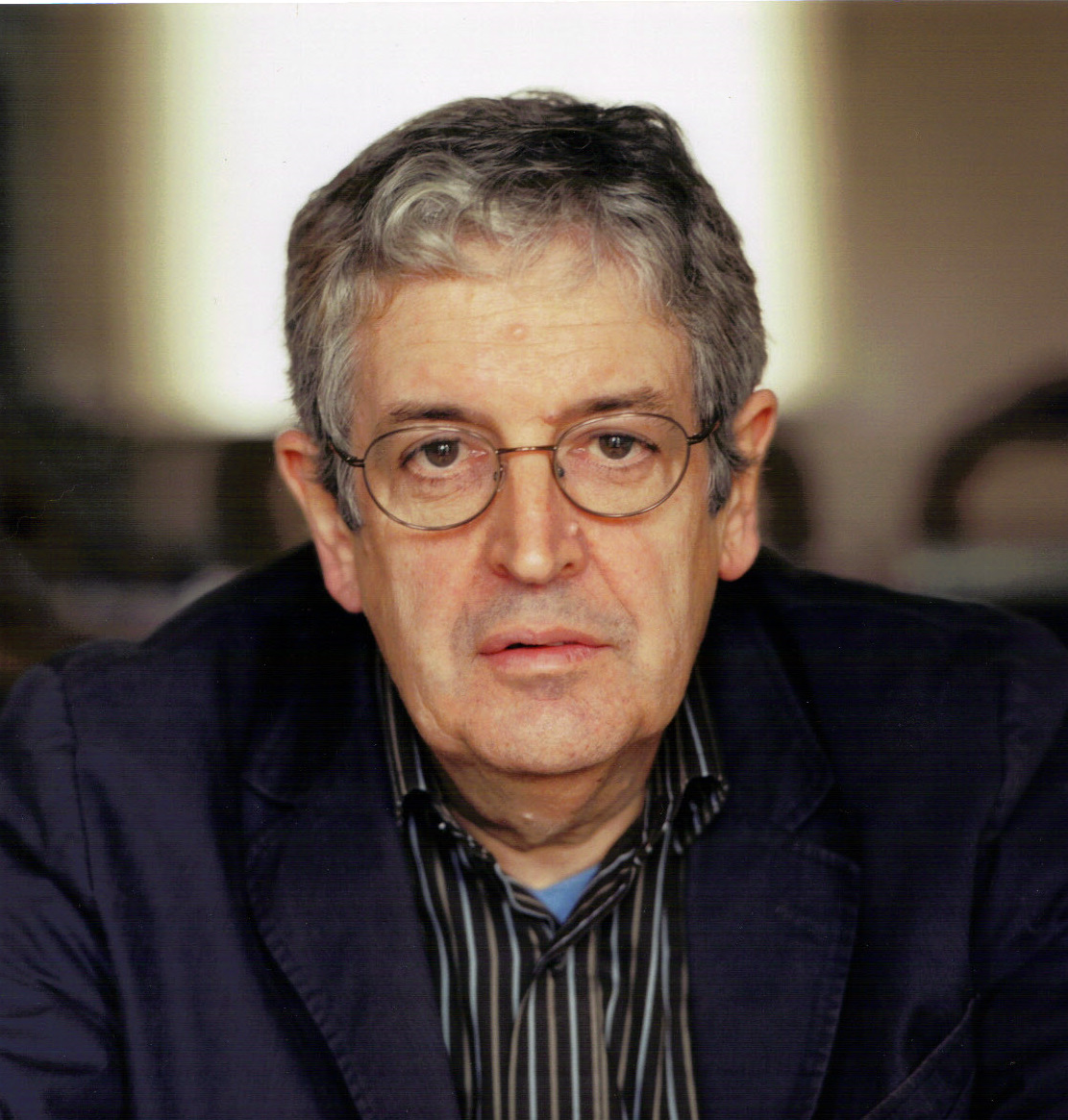
Johan Adam Warodell is the author of the monograph Conrad’s Decentered Fiction (Cambridge University Press 2022) and numerous articles on Joseph Conrad. He is a Trustee of the Joseph Conrad Society of America and a Research Associate at the University of Sussex.

Montclair State University, New Jersey
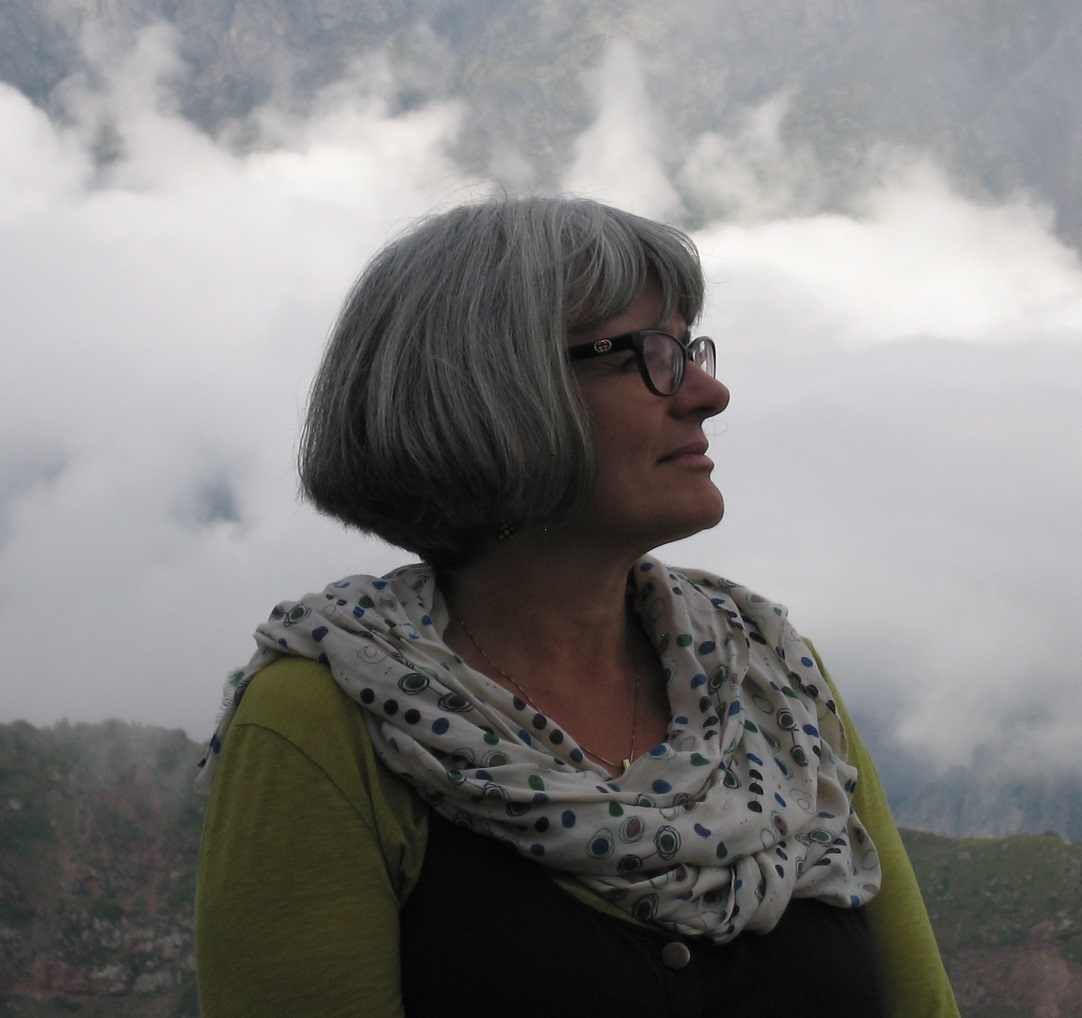
Heather Hirschfeld is a Professor of English at the University of Tennessee.
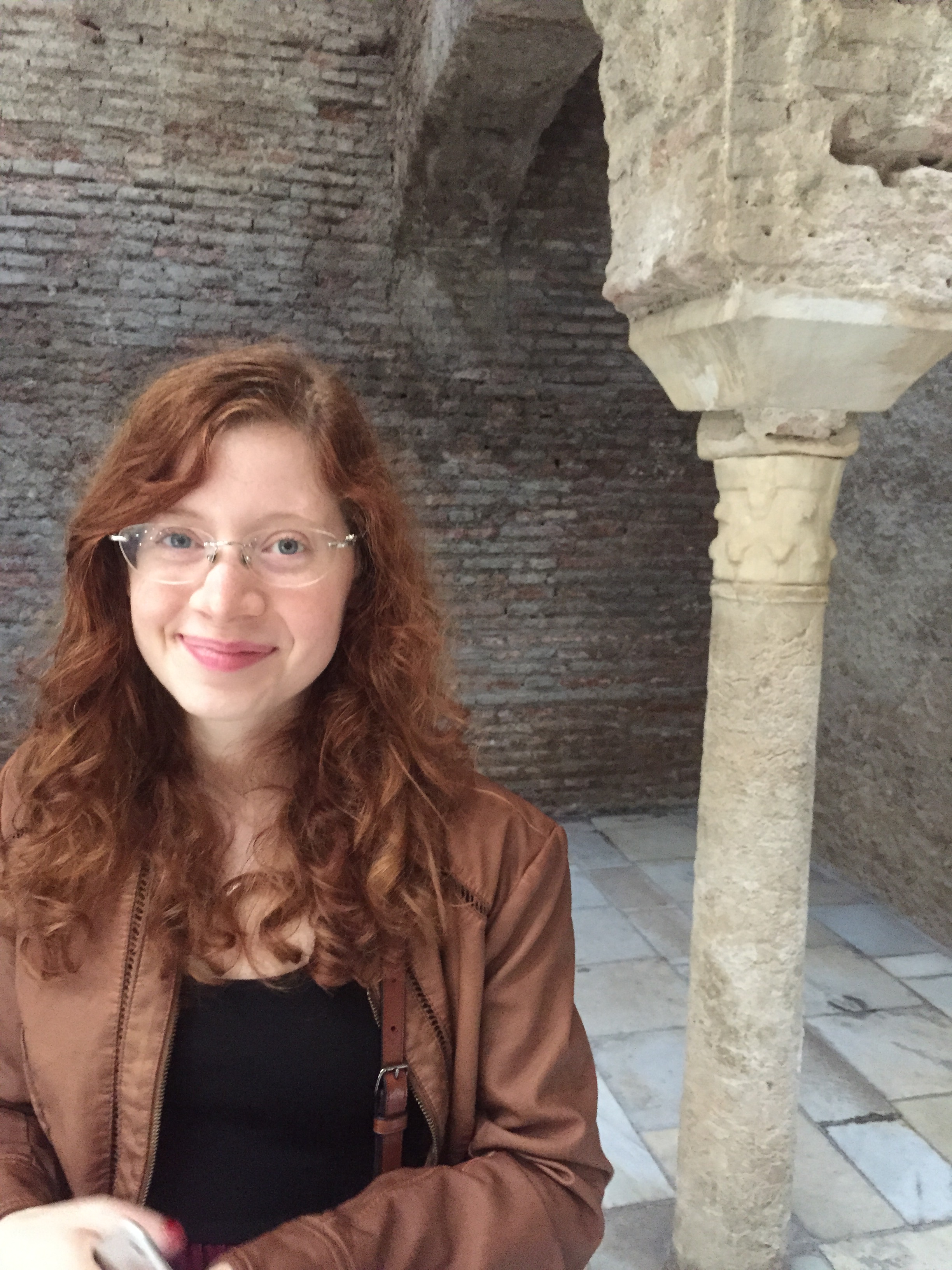
Alice Tranah grew up in Cambridge and, after studying history at University, fell delightely into life as a bookseller, first in London and then here for Cambridge University Press Bookshop.
Canterbury Christ Church University, Kent
Associate Professor in English and Creative Writing, University of Reading
University of Pennsylvania
University of Cambridge
Staff Scientist, Brigham and Women’s Hospital, Department of Neurology with affiliation to The Broad Institute of Harvard and MIT.
Speaking Shakespeare Today
Helen Wilcox, Professor of English at Bangor University
Playing Hesiod
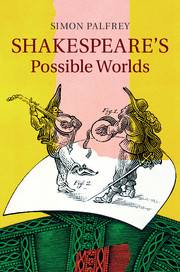
Shakespeare’s Possible Worlds
The Cambridge Companion to American Civil Rights Literature
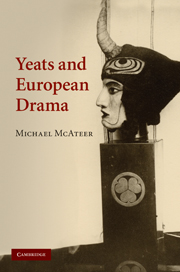
Yeats and European Drama
Nineteenth-Century American Literature and the Long Civil War
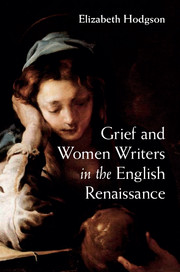
Grief and Women Writers in the English Renaissance
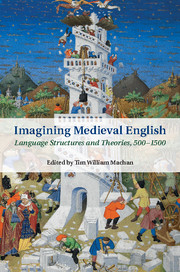
Imagining Medieval English
The Cambridge Companion to French Literature
The Cambridge Introduction to Theatre and Literature of the Absurd
Paul Salzman is Emeritus Professor of English at La Trobe University, Australia.
Sarah C. E. Ross is Senior Lecturer in the English Programme, at Victoria University of Wellington.
Stuart Sillars is Professor of English at the University of Bergen, Norway.
Dictionary of Irish Biography
The Cambridge Introduction to William Wordsworth
The Poetry of War
Doubt and Skepticism in Antiquity and the Renaissance
Marketing associate
You Know what I Mean?
Samuel Johnson, the Ossian Fraud, and the Celtic Revival in Great Britain and Ireland
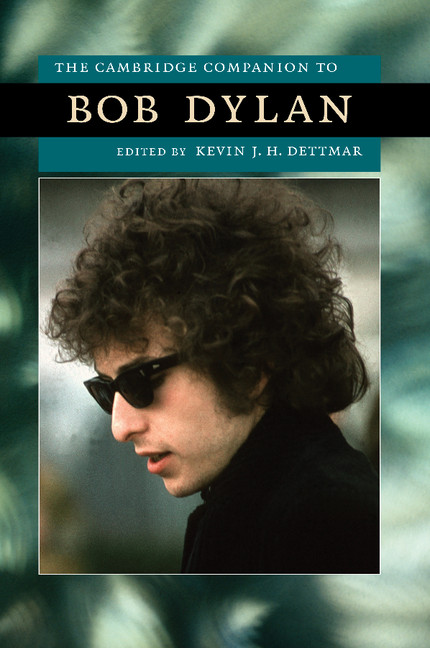
The Cambridge Companion to Bob Dylan
Japan Rising
The Cambridge Companion to Baseball
Library marketing associate
College Marketing Associate
The Cambridge Companion to Baseball
Publicist
London: A Social and Cultural History, 1550–1750
The American 1930s
The Places of Wit in Early Modern English Comedy
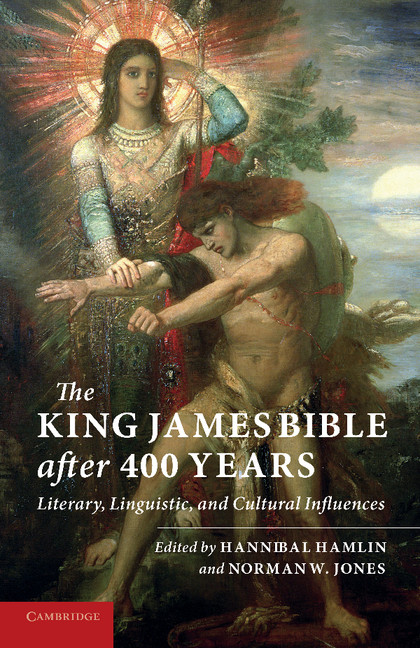
The King James Bible after Four Hundred Years
The Cambridge Companion to Creative Writing
London: A Social and Cultural History, 1550-1750
The Cambridge Introduction to Charles Dickens
Publicist
Associate director of sales and marketing
The Letters of Ernest Hemingway, Volume 1
Assistant sales manager
Senior Inbound Marketing Executive
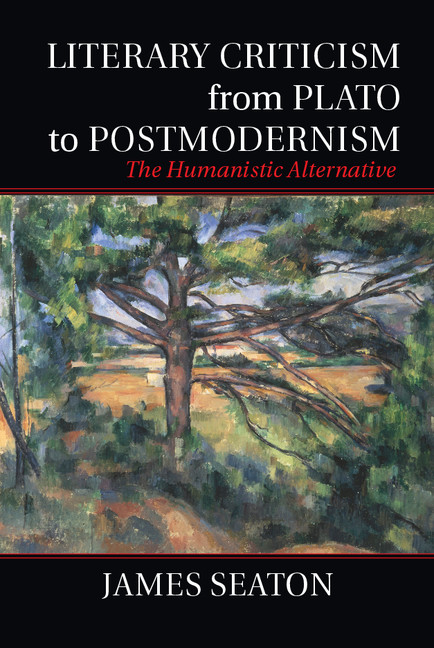
Literary Criticism from Plato to Postmodernism
From Dickens To Dracula
A Reference Grammar of French
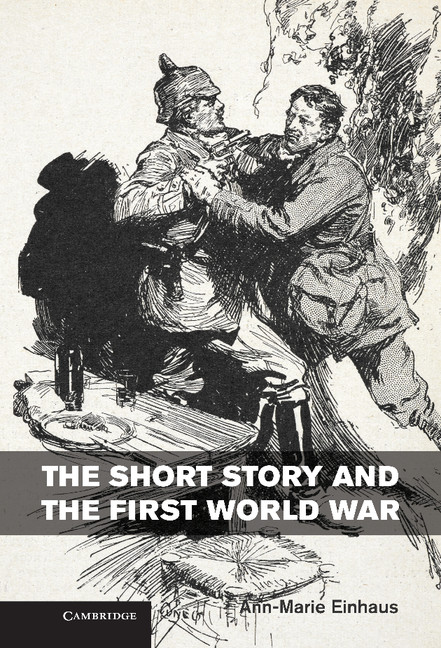
The Short Story and the First World War
Mrs Dalloway
Gender and Race in Antebellum Popular Culture
The Cambridge Companion to Modernist Culture
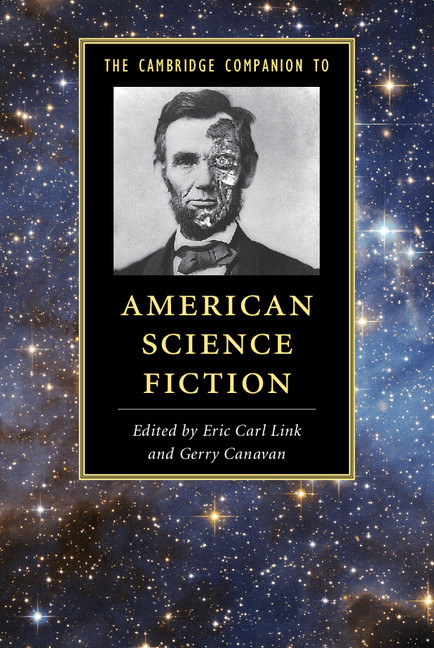
The Cambridge Companion to American Science Fiction
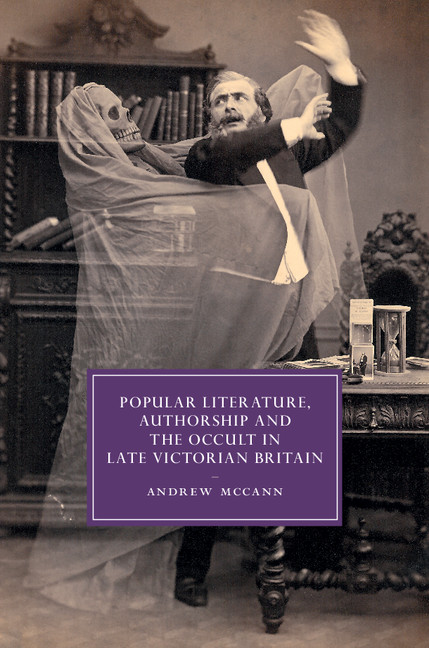
Popular Literature, Authorship, and the Occult in Late Victorian Britain
Paradise Lost and the Cosmological Revolution
Ovid and Hesiod
Reading and Writing during the Dissolution
Cambridge Companion to Popular Fiction
Publisher
The Cambridge Companion to \'Pride and Prejudice\'
The Cambridge Companion to Football
Failure and the American Writer
Eating and Ethics in Shakespeare\\\\\\\'s England
To receive updates on Literature news from Cambridge University Press and Fifteen Eighty Four, please join our email list below. We will not disclose your email address to any third party