Carl F. Ameringer, author of 'US Health Policy and Health Care Delivery: Doctors, Reformers, and Entrepreneurs' discusses why he was moved to write his new book on the status of American healthcare.
Read MoreExplore one of the most turbulent years in US History with Kyle Longley
Read MoreHow should we respond to the golden anniversaries of the publication of the Kerner Commission’s Report (March 1968) and the greatest wave of racial unrest in American history which followed Martin Luther King, Jr’s assassination (April 1968)? Will we allow these anniversaries to pass largely unnoticed, preferring to commemorate more triumphant moments? Or will we […]
Read MoreThe most widely accepted view about the Vietnam War is grounded on the assumptions that it was a tragic mistake for the United States to get involved in a struggle in which it had no vital interests and that the war itself, waged in support of a corrupt regime lacking a viable social base, clearly […]
Read MoreOne hundred years after the United States’ entry into the 1914–18 world war, what aspects of this vast global conflict, and of America’s role in it, are worthy of commemoration? First and foremost, we remember the ten million men all over the world who lost their lives in the war. Indeed, remembering this “Lost Generation” is […]
Read MorePresident Theodore Roosevelt once overcame a speech impediment. Jeremy C. Young explores his journey as a public speaker.
Read MoreRacial inequality is alive and well in America, and conservatives are strategically dismantling one of the greatest tools in the arsenal against persistent injustices: the vote. The expansion and contraction of the right to vote has been an ongoing theme in U.S. history. When the right to vote has been expanded, it has often translated […]
Read MoreOn May 10, 1837, 180 years ago today, the banks of New York City did something extraordinary: they suspended specie payments. This phrase does not ring many bells for twenty-first-century ears, but in the nineteenth century, the suspension of specie payments was the equivalent of a financial nuclear option. It meant that the banks in […]
Read MoreCarl F. Ameringer, author of 'US Health Policy and Health Care Delivery: Doctors, Reformers, and Ent...
Read MoreExplore one of the most turbulent years in US History with Kyle Longley ...
Read MoreHow should we respond to the golden anniversaries of the publication of the Kerner Commission’s Report (March 1968) and the greatest wave of racial unrest in American history which followed Martin Luther King, Jr’s assassination (April 1968)? Will we allow these anniversaries to pass largely unnoticed, preferring to commemorate more triumphant moments? Or will we […]
Read MoreThe most widely accepted view about the Vietnam War is grounded on the assumptions that it was a tragic mistake for the United States to get involved in a struggle in which it had no vital interests and that the war itself, waged in support of a corrupt regime lacking a viable social base, clearly […]
Read MoreOne hundred years after the United States’ entry into the 1914–18 world war, what aspects of this vast global conflict, and of America’s role in it, are worthy of commemoration? First and foremost, we remember the ten million men all over the world who lost their lives in the war. Indeed, remembering this “Lost Generation” is […]
Read MorePresident Theodore Roosevelt once overcame a speech impediment. Jeremy C. Young explores his journey...
Read MoreRacial inequality is alive and well in America, and conservatives are strategically dismantling one of the greatest tools in the arsenal against persistent injustices: the vote. The expansion and contraction of the right to vote has been an ongoing theme in U.S. history. When the right to vote has been expanded, it has often translated […]
Read MoreOn May 10, 1837, 180 years ago today, the banks of New York City did something extraordinary: they suspended specie payments. This phrase does not ring many bells for twenty-first-century ears, but in the nineteenth century, the suspension of specie payments was the equivalent of a financial nuclear option. It meant that the banks in […]
Read MoreKeep up with the latest from Cambridge University Press on our social media accounts.
Salim Yaqub is Professor of History at the University of California, Santa Barbara and author of Winds of Hope, Storms of Discord (2022).
The Cambridge Guide to African American History
Slavery and Forced Migration in the Antebellum South
\\\'The Colored Hero\\\' of Harper\\\'s Ferry
African American Religions, 1500–2000
Independent Politics
The Cambridge Companion to American Civil Rights Literature
American Hippies
The Most Controversial Decision
Nineteenth-Century American Literature and the Long Civil War
National Security and Core Values in American History
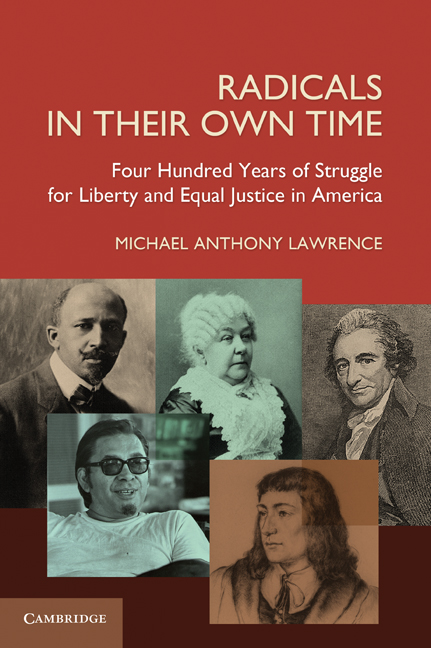
Radicals in Their Own Time
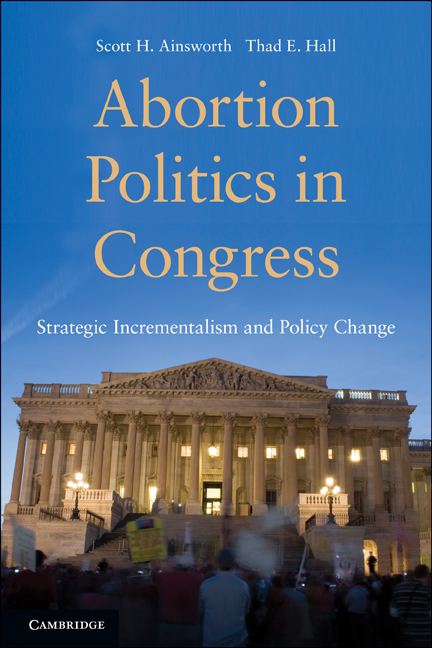
Abortion Politics in Congress
Antisemitism and the American Far Left
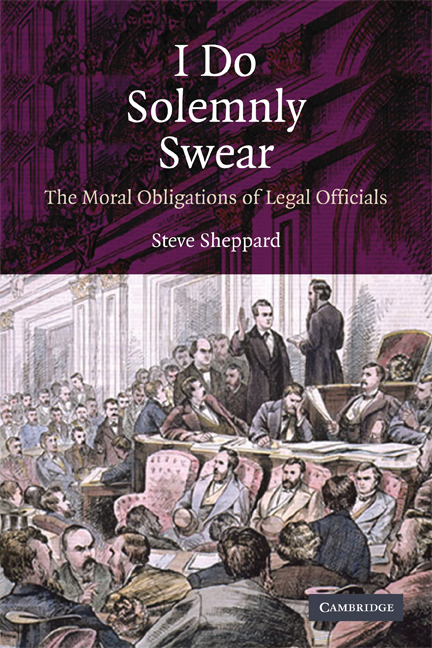
I Do Solemnly Swear
After Bush
After Bush
Marketing associate
A Government Out of Sight
Making a New Deal
Political Moderation in America\\\'s First Two Centuries
Japan Rising
Publicist
The American 1930s
Seduced by Secrets
The End of Straight Supremacy
The American Mission and the \\\\\\\'Evil Empire\\\\\\\'
Creating the Nazi Marketplace
The Treason Trial of Aaron Burr
Tested by Zion
Stephen A. Douglas and Antebellum Democracy
The American Army and the First World War
Gender and Race in Antebellum Popular Culture
The Founders and the Idea of a National University
Romantic Reformers and the Antislavery Struggle in the Civil War Era
Slavery, Race, and Conquest in the Tropics
Laura F. Edwards, Duke University, North Carolina Laura F. Edwards is the Peabody Family Professor of History at Duke University. Her book The People and Their Peace: Legal Culture and the Transformation of Inequality in the Post-Revolutionary South was awarded the American Historical Association\\\\\\\'s 2009 Littleton–Griswold Prize for the best book in law and society and the Southern Historical Association\\\\\\\'s Charles Sydnor Prize for the best book in Southern history.
1919, The Year of Racial Violence
Chiefdoms, Collapse and Coalescence in the Early American South
Declaring War
A Concise History of the United States of America
Marketing intern
German Immigrants, Race, and Citizenship in the Civil War Era
On Dissent
On Dissent
The Many Panics of 1837
To receive updates on US History news from Cambridge University Press and Fifteen Eighty Four, please join our email list below. We will not disclose your email address to any third party