In 1829, Ohio’s state legislators made an announcement that reverberated through African American communities across the nation. Responding to white discomfort over the state’s growing free Black population, they announced that Ohio’s longstanding Black Laws would be enforced, effective the following year. Largely ignored and unused since they first went on the books in 1804 […]
Read MoreSo said former CIA Director R. James Woolsey to the House Armed Services Committee in 1999, channeling what had become a consensus about Iraq in the U.S. foreign policy establishment by the end of the 1990s: that Saddam Hussein could no longer be contained because he was fixated on shedding sanctions and inspections, rebuilding his […]
Read MoreIn response to escalating xenophobia and bigotry against Asian Americans at the onset of the Covid-19 pandemic, the Stop AAPI Hate reporting center was formed on March 19, 2020 to track and respond to incidents of hate, violence, harassment, discrimination, shunning, and child bullying against Asian Americans and Pacific Islanders in the United States. A […]
Read MoreJoe Biden has become President of the United States at a time when the country faces acute crises on many fronts. The most pressing—in both health and economic terms—is the ongoing COVID-19 pandemic, but the country must also confront the environmental and energy implications of climate change; deep racism across American institutions; ongoing weakness in […]
Read MoreWhen British author Charles Dickens visited the United States in 1842, there were two destinations he had his heart set on visiting: Niagara Falls and Eastern State Penitentiary. Opened in 1829, Philadelphia’s Eastern State Penitentiary was one of the most famous prisons of the early and mid-nineteenth century. But Dickens was not pleased with his […]
Read MoreThe emergence of a vacancy on the U.S. Supreme Court just a few weeks before the general election, and the hasty efforts to fill that seat with Judge Amy Coney Barrett, has made constitutional interpretation a live political issue once again. Opinion pieces and pundits are arguing back and forth over the legitimacy of “originalism,” […]
Read MoreAs we enter the final weeks before the U.S. elections, the stakes could not be higher. Against the backdrop of a surging pandemic, the country continues to experience record unemployment, small-business closures, and other forms of economic insecurity. Environmental calamities grow increasingly common and intense. State violence against Black bodies continues unabated, and human rights […]
Read MoreFrederick Douglass speaking locations.
Read MoreIn 1829, Ohio’s state legislators made an announcement that reverberated through African American communities across the nation. Responding to white discomfort over the state’s growing free Black population, they announced that Ohio’s longstanding Black Laws would be enforced, effective the following year. Largely ignored and unused since they first went on the books in 1804 […]
Read MoreSo said former CIA Director R. James Woolsey to the House Armed Services Committee in 1999, channeling what had become a consensus about Iraq in the U.S. foreign policy establishment by the end of the 1990s: that Saddam Hussein could no longer be contained because he was fixated on shedding sanctions and inspections, rebuilding his […]
Read MoreIn response to escalating xenophobia and bigotry against Asian Americans at the onset of the Covid-19 pandemic, the Stop AAPI Hate reporting center was formed on March 19, 2020 to track and respond to incidents of hate, violence, harassment, discrimination, shunning, and child bullying against Asian Americans and Pacific Islanders in the United States. A […]
Read MoreJoe Biden has become President of the United States at a time when the country faces acute crises on many fronts. The most pressing—in both health and economic terms—is the ongoing COVID-19 pandemic, but the country must also confront the environmental and energy implications of climate change; deep racism across American institutions; ongoing weakness in […]
Read MoreWhen British author Charles Dickens visited the United States in 1842, there were two destinations he had his heart set on visiting: Niagara Falls and Eastern State Penitentiary. Opened in 1829, Philadelphia’s Eastern State Penitentiary was one of the most famous prisons of the early and mid-nineteenth century. But Dickens was not pleased with his […]
Read MoreThe emergence of a vacancy on the U.S. Supreme Court just a few weeks before the general election, and the hasty efforts to fill that seat with Judge Amy Coney Barrett, has made constitutional interpretation a live political issue once again. Opinion pieces and pundits are arguing back and forth over the legitimacy of “originalism,” […]
Read MoreAs we enter the final weeks before the U.S. elections, the stakes could not be higher. Against the backdrop of a surging pandemic, the country continues to experience record unemployment, small-business closures, and other forms of economic insecurity. Environmental calamities grow increasingly common and intense. State violence against Black bodies continues unabated, and human rights […]
Read MoreFrederick Douglass speaking locations....
Read MoreKeep up with the latest from Cambridge University Press on our social media accounts.
Salim Yaqub is Professor of History at the University of California, Santa Barbara and author of Winds of Hope, Storms of Discord (2022).
The Cambridge Guide to African American History
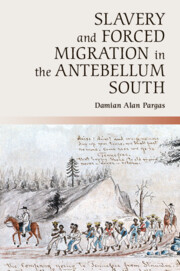
Slavery and Forced Migration in the Antebellum South
\\\'The Colored Hero\\\' of Harper\\\'s Ferry
African American Religions, 1500–2000
Independent Politics
The Cambridge Companion to American Civil Rights Literature
American Hippies
The Most Controversial Decision
Nineteenth-Century American Literature and the Long Civil War
Forging Rivals
National Security and Core Values in American History
Radicals in Their Own Time
Abortion Politics in Congress
Antisemitism and the American Far Left
I Do Solemnly Swear
After Bush
After Bush
Marketing associate
A Government Out of Sight
Making a New Deal
Political Moderation in America\\\'s First Two Centuries
Japan Rising
Publicist
The American 1930s
Seduced by Secrets
The End of Straight Supremacy
The American Mission and the \\\\\\\'Evil Empire\\\\\\\'
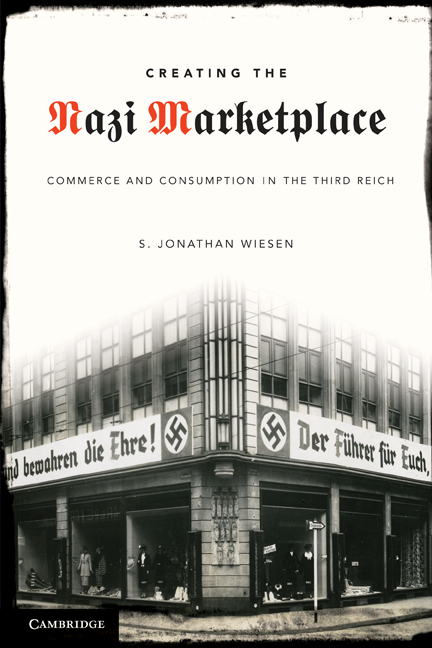
Creating the Nazi Marketplace
The Treason Trial of Aaron Burr
Tested by Zion
Stephen A. Douglas and Antebellum Democracy
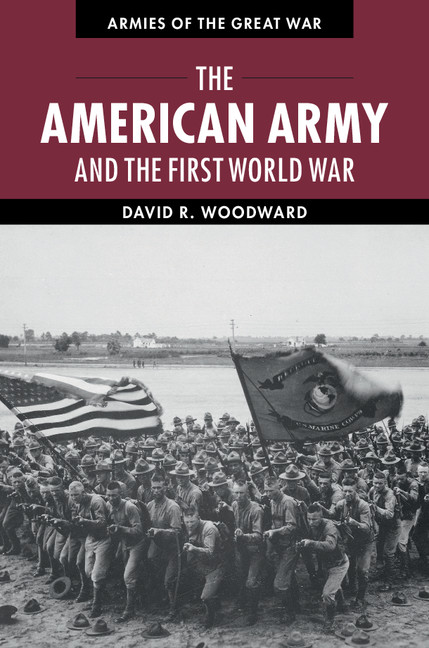
The American Army and the First World War
Gender and Race in Antebellum Popular Culture
The Founders and the Idea of a National University
Romantic Reformers and the Antislavery Struggle in the Civil War Era
Slavery, Race, and Conquest in the Tropics
Laura F. Edwards, Duke University, North Carolina Laura F. Edwards is the Peabody Family Professor of History at Duke University. Her book The People and Their Peace: Legal Culture and the Transformation of Inequality in the Post-Revolutionary South was awarded the American Historical Association\\\\\\\'s 2009 Littleton–Griswold Prize for the best book in law and society and the Southern Historical Association\\\\\\\'s Charles Sydnor Prize for the best book in Southern history.
1919, The Year of Racial Violence
Chiefdoms, Collapse and Coalescence in the Early American South
Declaring War
A Concise History of the United States of America
Marketing intern
German Immigrants, Race, and Citizenship in the Civil War Era
On Dissent
On Dissent
To receive updates on US History news from Cambridge University Press and Fifteen Eighty Four, please join our email list below. We will not disclose your email address to any third party