Products and services

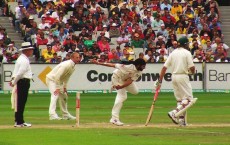
Ayelet Haimson Lushkov, the author of Magistracy and the Historiography of the Roman Republic, situates the 1932 Bodyline cricket movement in the context of the Roman exemplum. And if you're not watching the Cricket World Cup, you should be. Tune in tonight to see England take on New Zealand.
Read More
Celia Marshik, the editor of The Cambridge Companion to Modernist Culture, explains the uncertain and innovating modernist period of the early 20th century through the lens of the beloved period drama Downton Abbey.
Read More
David Chan Smith, the author of Sir Edward Coke and the Reformation of the Laws, traces the way one lawyer and judge shaped modern law, and how Coke's legacy plays a part in the crises of modern democracy.
Read More
After the success of his 1851 book on The Roman Wall, in 1863 John Collingwood Bruce (1805–92) published this shorter work, intended as 'a guide to pilgrims journeying along the Barrier of the Lower Isthmus'.
Read More
Donald J. Lisio, the author of British Naval Supremacy and Anglo-American Antagonisms, 1914–1930, tells the unknown story of First Sea Lord David Beatty's takeover of the 1927 Geneva Naval Arms Control Conference and the crises that followed.
Read More
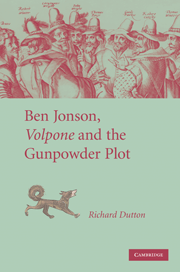
Author Richard Dutton explores Ben Jonson's work and finds evidence that connects him to the Gunpowder Plot of 1605.
Read More
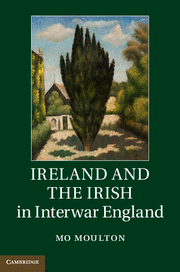
With Scotland due to vote on a referendum declaring independence from the United Kingdom next week, Mo Moulton, the author of Ireland and the Irish in Interwar England, takes a look back at Irish independence and the culture of the British Isles.
Read More
In this excerpt from his new book July Crisis, T.G. Otte reflects on the year 1914 as the beginning of the greatest war in world history. The events in Europe that July catapulted nations around the globe into a years-long conflict that continues to define national identity, international relations, and global culture.
Read MoreKeep up with the latest from Cambridge University Press on our social media accounts.