Products and services


This week will mark the 70th anniversary of the atomic bombings of Hiroshima and Nagasaki. The American bombings effectively ended the Second World War, killed over 100,000 people, and raised complicated questions about nuclear weapons and the limits of war. In an excerpt from his book The Most Controversial Decision, Wilson D. Miscamble explores the complicated legacy of those events.
Read More
On April 9, 1865, Confederate General Robert E. Lee surrendered to Union forces at Appomattox, putting an end to the bloodiest war in American history. Now, 150 years after Lee's surrender, five historians and authors lead the conversation about the Civil War's enduring legacy.
Read More
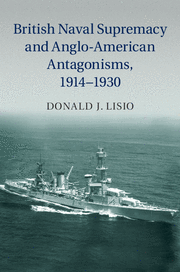
Donald J. Lisio, the author of British Naval Supremacy and Anglo-American Antagonisms, 1914–1930, tells the unknown story of First Sea Lord David Beatty's takeover of the 1927 Geneva Naval Arms Control Conference and the crises that followed.
Read More
Maartje Abbenhuis, the author of An Age of Neutrals: Great Power Politics, 1815–1914, studies neutrality and internationalism, including the history of The Netherlands during the First World War to explain the power of a nation that declined to take sides.
Read More
Explore some figures from the battlefields of the Great War, from the Red Baron and Mata Hari to the Harlem Hell Fighters.
Read More
World War I had a decisive cultural impact around the globe. Part of its legacy is preserved in post-war literature: this excerpt from The Cambridge Companion to the Literature of the First World War reveals how the Great War shaped a new class of writers and their work.
Read More
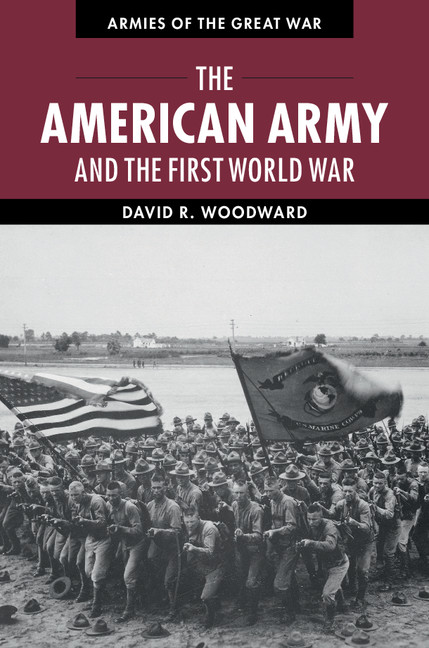
David Woodward, the author of The American Army and the First World War, explains why the United States was so late to participate in the Great War and why the war was one of the most devastating the U.S. army ever faced.
Read More
The American Army, though late to the battlefield, was a key to Allied victory in the Great War. In The American Army and the First World War, David Woodward explores how a modern US Army was formed and how the Doughboys shaped the outcome of the war.
Read MoreKeep up with the latest from Cambridge University Press on our social media accounts.











.jpg)