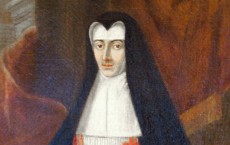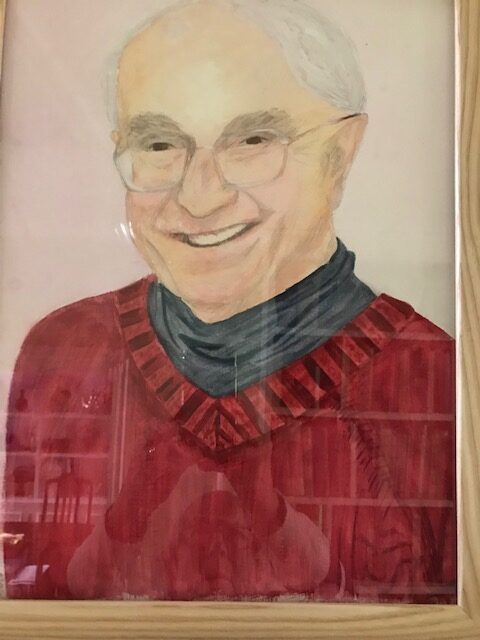
Sister Mary Aloysia Joseph Wright of the English Canonesses of the Holy Sepulchre, Liège; oil painting
Read MoreGerman soldier on home leave with his family, 1942.
Read MoreNo state can do without taxation. States need to pay for bureaucrats, soldiers, policemen, infrastructure, and the more ambitious ones also pay for schools, hospitals and social security programs. Fiscal capacity forms the backbone of the state, and both sovereign and colonial regimes confront the revenue imperative. But how, in the case of colonial rule, […]
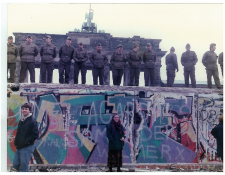
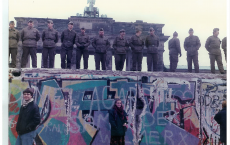
Read MoreHope M. Harrison at the Berlin Wall, November 11, 1989.
Read MoreGreat children’s stories embody the spirit of nations. How else would they become classics? Kornei Chukovsky’s Krokodil, Soviet Russia’s first children’s story, appeared when Russian culture was pivoting from its prerevolutionary past to a Soviet future. By nature, rather than design, the work carried key features of earlier cultural traditions and presaged changes on the […]
Read MoreThe decades following the demise of the Carolingian Empire in 888 were traditionally seen as a downward spiral of political fragmentation and cultural stagnation: a ‘mind-the-gap’ period between the ninth-century Carolingian achievement and the intellectual vibrancy and royal assertiveness of the eleventh and twelfth centuries. The humanist Lorenzo Valla famously described this period as ‘an […]
Read MoreWhen trying to choose the science and the scientists that shaped the 20th century, many think about nuclear energy and the near mythical names of Maria Skłodowska-Curie, Max Planck, Niels Bohr, Albert Einstein, or perhaps about the revolution caused by molecular biology and the almost magical DNA and its 1953 discovery by James Watson and […]
Read MoreWhy do we need another book about Queen Victoria? The last time I checked, there were over 1,500 entries for the Queen as a subject in WorldCat. Yet on this, the 200th anniversary of Queen Victoria’s birth, I’d like to think that my book clears up some significant misunderstandings about the Queen, particularly on matters […]
Read MoreSister Mary Aloysia Joseph Wright of the English Canonesses of the Holy Sepulchre, Liège; oil paint...
Read MoreGerman soldier on home leave with his family, 1942. ...
Read MoreNo state can do without taxation. States need to pay for bureaucrats, soldiers, policemen, infrastructure, and the more ambitious ones also pay for schools, hospitals and social security programs. Fiscal capacity forms the backbone of the state, and both sovereign and colonial regimes confront the revenue imperative. But how, in the case of colonial rule, […]
Read MoreHope M. Harrison at the Berlin Wall, November 11, 1989....
Read MoreGreat children’s stories embody the spirit of nations. How else would they become classics? Kornei Chukovsky’s Krokodil, Soviet Russia’s first children’s story, appeared when Russian culture was pivoting from its prerevolutionary past to a Soviet future. By nature, rather than design, the work carried key features of earlier cultural traditions and presaged changes on the […]
Read MoreThe decades following the demise of the Carolingian Empire in 888 were traditionally seen as a downward spiral of political fragmentation and cultural stagnation: a ‘mind-the-gap’ period between the ninth-century Carolingian achievement and the intellectual vibrancy and royal assertiveness of the eleventh and twelfth centuries. The humanist Lorenzo Valla famously described this period as ‘an […]
Read MoreWhen trying to choose the science and the scientists that shaped the 20th century, many think about nuclear energy and the near mythical names of Maria Skłodowska-Curie, Max Planck, Niels Bohr, Albert Einstein, or perhaps about the revolution caused by molecular biology and the almost magical DNA and its 1953 discovery by James Watson and […]
Read MoreWhy do we need another book about Queen Victoria? The last time I checked, there were over 1,500 entries for the Queen as a subject in WorldCat. Yet on this, the 200th anniversary of Queen Victoria’s birth, I’d like to think that my book clears up some significant misunderstandings about the Queen, particularly on matters […]
Read MoreKeep up with the latest from Cambridge University Press on our social media accounts.
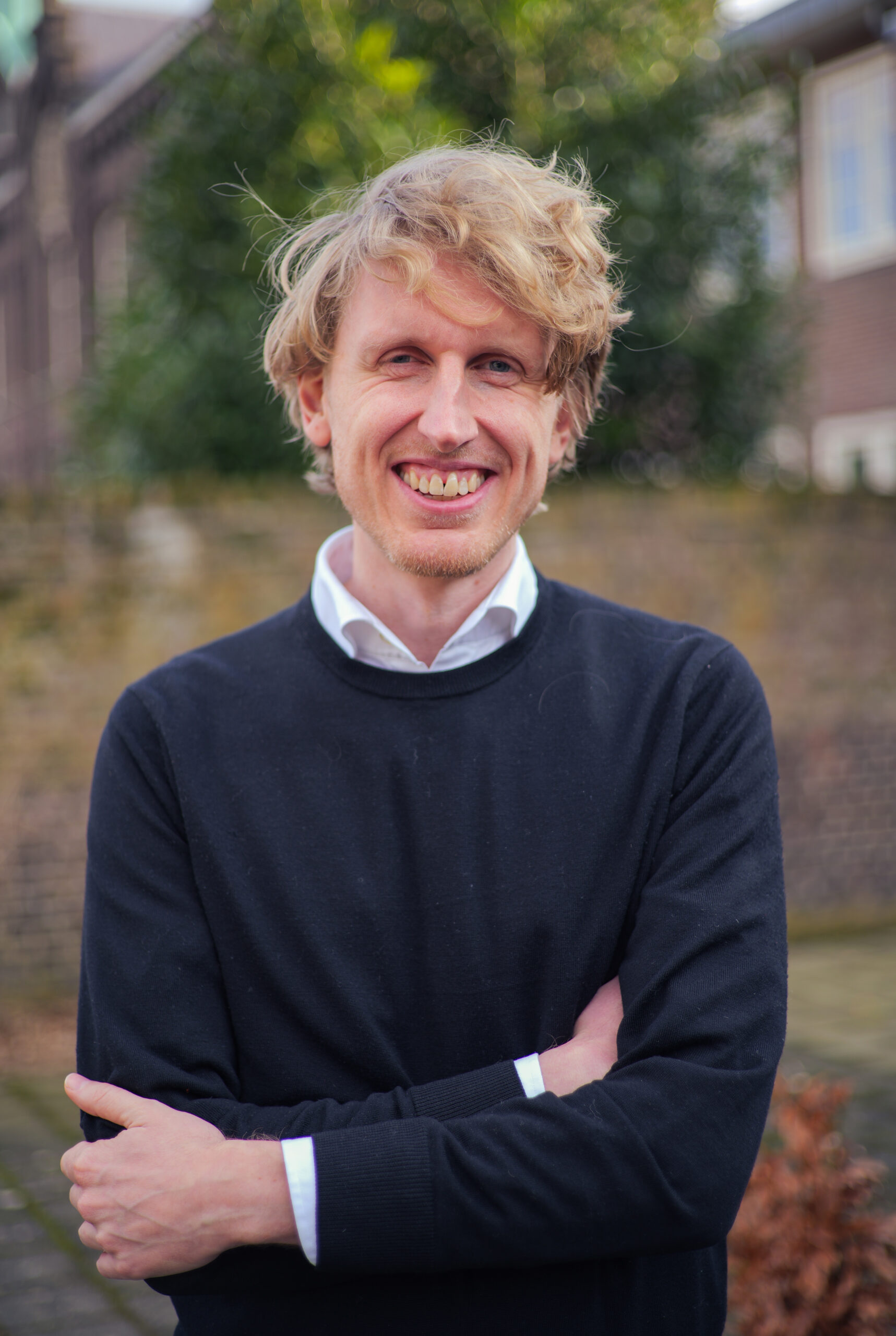
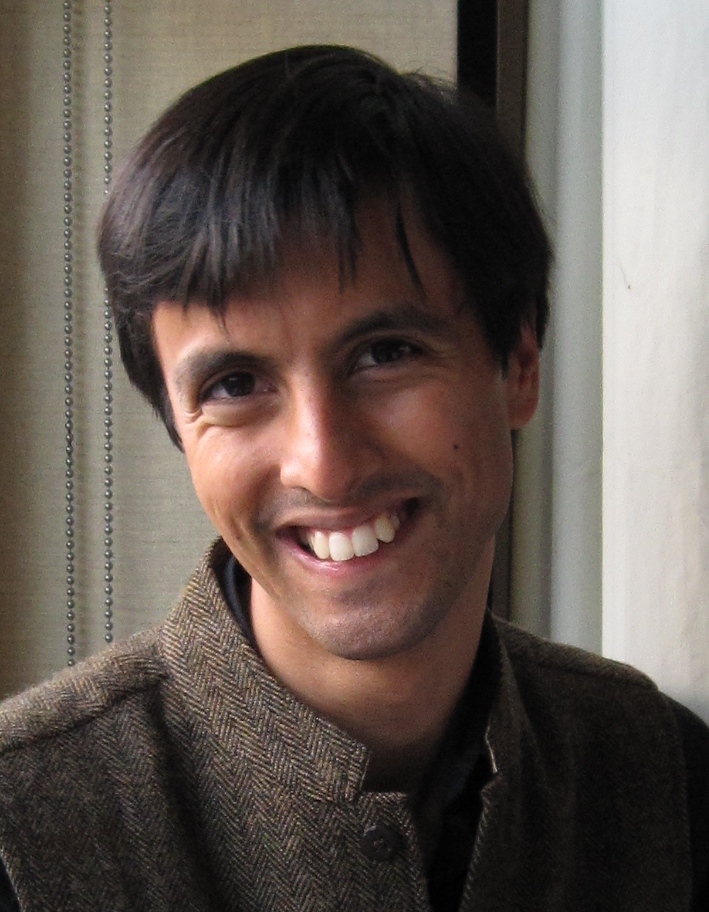
Merry E. Wiesner-Hanks is Distinguished Professor of History Emerita at the University of Wisconsin-Milwaukee and an experienced textbook author.
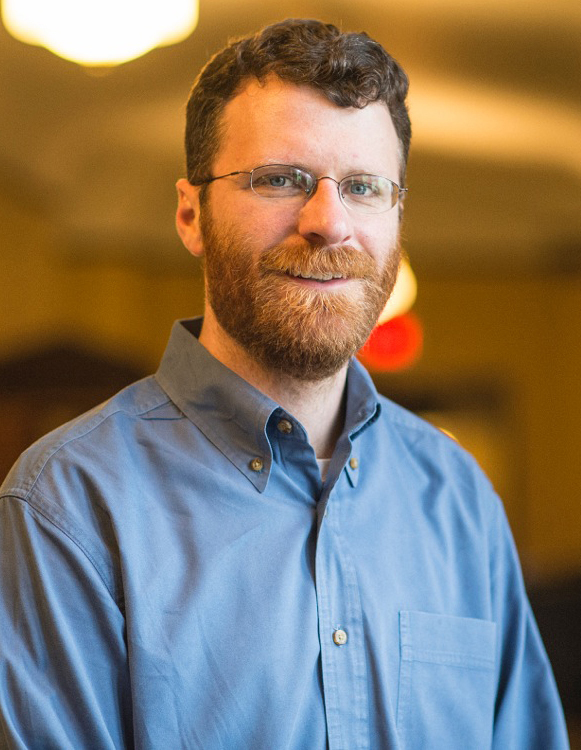
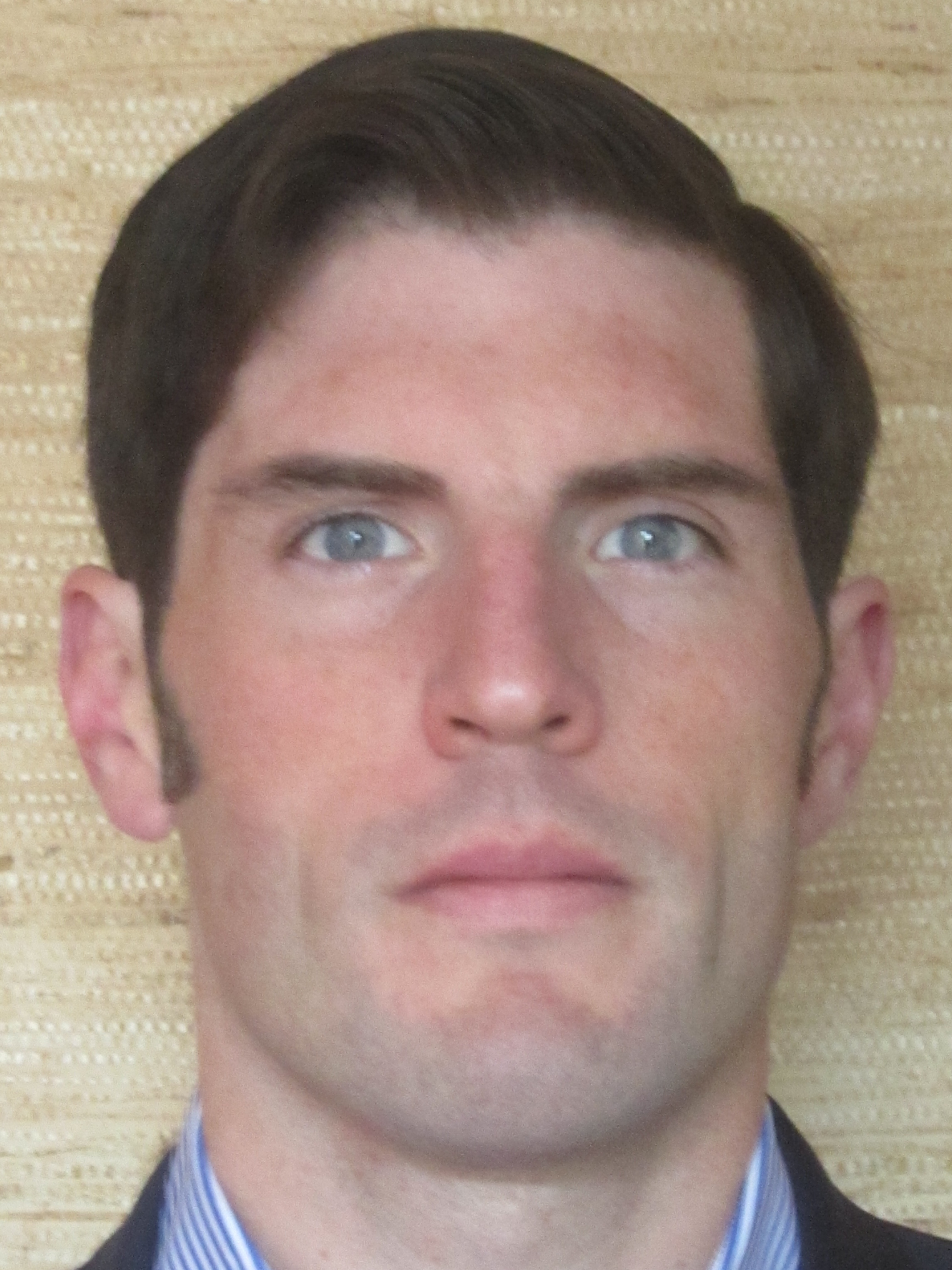
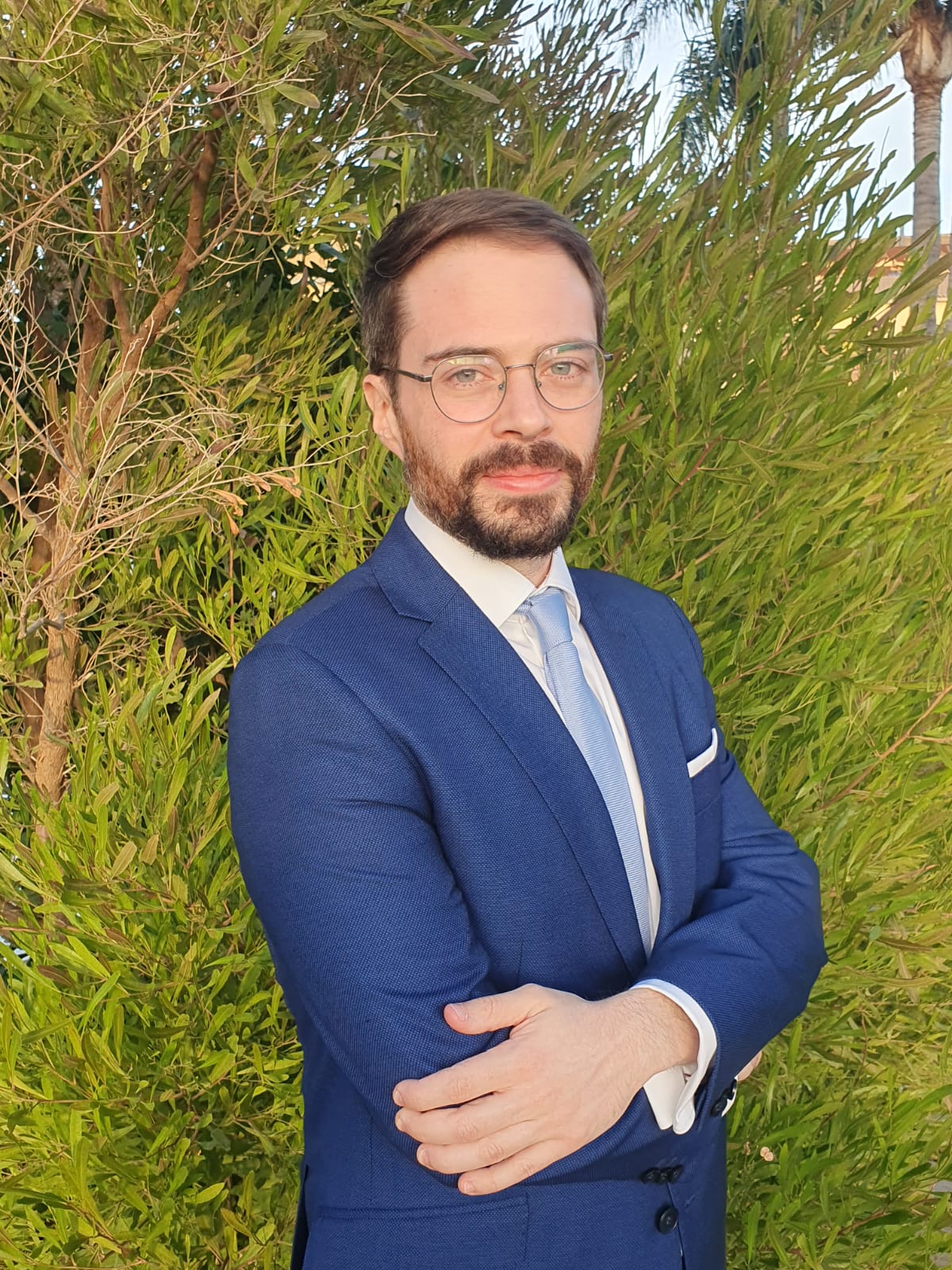
Tomás Irish is Associate Professor of Modern History at Swansea University. A specialist in the cultural history of the First World War and interwar Europe, his books include the prizewinning The University at War 1914-25: Britain, France and the United States (2015), and Trinity in War and Revolution, 1912-23 (2015).
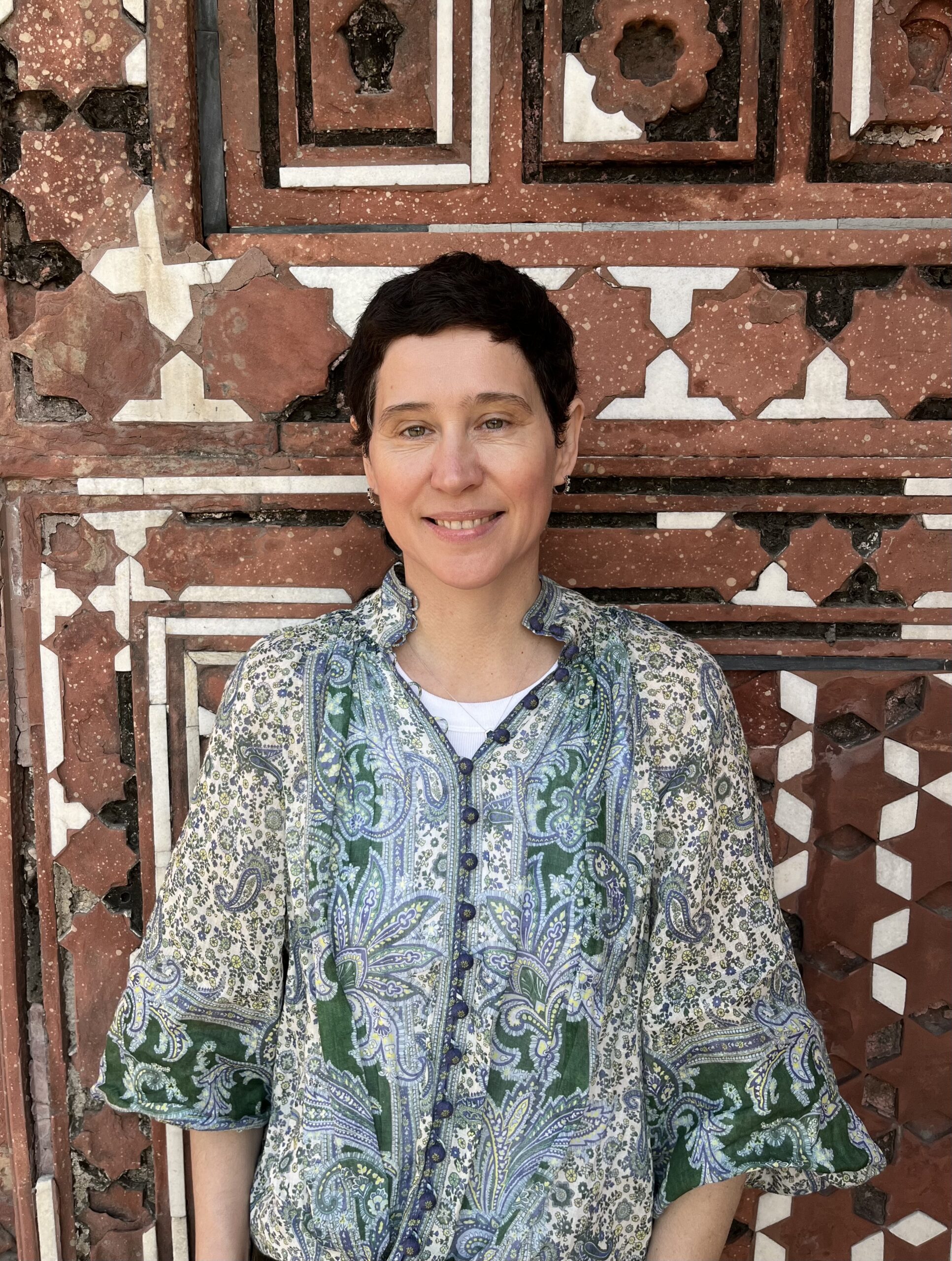
Adrian Pole has a Ph.D. from the University of Edinburgh, and is a historian of Spain researching its modern history in a transnational context.
German Historical Institute, Washington DC
Marquette University, Wisconsin
University of Oxford
University of Sheffield
Katholieke Universiteit Leuven, Belgium
Dreams and Visions in the Early Middle Ages
French Colonial Soldiers in German Captivity during World War II
American Grand Strategy in the Mediterranean during World War II
Combat and Genocide on the Eastern Front
Reconstructing Sociology
John Kiszely
She-Wolf: The Story of a Roman Icon
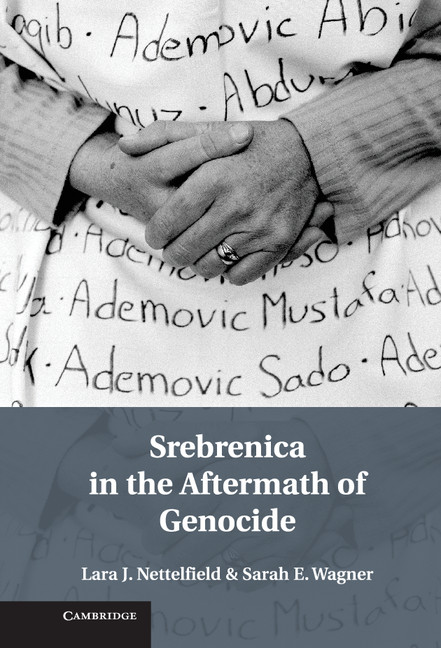
Srebrenica in the Aftermath of Genocide
A Concise History of Sweden
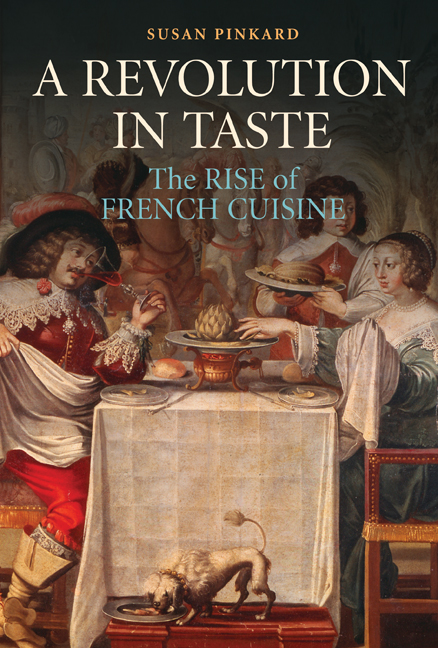
A Revolution in Taste
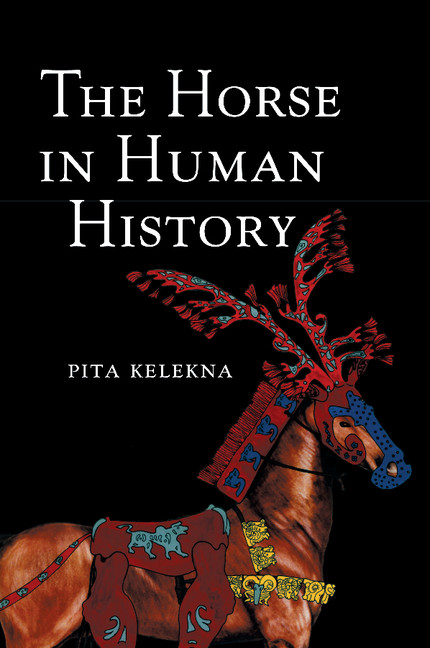
The Horse in Human History
Srebrenica in the Aftermath of Genocide
Venice: History of the Floating City
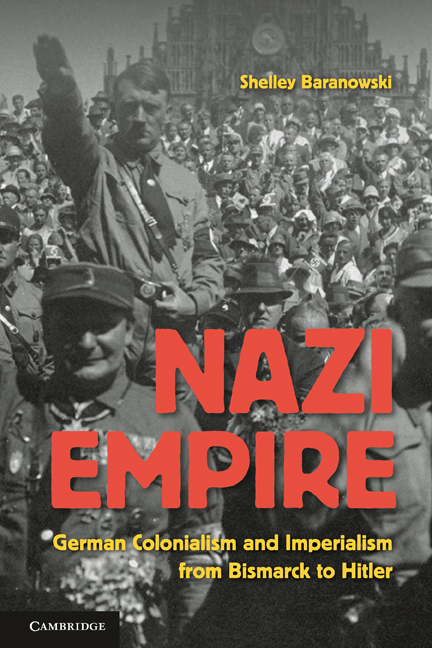
Nazi Empire
London: A Social and Cultural History, 1550–1750
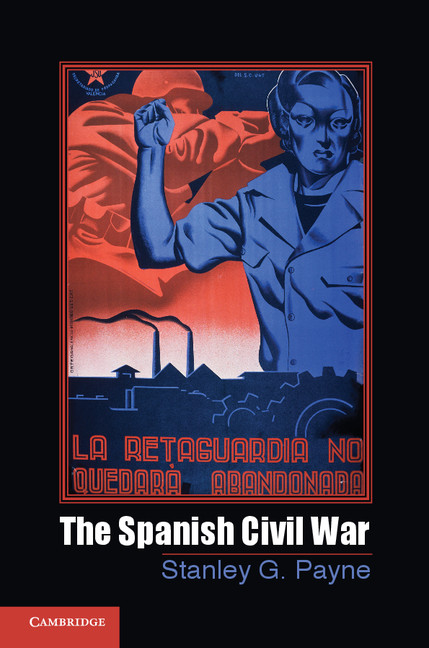
The Spanish Civil War
Operation Typhoon
Seduced by Secrets
A Short History of Ireland
The American Mission and the \\\\\\\'Evil Empire\\\\\\\'
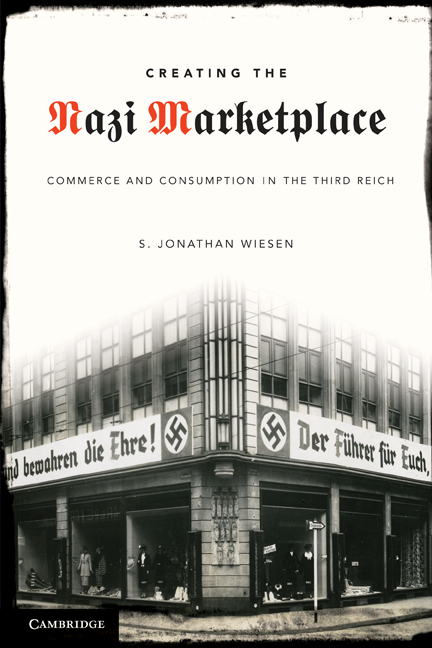
Creating the Nazi Marketplace
London: A Social and Cultural History, 1550-1750
The Social Life of Hagiography in the Merovingian Kingdom
The First French Reformation
Behind the Front
The Fascists and the Jews of Italy
Twentieth-Century Spain
Cambridge University Press Archivist
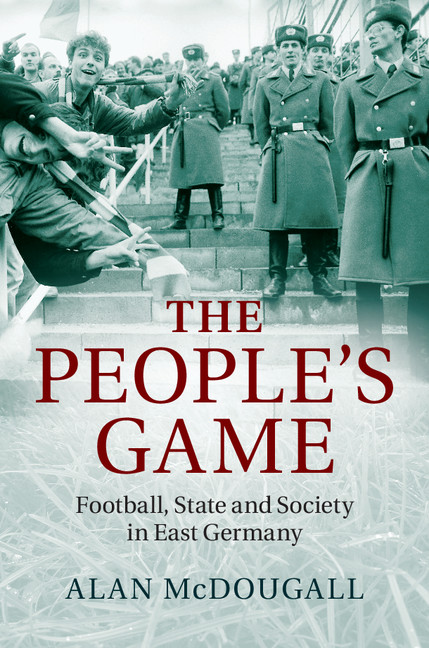
The People\'s Game
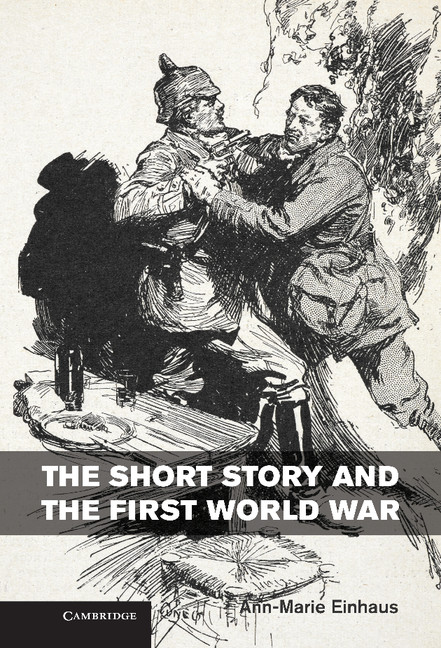
The Short Story and the First World War
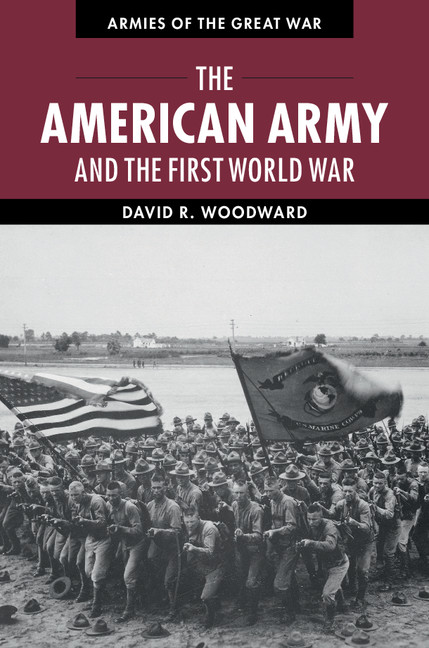
The American Army and the First World War
A Divided Republic
Wine, Sugar, and the Making of Modern France
Ferdinand II, Counter-Reformation Emperor, 1578–1637
Publisher
German Immigrants, Race, and Citizenship in the Civil War Era
Wilhelm II
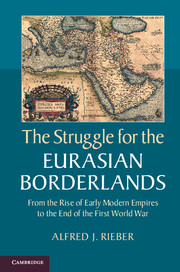
The Struggle for the Eurasian Borderlands
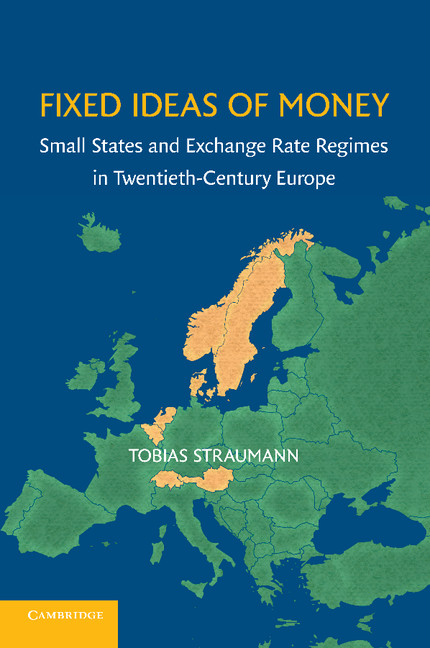
Fixed Ideas of Money
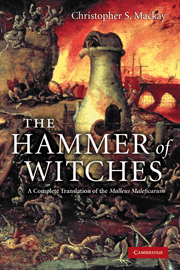
The Hammer of Witches
Eating and Ethics in Shakespeare\\\\\\\'s England
To receive updates on European History news from Cambridge University Press and Fifteen Eighty Four, please join our email list below. We will not disclose your email address to any third party