During recent weeks we have witnessed often abusive gatherings in the United States and Spain demanding that covid-19 restrictions be lifted. Flags are flown, anthems are sung, slogans are cheered, all in an effort to show that quarantine is a violation of deep, eternal, and patriotic principles. Public health is not the issue; freedom is. […]
Read MoreLiving Lockdown as an academic historian has meant learning a great deal, and fast. There was the move to online teaching and student support, meetings to plan the first academic year with social isolation, and helping to keep research – and the training of historians – alive and meaningful. Like so many others it seems […]
Read MoreWe hope everyone enjoyed our Facebook Live Q&A yesterday with Kris Lane, Matthew Restall and Merry Wiesner-Hanks! Thank you to everyone who submitted questions. It was great to hear about the authors’ teaching experiences and what motivated them to write their textbooks. They shared some useful advice on restructuring courses to teach online. They also […]
Read More“If it bleeds, it leads” – the cynical motto of the modern media, which uses fear and sensationalism to drive up ratings and sell advertising. But were medieval and Byzantine narratives sources much better? They also tend to focus on unusual events and personalities, on political strife rather than peaceful business as usual, and on […]
Read MoreIllustration: Paul Delaroche, Portrait of James Alexandre de Pourtales-Gorgier (1846)
Read MoreHow we understand and respond to failure is one of the most defining features of how our lives pan out. Some people refuse to fail. Some people expect to fail. Some people always hide from their own failings (most of these currently seem to be in politics). Others always look for failings in themselves, or […]
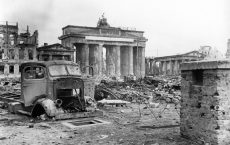
Read MoreImagine. It’s 1965, you’re at home in on Prenzlauer Berg, the Berlin Wall is visible from your window, and you’re having friends over to your flat. Someone brings the latest Thelonious Monk record, smuggled across the border from the West, and everyone gathers round in excitement. You could go to jail for this, you realize—after […]
Read MoreIn my recent Cambridge University Press book, A Renaissance of Violence, I document a frightening rise in civil violence in the Italian city of Bologna in the seventeenth century. I show how what began as a spike of homicides in the rural countryside in the 1630s moved into the province’s urban core by the 1650s […]
Read MoreDuring recent weeks we have witnessed often abusive gatherings in the United States and Spain demanding that covid-19 restrictions be lifted. Flags are flown, anthems are sung, slogans are cheered, all in an effort to show that quarantine is a violation of deep, eternal, and patriotic principles. Public health is not the issue; freedom is. […]
Read MoreLiving Lockdown as an academic historian has meant learning a great deal, and fast. There was the move to online teaching and student support, meetings to plan the first academic year with social isolation, and helping to keep research – and the training of historians – alive and meaningful. Like so many others it seems […]
Read MoreWe hope everyone enjoyed our Facebook Live Q&A yesterday with Kris Lane, Matthew Restall and Merry Wiesner-Hanks! Thank you to everyone who submitted questions. It was great to hear about the authors’ teaching experiences and what motivated them to write their textbooks. They shared some useful advice on restructuring courses to teach online. They also […]
Read More“If it bleeds, it leads” – the cynical motto of the modern media, which uses fear and sensationalism to drive up ratings and sell advertising. But were medieval and Byzantine narratives sources much better? They also tend to focus on unusual events and personalities, on political strife rather than peaceful business as usual, and on […]
Read MoreIllustration: Paul Delaroche, Portrait of James Alexandre de Pourtales-Gorgier (1846)...
Read MoreHow we understand and respond to failure is one of the most defining features of how our lives pan out. Some people refuse to fail. Some people expect to fail. Some people always hide from their own failings (most of these currently seem to be in politics). Others always look for failings in themselves, or […]
Read MoreImagine. It’s 1965, you’re at home in on Prenzlauer Berg, the Berlin Wall is visible from your window, and you’re having friends over to your flat. Someone brings the latest Thelonious Monk record, smuggled across the border from the West, and everyone gathers round in excitement. You could go to jail for this, you realize—after […]
Read MoreIn my recent Cambridge University Press book, A Renaissance of Violence, I document a frightening rise in civil violence in the Italian city of Bologna in the seventeenth century. I show how what began as a spike of homicides in the rural countryside in the 1630s moved into the province’s urban core by the 1650s […]
Read MoreKeep up with the latest from Cambridge University Press on our social media accounts.
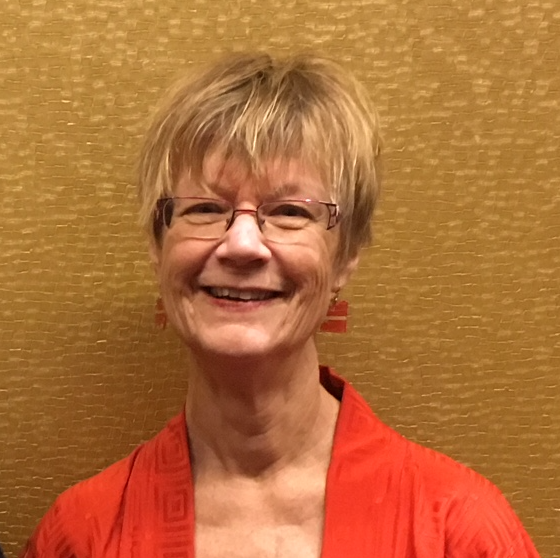
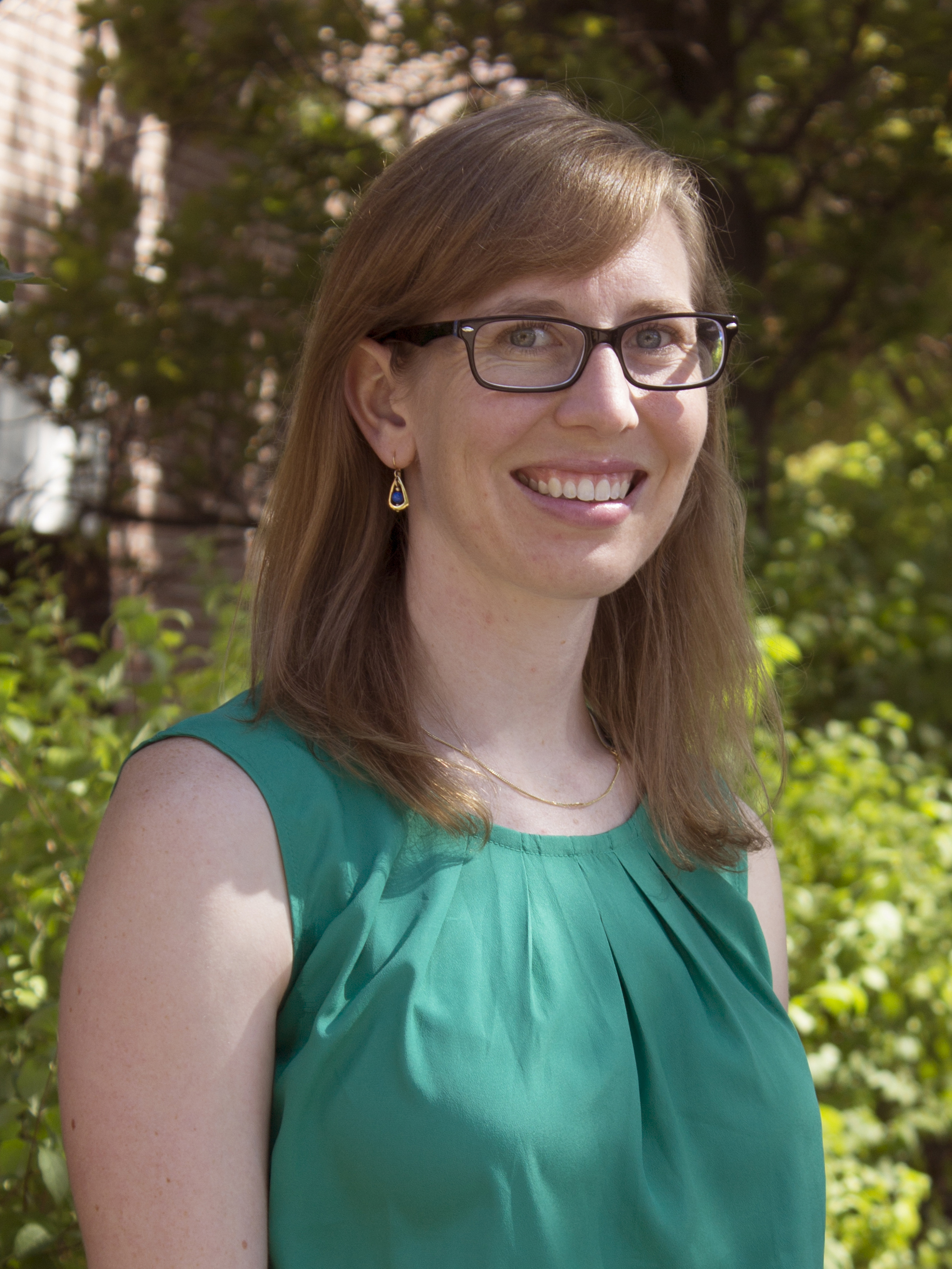
Merry E. Wiesner-Hanks is Distinguished Professor of History Emerita at the University of Wisconsin-Milwaukee and an experienced textbook author.
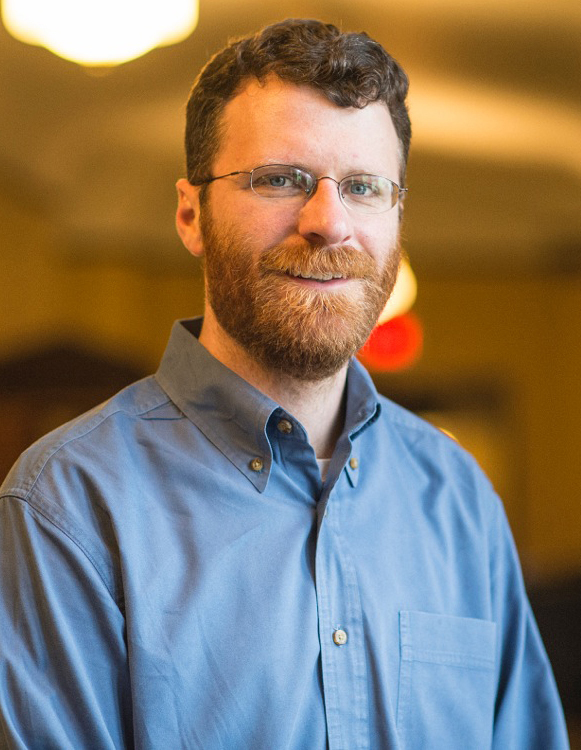
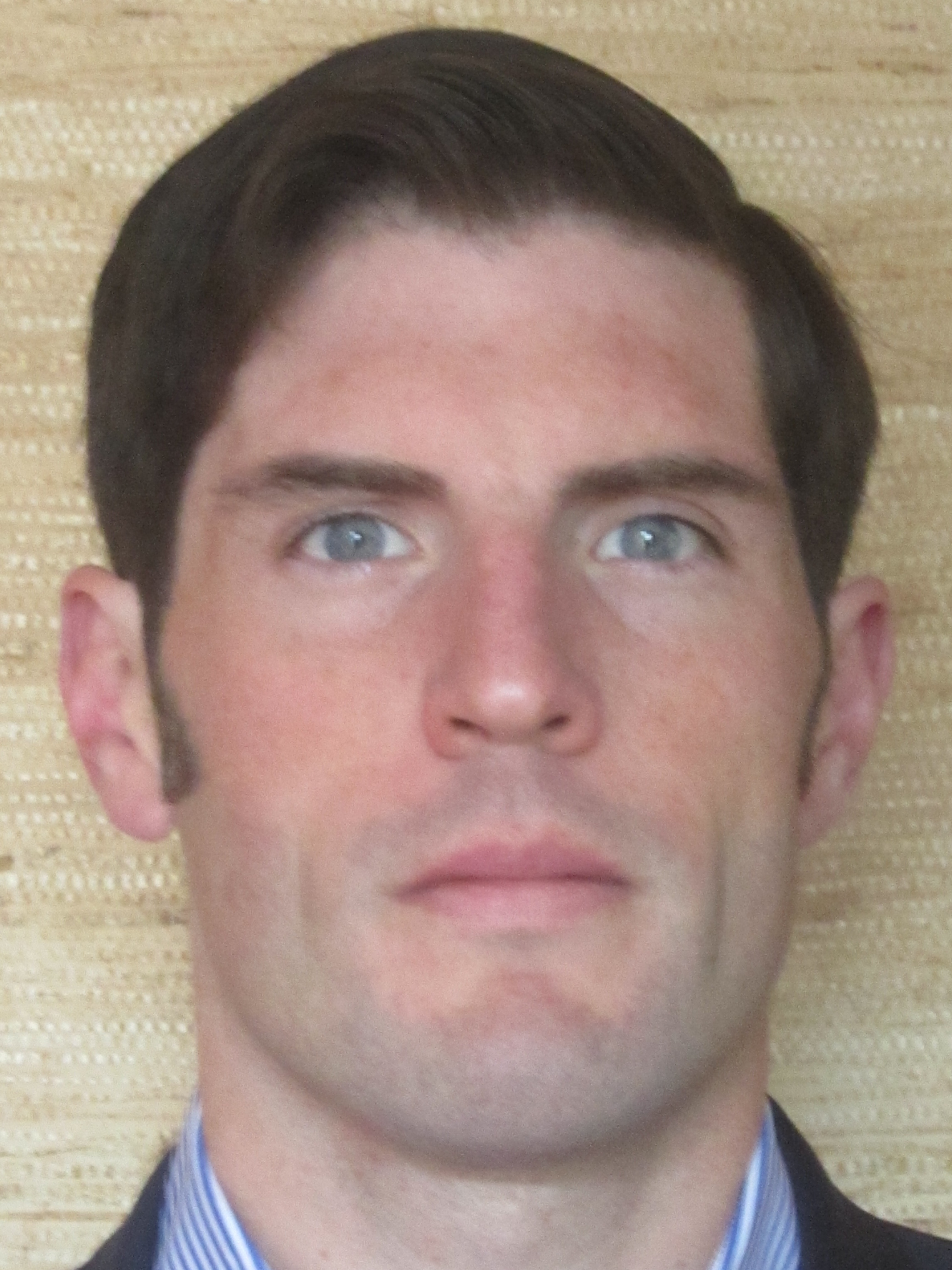
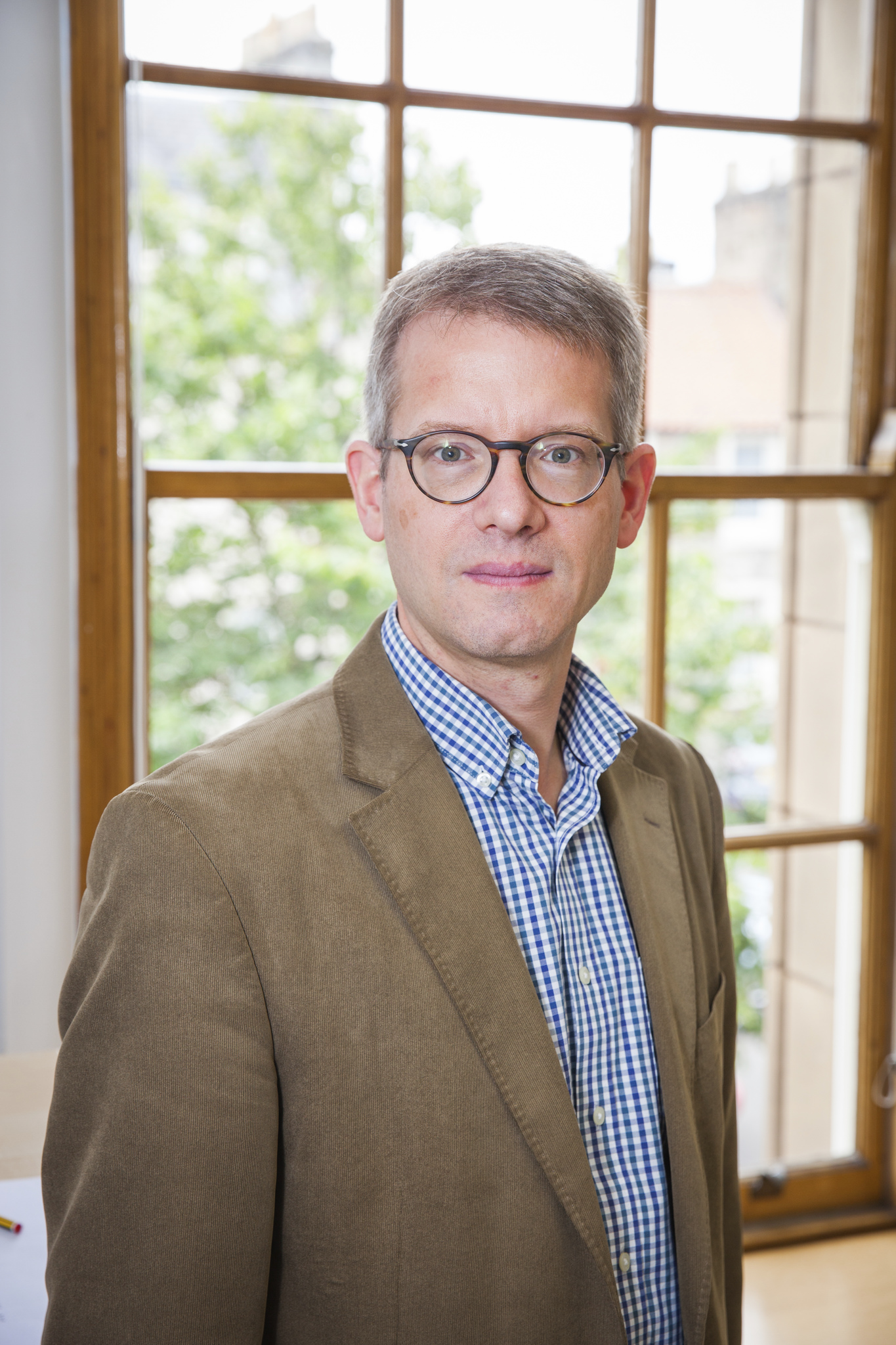
Tomás Irish is Associate Professor of Modern History at Swansea University. A specialist in the cultural history of the First World War and interwar Europe, his books include the prizewinning The University at War 1914-25: Britain, France and the United States (2015), and Trinity in War and Revolution, 1912-23 (2015).
Adrian Pole has a Ph.D. from the University of Edinburgh, and is a historian of Spain researching its modern history in a transnational context.
German Historical Institute, Washington DC
Marquette University, Wisconsin
University of Oxford
University of Sheffield
Katholieke Universiteit Leuven, Belgium
Dreams and Visions in the Early Middle Ages
French Colonial Soldiers in German Captivity during World War II
American Grand Strategy in the Mediterranean during World War II
Combat and Genocide on the Eastern Front
Reconstructing Sociology
John Kiszely
She-Wolf: The Story of a Roman Icon
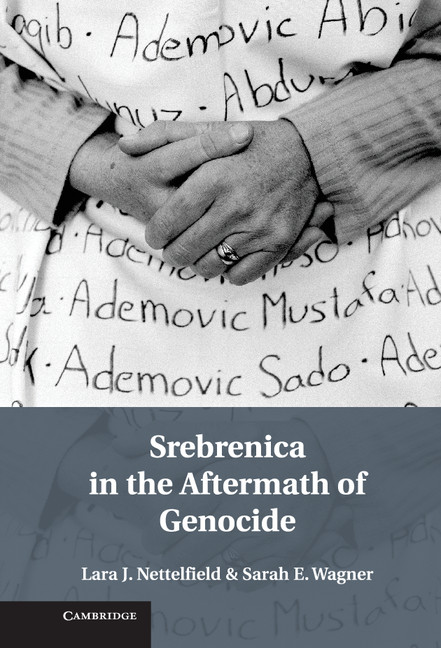
Srebrenica in the Aftermath of Genocide
A Concise History of Sweden
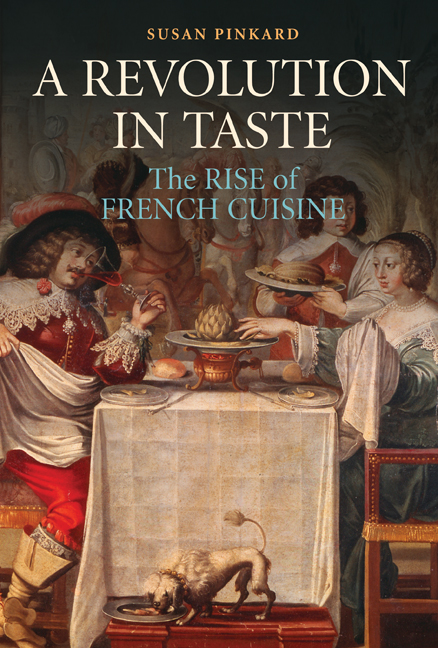
A Revolution in Taste
The Horse in Human History
Srebrenica in the Aftermath of Genocide
Venice: History of the Floating City
Nazi Empire
London: A Social and Cultural History, 1550–1750
The Spanish Civil War
Operation Typhoon
Seduced by Secrets
A Short History of Ireland
The American Mission and the \\\\\\\'Evil Empire\\\\\\\'
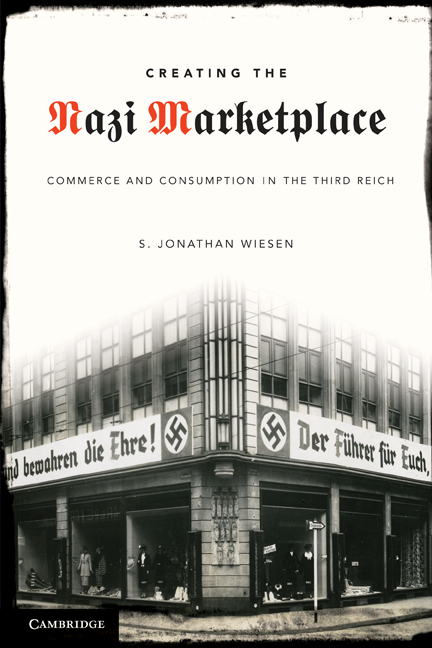
Creating the Nazi Marketplace
London: A Social and Cultural History, 1550-1750
The Social Life of Hagiography in the Merovingian Kingdom
The First French Reformation
Behind the Front
The Fascists and the Jews of Italy
Twentieth-Century Spain
Cambridge University Press Archivist
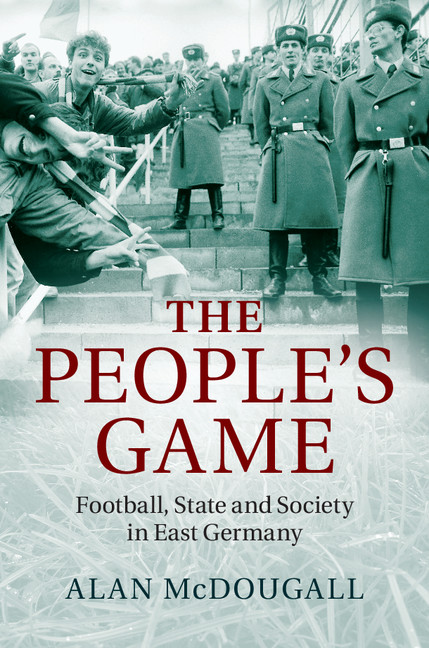
The People\'s Game
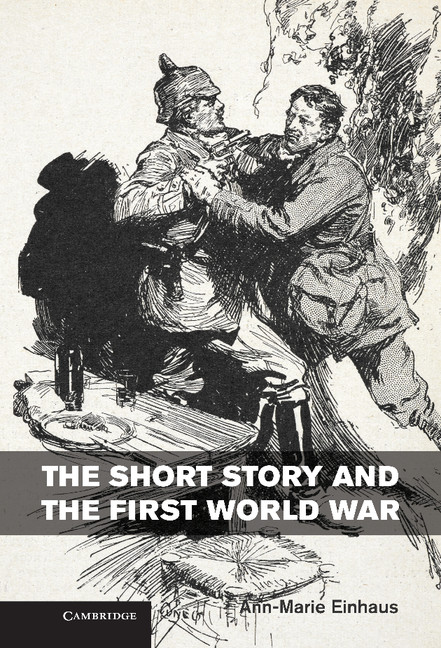
The Short Story and the First World War
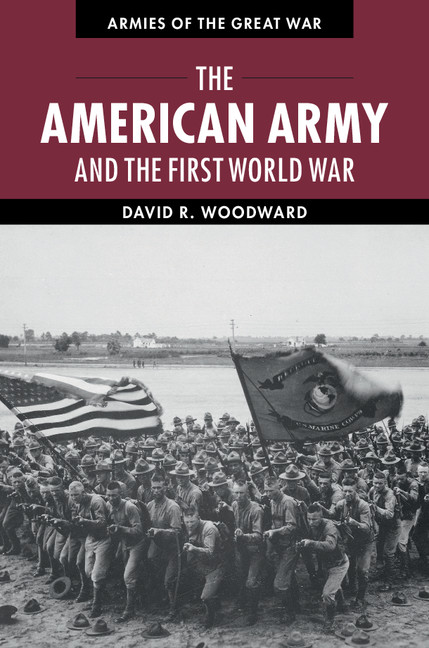
The American Army and the First World War
A Divided Republic
Wine, Sugar, and the Making of Modern France
Ferdinand II, Counter-Reformation Emperor, 1578–1637
Publisher
German Immigrants, Race, and Citizenship in the Civil War Era
Wilhelm II
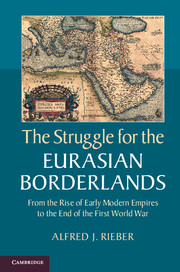
The Struggle for the Eurasian Borderlands
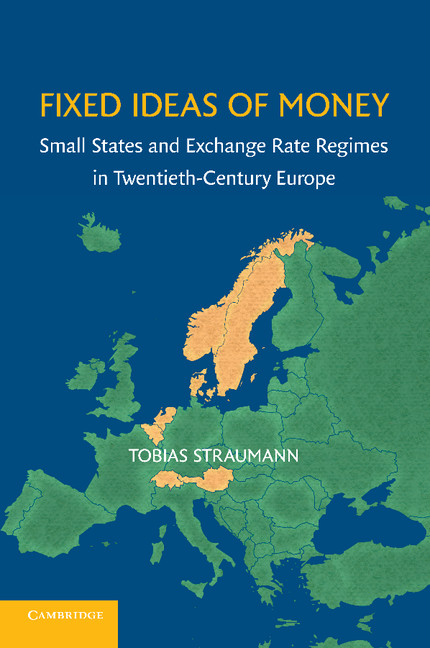
Fixed Ideas of Money
The Hammer of Witches
Eating and Ethics in Shakespeare\\\\\\\'s England
To receive updates on European History news from Cambridge University Press and Fifteen Eighty Four, please join our email list below. We will not disclose your email address to any third party