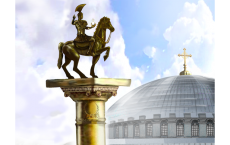
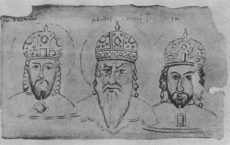
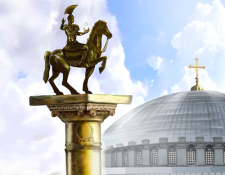
Few Byzantine emperors had a life as tumultuous as that of Manuel II Palaiologos (1350-1425). Living and ruling during the last decades of the Byzantine Empire, Manuel witnessed civil wars between the members of his own family, socio-economic problems and theological disputes. His paths crossed with many famed rulers and scholars of the age. His […]
Read MoreIn the last decade, Western Europe’s two main systems of alliance – NATO and the EU – have both experienced crises that threatened their existence. From battles over economic austerity, to demands that some NATO partners increase their military spending, to the process of Brexit, the challenges confronting both alliances may seem unprecedented in their […]
Read MoreWhen I started to dream up my book Paper in Medieval England: from Pulp to Fictions, I wanted to find out why medieval people were interested in paper and how paper became a success story in pre-modern times. It was a project of discovery as well as deep frustration. Paper seemed to have quite a […]
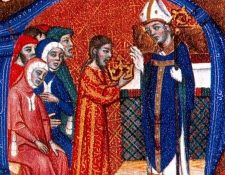
Read MoreThe popularity and spread of the rite of self-coronation reached its zenith with Napoleon’s imperial self-coronation in Paris in 1804. This event achieved world notoriety in large part because of the monumental painting by the court artist, Jacques-Louis David, currently on display at the Louvre. This picture, and the popular belief around the ritual of […]
Read MoreThe rewriting of history to suit a current political agenda is not new. Nor is the creative representation of particular individuals or institutions only a modern phenomenon. The extraordinary serial biography of the ancient and early medieval popes known as the Liber pontificalis (Book of Pontiffs) is an example from the sixth century, composed within […]
Read MoreThe current pandemic and global health and economic crisis has overshadowed an event that would normally have enjoyed a lot more discussion and attention: the 75th anniversary of the end of World War II in Europe on May 8, 2020. Yet, then as well as now it forced individuals and organizations to come to terms […]
Read MoreHistorians have long argued that the value of their field lay in its applicability to the present day. It serves society best, according to a recent formulation, as a guide that encourages broad perspective and careful judgement among policy makers in the public sphere. The judgments appear particularly appropriate now, as the world endures a […]
Read MoreWhat happens in the afterlife has been one of the ‘burning’ questions that preoccupy humanity. As such, its representations provide a perfect platform to dip into the past by looking at art through the eyes of its contemporary people. So, please join me for a brief visit in the fourteenth century. The year is 1373. […]
Read MoreFew Byzantine emperors had a life as tumultuous as that of Manuel II Palaiologos (1350-1425). Living and ruling during the last decades of the Byzantine Empire, Manuel witnessed civil wars between the members of his own family, socio-economic problems and theological disputes. His paths crossed with many famed rulers and scholars of the age. His […]
Read MoreIn the last decade, Western Europe’s two main systems of alliance – NATO and the EU – have both experienced crises that threatened their existence. From battles over economic austerity, to demands that some NATO partners increase their military spending, to the process of Brexit, the challenges confronting both alliances may seem unprecedented in their […]
Read MoreWhen I started to dream up my book Paper in Medieval England: from Pulp to Fictions, I wanted to find out why medieval people were interested in paper and how paper became a success story in pre-modern times. It was a project of discovery as well as deep frustration. Paper seemed to have quite a […]
Read MoreThe popularity and spread of the rite of self-coronation reached its zenith with Napoleon’s imperial self-coronation in Paris in 1804. This event achieved world notoriety in large part because of the monumental painting by the court artist, Jacques-Louis David, currently on display at the Louvre. This picture, and the popular belief around the ritual of […]
Read MoreThe rewriting of history to suit a current political agenda is not new. Nor is the creative representation of particular individuals or institutions only a modern phenomenon. The extraordinary serial biography of the ancient and early medieval popes known as the Liber pontificalis (Book of Pontiffs) is an example from the sixth century, composed within […]
Read MoreThe current pandemic and global health and economic crisis has overshadowed an event that would normally have enjoyed a lot more discussion and attention: the 75th anniversary of the end of World War II in Europe on May 8, 2020. Yet, then as well as now it forced individuals and organizations to come to terms […]
Read MoreHistorians have long argued that the value of their field lay in its applicability to the present day. It serves society best, according to a recent formulation, as a guide that encourages broad perspective and careful judgement among policy makers in the public sphere. The judgments appear particularly appropriate now, as the world endures a […]
Read MoreWhat happens in the afterlife has been one of the ‘burning’ questions that preoccupy humanity. As such, its representations provide a perfect platform to dip into the past by looking at art through the eyes of its contemporary people. So, please join me for a brief visit in the fourteenth century. The year is 1373. […]
Read MoreKeep up with the latest from Cambridge University Press on our social media accounts.
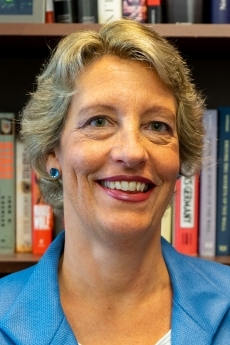
Merry E. Wiesner-Hanks is Distinguished Professor of History Emerita at the University of Wisconsin-Milwaukee and an experienced textbook author.
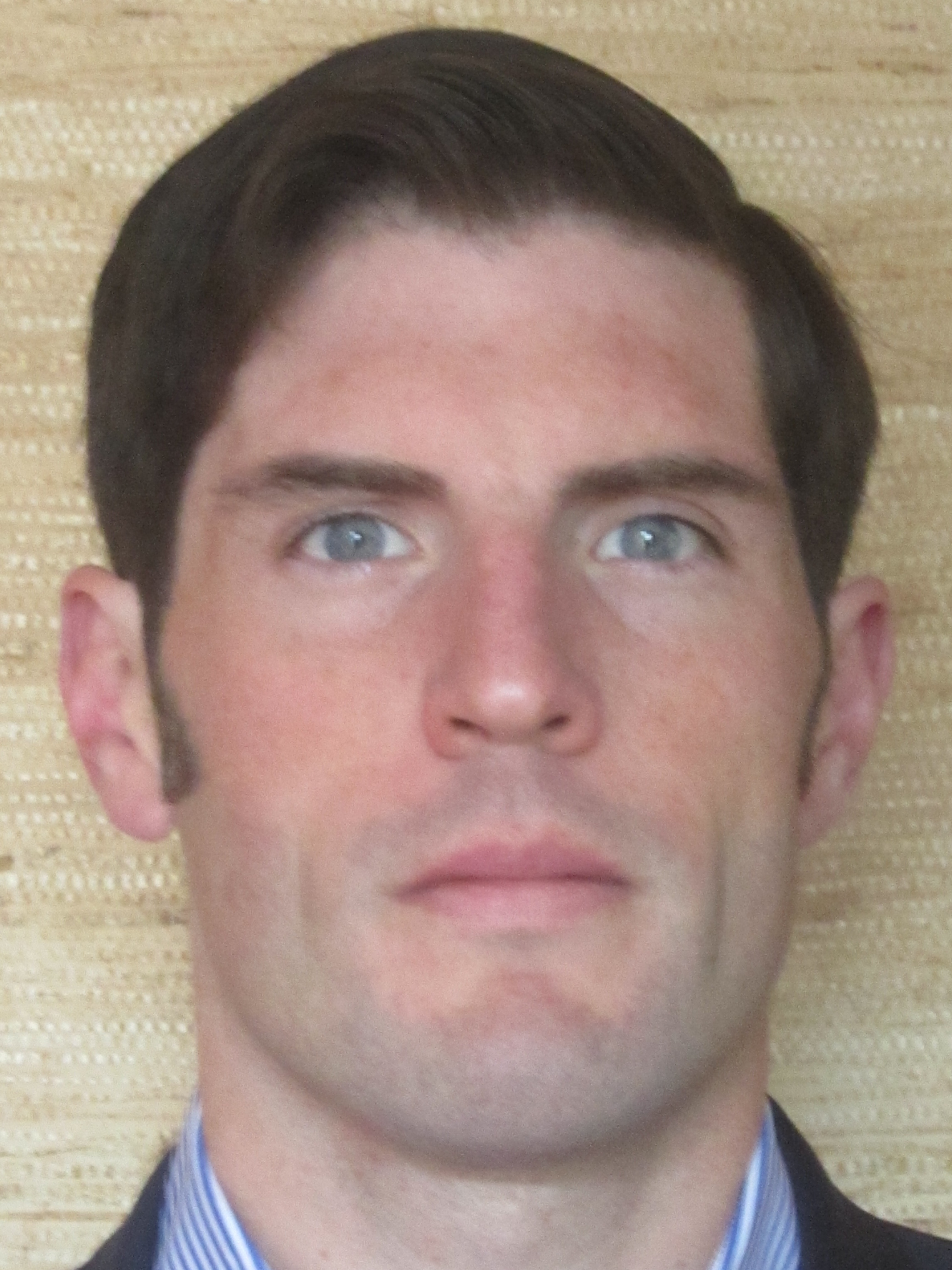
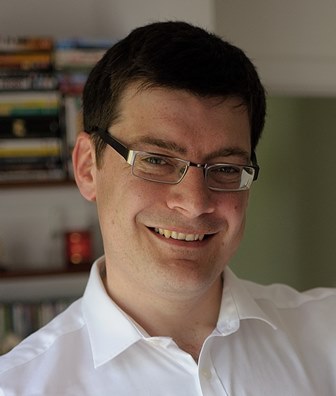
Tomás Irish is Associate Professor of Modern History at Swansea University. A specialist in the cultural history of the First World War and interwar Europe, his books include the prizewinning The University at War 1914-25: Britain, France and the United States (2015), and Trinity in War and Revolution, 1912-23 (2015).
Adrian Pole has a Ph.D. from the University of Edinburgh, and is a historian of Spain researching its modern history in a transnational context.
German Historical Institute, Washington DC
Marquette University, Wisconsin
University of Oxford
University of Sheffield
Katholieke Universiteit Leuven, Belgium
Dreams and Visions in the Early Middle Ages
French Colonial Soldiers in German Captivity during World War II
American Grand Strategy in the Mediterranean during World War II
Combat and Genocide on the Eastern Front
Reconstructing Sociology
John Kiszely
She-Wolf: The Story of a Roman Icon
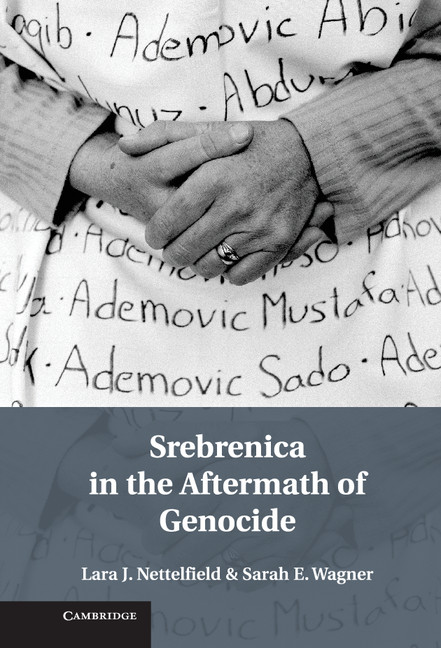
Srebrenica in the Aftermath of Genocide
A Concise History of Sweden
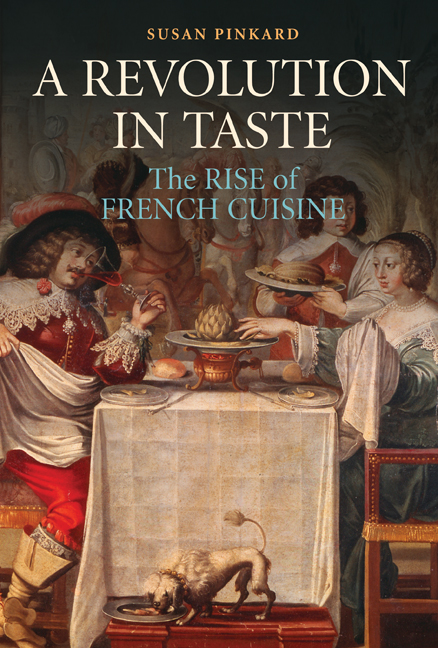
A Revolution in Taste
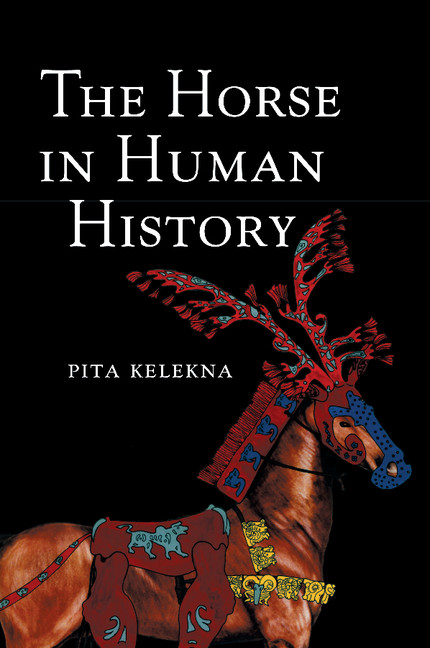
The Horse in Human History
Srebrenica in the Aftermath of Genocide
Venice: History of the Floating City
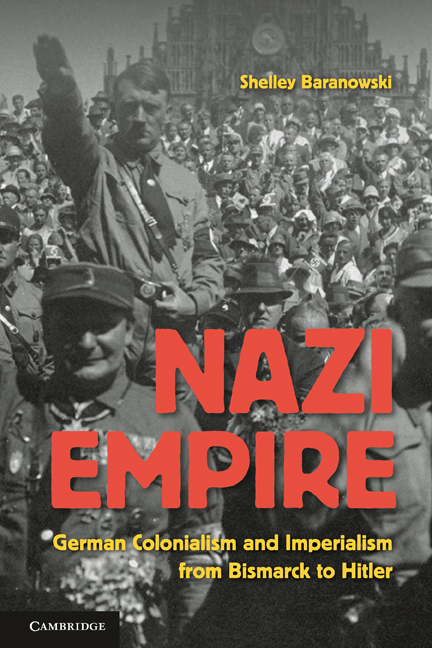
Nazi Empire
London: A Social and Cultural History, 1550–1750
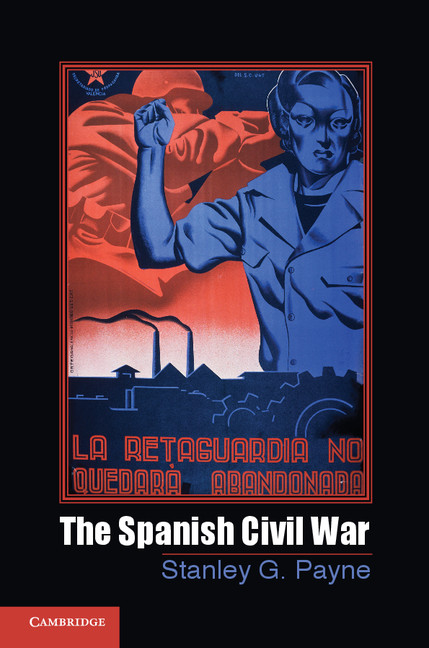
The Spanish Civil War
Operation Typhoon
Seduced by Secrets
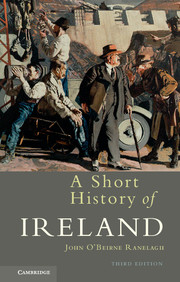
A Short History of Ireland
The American Mission and the \\\\\\\'Evil Empire\\\\\\\'
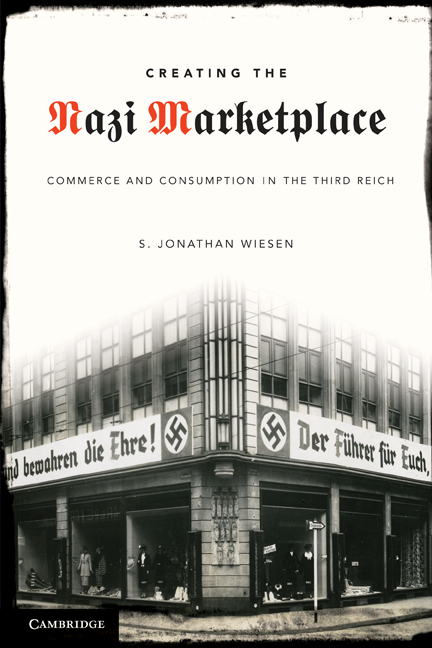
Creating the Nazi Marketplace
London: A Social and Cultural History, 1550-1750
The Social Life of Hagiography in the Merovingian Kingdom
The First French Reformation
Behind the Front
The Fascists and the Jews of Italy
Twentieth-Century Spain
Cambridge University Press Archivist
The People\'s Game
The Short Story and the First World War
The American Army and the First World War
A Divided Republic
Wine, Sugar, and the Making of Modern France
Ferdinand II, Counter-Reformation Emperor, 1578–1637
Publisher
German Immigrants, Race, and Citizenship in the Civil War Era
Wilhelm II
The Struggle for the Eurasian Borderlands
Fixed Ideas of Money
The Hammer of Witches
Eating and Ethics in Shakespeare\\\\\\\'s England
To receive updates on European History news from Cambridge University Press and Fifteen Eighty Four, please join our email list below. We will not disclose your email address to any third party