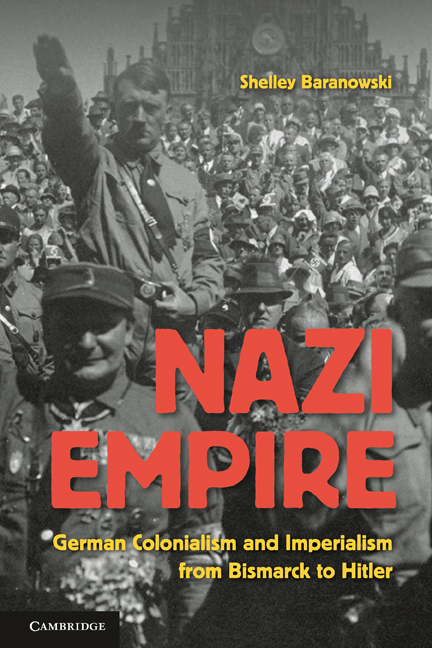
In the German elections of 1912, the Social Democrats emerged as the largest party in the Reichstag. When assessing what this meant for a proud imperial monarchy led by as bombastic a figure as Emperor Wilhelm, the political commentator Friedrich Naumann calmly concluded that things would work out just fine. The Kaiser would simply learn […]
Read MoreThe medieval Mediterranean was a sea of exchange of cultures, religions, commodities, and worldviews. With a focus on monumental and panel painting, Italy, Cyprus, and Artistic Exchange in the Medieval Mediterranean probes issues of cultural transmission through a comparative and interdisciplinary perspective. It is a product of almost ten years of research; it began as […]
Read MoreServant of the People By Rebecca Kingston, Professor of Political Science at the University of Toronto and author of Plutarch’s Prism: Classical Reception and Public Humanism in France and England 1500-1800 (Cambridge, UK: CUP, 2022). The American Political Science Association (APSA) met last month in Montreal. It can be a daunting experience as thousands of […]
Read More“Never Again,” the campaign to end extreme hunger emerged out of the 2011 famine in Somalia, yet today, in Somalia, seven and a half million people are facing food shortages while over 200,000 people are experiencing a level five famine with the numbers expected to rise dramatically in the next few months. The name – […]
Read MoreWhen I lived in Germany, I was spoilt by choice so far as opera was concerned. I was in an area that had three large theatres separated by two rivers and all very close to one another. I certainly wasn’t alone in having such great access to music and theatre, as Germany has more theatres […]
Read MoreWriting a new edition is always challenging, as there is always exciting new scholarship to incorporate and completely new directions and sub-fields to include. And then deciding what to cut, so the book does not become an unwieldy doorstop… The most important change I’ve made in the third edition of Early Modern Europe is to […]
Read MoreThe succession of a child king was a relatively common occurrence across medieval Europe, but kingship is still usually studied from an adult-focused perspective which sees boy rulers as paradoxes or unimportant pawns. Royal Childhood and Child Kingship seeks to uncouple conceptions of rulership between the eleventh and thirteenth centuries from the automatic and exclusive […]
Read MoreEvery year June 30 marks International Asteroid Day. A United Nations resolution from 2016 declares that that holiday serves to mark “the anniversary of the Tunguska impact over Siberia, Russian Federation, on 30 June 1908 and to raise public awareness about the asteroid impact hazard.” Slick presentations, celebrity speakers, and numerous grassroots events occur worldwide […]
Read MoreIn the German elections of 1912, the Social Democrats emerged as the largest party in the Reichstag. When assessing what this meant for a proud imperial monarchy led by as bombastic a figure as Emperor Wilhelm, the political commentator Friedrich Naumann calmly concluded that things would work out just fine. The Kaiser would simply learn […]
Read MoreThe medieval Mediterranean was a sea of exchange of cultures, religions, commodities, and worldviews. With a focus on monumental and panel painting, Italy, Cyprus, and Artistic Exchange in the Medieval Mediterranean probes issues of cultural transmission through a comparative and interdisciplinary perspective. It is a product of almost ten years of research; it began as […]
Read MoreServant of the People By Rebecca Kingston, Professor of Political Science at the University of Toronto and author of Plutarch’s Prism: Classical Reception and Public Humanism in France and England 1500-1800 (Cambridge, UK: CUP, 2022). The American Political Science Association (APSA) met last month in Montreal. It can be a daunting experience as thousands of […]
Read More“Never Again,” the campaign to end extreme hunger emerged out of the 2011 famine in Somalia, yet today, in Somalia, seven and a half million people are facing food shortages while over 200,000 people are experiencing a level five famine with the numbers expected to rise dramatically in the next few months. The name – […]
Read MoreWhen I lived in Germany, I was spoilt by choice so far as opera was concerned. I was in an area that had three large theatres separated by two rivers and all very close to one another. I certainly wasn’t alone in having such great access to music and theatre, as Germany has more theatres […]
Read MoreWriting a new edition is always challenging, as there is always exciting new scholarship to incorporate and completely new directions and sub-fields to include. And then deciding what to cut, so the book does not become an unwieldy doorstop… The most important change I’ve made in the third edition of Early Modern Europe is to […]
Read MoreThe succession of a child king was a relatively common occurrence across medieval Europe, but kingship is still usually studied from an adult-focused perspective which sees boy rulers as paradoxes or unimportant pawns. Royal Childhood and Child Kingship seeks to uncouple conceptions of rulership between the eleventh and thirteenth centuries from the automatic and exclusive […]
Read MoreEvery year June 30 marks International Asteroid Day. A United Nations resolution from 2016 declares that that holiday serves to mark “the anniversary of the Tunguska impact over Siberia, Russian Federation, on 30 June 1908 and to raise public awareness about the asteroid impact hazard.” Slick presentations, celebrity speakers, and numerous grassroots events occur worldwide […]
Read MoreKeep up with the latest from Cambridge University Press on our social media accounts.
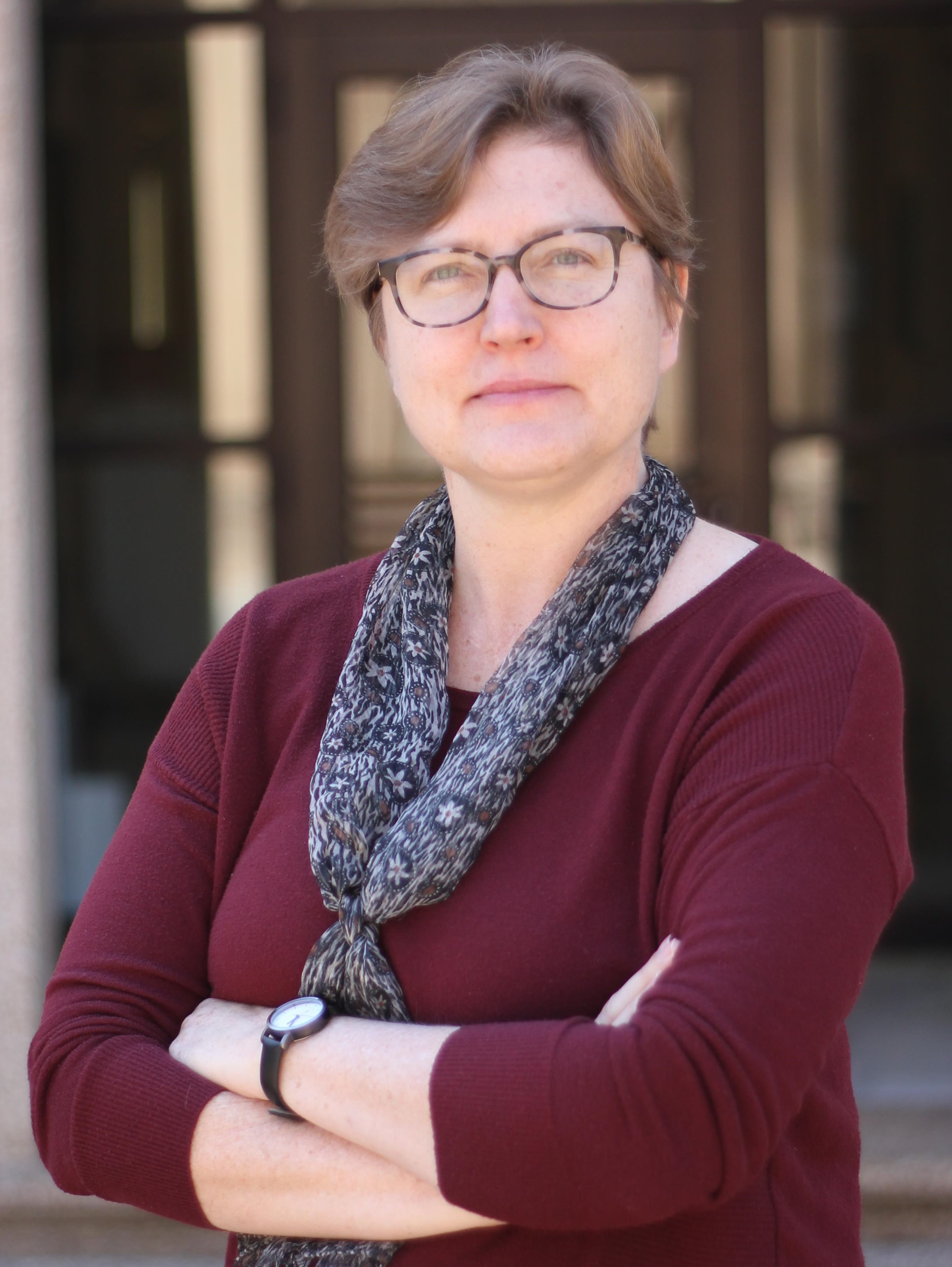
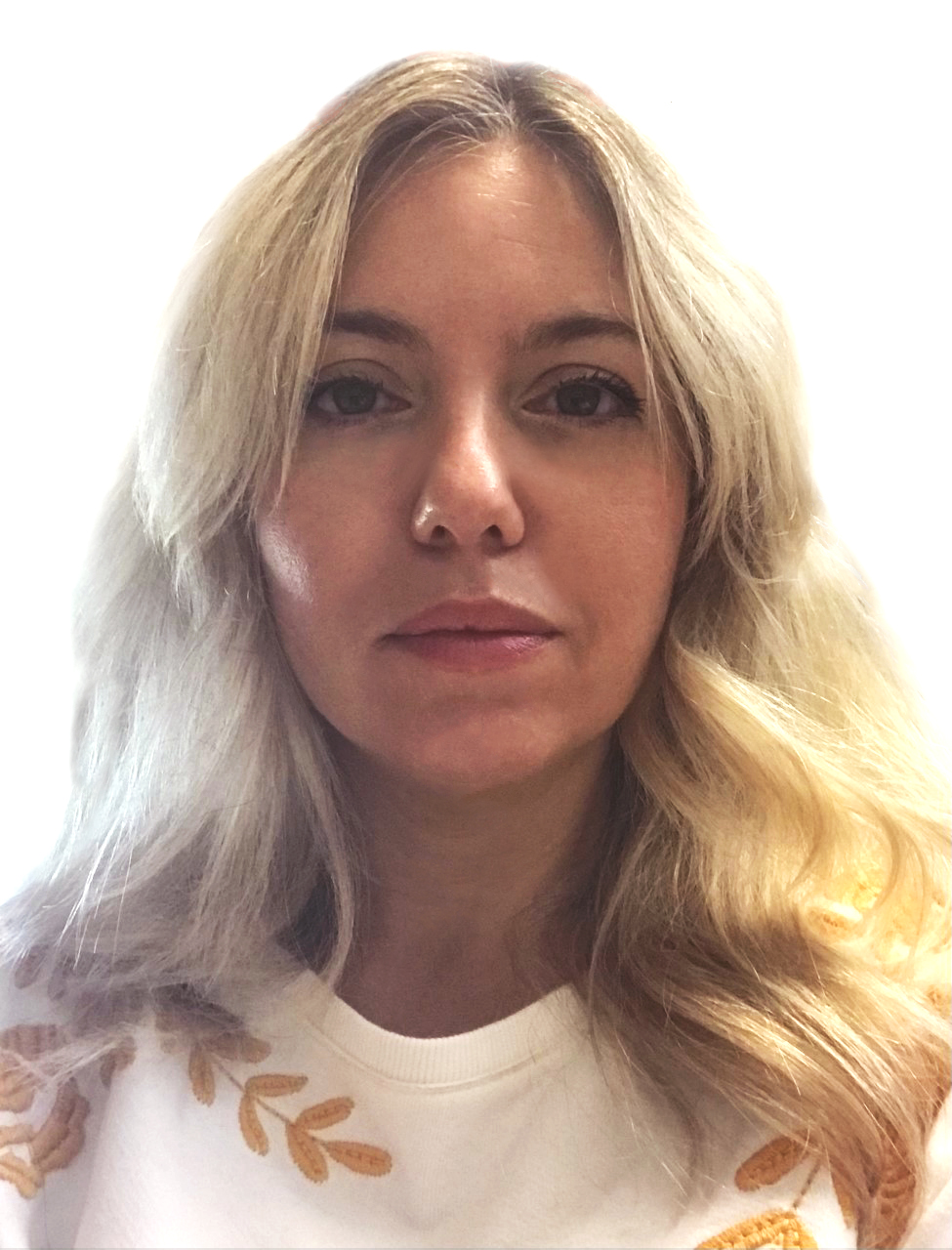
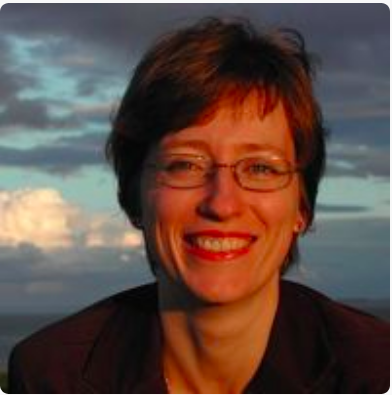
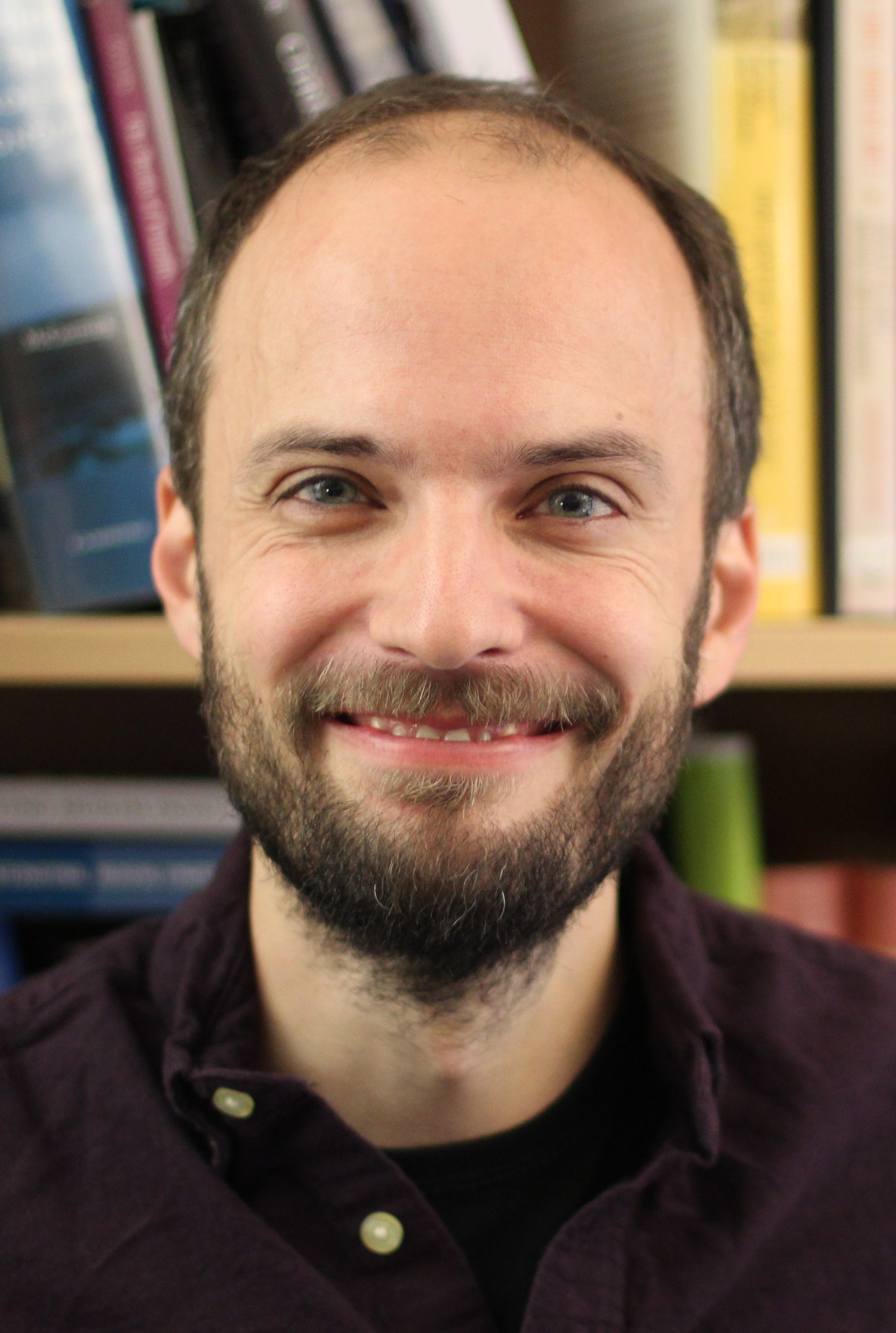
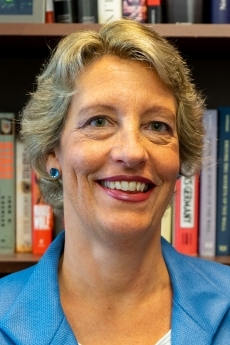
Merry E. Wiesner-Hanks is Distinguished Professor of History Emerita at the University of Wisconsin-Milwaukee and an experienced textbook author.
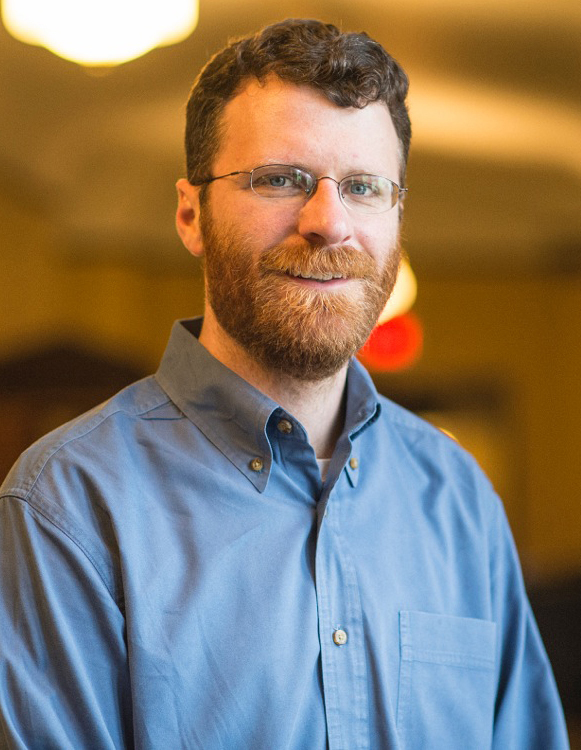
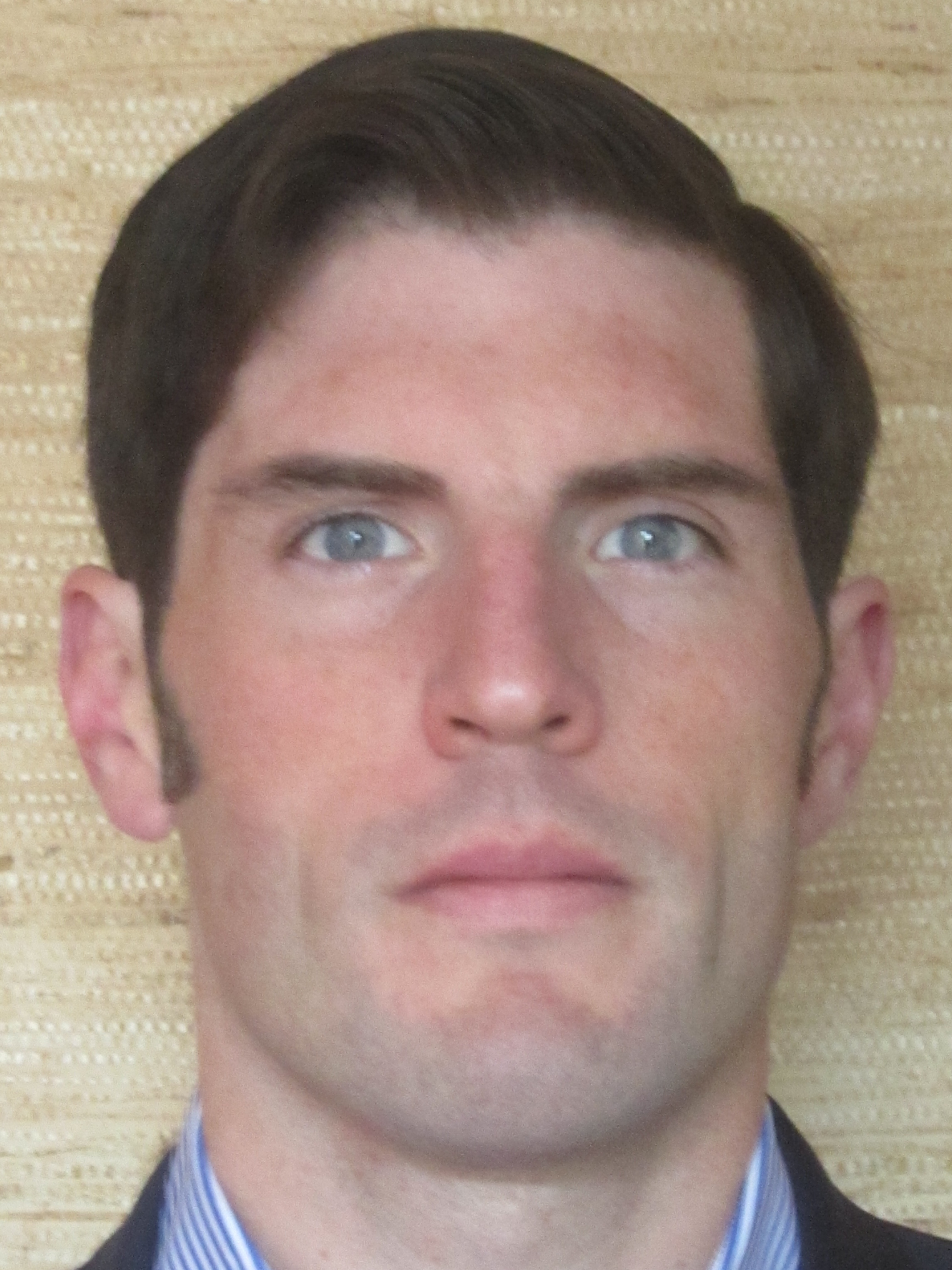
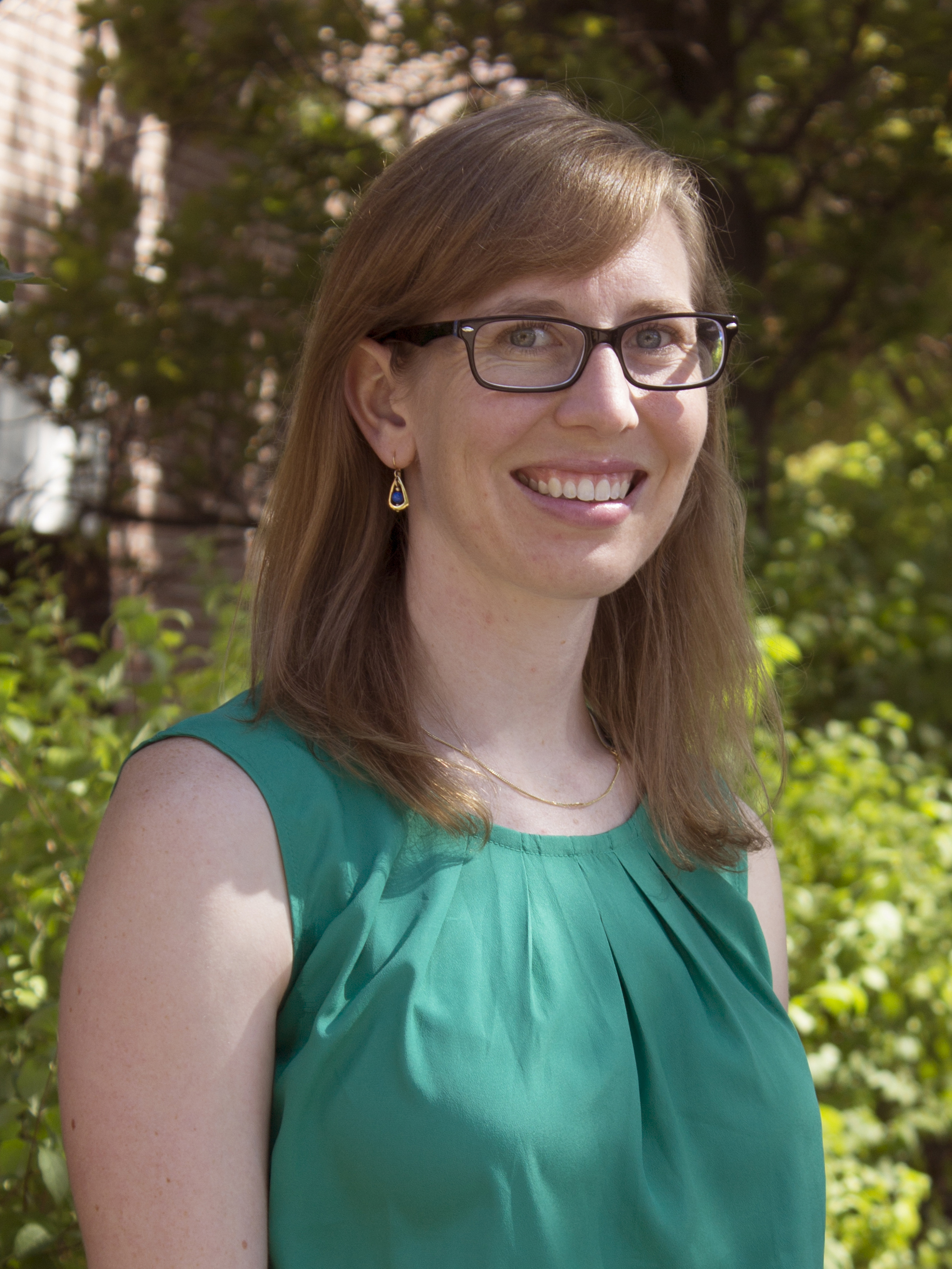
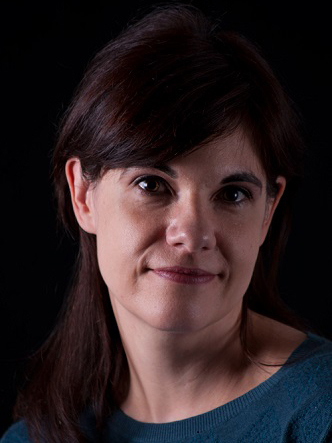
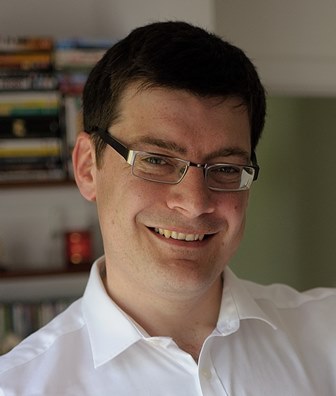
Tomás Irish is Associate Professor of Modern History at Swansea University. A specialist in the cultural history of the First World War and interwar Europe, his books include the prizewinning The University at War 1914-25: Britain, France and the United States (2015), and Trinity in War and Revolution, 1912-23 (2015).
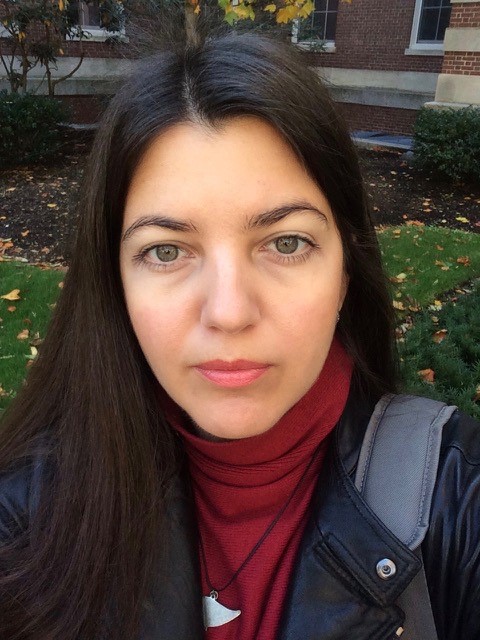
Adrian Pole has a Ph.D. from the University of Edinburgh, and is a historian of Spain researching its modern history in a transnational context.
German Historical Institute, Washington DC
Marquette University, Wisconsin
Katholieke Universiteit Leuven, Belgium
Dreams and Visions in the Early Middle Ages
French Colonial Soldiers in German Captivity during World War II
American Grand Strategy in the Mediterranean during World War II
Combat and Genocide on the Eastern Front
Reconstructing Sociology
John Kiszely
She-Wolf: The Story of a Roman Icon
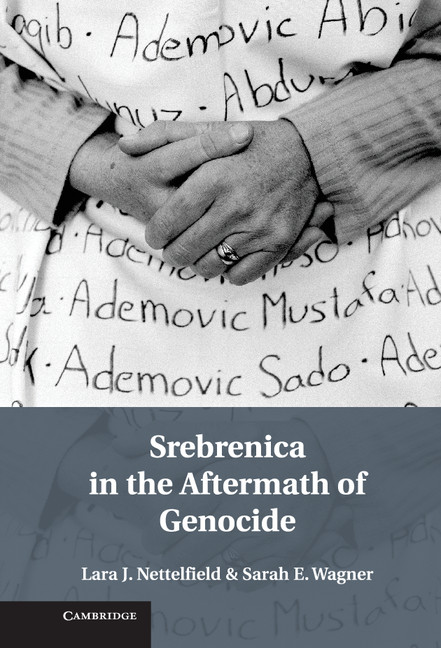
Srebrenica in the Aftermath of Genocide
A Concise History of Sweden
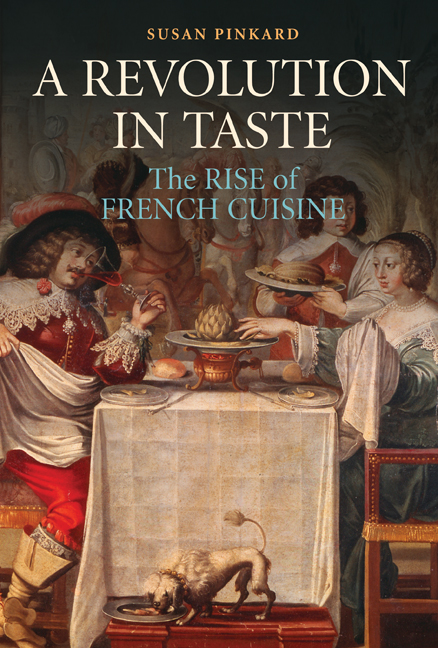
A Revolution in Taste
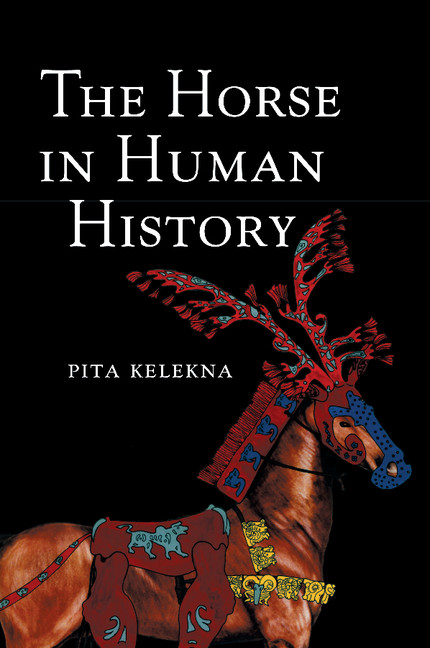
The Horse in Human History
Srebrenica in the Aftermath of Genocide
Venice: History of the Floating City
Nazi Empire
London: A Social and Cultural History, 1550–1750
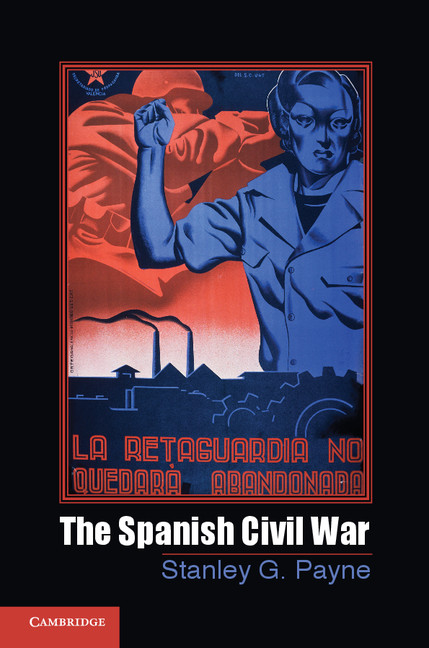
The Spanish Civil War
Operation Typhoon
Seduced by Secrets
A Short History of Ireland
The American Mission and the \\\\\\\'Evil Empire\\\\\\\'
Creating the Nazi Marketplace
London: A Social and Cultural History, 1550-1750
The Social Life of Hagiography in the Merovingian Kingdom
The First French Reformation
Behind the Front
The Fascists and the Jews of Italy
Twentieth-Century Spain
Cambridge University Press Archivist
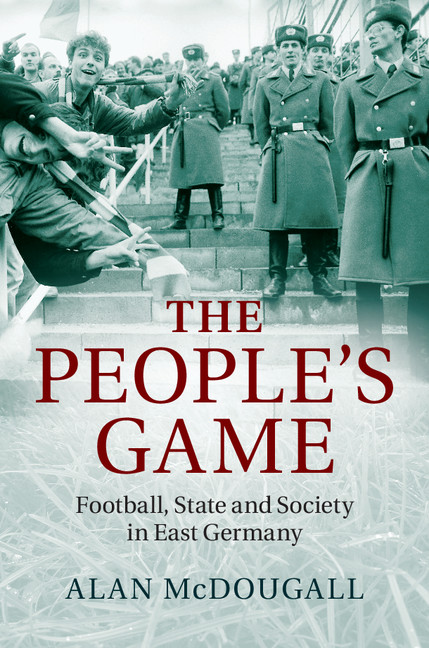
The People\'s Game
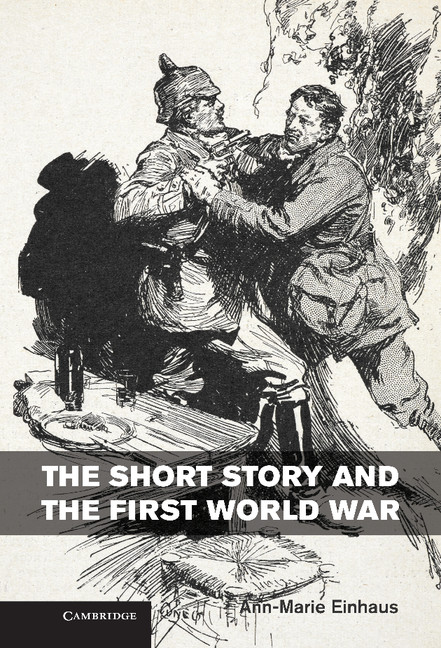
The Short Story and the First World War
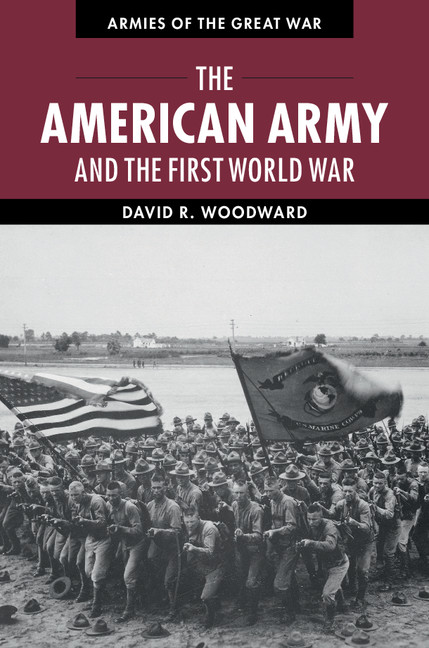
The American Army and the First World War
A Divided Republic
Wine, Sugar, and the Making of Modern France
Ferdinand II, Counter-Reformation Emperor, 1578–1637
Publisher
German Immigrants, Race, and Citizenship in the Civil War Era
Wilhelm II
The Struggle for the Eurasian Borderlands
Fixed Ideas of Money
The Hammer of Witches
Eating and Ethics in Shakespeare\\\\\\\'s England
To receive updates on European History news from Cambridge University Press and Fifteen Eighty Four, please join our email list below. We will not disclose your email address to any third party