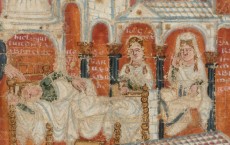
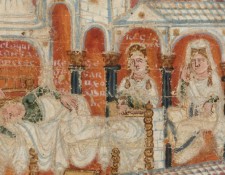
In Francia, probably in the late 780’s, a monk called John had a troubling vision about the death of Christianity. Charlemagne, king of the Franks (768–814), concerned with reforms of the church and of Christian learning in his realms, was understandably troubled by the vision, and solicited Pope Hadrian I’s (d. 795) opinion. In his […]
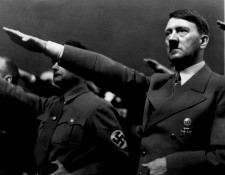
Read MoreThe Nazi era stands as an exceptionally horrific period of global history. But in recent years the perception of Hitler and the Third Reich has changed. In Internet culture, where irony rules supreme, the visage of Hitler has been recontextualized, often in humorous ways, to undercut the terrible reality of the Holocaust. Memes like “Hipster […]
Read MoreReacting to the massacre at Charlie Hebdo two weeks ago, Emile Chabal, the author of A Divided Republic, explores the implications for France as a modern nation.
Read MoreRobert Bireley chronicles his interest in German history and how he came to write Ferdinand II, Counter-Reformation Emperor, 1578–1637.
Read MoreAfter the success of his 1851 book on The Roman Wall, in 1863 John Collingwood Bruce (1805–92) published this shorter work, intended as 'a guide to pilgrims journeying along the Barrier of the Lower Isthmus'.
Read MoreElizabeth Heath, the author of Wine, Sugar, and the Making of Modern France, sheds light on the way Guadeloupean workers in the sugarmills and citizens of Aude reliant on the region's wine changed the nature of French citizenship and colonization.
Read MoreJulius Ruiz, the author of The 'Red Terror' and the Spanish Civil War, discusses the complicated reaction incited by the Spanish version of his book.
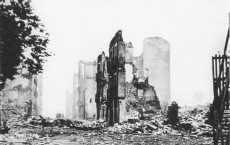
Read MoreThe 20th century was a difficult time in Spain, where the last 100 years saw civil war, fascism, and a bloody battle for power. Julián Casanova, the co-author of Twentieth-Century Spain: A History, explains the importance of Spain's last century and why it demands to be studied.
Read MoreIn Francia, probably in the late 780’s, a monk called John had a troubling vision about the death of Christianity. Charlemagne, king of the Franks (768–814), concerned with reforms of the church and of Christian learning in his realms, was understandably troubled by the vision, and solicited Pope Hadrian I’s (d. 795) opinion. In his […]
Read MoreThe Nazi era stands as an exceptionally horrific period of global history. But in recent years the perception of Hitler and the Third Reich has changed. In Internet culture, where irony rules supreme, the visage of Hitler has been recontextualized, often in humorous ways, to undercut the terrible reality of the Holocaust. Memes like “Hipster […]
Read MoreReacting to the massacre at Charlie Hebdo two weeks ago, Emile Chabal, the author of
Read MoreRobert Bireley chronicles his interest in German history and how he came to write
Read MoreJulius Ruiz, the author of ...
Read MoreThe 20th century was a difficult time in Spain, where the last 100 years saw civil war, fascism, and...
Read MoreKeep up with the latest from Cambridge University Press on our social media accounts.
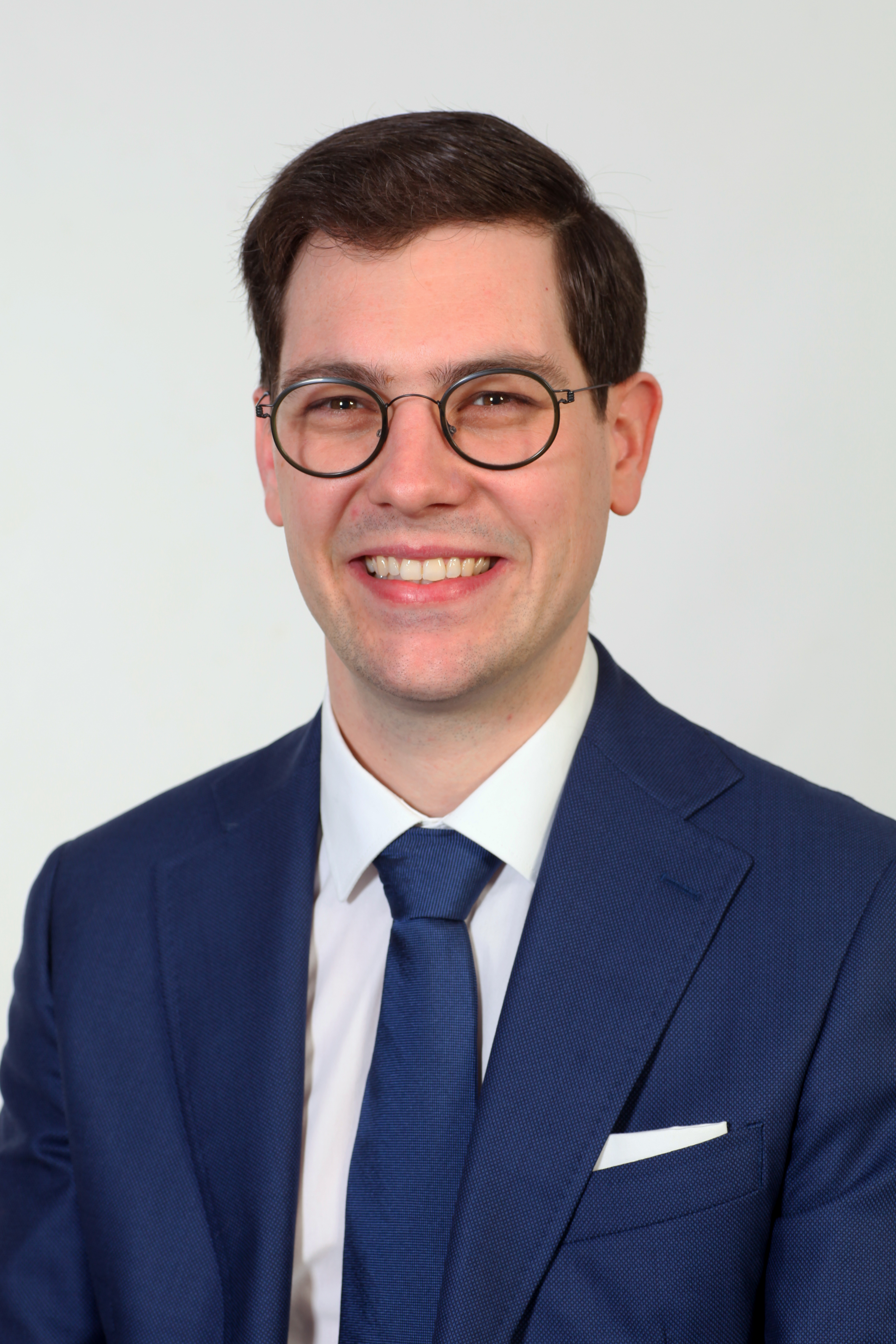
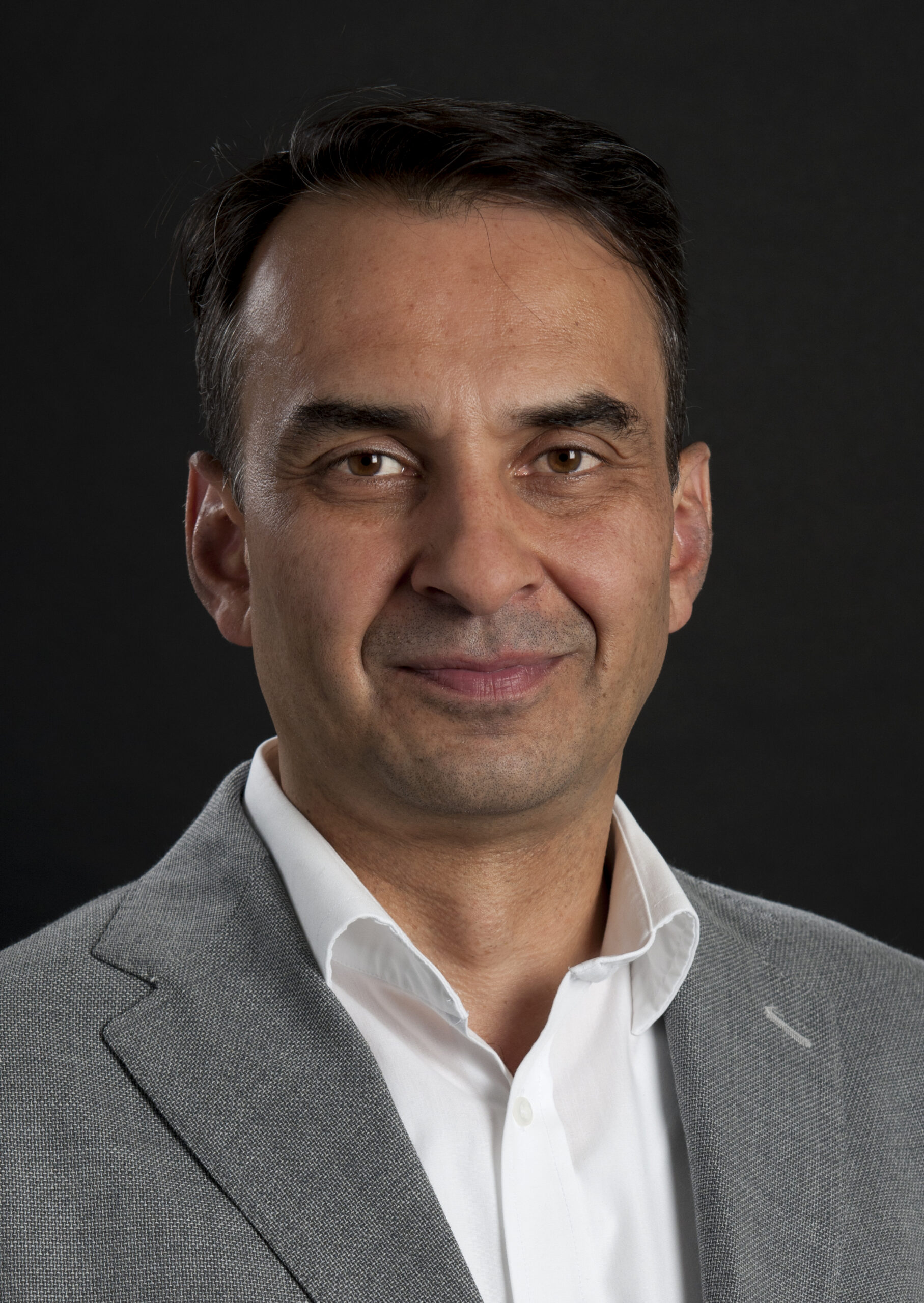
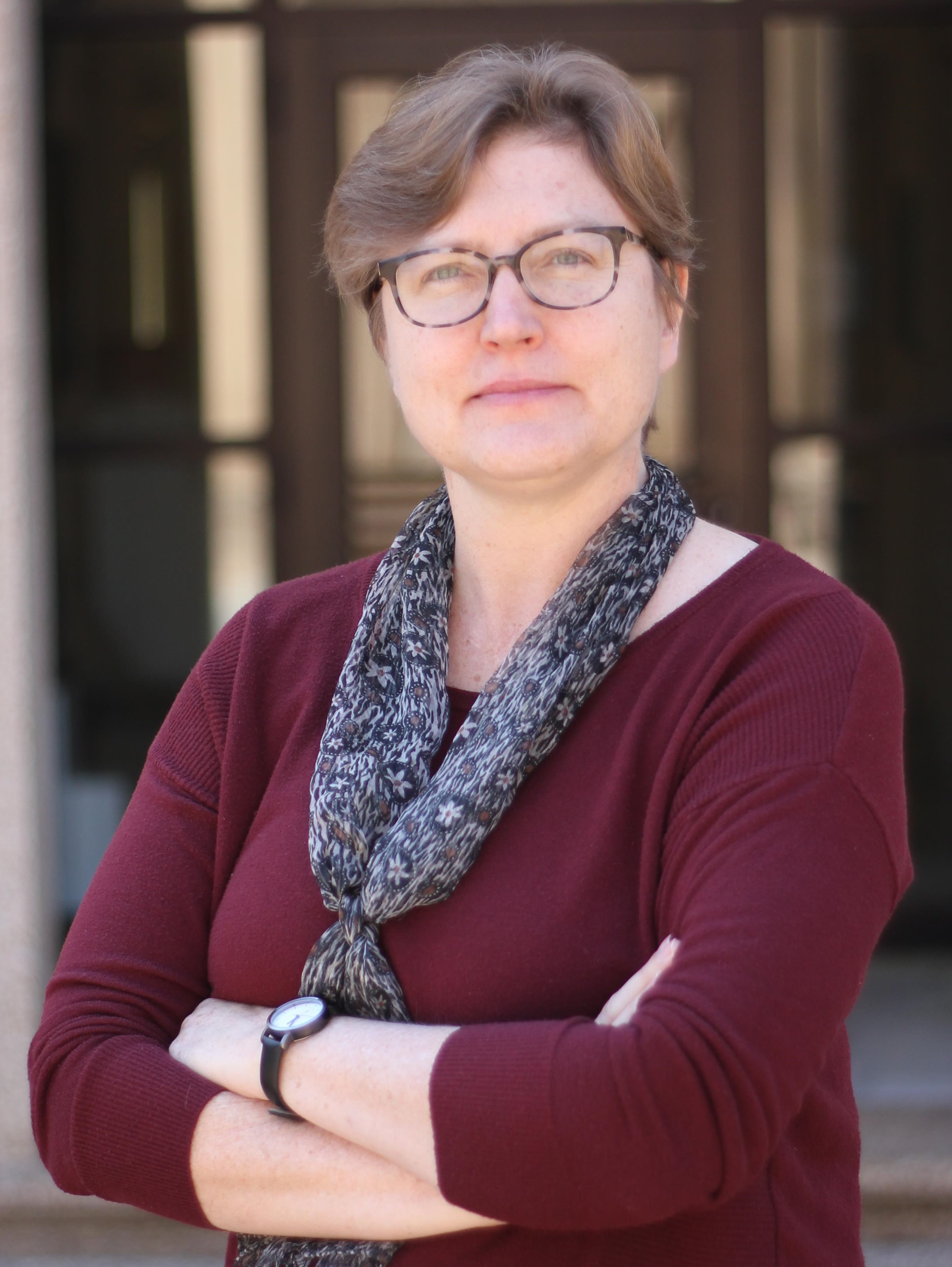
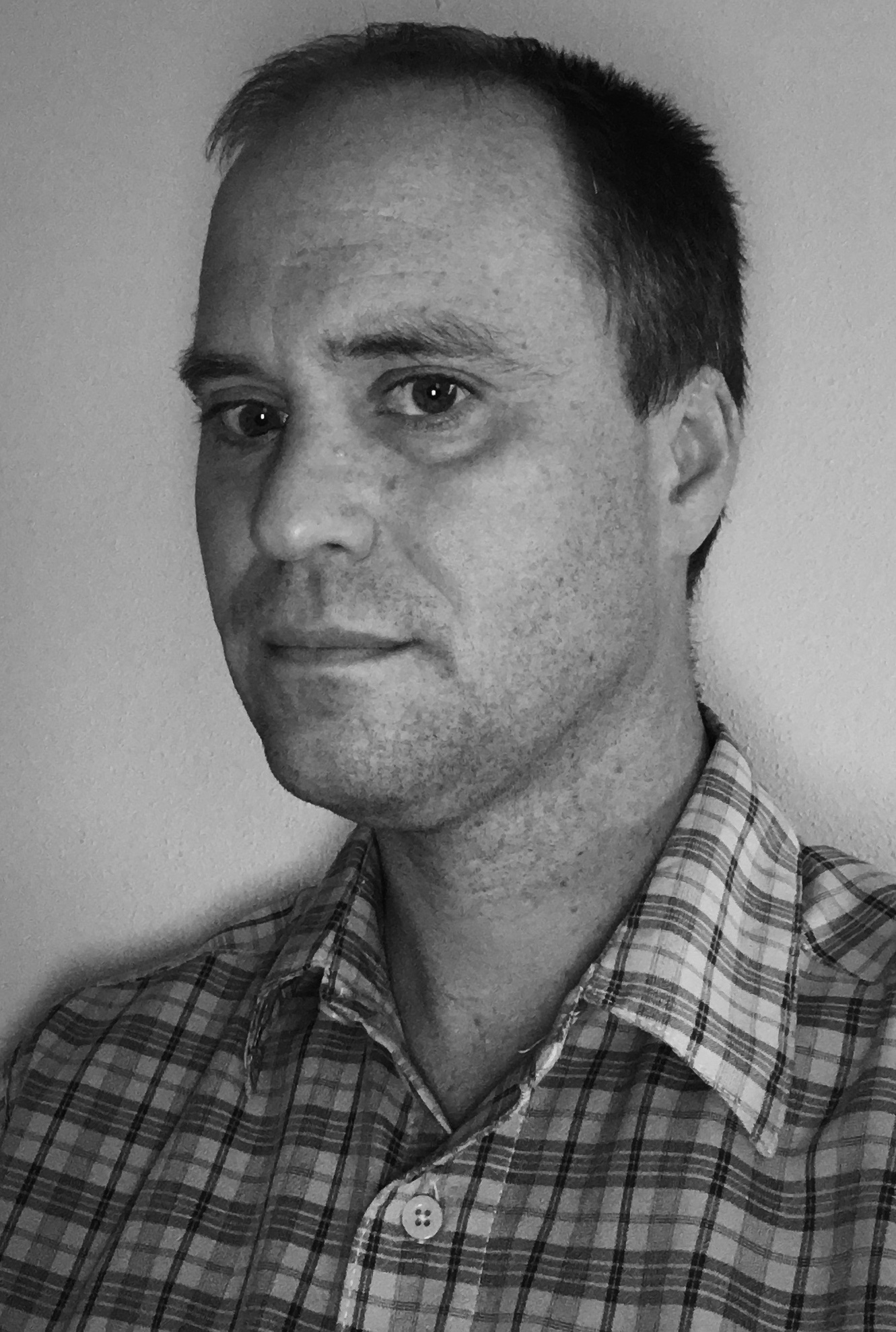
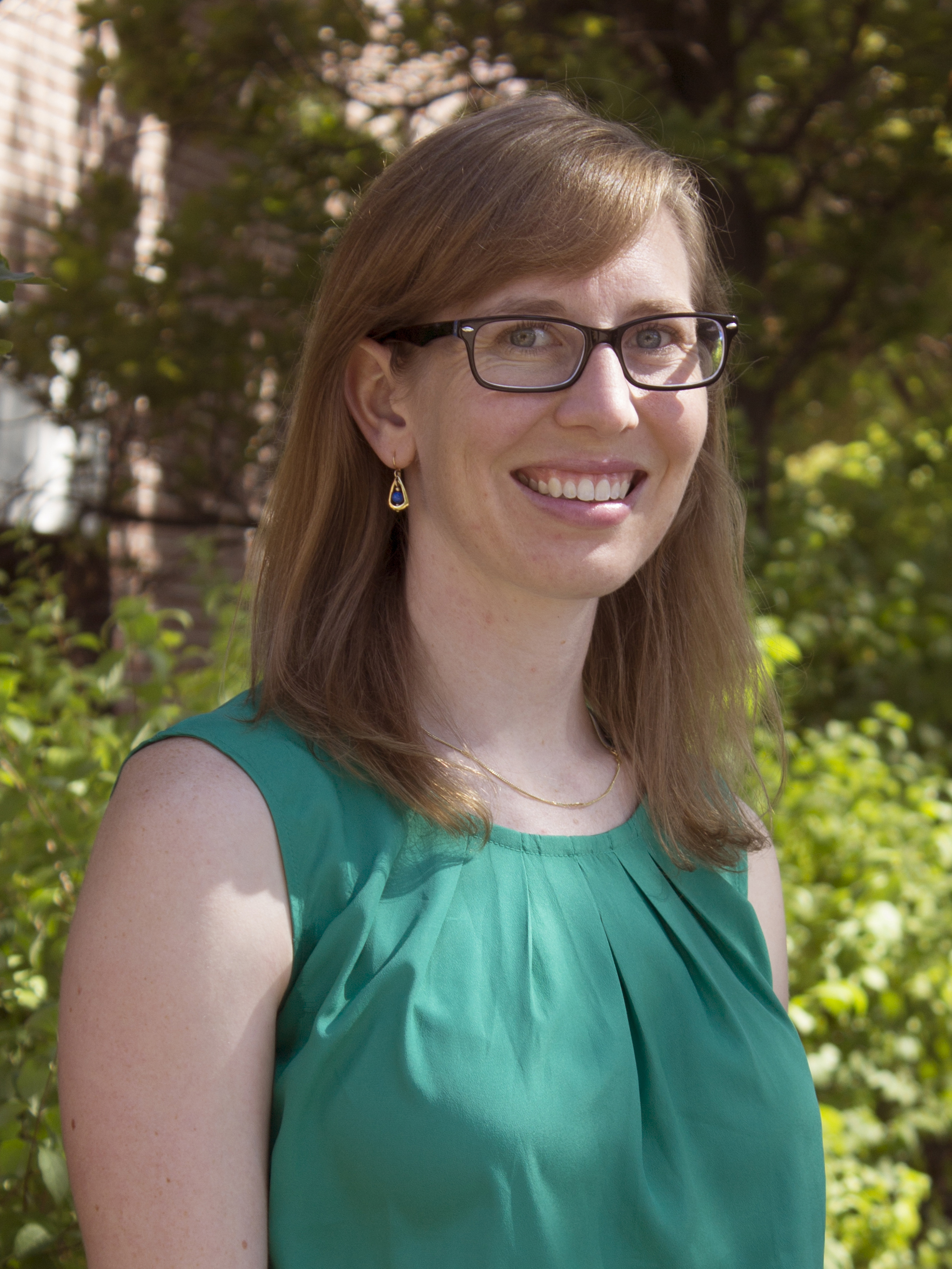
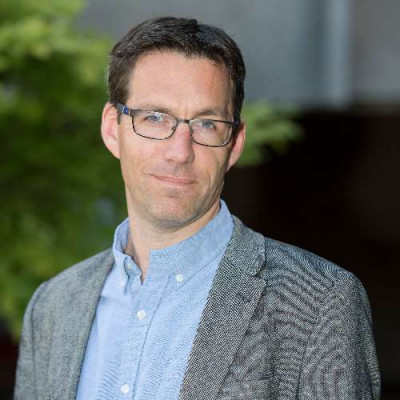
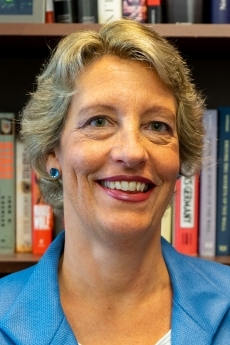
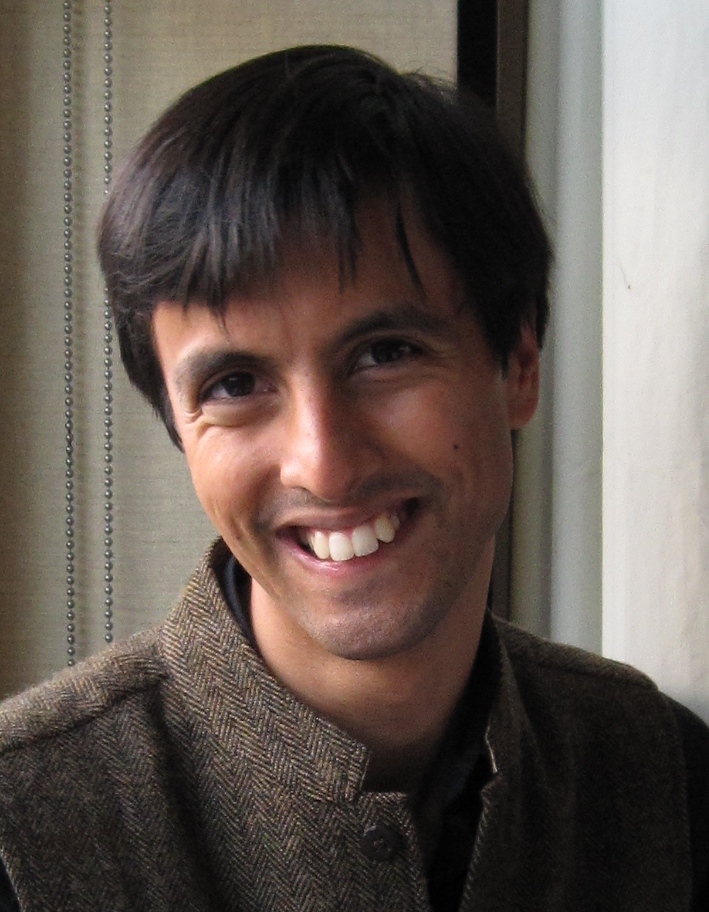
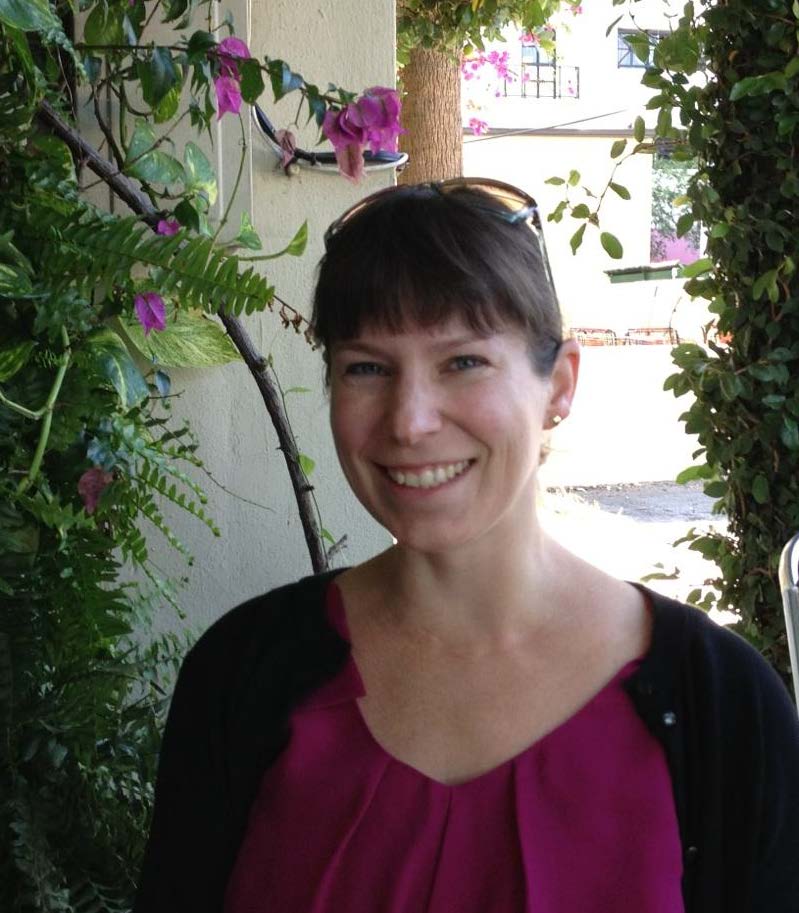
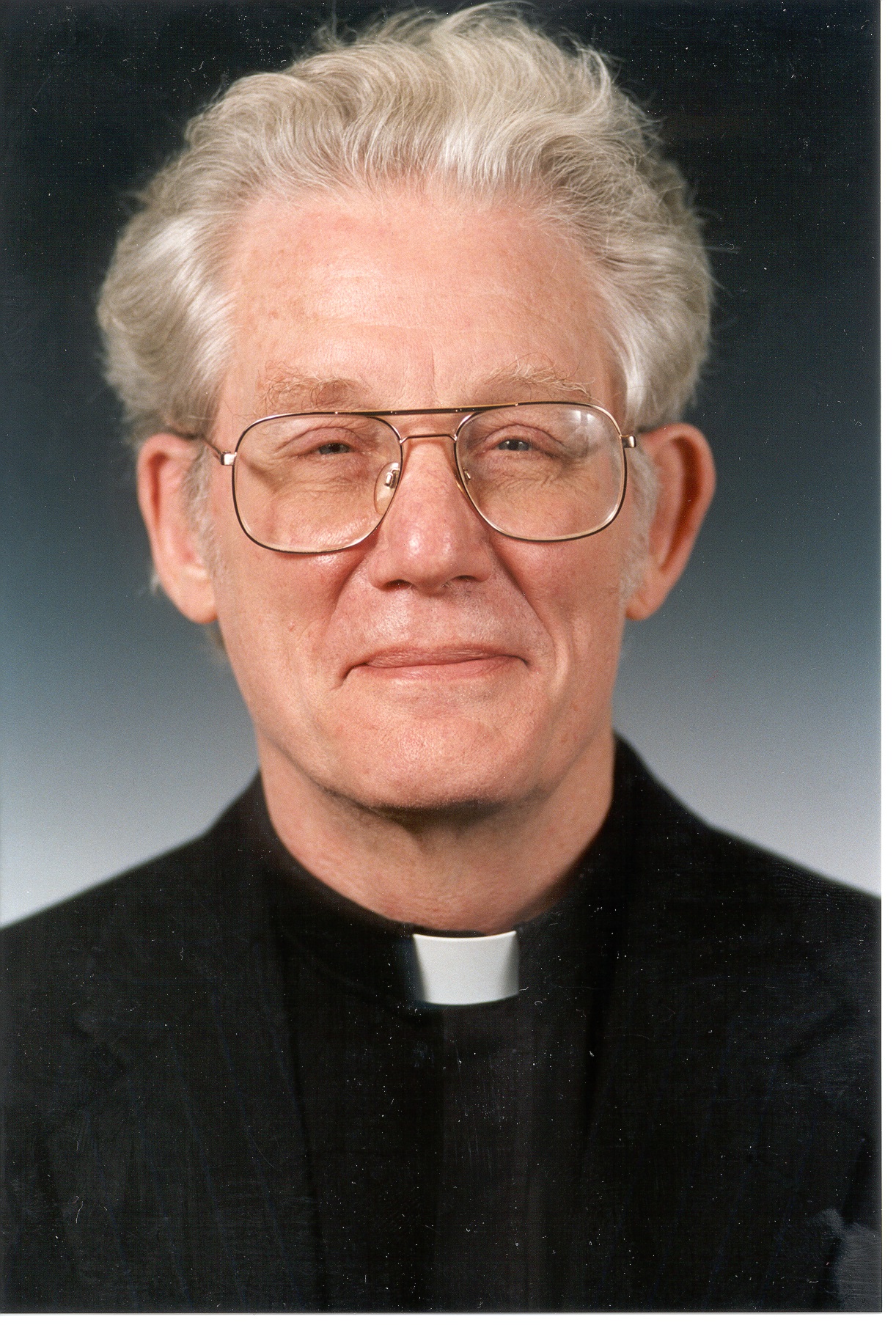
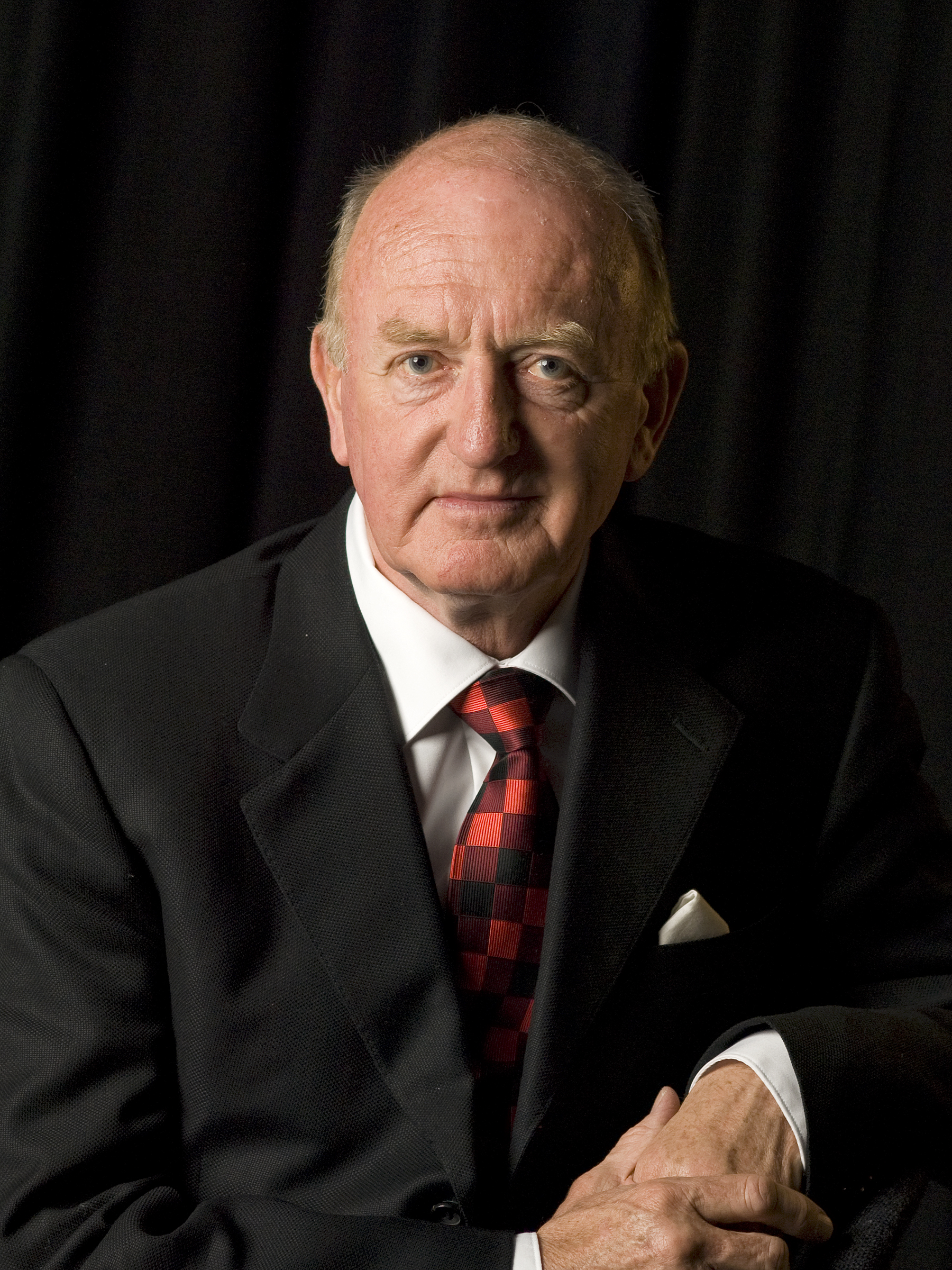
Merry E. Wiesner-Hanks is Distinguished Professor of History Emerita at the University of Wisconsin-Milwaukee and an experienced textbook author.
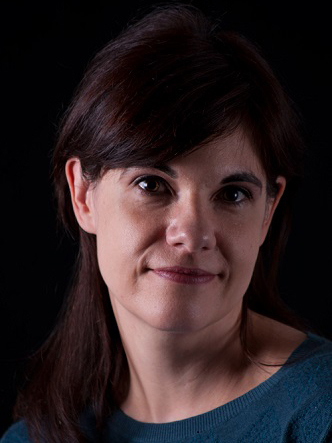
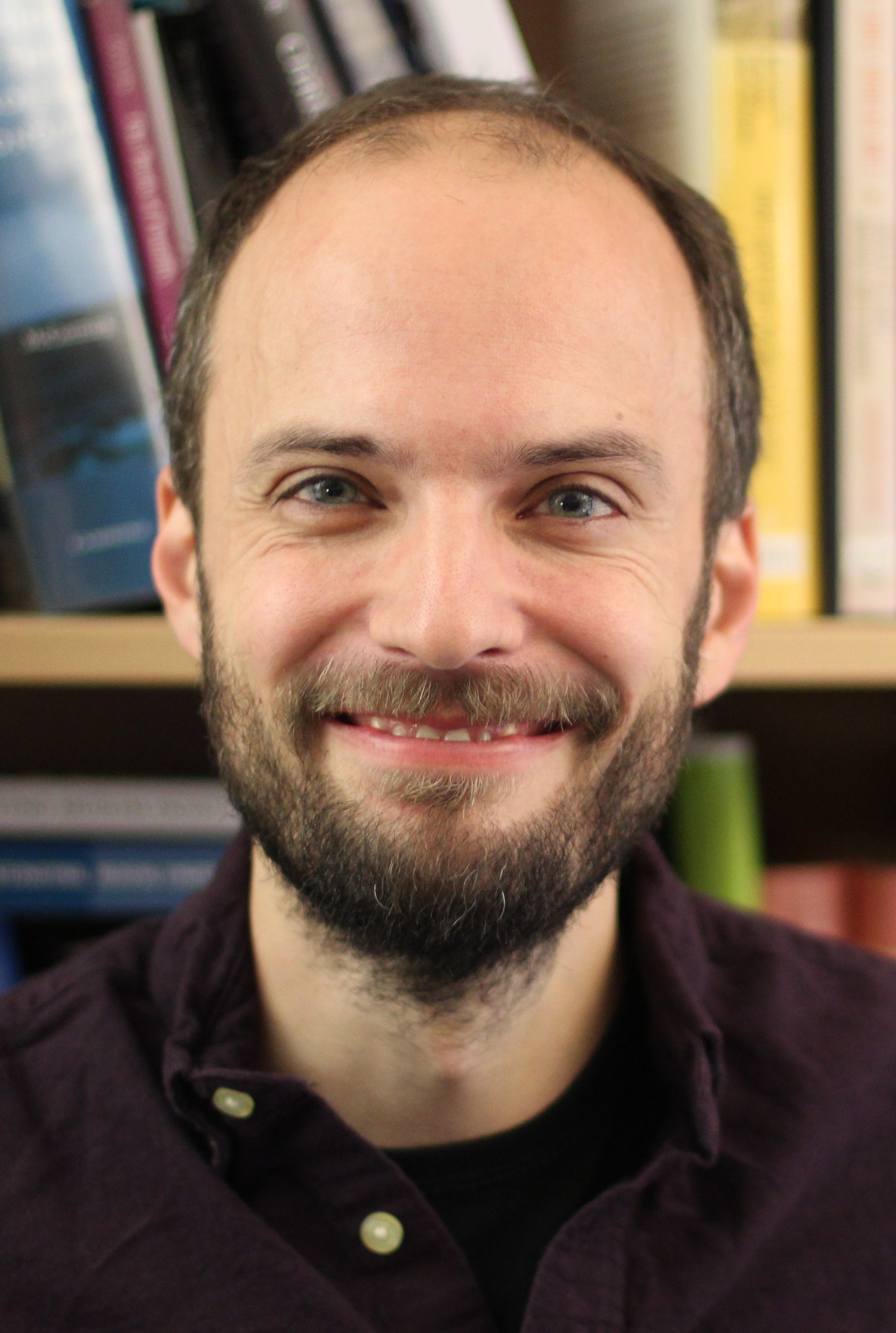
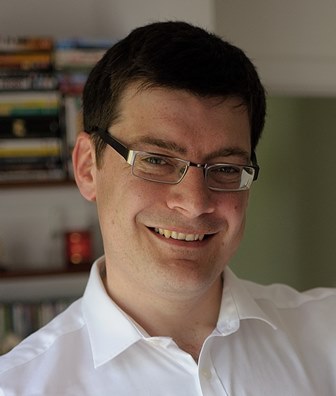
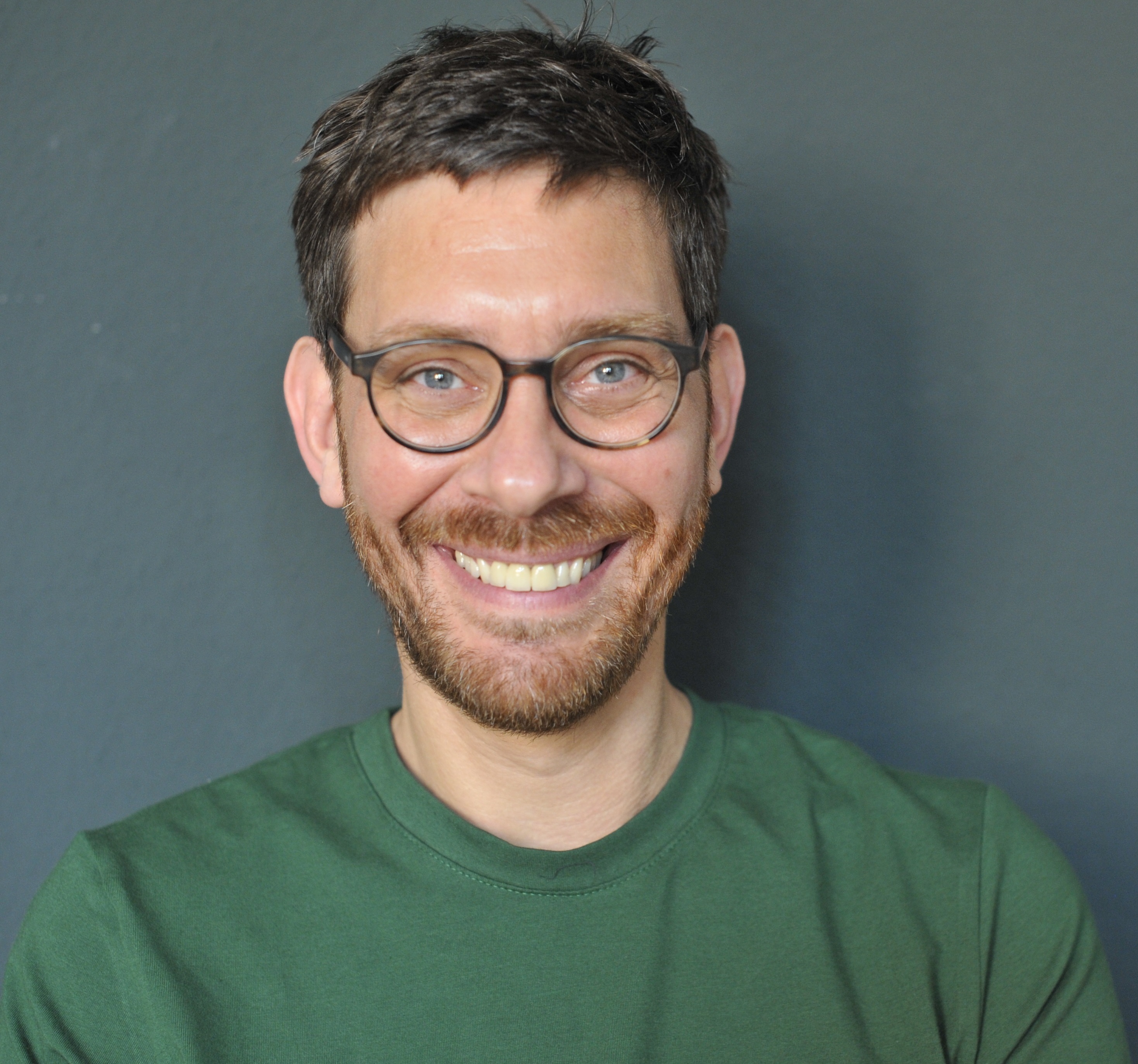
Tomás Irish is Associate Professor of Modern History at Swansea University. A specialist in the cultural history of the First World War and interwar Europe, his books include the prizewinning The University at War 1914-25: Britain, France and the United States (2015), and Trinity in War and Revolution, 1912-23 (2015).
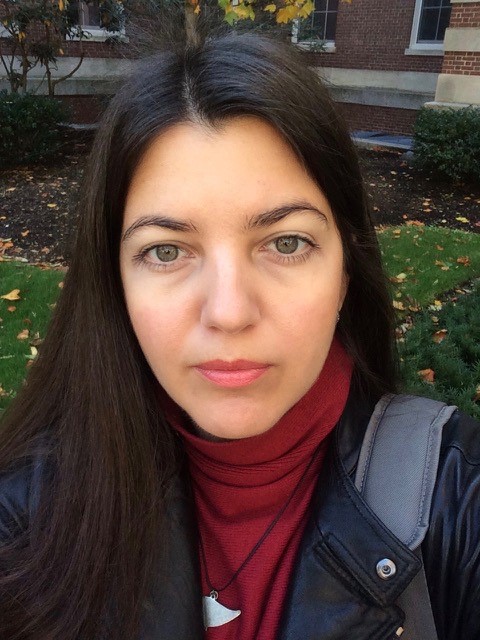
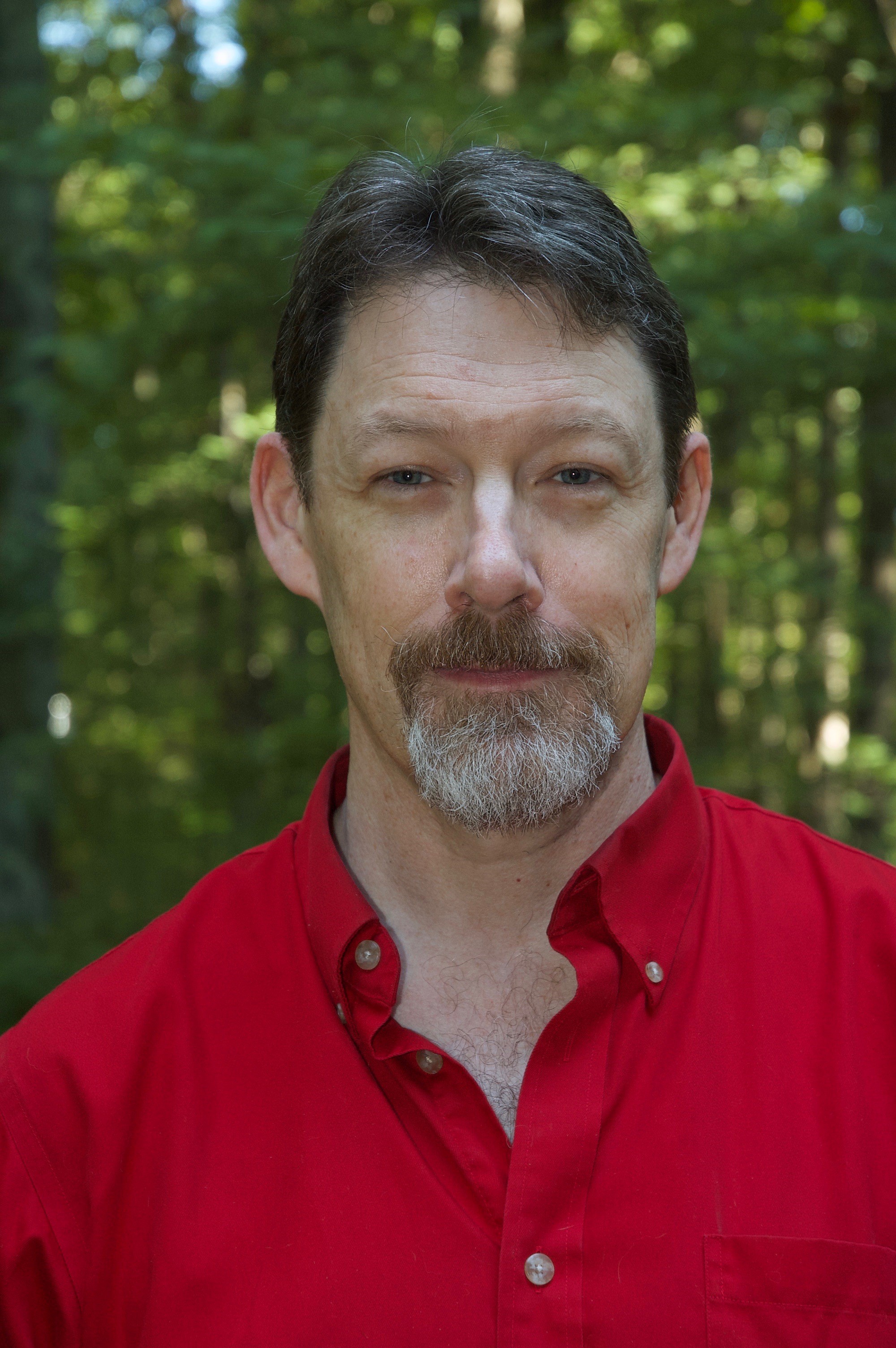
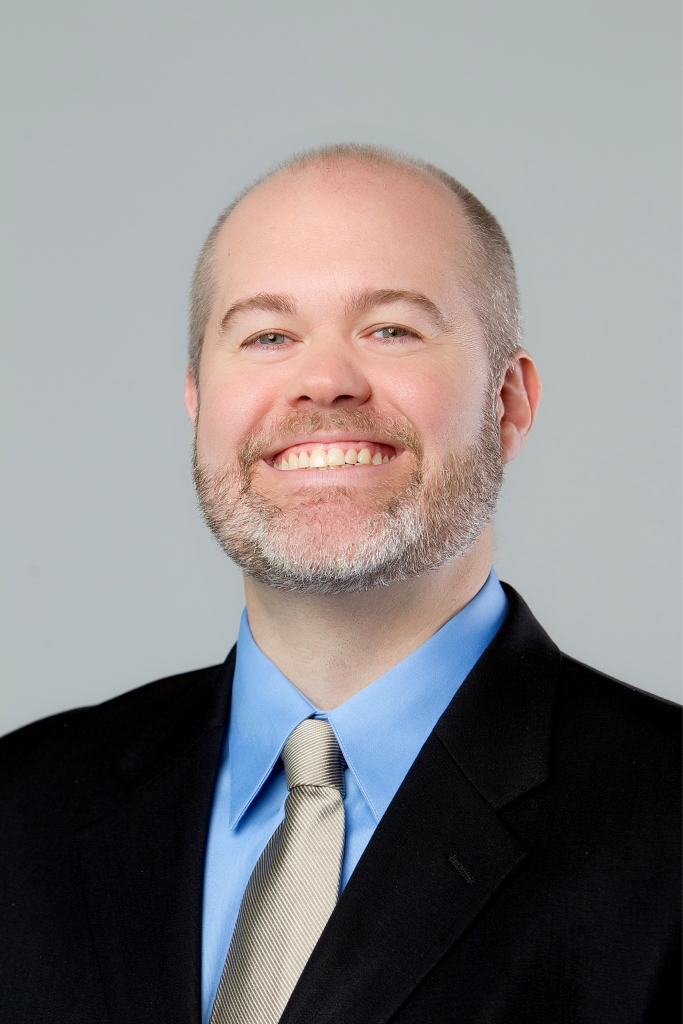
Adrian Pole has a Ph.D. from the University of Edinburgh, and is a historian of Spain researching its modern history in a transnational context.
German Historical Institute, Washington DC
Marquette University, Wisconsin
Katholieke Universiteit Leuven, Belgium
Dreams and Visions in the Early Middle Ages
French Colonial Soldiers in German Captivity during World War II
American Grand Strategy in the Mediterranean during World War II
Combat and Genocide on the Eastern Front
Reconstructing Sociology
John Kiszely
She-Wolf: The Story of a Roman Icon
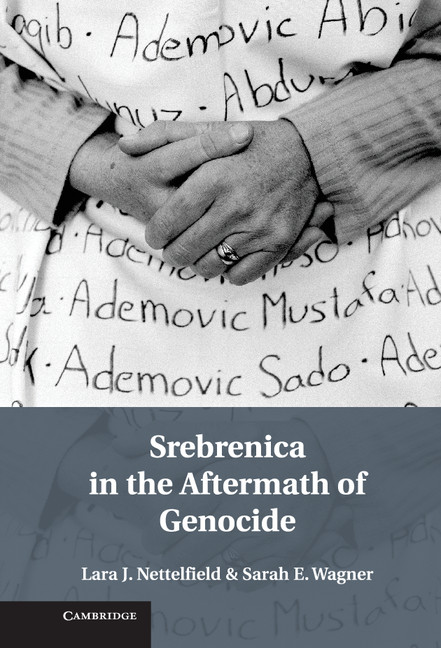
Srebrenica in the Aftermath of Genocide
A Concise History of Sweden
A Revolution in Taste
The Horse in Human History
Srebrenica in the Aftermath of Genocide
Venice: History of the Floating City
Nazi Empire
London: A Social and Cultural History, 1550–1750
The Spanish Civil War
Operation Typhoon
Seduced by Secrets
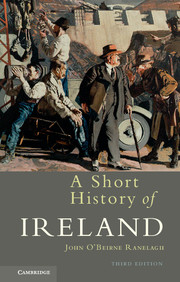
A Short History of Ireland
The American Mission and the \\\\\\\'Evil Empire\\\\\\\'
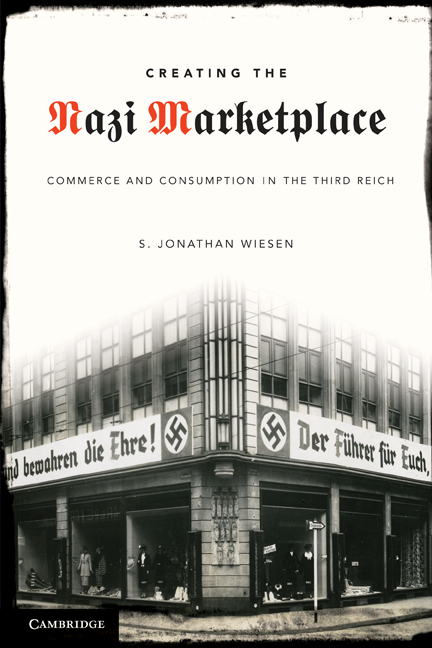
Creating the Nazi Marketplace
London: A Social and Cultural History, 1550-1750
The Social Life of Hagiography in the Merovingian Kingdom
The First French Reformation
Behind the Front
The Fascists and the Jews of Italy
Twentieth-Century Spain
Cambridge University Press Archivist
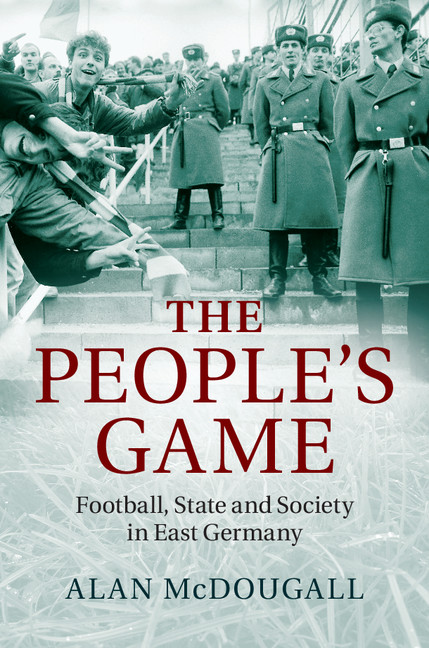
The People\'s Game
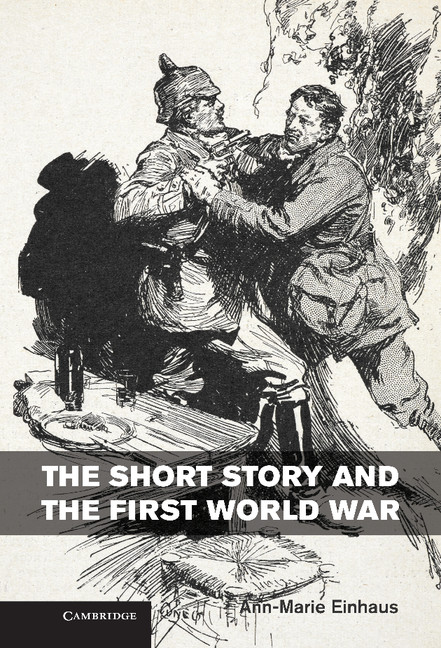
The Short Story and the First World War
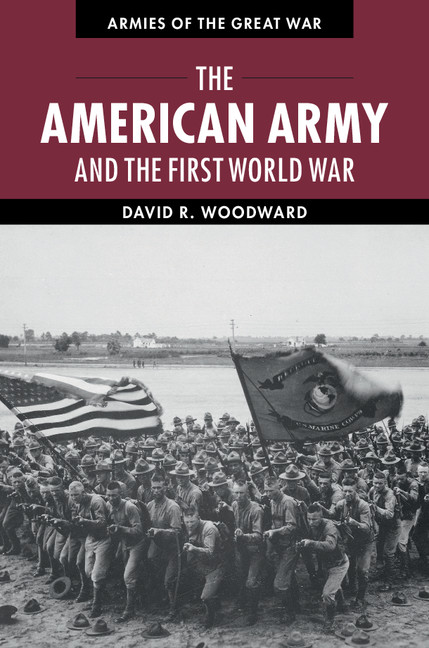
The American Army and the First World War
A Divided Republic
Wine, Sugar, and the Making of Modern France
Ferdinand II, Counter-Reformation Emperor, 1578–1637
Publisher
German Immigrants, Race, and Citizenship in the Civil War Era
Wilhelm II
The Struggle for the Eurasian Borderlands
Fixed Ideas of Money
The Hammer of Witches
Eating and Ethics in Shakespeare\\\\\\\'s England
To receive updates on European History news from Cambridge University Press and Fifteen Eighty Four, please join our email list below. We will not disclose your email address to any third party