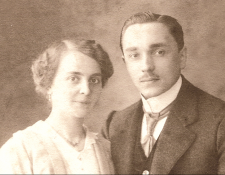
In wake of the horrifying and unimaginable tragedy in Pittsburgh, the editor of My Opposition (and the grandson of the diarist) reflects on the bravery and strength of his grandmother and what we can learn from her.
Read MoreRobed in elegant shades of green and purple, Christ stands holding a gospel book beneath an arch decorated with interlace. Below this portrait, a prayer has been written in a fine Carolingian minuscule, appealing for divine support. We chose this cover image for Writing the Early Medieval West because it neatly connects and ties together […]
Read MoreNikolay Koposov, author of 'Memory Laws, Memory Wars: The Politics of the Past in Europe and Russia,' relates his research to current political controversy in Poland.
Read MoreMy Opposition: The Diary of Friedrich Kellner – A German against the Third Reich
Read MoreEastern Europe has witnessed a remarkable rise of nonviolent youth movements in the early 2000s. The Serbian youtsh movement Otpor mobilized thousands of young people against the incumbent government and contributed to Slobodan Milosevic’s downfall in the wake of the 2000 elections. Within a few months of Milosevic’s electoral defeat, Belarusian youth activists set up […]
Read MoreOne hundred years after the United States’ entry into the 1914–18 world war, what aspects of this vast global conflict, and of America’s role in it, are worthy of commemoration? First and foremost, we remember the ten million men all over the world who lost their lives in the war. Indeed, remembering this “Lost Generation” is […]
Read MoreIn her new book, Captives of War, published this week, Clare Makepeace uses war-time diaries, letters and logbooks written by British POWs in the Second World War to throw fresh light on their experiences in captivity. In this exclusive article for fifteeneightyfour, Clare tells how her grandfather's reluctance to talk about his own experiences as a POW in Poland during World War Two inspired her to write the book.
Read MoreThe British campaign in Norway in 1940 was an ignominious and abject failure. It is perhaps best known as the fiasco which directly led to the fall of Prime Minister Neville Chamberlain and his replacement by Winston Churchill. But what were the reasons for failure? In this exclusive article for fifteeneightyfour, Sir John Kiszely, who served in the British Army for forty years, rising to the rank of lieutenant general, explains his personal fascination with the campaign and what it can tell us about more recent wars.
Read MoreIn wake of the horrifying and unimaginable tragedy in Pittsburgh, the editor of My Opposition (and t...
Read MoreRobed in elegant shades of green and purple, Christ stands holding a gospel book beneath an arch decorated with interlace. Below this portrait, a prayer has been written in a fine Carolingian minuscule, appealing for divine support. We chose this cover image for Writing the Early Medieval West because it neatly connects and ties together […]
Read MoreNikolay Koposov, author of 'Memory Laws, Memory Wars: The Politics of the Past in Europe and Russia,...
Read MoreMy Opposition: The Diary of Friedrich Kellner – A German against the Third Reich
Read MoreEastern Europe has witnessed a remarkable rise of nonviolent youth movements in the early 2000s. The Serbian youtsh movement Otpor mobilized thousands of young people against the incumbent government and contributed to Slobodan Milosevic’s downfall in the wake of the 2000 elections. Within a few months of Milosevic’s electoral defeat, Belarusian youth activists set up […]
Read MoreOne hundred years after the United States’ entry into the 1914–18 world war, what aspects of this vast global conflict, and of America’s role in it, are worthy of commemoration? First and foremost, we remember the ten million men all over the world who lost their lives in the war. Indeed, remembering this “Lost Generation” is […]
Read MoreIn her new book, Captives of War, published this week, Clare Makepeace uses war-time diaries, letter...
Read MoreThe British campaign in Norway in 1940 was an ignominious and abject failure. It is perhaps best kno...
Read MoreKeep up with the latest from Cambridge University Press on our social media accounts.
Merry E. Wiesner-Hanks is Distinguished Professor of History Emerita at the University of Wisconsin-Milwaukee and an experienced textbook author.
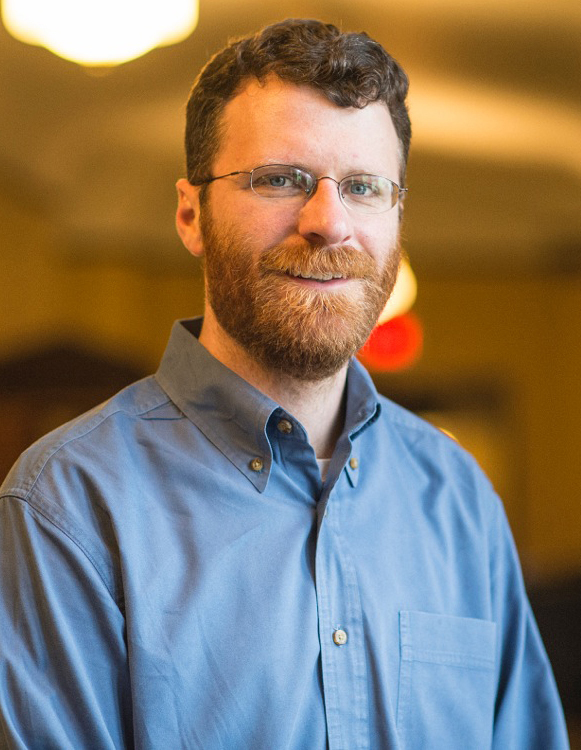

Tomás Irish is Associate Professor of Modern History at Swansea University. A specialist in the cultural history of the First World War and interwar Europe, his books include the prizewinning The University at War 1914-25: Britain, France and the United States (2015), and Trinity in War and Revolution, 1912-23 (2015).
Adrian Pole has a Ph.D. from the University of Edinburgh, and is a historian of Spain researching its modern history in a transnational context.
German Historical Institute, Washington DC
Marquette University, Wisconsin
University of Oxford
University of Sheffield
Katholieke Universiteit Leuven, Belgium
Dreams and Visions in the Early Middle Ages
French Colonial Soldiers in German Captivity during World War II
American Grand Strategy in the Mediterranean during World War II
Combat and Genocide on the Eastern Front
Reconstructing Sociology
John Kiszely
She-Wolf: The Story of a Roman Icon
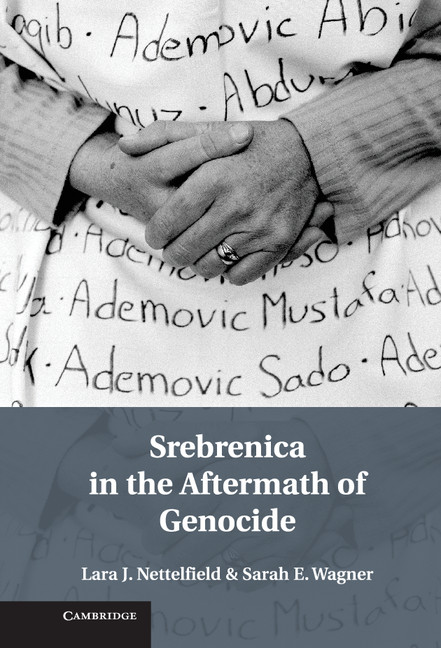
Srebrenica in the Aftermath of Genocide
A Concise History of Sweden
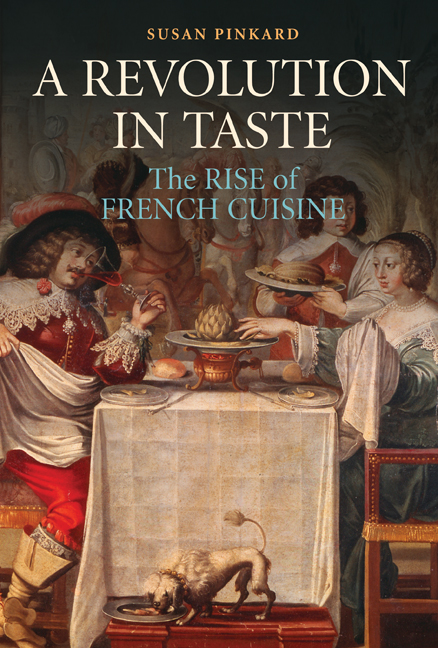
A Revolution in Taste
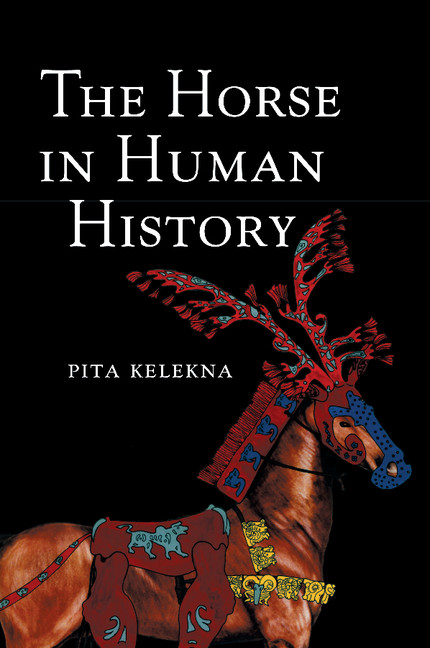
The Horse in Human History
Srebrenica in the Aftermath of Genocide
Venice: History of the Floating City
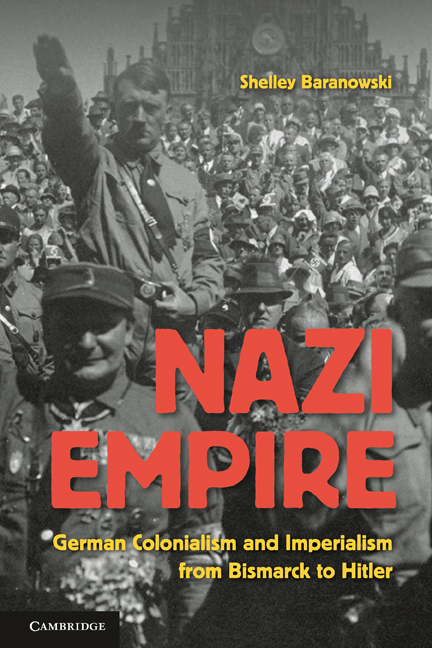
Nazi Empire
London: A Social and Cultural History, 1550–1750
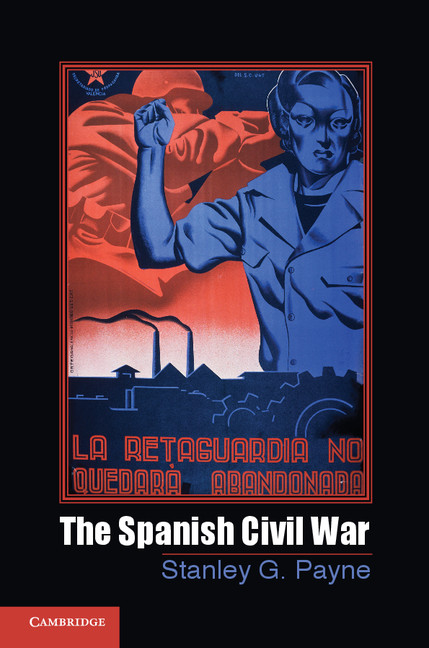
The Spanish Civil War
Operation Typhoon
Seduced by Secrets
A Short History of Ireland
The American Mission and the \\\\\\\'Evil Empire\\\\\\\'
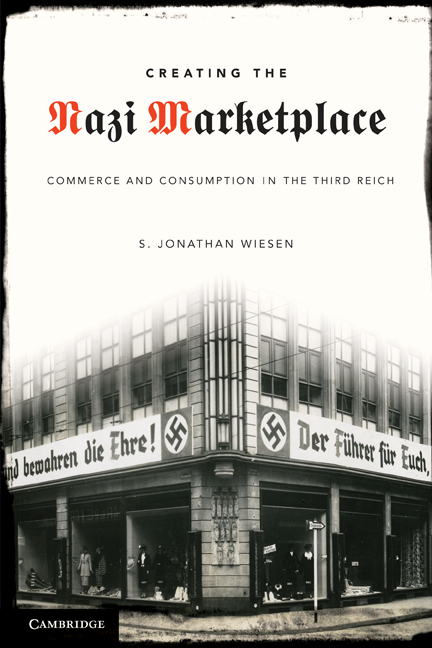
Creating the Nazi Marketplace
London: A Social and Cultural History, 1550-1750
The Social Life of Hagiography in the Merovingian Kingdom
The First French Reformation
Behind the Front
The Fascists and the Jews of Italy
Twentieth-Century Spain
Cambridge University Press Archivist
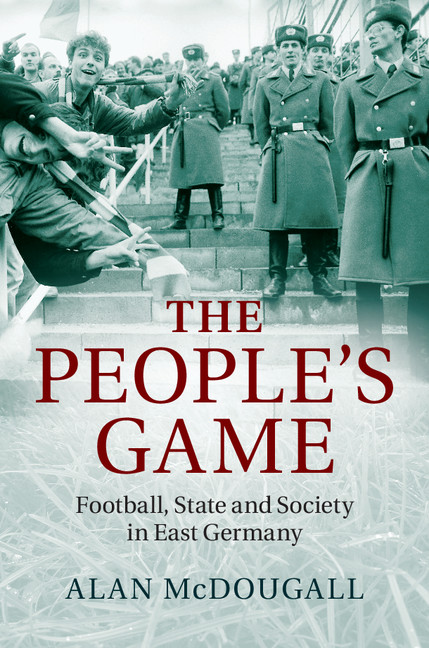
The People\'s Game
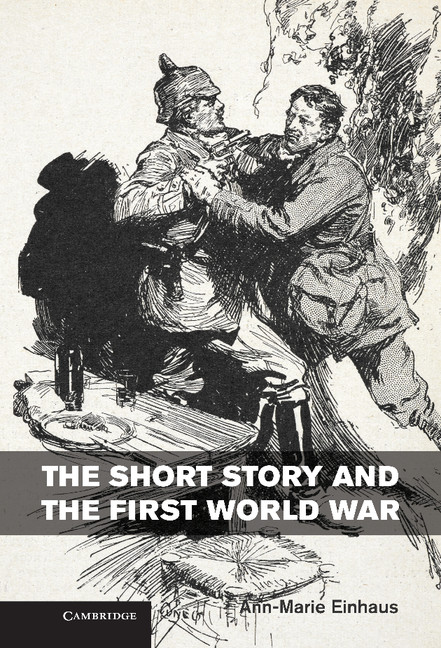
The Short Story and the First World War
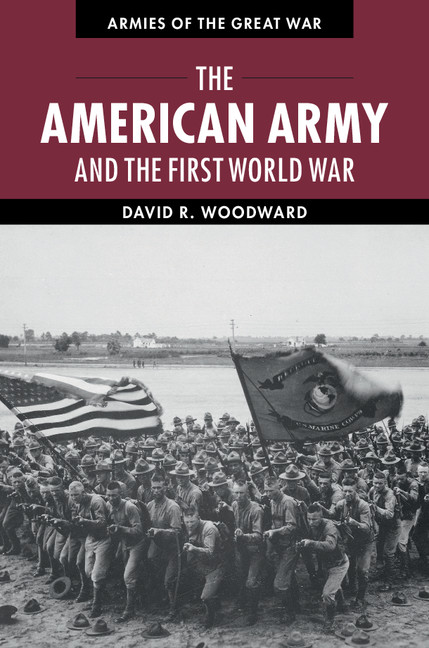
The American Army and the First World War
A Divided Republic
Wine, Sugar, and the Making of Modern France
Ferdinand II, Counter-Reformation Emperor, 1578–1637
Publisher
German Immigrants, Race, and Citizenship in the Civil War Era
Wilhelm II
The Struggle for the Eurasian Borderlands
Fixed Ideas of Money
The Hammer of Witches
Eating and Ethics in Shakespeare\\\\\\\'s England
To receive updates on European History news from Cambridge University Press and Fifteen Eighty Four, please join our email list below. We will not disclose your email address to any third party