New research on how management practitioners come to use management knowledge in the different relevant contexts of their working lives permits us to better understand the impact of major crises, such as COVID-19, on the broader flow of management knowledge. Exploring these implications is of particular importance given that management knowledge – and management ideas […]
Read MoreResearching the book Economics of Visual Art, I came across a drawing in the Tate Archives. It is a “concept sketch” for Tate Modern. It was drawn in 1991 — a full nine years before the building opened, and still a few years before Bankside Power Station was chosen as the site. The drawing was […]

Read MoreOur book, What Capitalism Needs, spells out what capitalism needs, drawing on the ideas of great but unduly neglected economists of the past including Friedrich List, Joseph Schumpeter, Maynard Keynes and Albert Hirschman—but with most attention being paid to Adam Smith and Karl Polanyi.
Read MoreThe Chinese government is trying to internationalize the RMB (renminbi), and this gives rise to at least a few questions. What are the real reasons for this action? Will it succeed? What are the factors working in its favor? What are the impediments? What are the implications for the rest of the world? The internationalization […]

Read MoreMonetary policy and the Federal Reserve seem boring to most people…until they’re not. And when things get lively, serious economic damage usually follows. There’s a reason the expression “May you live in interesting times” is regarded as a curse! Truthfully, citizens should pay more attention to the Fed, even during tranquil times. Money plays a […]
Read MoreDismay over the current state of international economic relations has some policymakers longing for return to some imaginary notion of the good old days. But this is a time to look forward, not back. The old rules failed us in many ways: they fostered domestic inequality in some countries, limited development options in many, and […]
Read MoreYou have heard of the Seven Deadly Sins: pride, greed, lust, envy, gluttony, wrath, and sloth. Each is a natural human weakness that impedes happiness. In addition to these vices, however, there are deadly economic sins as well. They, too, wreak havoc on our lives and in society. They can seem intuitively compelling, yet they […]
Read MoreJoe Biden has become President of the United States at a time when the country faces acute crises on many fronts. The most pressing—in both health and economic terms—is the ongoing COVID-19 pandemic, but the country must also confront the environmental and energy implications of climate change; deep racism across American institutions; ongoing weakness in […]
Read MoreNew research on how management practitioners come to use management knowledge in the different relevant contexts of their working lives permits us to better understand the impact of major crises, such as COVID-19, on the broader flow of management knowledge. Exploring these implications is of particular importance given that management knowledge – and management ideas […]
Read MoreResearching the book Economics of Visual Art, I came across a drawing in the Tate Archives. It is a “concept sketch” for Tate Modern. It was drawn in 1991 — a full nine years before the building opened, and still a few years before Bankside Power Station was chosen as the site. The drawing was […]
Read MoreOur book, What Capitalism Needs, spells out what capitalism needs, drawing on the ideas of great but...
Read MoreThe Chinese government is trying to internationalize the RMB (renminbi), and this gives rise to at least a few questions. What are the real reasons for this action? Will it succeed? What are the factors working in its favor? What are the impediments? What are the implications for the rest of the world? The internationalization […]
Read MoreMonetary policy and the Federal Reserve seem boring to most people…until they’re not. And when things get lively, serious economic damage usually follows. There’s a reason the expression “May you live in interesting times” is regarded as a curse! Truthfully, citizens should pay more attention to the Fed, even during tranquil times. Money plays a […]
Read MoreDismay over the current state of international economic relations has some policymakers longing for return to some imaginary notion of the good old days. But this is a time to look forward, not back. The old rules failed us in many ways: they fostered domestic inequality in some countries, limited development options in many, and […]
Read MoreYou have heard of the Seven Deadly Sins: pride, greed, lust, envy, gluttony, wrath, and sloth. Each is a natural human weakness that impedes happiness. In addition to these vices, however, there are deadly economic sins as well. They, too, wreak havoc on our lives and in society. They can seem intuitively compelling, yet they […]
Read MoreJoe Biden has become President of the United States at a time when the country faces acute crises on many fronts. The most pressing—in both health and economic terms—is the ongoing COVID-19 pandemic, but the country must also confront the environmental and energy implications of climate change; deep racism across American institutions; ongoing weakness in […]
Read MoreKeep up with the latest from Cambridge University Press on our social media accounts.
Associate Professor of Finance at the University of Minnesota, Carlson School of Management
Professor of Finance at the MIT Sloan School of Management
Martha L. Maznevski is Professor of Organizational Behavior and Faculty Co-Director for Executive Education at Ivey Business School, University of Western Ontario.

Kanina Blanchard has extensive experience working in international business, the public service, non-profit and consulting.
A History of Macroeconomics from Keynes to Lucas and Beyond
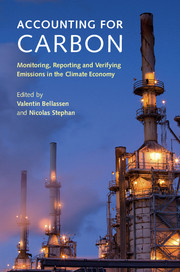
Accounting for Carbon
The Reader\\\\\\\\\\\\\\\'s Brain
Mindfulness in Organizations
Innovations in Sustainability
The Business Environment of Europe
Challenging Boardroom Homogeneity
King William\\\'s Tontine
Constructive Controversy
Anthropologies of Class
Corporate Social Entrepreneurship
The Long Process of Development
The Euro Experiment
Climate Change, Capitalism and Corporations
The Price of Oil
The Price of Oil
Climate Change, Capitalism and Corporations
The Psychology of Innovation in Organizations
Free Trade and Faithful Globalization
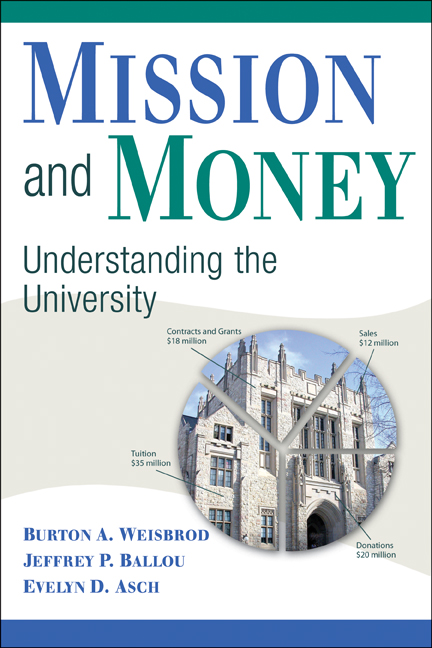
Mission and Money
Smart Solutions to Climate Change
Mission and Money
Financial Market Bubbles and Crashes
Big-time Sports in American Universities
Capitalism, For and Against
Scarcity and Frontiers
Obama\\\'s Bank
Health Care for Us All
After Bush
After Bush
Mission and Money
Global Brands
Party Politics and Economic Reform in Africa\\\'s Democracies
Cotton
The Romantic Economist
Factions and Finance in China
Making a New Deal
Japan Rising
The Israeli Economy from the Foundation of the State through the 21st Century
Teaching Management
Wall Street Values
Wall Street Values
Teaching Management
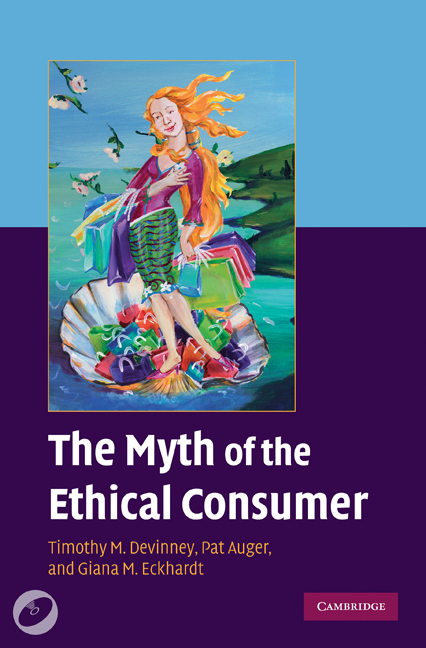
The Myth of the Ethical Consumer
Against Intellectual Monopoly
The Myth of the Ethical Consumer
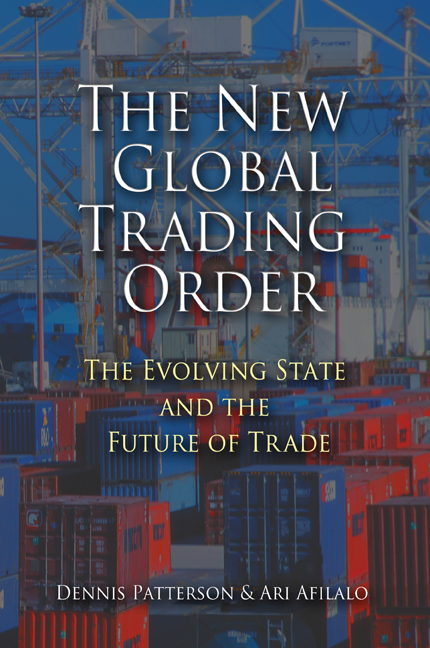
The New Global Trading Order
The Future of Financial Regulation
Marketing associate
Developing Countries in the GATT Legal System
A Practitioner’s Guide to Stochastic Frontier Analysis Using STATA<
Creating Global Opportunities
A Practitioner’s Guide to Stochastic Frontier Analysis Using STATA
Globalization and Mass Politics
Regulating Business for Peace
Trade Cooperation
Ethical Challenges in the Behavioral and Brain Sciences
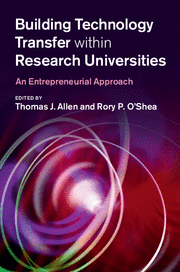
Building Technology Transfer within Research Universities
Intellectual Shamans
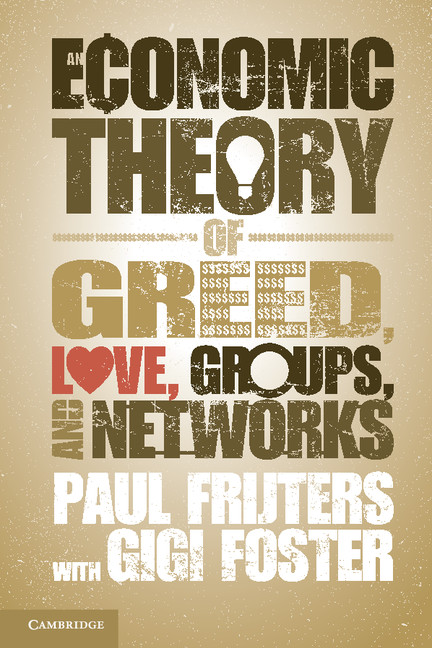
An Economic Theory of Greed, Love, Groups, and Networks
Leveraging Corporate Responsibility
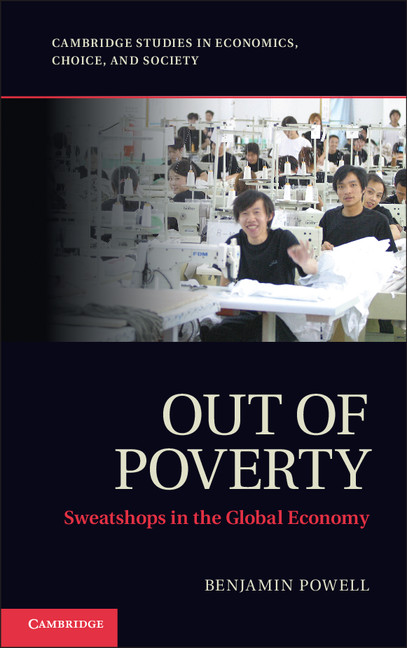
Out of Poverty: Sweatshops in the Global Economy
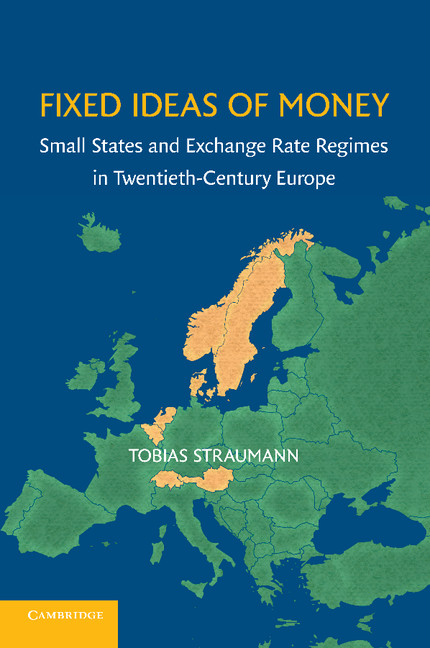
Fixed Ideas of Money
Behavioural Public Policy
Decoding Organization: Bletchley Park, Codebreaking and Organization Studies
The Many Panics of 1837
Creating New Markets in the Digital Economy
Global Turning Points
To receive updates on Business & Economics news from Cambridge University Press and Fifteen Eighty Four, please join our email list below. We will not disclose your email address to any third party