Open-minded citizens who are concerned about the potential impact of global warming on their lives, and on those of their children, are bombarded with wildly discordant information and recommendations. Perhaps few still doubt whether global temperatures are indeed increasing, but, beyond this minimal level of agreement, there remain conflicting, and often strident, views about virtually […]
Read MoreImagine a crash site. Emergency services rush to the scene of the incident and begin to help. Firefighters, paramedics and police officers are bound to face a number of dilemmas as they carry out their activities. They have operational procedures in place for a range of emergencies, but every situation is unique, so do they […]
Read MoreLaunched in 2015 and completed in 2022, the Institutional Diagnostic Project aimed at identifying institutional factors that affect development, reforms that may help address existing institutional constraints, and factors that can preclude or enable these reforms. Using the motto ‘institutions matter’ as a starting point, the project sought to establish how institutions matter and to […]
Read MoreThe research program that has dominated macroeconomic theory since the 1980s achieved its hegemony mainly because of its methodological claims of having ‘solid microeconomic foundations’. The core models of new Keynesian macroeconomics are based on intertemporal optimization by representative households, a ‘forward looking’ Phillips curve with nominal price stickiness and staggered priced setting, and rational […]
Read MoreThe conventional premise for embracing law in the context of economic reform calls for a modern legal system as a prerequisite for economic development. The premise suggests that economic exchange between unfamiliar parties requires reliable and uniformly applicable norms and institutions, to protect the rights of economic participants and provide credible commitments for growth (secure […]
Read MoreI enjoy writing articles and books that integrate ideas, which resulted in my most recent book Encouraging Innovation: Cognition, Education, and Implementation. The first section of the book discusses the cognitive and social skills required for innovation – reasoning, problem solving, creativity, group decision making, and collaborative problem solving. The second section discusses education – […]
Read MoreIts been a busy six months since the launch of the UNU-WIDER-CUP Elements series in Development Economics in November 2022. Three titles have been published, the first was The 1918–20 influenza pandemic: A retrospective in the time of COVID-19, by Prema-chandra Athukorala and Chaturica Athukorala, which provides an analysis of the research from the last century […]
Read MoreIt’s hard to believe, but an increasing number of retirement plans are allowing employees to invest their 401(k) saving in non-conventional assets – including crypto currency funds and meme stocks. On the one hand, limited exposure to esoteric investments can provide some diversification benefits, on the other hand, the investors who are interested in these […]
Read MoreOpen-minded citizens who are concerned about the potential impact of global warming on their lives, and on those of their children, are bombarded with wildly discordant information and recommendations. Perhaps few still doubt whether global temperatures are indeed increasing, but, beyond this minimal level of agreement, there remain conflicting, and often strident, views about virtually […]
Read MoreImagine a crash site. Emergency services rush to the scene of the incident and begin to help. Firefighters, paramedics and police officers are bound to face a number of dilemmas as they carry out their activities. They have operational procedures in place for a range of emergencies, but every situation is unique, so do they […]
Read MoreLaunched in 2015 and completed in 2022, the Institutional Diagnostic Project aimed at identifying institutional factors that affect development, reforms that may help address existing institutional constraints, and factors that can preclude or enable these reforms. Using the motto ‘institutions matter’ as a starting point, the project sought to establish how institutions matter and to […]
Read MoreThe research program that has dominated macroeconomic theory since the 1980s achieved its hegemony mainly because of its methodological claims of having ‘solid microeconomic foundations’. The core models of new Keynesian macroeconomics are based on intertemporal optimization by representative households, a ‘forward looking’ Phillips curve with nominal price stickiness and staggered priced setting, and rational […]
Read MoreThe conventional premise for embracing law in the context of economic reform calls for a modern legal system as a prerequisite for economic development. The premise suggests that economic exchange between unfamiliar parties requires reliable and uniformly applicable norms and institutions, to protect the rights of economic participants and provide credible commitments for growth (secure […]
Read MoreI enjoy writing articles and books that integrate ideas, which resulted in my most recent book Encouraging Innovation: Cognition, Education, and Implementation. The first section of the book discusses the cognitive and social skills required for innovation – reasoning, problem solving, creativity, group decision making, and collaborative problem solving. The second section discusses education – […]
Read MoreIts been a busy six months since the launch of the UNU-WIDER-CUP Elements series in Development Economics in November 2022. Three titles have been published, the first was The 1918–20 influenza pandemic: A retrospective in the time of COVID-19, by Prema-chandra Athukorala and Chaturica Athukorala, which provides an analysis of the research from the last century […]
Read MoreIt’s hard to believe, but an increasing number of retirement plans are allowing employees to invest their 401(k) saving in non-conventional assets – including crypto currency funds and meme stocks. On the one hand, limited exposure to esoteric investments can provide some diversification benefits, on the other hand, the investors who are interested in these […]
Read MoreKeep up with the latest from Cambridge University Press on our social media accounts.
Associate Professor of Finance at the University of Minnesota, Carlson School of Management
Professor of Finance at the MIT Sloan School of Management
Martha L. Maznevski is Professor of Organizational Behavior and Faculty Co-Director for Executive Education at Ivey Business School, University of Western Ontario.

Kanina Blanchard has extensive experience working in international business, the public service, non-profit and consulting.
A History of Macroeconomics from Keynes to Lucas and Beyond
Accounting for Carbon
The Reader\\\\\\\\\\\\\\\'s Brain
Mindfulness in Organizations
Innovations in Sustainability
The Business Environment of Europe
Challenging Boardroom Homogeneity
King William\\\'s Tontine
Constructive Controversy
Anthropologies of Class
Corporate Social Entrepreneurship
The Long Process of Development
The Euro Experiment
Climate Change, Capitalism and Corporations
The Price of Oil
The Price of Oil
Climate Change, Capitalism and Corporations
The Psychology of Innovation in Organizations
Free Trade and Faithful Globalization
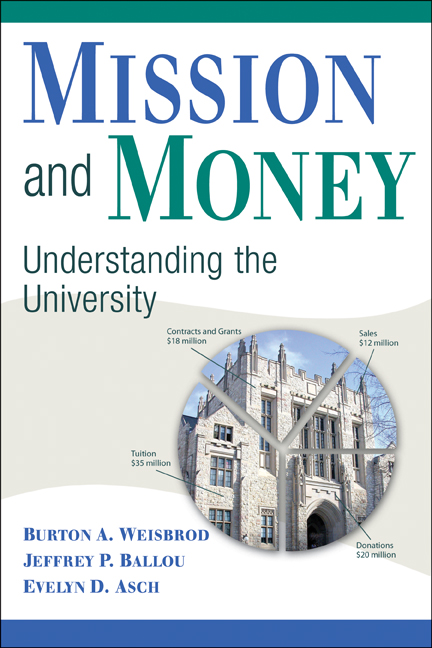
Mission and Money
Smart Solutions to Climate Change
Mission and Money
Financial Market Bubbles and Crashes
Big-time Sports in American Universities
Capitalism, For and Against
Scarcity and Frontiers
Obama\\\'s Bank
Health Care for Us All
After Bush
After Bush
Mission and Money
Global Brands
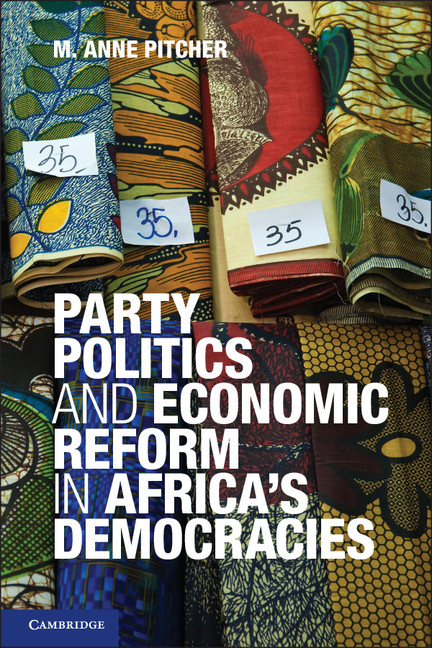
Party Politics and Economic Reform in Africa\\\'s Democracies
Cotton
The Romantic Economist
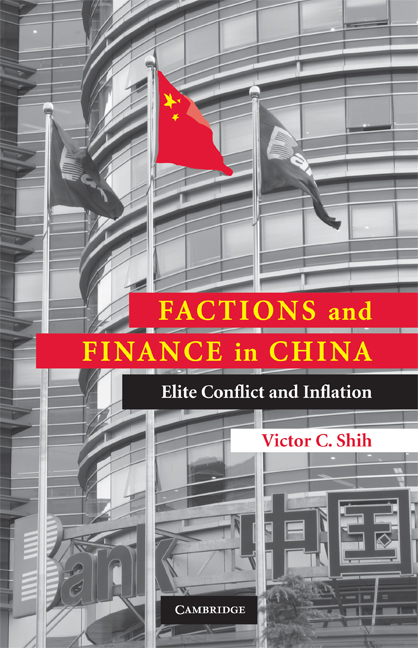
Factions and Finance in China
Making a New Deal
Japan Rising
The Israeli Economy from the Foundation of the State through the 21st Century
Teaching Management
Wall Street Values
Wall Street Values
Teaching Management
The Myth of the Ethical Consumer
Against Intellectual Monopoly
The Myth of the Ethical Consumer
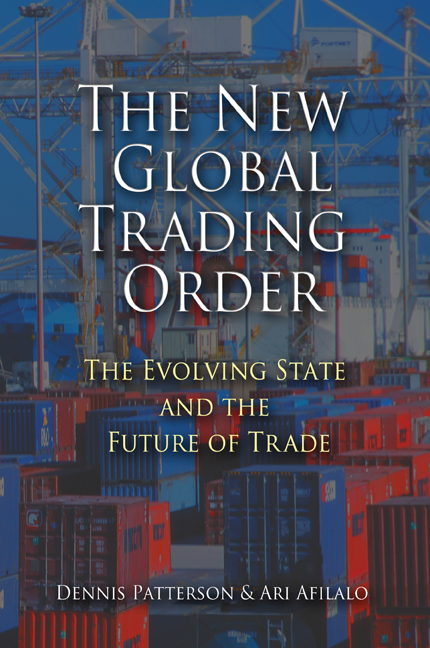
The New Global Trading Order
The Future of Financial Regulation
Marketing associate
Developing Countries in the GATT Legal System
A Practitioner’s Guide to Stochastic Frontier Analysis Using STATA<
Creating Global Opportunities
A Practitioner’s Guide to Stochastic Frontier Analysis Using STATA
Globalization and Mass Politics
Regulating Business for Peace
Trade Cooperation
Ethical Challenges in the Behavioral and Brain Sciences
Building Technology Transfer within Research Universities
Intellectual Shamans
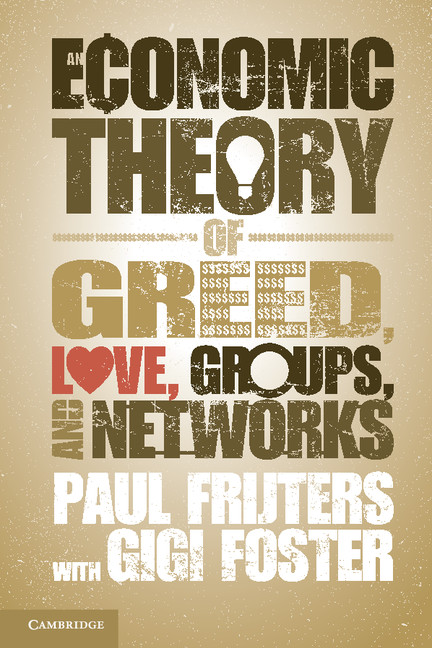
An Economic Theory of Greed, Love, Groups, and Networks
Leveraging Corporate Responsibility
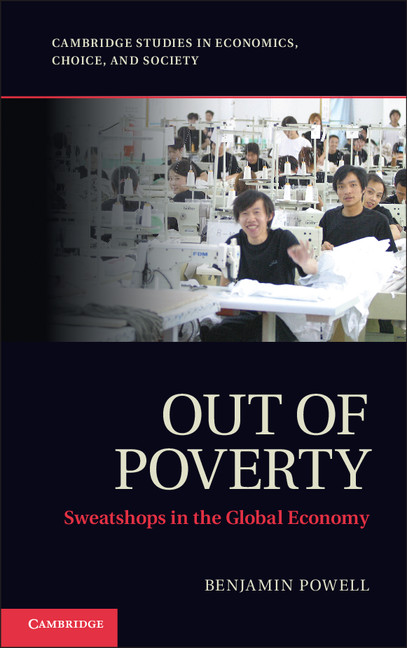
Out of Poverty: Sweatshops in the Global Economy
Fixed Ideas of Money
Behavioural Public Policy
Decoding Organization: Bletchley Park, Codebreaking and Organization Studies
The Many Panics of 1837
Creating New Markets in the Digital Economy
Global Turning Points
To receive updates on Business & Economics news from Cambridge University Press and Fifteen Eighty Four, please join our email list below. We will not disclose your email address to any third party