It’s been hard to make sense of COVID-19. At least, I have found it hard. So many deaths. So many changes to everyday life. So much political strangeness. So much uncertainty about the future. This blog post was originally posted on “The Better Food Journey” and is cross-posted with permission. The blog builds on the […]
Read MoreCo-author of The Kestrel, David Costantini, discusses why the Kestrel is so important to him and his inspiration behind co-writing a book all about them.
Read MoreWallace Arthur, author of The Biological Universe, sheds some light on one of humanity's most enduring questions.
Read MoreCOVID-19 has confirmed some long-understood yet long-ignored truths about the economics of information, and has also highlighted deeply disturbing fractures in today’s information ecology COVID-19 has delivered an extraordinary shock to humanity. Advocates and researchers working on sustainability have rightly seized on the similarly extraordinary opportunity that the (eventual) recovery from this pandemic offers: to […]
Read MoreThe rapidly-increasing number of known planets has just passed the 4200 mark, according to NASA. The upshot of this is that we may now have enough planets to detect extraterrestrial life, even if we never discovered any more planets, which is most unlikely given that there are over 5000 additional ‘candidate planets’ awaiting confirmation. Discovering […]
Read MoreIs philosophy of science of any use to biologists? A well-known response is that philosophy of science is as helpful to science, as ornithology is to birds. Whether or not it was Richard Feynman who actually said this does not affect the fact that many biologists that we have met, especially those older than us, […]
Read MoreWe asked the authors of some of our most popular textbooks to take part in a series of Facebook Live webinars about teaching remotely.
Read MoreThe Corona pandemic and the ensuing recovery packages seem poised to bring about disruptions that will define world politics over the coming decades. Ultimately, the disruptions may trigger transformations of the world’s societies as we know them – for better, for worse. A societal disruptor is an occurrence that interrupts a system or a process […]
Read MoreIt’s been hard to make sense of COVID-19. At least, I have found it hard. So many deaths. So many changes to everyday life. So much political strangeness. So much uncertainty about the future. This blog post was originally posted on “The Better Food Journey” and is cross-posted with permission. The blog builds on the […]
Read MoreCo-author of The Kestrel, David Costantini, discusses why the Kestrel is so important to him and his...
Read MoreWallace Arthur, author of The Biological Universe, sheds some light on one of humanity's most enduri...
Read MoreCOVID-19 has confirmed some long-understood yet long-ignored truths about the economics of information, and has also highlighted deeply disturbing fractures in today’s information ecology COVID-19 has delivered an extraordinary shock to humanity. Advocates and researchers working on sustainability have rightly seized on the similarly extraordinary opportunity that the (eventual) recovery from this pandemic offers: to […]
Read MoreThe rapidly-increasing number of known planets has just passed the 4200 mark, according to NASA. The upshot of this is that we may now have enough planets to detect extraterrestrial life, even if we never discovered any more planets, which is most unlikely given that there are over 5000 additional ‘candidate planets’ awaiting confirmation. Discovering […]
Read MoreIs philosophy of science of any use to biologists? A well-known response is that philosophy of science is as helpful to science, as ornithology is to birds. Whether or not it was Richard Feynman who actually said this does not affect the fact that many biologists that we have met, especially those older than us, […]
Read MoreWe asked the authors of some of our most popular textbooks to take part in a series of Facebook Live webinars about teaching remotely.
Read MoreThe Corona pandemic and the ensuing recovery packages seem poised to bring about disruptions that will define world politics over the coming decades. Ultimately, the disruptions may trigger transformations of the world’s societies as we know them – for better, for worse. A societal disruptor is an occurrence that interrupts a system or a process […]
Read MoreKeep up with the latest from Cambridge University Press on our social media accounts.
University of Virginia
Finnish Environment Institute
Wilfrid Laurier University
The Ohio State University
Ministry of Finance, Ghana
University of California, Los Angeles
The Joy of Science
Simon Mitton is a Life Fellow at St Edmund\\\\\\\\\\\\\\\'s College, University of Cambridge. For more than fifty years he has passionately engaged in bringing discoveries in astronomy and cosmology to the general public. He is a Fellow of the Royal Historical Society, a former Vice-President of the Royal Astronomical Society, and a Fellow of the Geological Society. The International Astronomical Union designated asteroid 4027 as Minor Planet Mitton in recognition of his extensive outreach activity and that of Dr Jacqueline Mitton.
Bruce Rocheleau is a Professor Emeritus in the Department of Public Administration, Northern Illinois University.
University of Illinois, Urbana-Champaign
David E. Fastovsky is Professor and Chair of the Department of Geosciences at the University of Rhode Island.
Julian Cribb FRSA FTSE is an Australian author and science communicator.
Mike Berners-Lee consults, thinks, writes and researches on sustainability and responses to 21st century challenges.
Ecology, Evolution and Behaviour of Wild Cattle
The Joy of Science
Staff Scientist, Brigham and Women’s Hospital, Department of Neurology with affiliation to The Broad Institute of Harvard and MIT.

Roger G. Barry, University of Colorado Boulder
Icebergs
Conservation of Freshwater Fishes
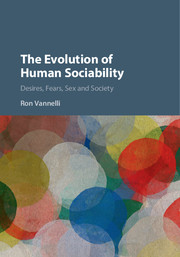
The Evolution of Human Sociability
The Choanoflagellates: Evolution, Biology and Ecology
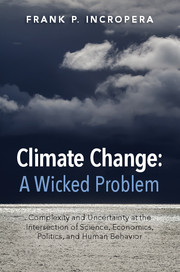
Climate Change: A Wicked Problem
Climate Change, Capitalism and Corporations
Colours and Colour Vision
Strategically Created Treaty Conflicts and the Politics of International Law
Fred D. Singer Radford University, Virginia
Matt lloyd
Zoology, Evolutionary Biology, Ecology
Geomorphology in the Anthropocene
Climate Change in Practice
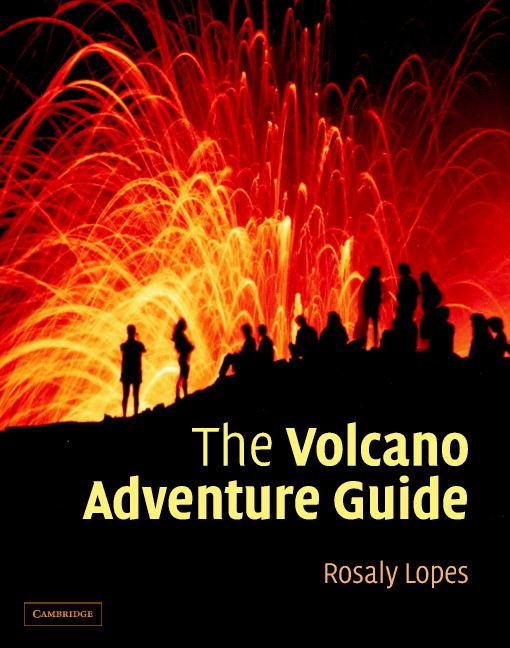
The Volcano Adventure Guide
The Philosophy of Human Evolution
Toxic Loopholes: Failures and Future Prospects for Environmental Law
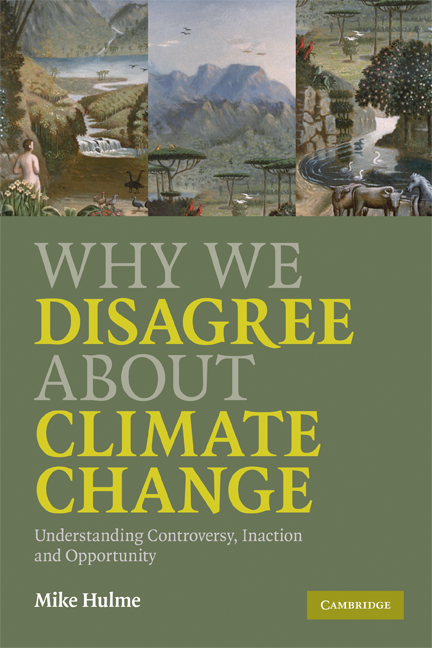
Why We Disagree About Climate Change
The Ecology of Oil
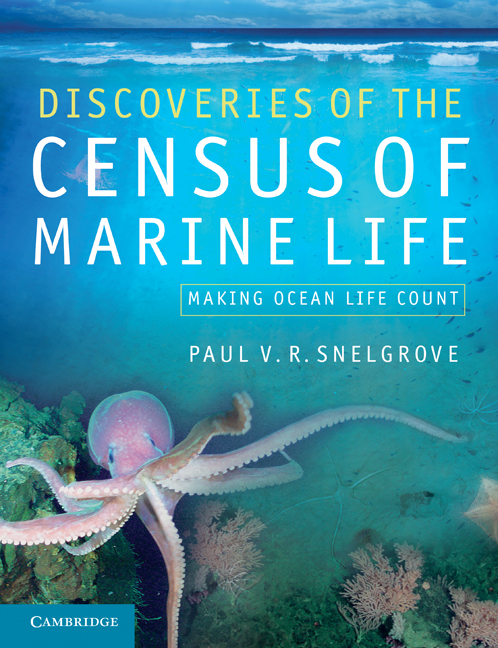
Discoveries of the Census of Marine Life
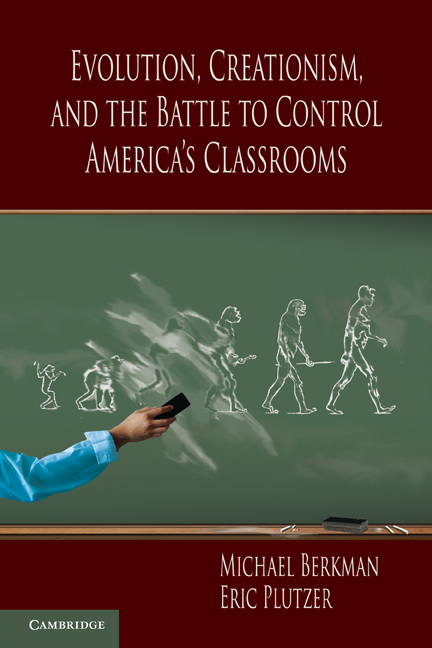
Evolution, Creationism, and the Battle to Control America\'s Classrooms
Talking About Life: Conversations on Astrobiology
Animal Homosexuality
Evolution, Creationism, and the Battle to Control America\\\\\\\'s Classrooms
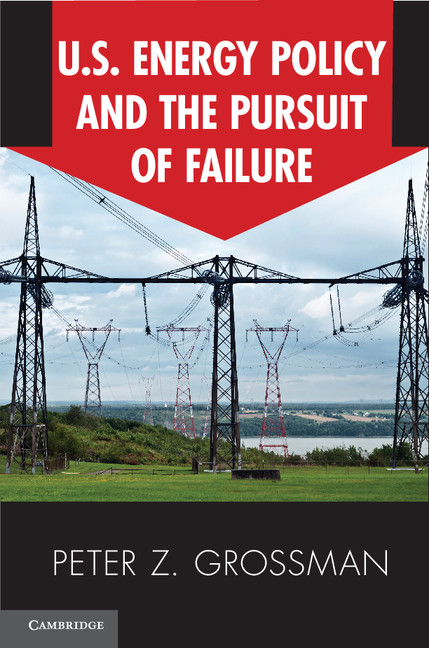
U.S. Energy Policy and the Pursuit of Failure
Too Hot to Touch
The Weather Observer\\\\\\\\\\\\\\\\\\\\\\\\\\\\\\\\\\\\\\\\\\\\\\\\\\\\\\\\\\\\\\\\\\\\\\\\\\\\\\\\\\\\\\\\\\\\\\\\\\\\\\\\\\\\\\\\\\\\\\\\\\\\\\\'s Handbook
Eruptions that Shook the World
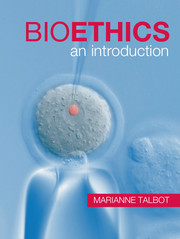
Bioethics
Does Your Family Make You Smarter?
Senior Inbound Marketing Executive
Evolution - Selected Letters of Charles Darwin 1860–1870
Giraffe: Biology, Behaviour, and Conservation
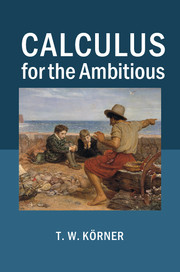
Calculus for the Ambitious
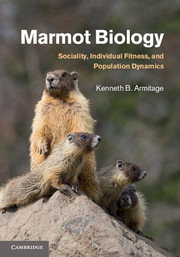
Marmot Biology
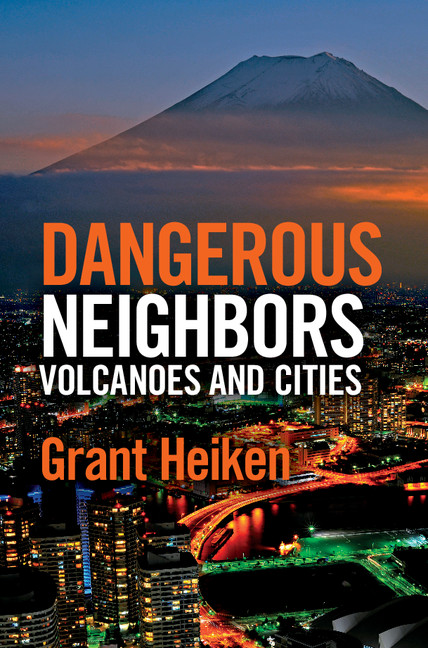
Dangerous Neighbors
Life Beyond Earth
Life Beyond Earth
Introduction to Cancer Biology
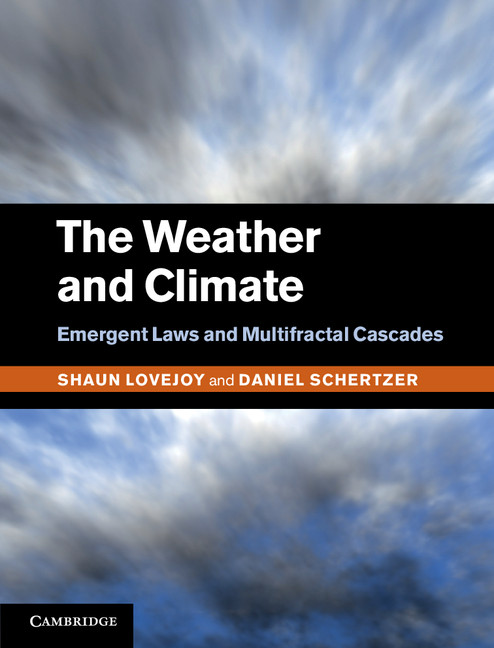
The Weather and Climate: Emergent Laws and Multifractal Cascades
Antarctica - Global Science from a Frozen Continent
The Domestic Cat
Assistant manager (e-products)
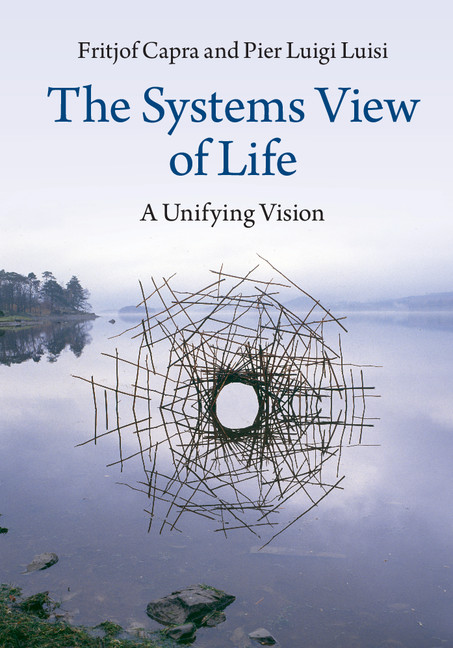
The Systems View of Life
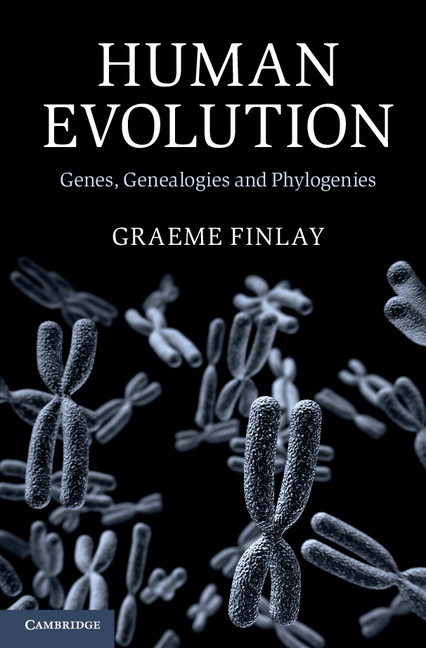
Human Evolution
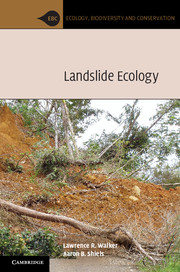
Landslide Ecology
Landslide Ecology
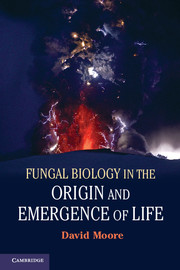
Fungal Biology in the Origin and Emergence of Life
To receive updates on Earth & Life Sciences news from Cambridge University Press and Fifteen Eighty Four, please join our email list below. We will not disclose your email address to any third party