

Products and services


It is well established that managing natural resources really means managing people. It is people’s use, or overuse, of natural resources that has to be monitored and managed – through rules on access, quantity and extraction methods, for example.
To enable that management to happen, across the world people who depend on fisheries, forests and other natural resources for their livelihoods have joined together with government to make decisions, monitor use and enforce rules. These collaborations differ in how they are structured, how power is shared and how effective they are. Yet, these collaborations, or forms of collaborative governance, share common challenges. These include unequal power sharing, dominance of more powerful actors, lack of trust and accountability, and slow and inadequate decision-making. These common challenges have contributed to intended improvements in the sustainability of natural resource use and in livelihoods either not being realised or not realised to the extent possible.
Despite these challenges and insufficient progress in performance, there really isn’t an alternative to collaboration. In the past, communities governed resources on their own. Then, in many parts of the world, governments took over. However, governments often do not have the resources – staff and money – to govern and manage natural resources alone. For many resources, going back to communities only governing the resources is also not an option – this could be due to in-migration and increased number of users, decline in the power of traditional rules and leaders, and the unwillingness of governments to fully cede power.
Common property theory, led by the Nobel prize winning Elinor Ostrom, has guided the theory and practice of collaborative governance of natural resources. This approach has largely been informed by economics and political science, with emphasis on the need for formal, resource-managing, rules and structures. There has been less recognition of the relevance of rules beyond those that aim to manage resources and of social networks for how people use resources and make decisions.
This limited recognition of the influence of the social world on natural resource governance and the lack of progress in delivering on more sustainable use and improved livelihoods, inspired me to dig deeper into existing knowledge on the collaborative governance, or co-management, of natural resources.
I decided to dig deeper by identifying the breadth of concepts that underpin co-management. Much has been written on these concepts, but they have not, until now, been brought together into one volume and framework.
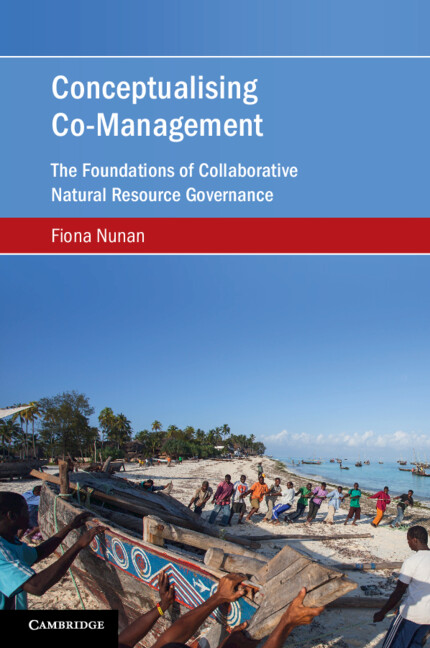
Conceptualising Co-Management: The Foundations of Collaborative Natural Resource Governance is the result of that digging. The book takes apart the concept of co-management, investigating what is understood by and has been learnt about concepts such as collaboration, participation, institutions and power in the practice of collaborative natural resource governance.
After taking apart the concept of co-management, the final chapter reconstructs co-management, bringing the underpinning concepts back together. It then offers a new, social relational, definition and conceptual framework for the understanding and practice of co-management. It is my hope that this fresh understanding and approach can breathe new life into collaborative natural resource governance, strengthen trust and relationships, particularly between government officers and community members, and help realise shared ambitions of greater sustainability of resource use and improved livelihoods.
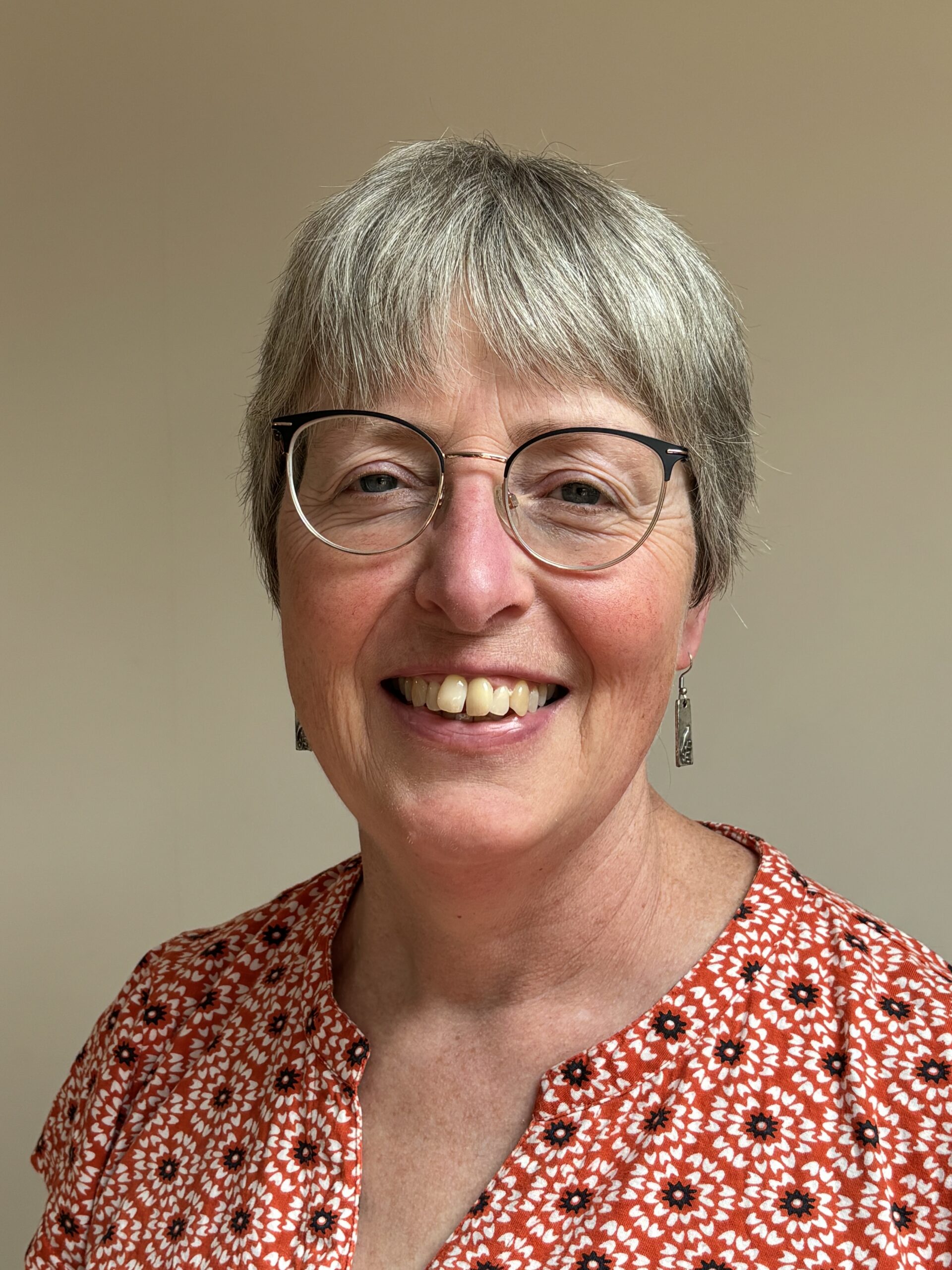
Fiona Nunan is Professor of Environment and Development at the International Development Department, University of Birmingham. She has worked on and researched fisheries co-managem...
View profile >Keep up with the latest from Cambridge University Press on our social media accounts.




Latest Comments
Have your say!