

Products and services

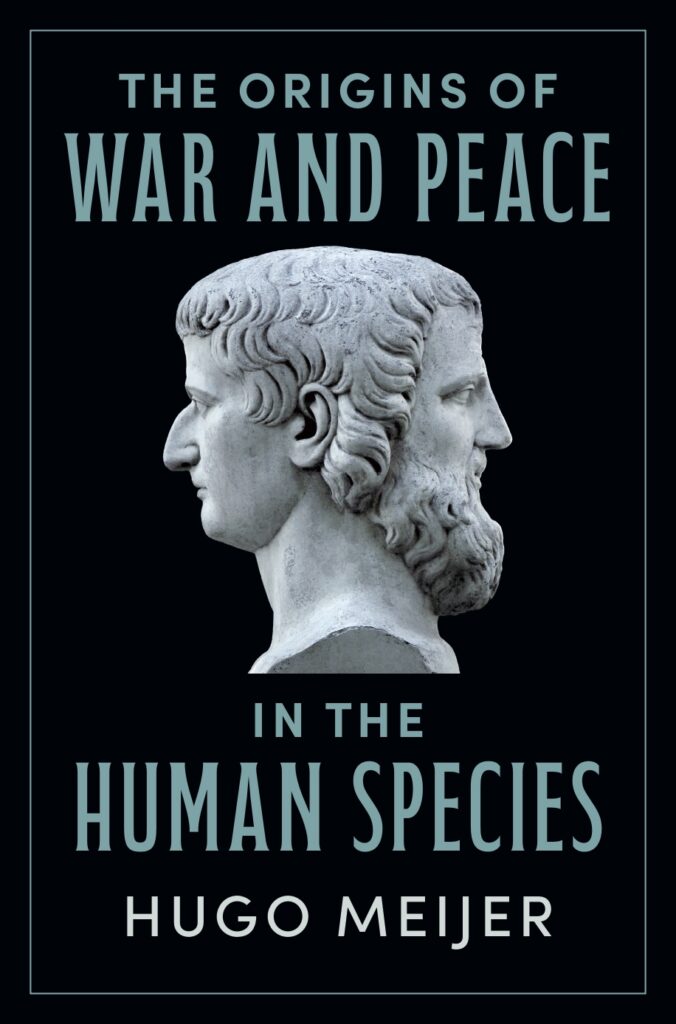
Humans occupy a peculiar place in the natural world. Coalitionary lethal attacks against members of other groups have been documented in only a relatively small number of species, including certain social insects, carnivores and primates. Likewise, only a handful of species—including bonobos and dolphins—are known to engage in some forms of peaceful cooperation between groups. No other species combines the inclination for both coalitionary lethal violence and peaceful cooperation between groups that characterises humans. How, when and why did we become capable of both war and peace?
For centuries, thinkers have approached this question differently. The debate has largely revolved around whether warfare is deeply rooted in our evolutionary past or instead emerged only more recently with the transition to agriculture, permanent settlements, and increasingly hierarchical societies. This long-standing controversy has shaped both scientific research and the public imagination, while yielding valuable insights. Yet both perspectives rest on a questionable assumption. They treat war as though it were a single behavioural trait that appeared at a particular moment in human history. Peace is often treated in much the same way. My book, The Origins of War and Peace in the Human Species, argues that neither assumption is correct.
War and peace are not unitary traits. Rather, each rests upon a constellation of distinct—yet partly overlapping—social, cognitive and behavioural capacities with different evolutionary histories. Some may have been inherited from our primate ancestors, whereas others emerged later within the human lineage as evolutionary innovations. These capacities arose at different moments, interacted with one another, and were progressively assembled through a prolonged, mosaic evolutionary process shaped by the interplay of biological, cultural and environmental forces.
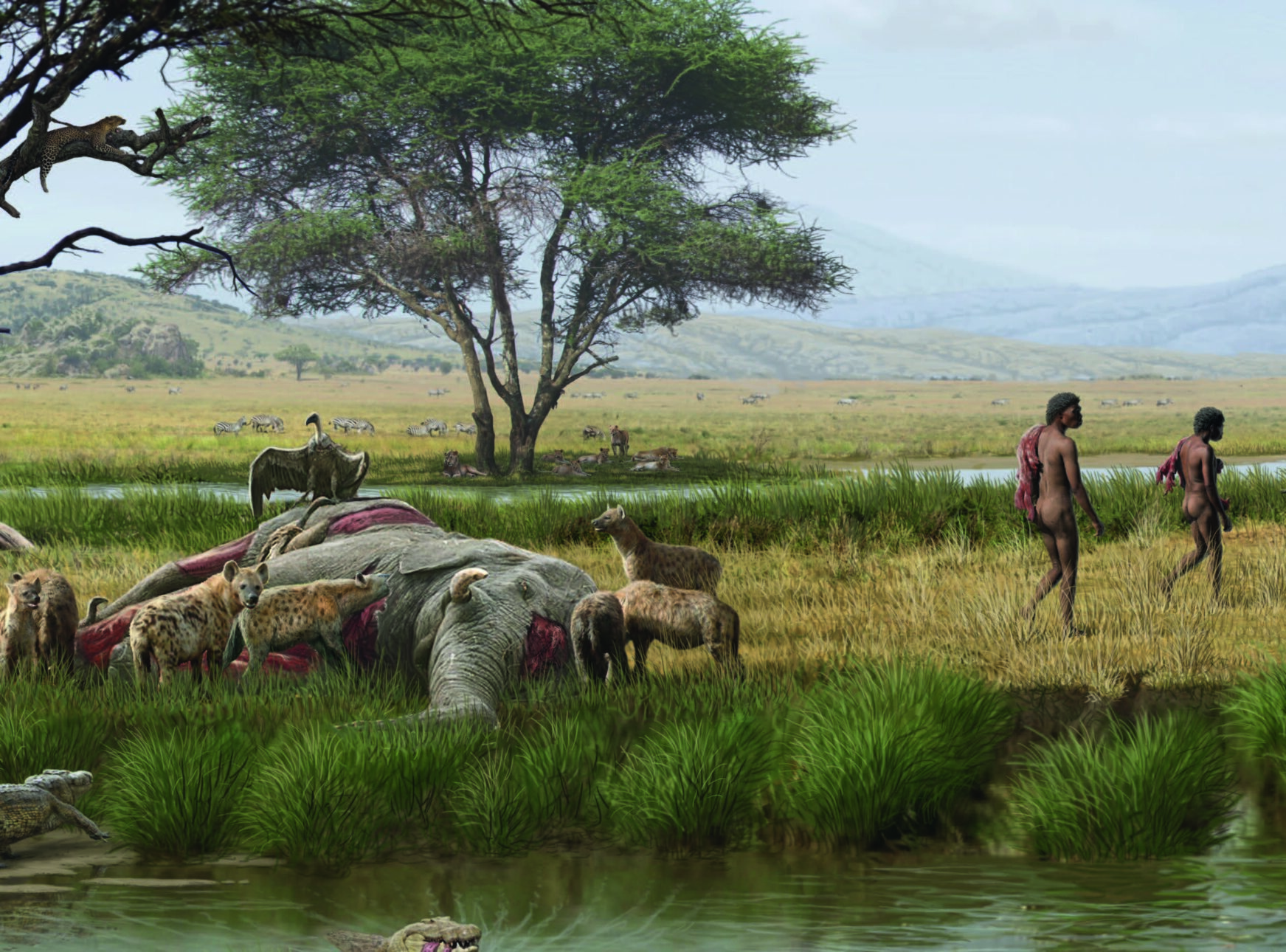
Reconstructing this deep history requires an unusually broad perspective, with each discipline contributing an essential piece of the puzzle. This book brings together insights from biology, primatology, comparative ethology, behavioural ecology, anthropology, archaeology, criminology, social psychology, linguistics, demography, genetics, neuroscience and climatology to reconstruct the origins of war and peace. Primatology, for instance, allows us to compare the social behaviour of humans with that of our closest living relatives, chimpanzees and bonobos. Archaeology uncovers evidence of both conflict and long-distance exchange stretching far back into prehistory. Anthropology reveals the remarkable diversity of hunter-gatherer societies. Genetics, neuroscience, linguistics and climatology help shed further light on how the distinct capacities underlying war and peace emerged and became integrated over evolutionary time. Only by weaving these different strands of evidence together can we begin to understand how our species became capable of both war and peace.
Moreover, throughout evolutionary time, biological evolution, cumulative culture and environmental change interacted through a series of feedback loops. Climatic fluctuations repeatedly altered the distribution of resources, influencing mobility and relations between neighbouring groups. Cumulative culture allowed each generation to build upon the achievements of previous ones, while language dramatically expanded the transmission of knowledge and the scope of cooperation. Together, these developments fostered increasingly extensive exchange networks, diplomacy and alliances, but they also enhanced the ability to organise and coordinate collective violence.
The picture that emerges is far more complex than either of the traditional perspectives suggests. The central evolutionary puzzle is no longer whether humans are inherently violent or peaceful. Rather, it is how evolution gradually assembled the capacities that made both war and peaceful cooperation possible, and how they became intertwined over millions of years. Understanding that history does more than illuminate our distant past. Tracing how these capacities evolved helps us better understand not only where we came from, but also the possibilities that lie ahead of us.

Hugo Meijer is Research Fellow at CNRS Research Fellow and the Deputy Director of the Centre for International Studies (CERI) at Sciences Po, Paris. He is also the Founder and Hono...
View profile >Keep up with the latest from Cambridge University Press on our social media accounts.


Latest Comments
Have your say!