What George Herbert Can Teach Us About Simple Eloquence
Kenneth E. Graham, Christopher Hodgkins, Michael Schoenfeldt
The publication of our George Herbert and Eloquence brings a complete rethinking of Herbert’s rhetorical art. No English poet is more frequently understood (and misunderstood) as ‘simple’ – a perception that certainly has done Herbert (1593-1633) some good in our own frequently anti-rhetorical era. Herbert’s reputation is no accident, for he often cultivates plainness, including homely imagery of bags, brooms, collars, and pulleys – and he employs a conversational tone (‘Dear friend, sit down, the tale is long and sad’).
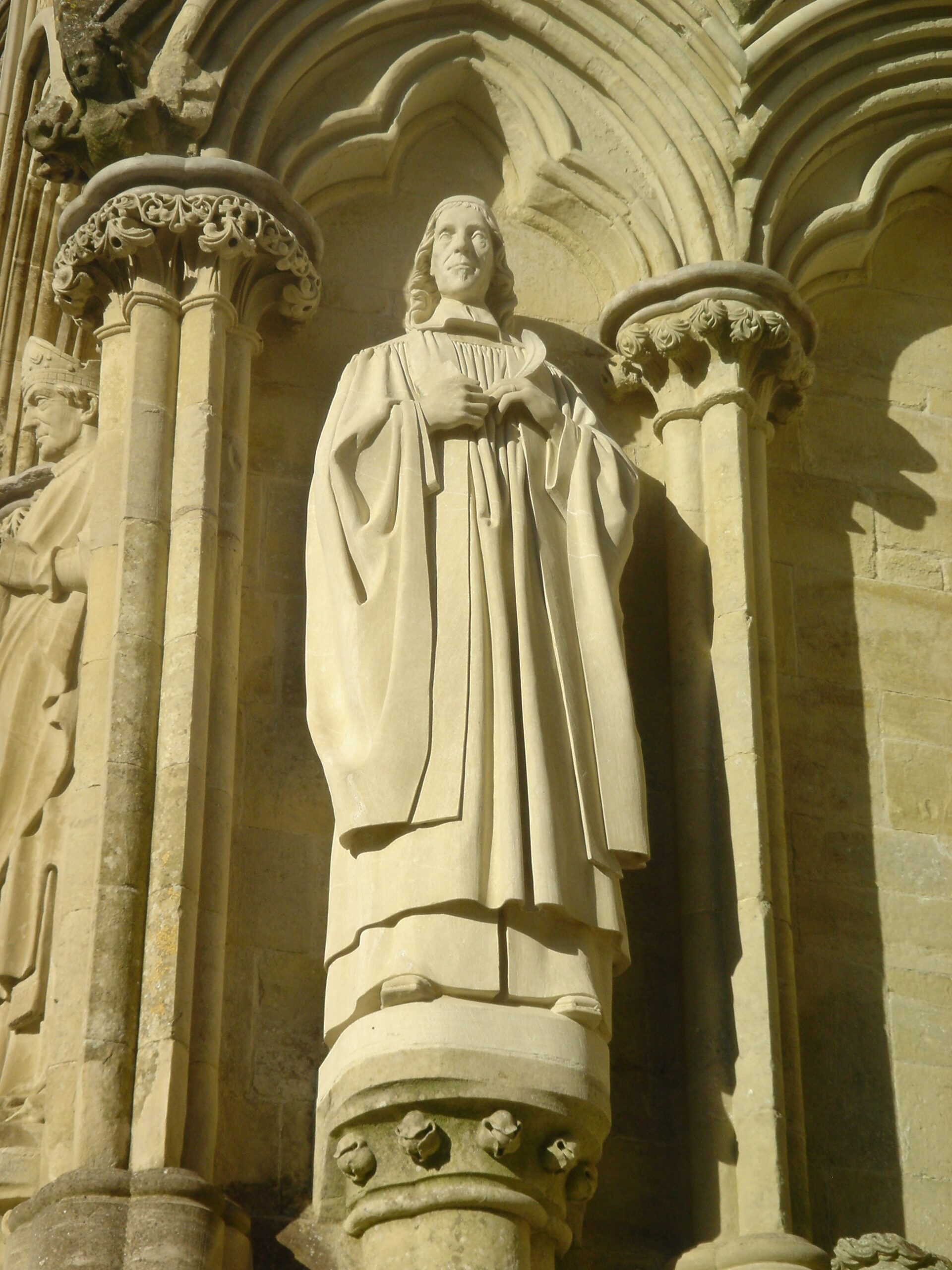
Caption: The statue of George Herbert on the west front of Salisbury Cathedral—a modern addition by sculptor Jason Battle
Herbert also models an economy of language that extends from his usual one-word titles – ‘Affliction’, ‘Employment’, ‘Evensong’, ‘Grief’ – to his powerfully laconic endings: ‘Who straight, / “Your suit is granted”, said, and died’; ‘Alas, my God!’; ‘So I did sit and eat’. Indeed, Herbert provides multiple poetic manifestoes for simplicity: ‘Jordan’ I and II, ‘The Forerunners’, ‘The Quiddity’, and ‘The Quip’ all attack the ‘fictions … and false hair’ of ‘trim invention’ and ‘embellishment’, advocating instead for a direct, ‘honest’ minimalism that rests on scriptural bedrock and gives God the last word: ‘My God, my King’; ‘But thou shalt answer, Lord, for me’.
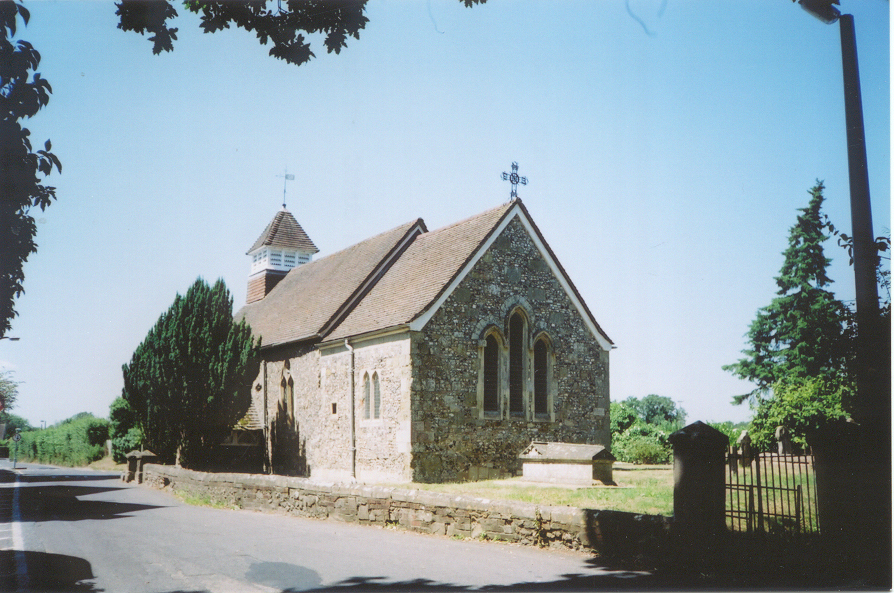
Caption: The east end of St. Andrew’s Church, Bemerton, Herbert’s parish 1630-1633 near Salisbury, Wiltshire
So it will come as a surprise to many who only know Herbert from the anthologies that, as a young scholar at Cambridge, he strove to become the most eloquent man, not only in the university, but in Britain. Our essay collection – featuring nineteen chapters from many of the world’s leading scholars of Herbert and of Renaissance culture – takes as its starting point Herbert’s eagerly-sought election in 1620 as Cambridge Public Orator, which he then called ‘the finest place in the University’. From the Orator’s rostrum he addressed all the great and the good who came to Cambridge, including King James himself, who cherished his writing and who – Herbert had reason to believe – might short-list him for the Privy Council. Herbert’s Latin eloquence, and his golden pen in University correspondence, won him many other powerful admirers, including the famously fluent Lancelot Andrewes, translator-in-chief of the Authorised Version of the Bible, and Sir Francis Bacon, Lord Chancellor and father of the scientific method.
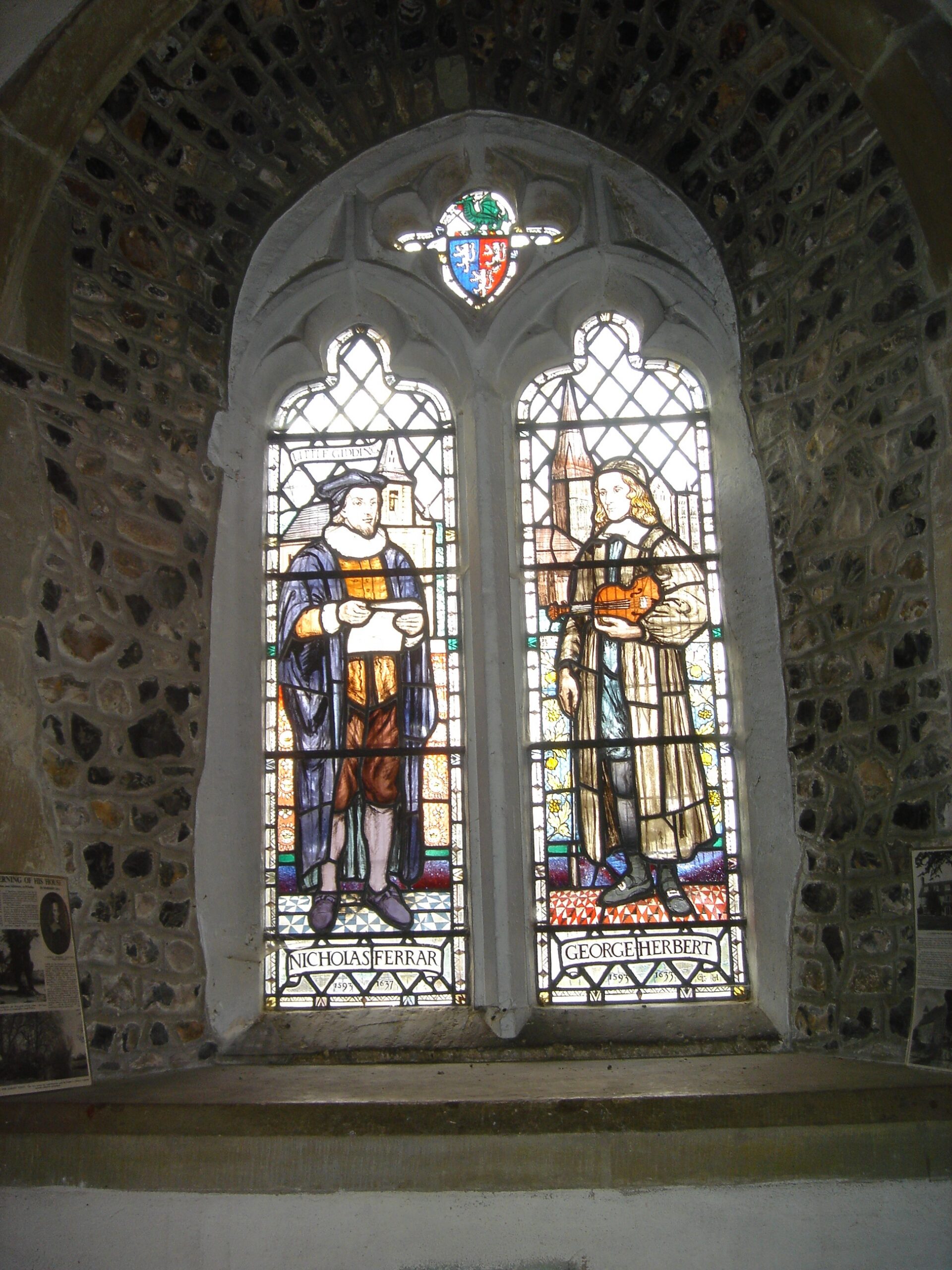
Caption: Window dedicated to Nicholas Ferrar and Herbert, St. Andrew’s Church
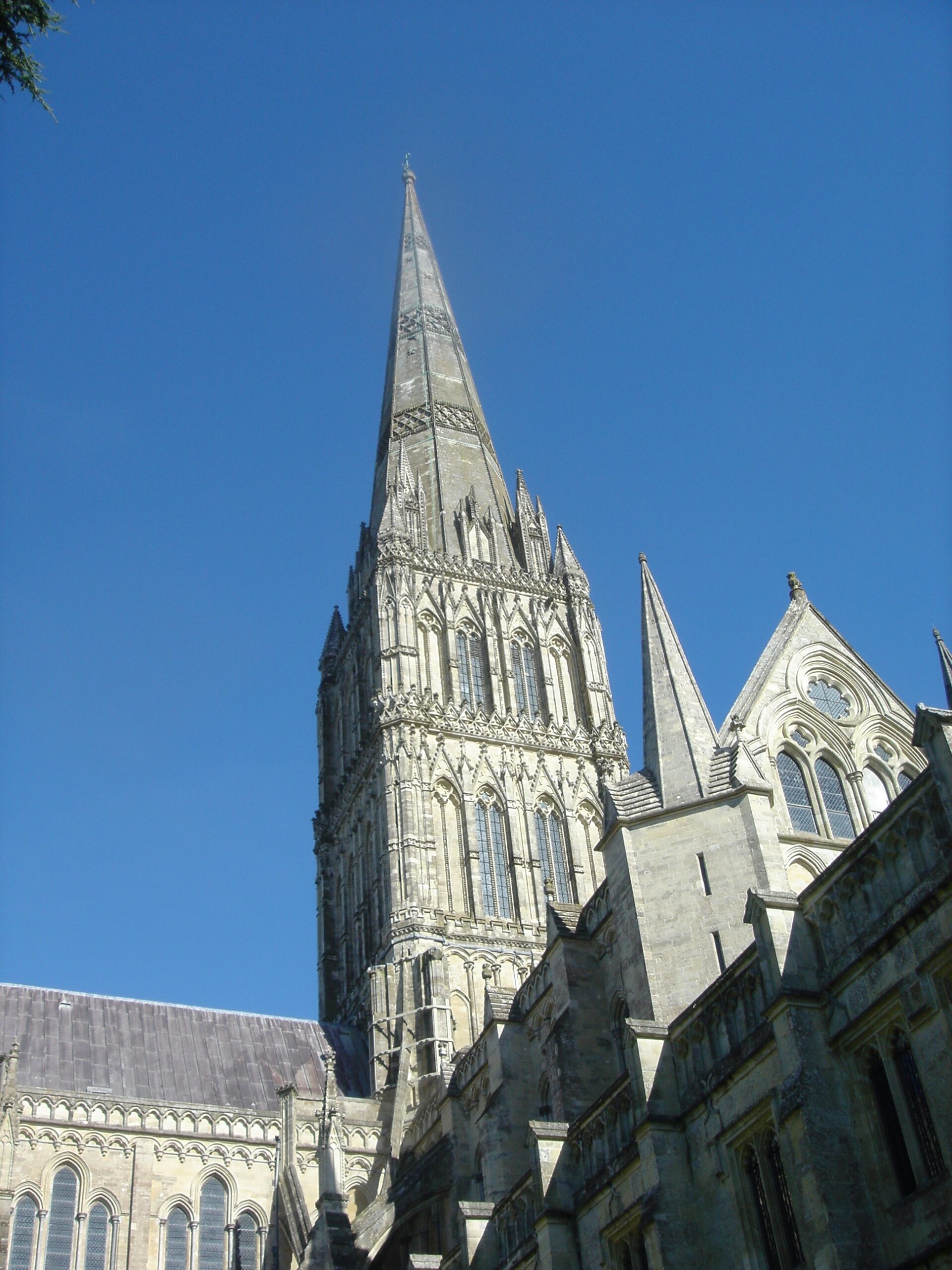
Caption: Salisbury Cathedral spire
But somewhere along the way, Herbert fell out with eloquence, though never entirely out of love with it. He found himself increasingly tied to his desk, writing florid and flattering epistles to the rich and the mighty; his oratory got him in trouble when he praised the peaceful intentions of Prince Charles (soon to be King Charles I) when everyone knew that the Prince wanted war with Spain; and he wearied of the incessant adulation that he was expected to generate, which at heart he believed should be offered to God alone. So, his career advancement blocked under King Charles’s new regime, Herbert entered holy orders, resigned the Oratorship, and embraced with an aggressive humility his calling as parish priest in the modest village of Bemerton near Salisbury – where he laboured at his ministry until his early death in 1633, leaving behind the simply eloquent poetry of The Temple, which made him posthumously famous.
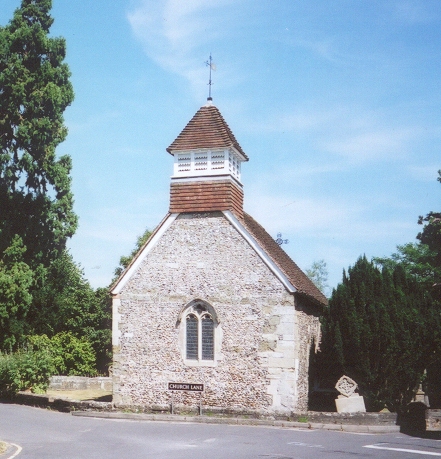
Caption: The west end of St. Andrew’s Church
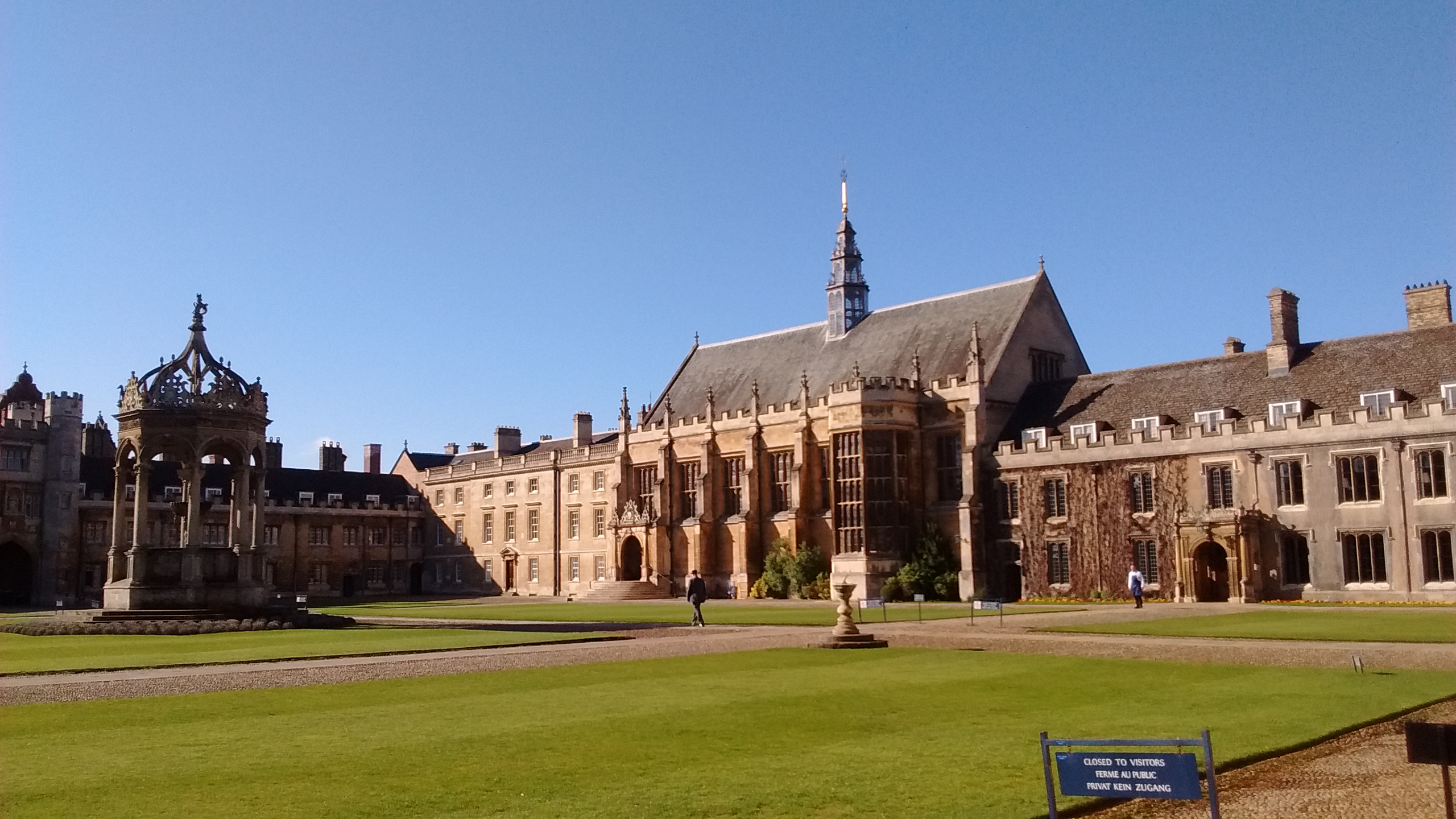
Caption: The Great Court, Trinity College, Cambridge, Herbert’s alma mater
Readers of George Herbert and Eloquence can go both wide and deep with a collection which contextualises some of Herbert’s most famed qualities – his extraordinary fluency checked by his deep suspicion of his own verbal flow – as manifesting ancient and persistent debates about the virtue, power, limits, and liabilities of artful and persuasive language. In an age when we crave authenticity, but fear that even that can be artificially generated by technological gods, Herbert’s quest to speak truly, simply, and beautifully is more pressing than ever.
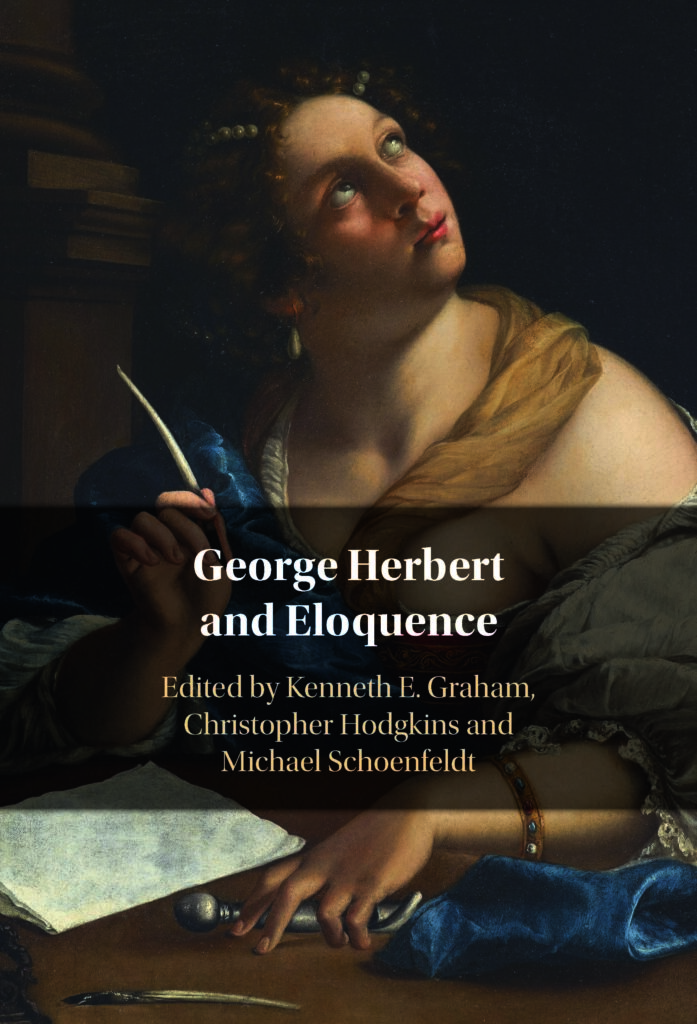
George Herbert and Eloquence by Kenneth E. Graham, Christopher Hodgkins and Michael Schoenfeldt
Kenneth E. Graham is author of The Performance of Conviction: Plainness and Rhetoric in the Early English Renaissance (1994) and Disciplinary Measures from the Metrical Psalms to M...
Christopher Hodgkins is author or editor of ten books and directs the international George Herbert Society. With Robert Whalen, he co-edits The Digital Temple (2013); George Herber...
Michael C. Schoenfeldt was John Knott Professor of English at the University of Michigan. Author of Prayer and Power: George Herbert and Renaissance Courtship (1991), Bodies and Se...






Latest Comments
Have your say!