

Products and services

They tell us not simply what people listened to, but what they believed, what they feared, what they wanted, who they thought belonged – and, often, who they thought didn’t belong.
What will be the singing evidence left behind for our time? In my most recent book, American Song and Struggle from World War II to MAGA, I make an early point of quoting Salman Rushdie’s address to PEN America: “Even after Orpheus was torn to pieces, his severed head, floating down the river Hebrus, went on singing, reminding us that song is stronger than death. We can sing the truth and name the liars.” At this moment, there are some very powerful forces out there are trying to silence history; to whitewash it, to bury it, to airbrush it out. But – as I conclude in the book: “The severed head of Orpheus still floats down the river. The liars will be named. The truth will be sung.”
In a nutshell, that is my organizing principle. But I should explain what I mean by the title American Song and Struggle. I deliberately didn’t call this book American Protest Songs. “Protest music” is a perfectly useful term. But it’s much too narrow for the history I’ve wanted to tell. What interested me was struggle: struggles for fairness and justice; for food and shelter; for equality and freedom; for the right to be recognised as a person of worth. And sometimes the struggle over singing itself: who is permitted to sing, what they’re permitted to sing, where they can sing – and even whether they’re allowed to sing at all. Once you start looking at American music that way, the story gets much bigger. Suddenly we’re not only talking about your branded “protest singers” like Woody Guthrie, Pete Seeger, Joan Baez, and Phil Ochs – important though they all are. We’re talking about Indigenous song and spirituals. Jazz and bebop. Broadway musicals and symphonies. Opera. Country music and punk. Disco and hip-hop. Hawaiian sovereignty songs and Mexican corridos. Riot grrrl and reggaeton – because struggle doesn’t belong to a single or select genre.
A song can accompany a movement that wins. It can accompany one that loses. It can make frightened people brave. It can also make frightened people hateful. Songs can console, help people to organize, preserve memory, raise money, and ridicule authority. They can recruit, exclude, caricature, intimidate, sell wars, sell politicians, and sell an imagined past. That, for me, is the basis of American Song and Struggle – not a soundtrack laid over history, but part of the historical evidence.And regardless of who wins this midterm or that general election, there is one constant that my research has taught me: the severed head of Orpheus will always float down the river. The liars will be named. The truth will be sung.
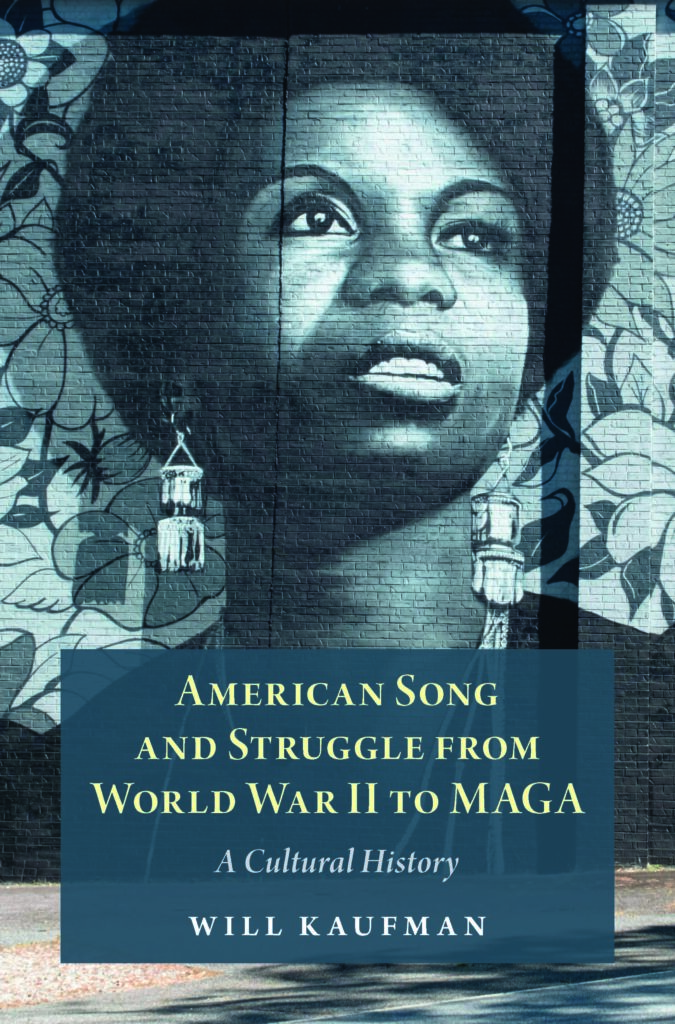
American Song and Struggle from
World War II to MAGA by Will Kaufman
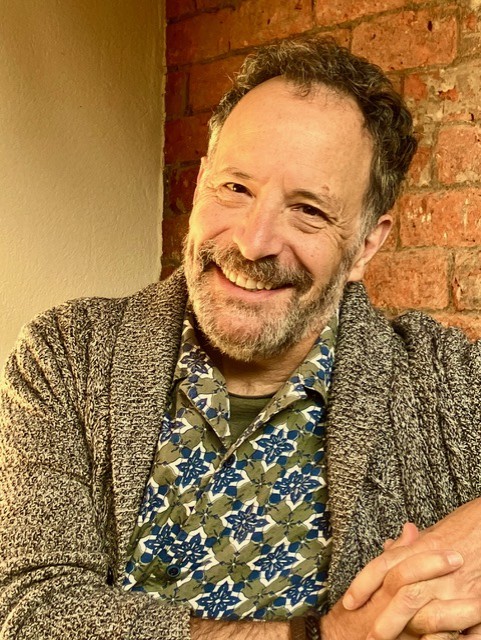
Will Kaufman is the author of American Song and Struggle from Columbus to World War II (Cambridge University Press, 2022), which won the 2023 Choice 360 Award for the best academic...
View profile >Keep up with the latest from Cambridge University Press on our social media accounts.



Latest Comments
Have your say!