

Products and services

Here in the United States, history is a recent phenomenon. This summer, the U.S. celebrated its 250th birthday. That’s not nothing, of course, but it pales before many sovereign nations in Europe that have been around twice as long. Or three times. Or four. Or more.
The oldest city in the U.S., however, goes back almost twice as long as the country that now contains it. St. Augustine, Florida, has been continually occupied since the Spanish explorer Pedro Menéndez de Avilés arrived in 1565 (even before Cambridge University Press began publishing books). He sighted land on August 28th of that year, the feast day for Augustine of Hippo.
Thus, the oldest city in the U.S. was named for an African saint, almost certainly a person of color by today’s standards. So in a sense the die was cast.
The U.S. has grappled with a complicated story around race ever since: its long history of slavery, the wreckage of the Civil War, decades of Jim Crow segregation, progress and backlash even now.
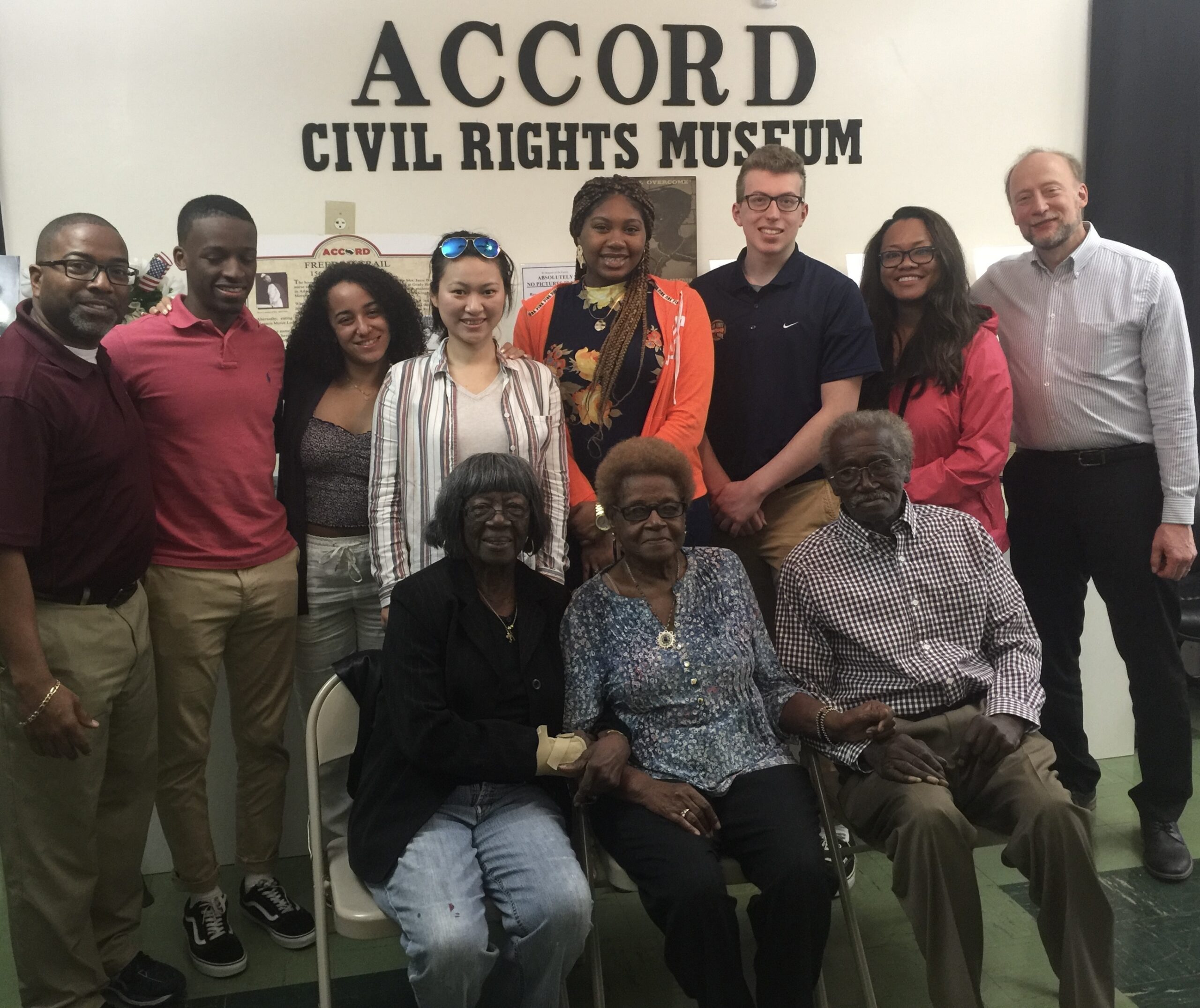
Throughout much of its 461-year history, St. Augustine, a precious little city on Florida’s northern coast, has been a dramatic microcosm of the American race story.
Never more so than during the turbulent years of 1963 and 1964, when the city became, briefly, the center of the American civil rights narrative. It is a startlingly under-told chapter, typically minimized by historians, and even conspicuously underrepresented in the mostly magnificentNational Museum of African American History and Culture in Washington, DC.
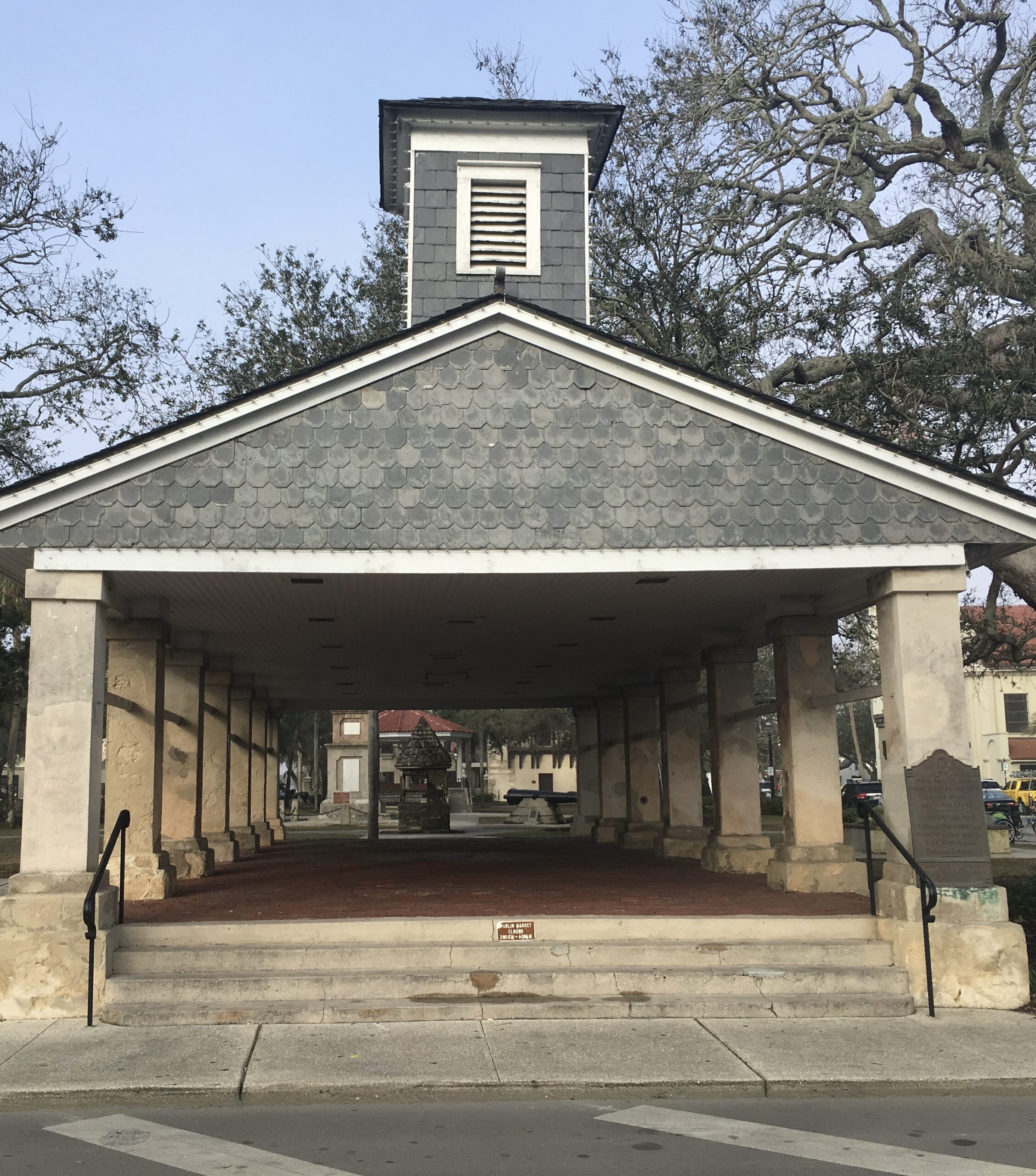
But it was deemed “a great moral drama” by Martin Luther King, Jr, who was arrested and jailed there-and almost assassinated.
I spent many years excavating that drama for my new book, Original City, Original Sin: King, the Klan, and the Fight for Civil Rights in St. Augustine, Florida (published by CUP on October 15). Though Dr. King is arguably the sun of Original City, the book is much more about the planets that orbit around him, an ensemble cast of little-known characters who were drawn into the maw of the movement. They were Black and white, young and old, gay and straight-individuals who stepped up for a cause that was much bigger than themselves.
I wanted to write history that felt intimate, that felt personal. History that readers read with their hearts.
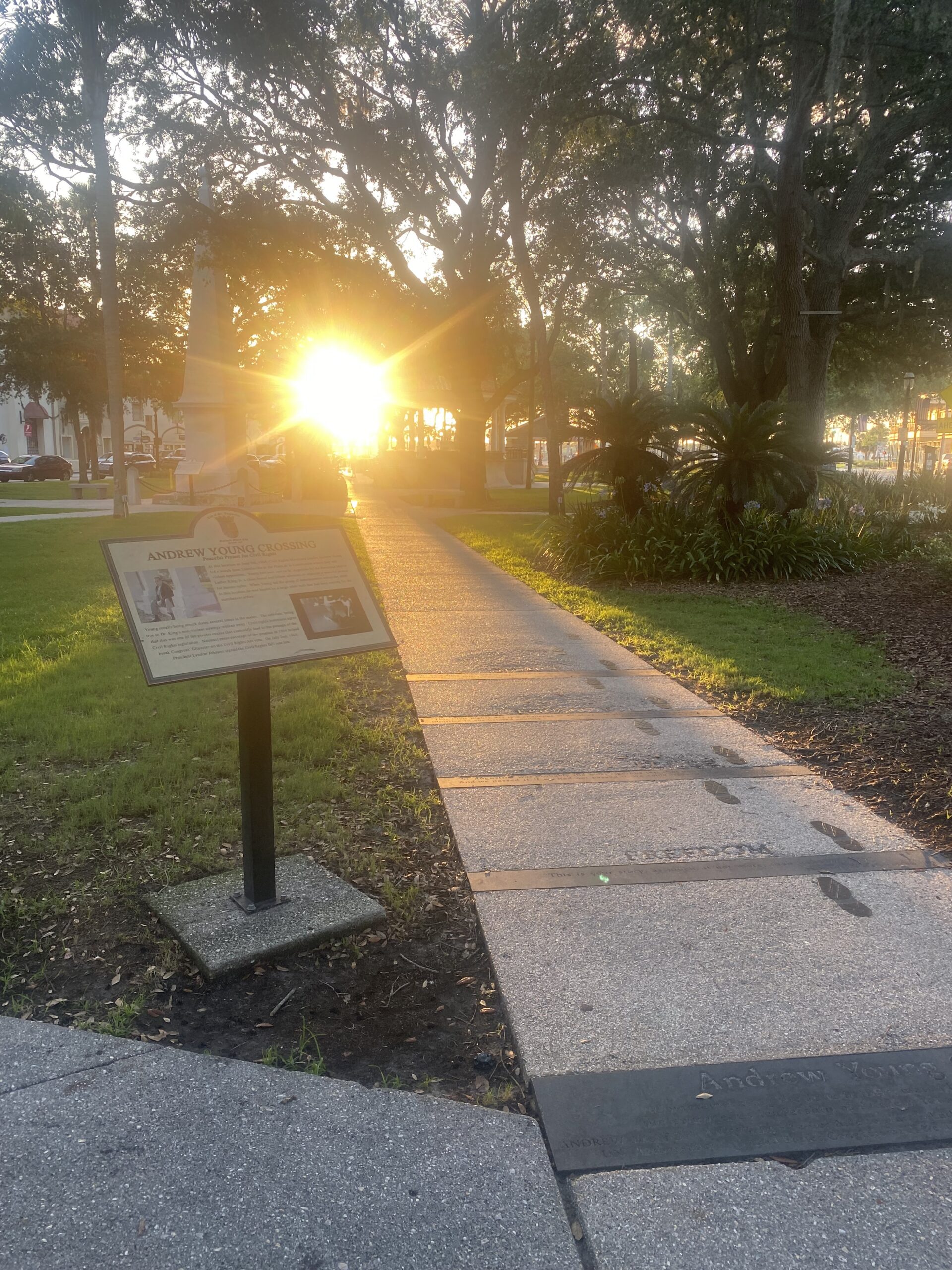
I think that feeling comes from three factors: from the narrow time frame (the ten months and five days between the March on Washington and the signing of the Civil Rights Act); from the setting in a small city of 15,000 people; but mostly from the fact that the book is strongly character-driven.
Don’t get me wrong. There was a huge amount of traditional research: reading piles of books, taking thousands of pages of notes, and visiting archives all over the country. But as a lifelong journalist, my approach was unapologetically journalistic. I conducted hundreds of in-depth interviews. I did my own transcription, as hearing the voices for a second time sparked all kinds of connections.
I wanted a visceral sense of what it was like to truly live this supercharged moment of American history-a time with heartbreaking resonance to the days that we are living now.
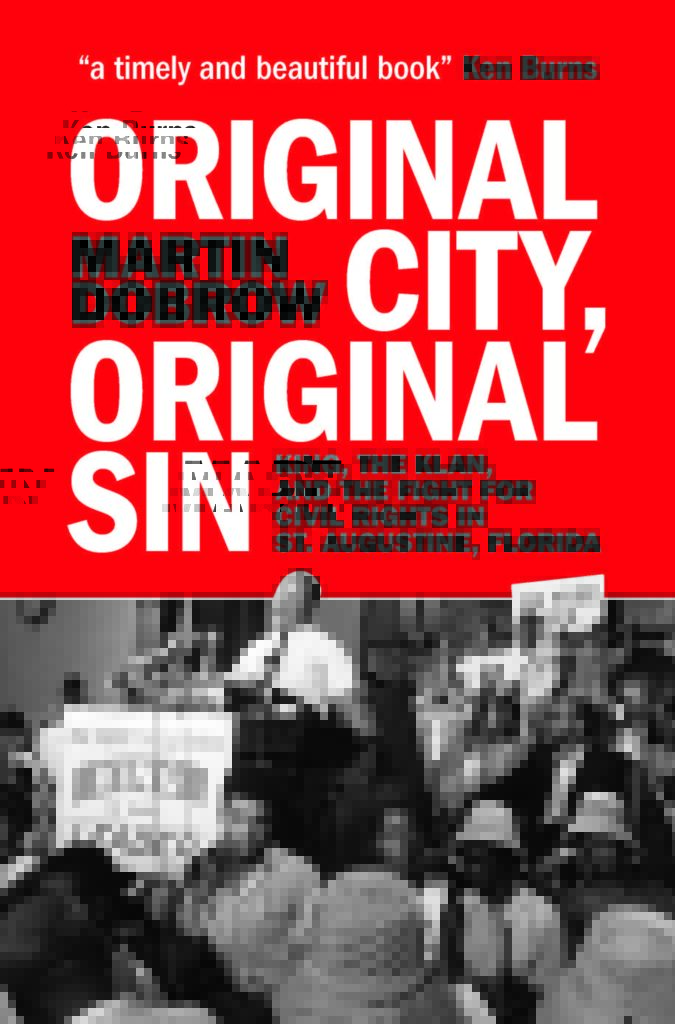
Original City, Original Sin
by Martin Dobrow

Martin Dobrow is an award-winning journalist who has written for dozens of publications, including The Washington Post, The Atlantic, and ESPN, and the author of two previous books...
View profile >Keep up with the latest from Cambridge University Press on our social media accounts.


Latest Comments
Have your say!