

Products and services


I didn’t set out to write a book about freedom, or about the Black Atlantic. I thought I was writing a history of education in postcolonial West Africa. But the longer I spent in the archives in Ghana and Côte d’Ivoire, the more one puzzle came to dominate my research: why did schools matter so much, to so many people?
The usual answer is economic development. Governments needed skilled workers, and schools supplied them. But the sources I was reading suggested something deeper. The tremendous push to expand schooling at independence far exceeded what a government could do on its own. Here, popular will and ministerial directive were in sync. I realized that, for ordinary people just as much as for the state, going to school meant freedom from colonial rule.
As I discovered, the link between education and emancipation drew on a much deeper history of the Black Atlantic than a West African perspective alone would suggest. In the eighteenth century, at the height of the transatlantic trade in African people, Euro-American racial regimes located the economic value of Black and African people exclusively in the body. Colonial rule drew on the same logic. It made bodily exploitation central to the colonial economy.
At independence, schooling promised more than skills: it stood as a rejection of the racial hierarchies that Africans had long faced in the Atlantic world. Widespread education would repurpose an economy based on African bodies to one powered by their minds. This was an original understanding of development that fused antiracism to economic theory, and human dignity to material productivity. I call this vision anticolonial development. It powered the signature development project of postcolonial West Africa: the creation of a public education system that went from serving thousands to serving millions in just two decades. To ordinary people, the development infrastructure that mattered most was that of humble classrooms. Desks and chairs, not industrial machinery, fired people’s imaginations of how bright their future could be.
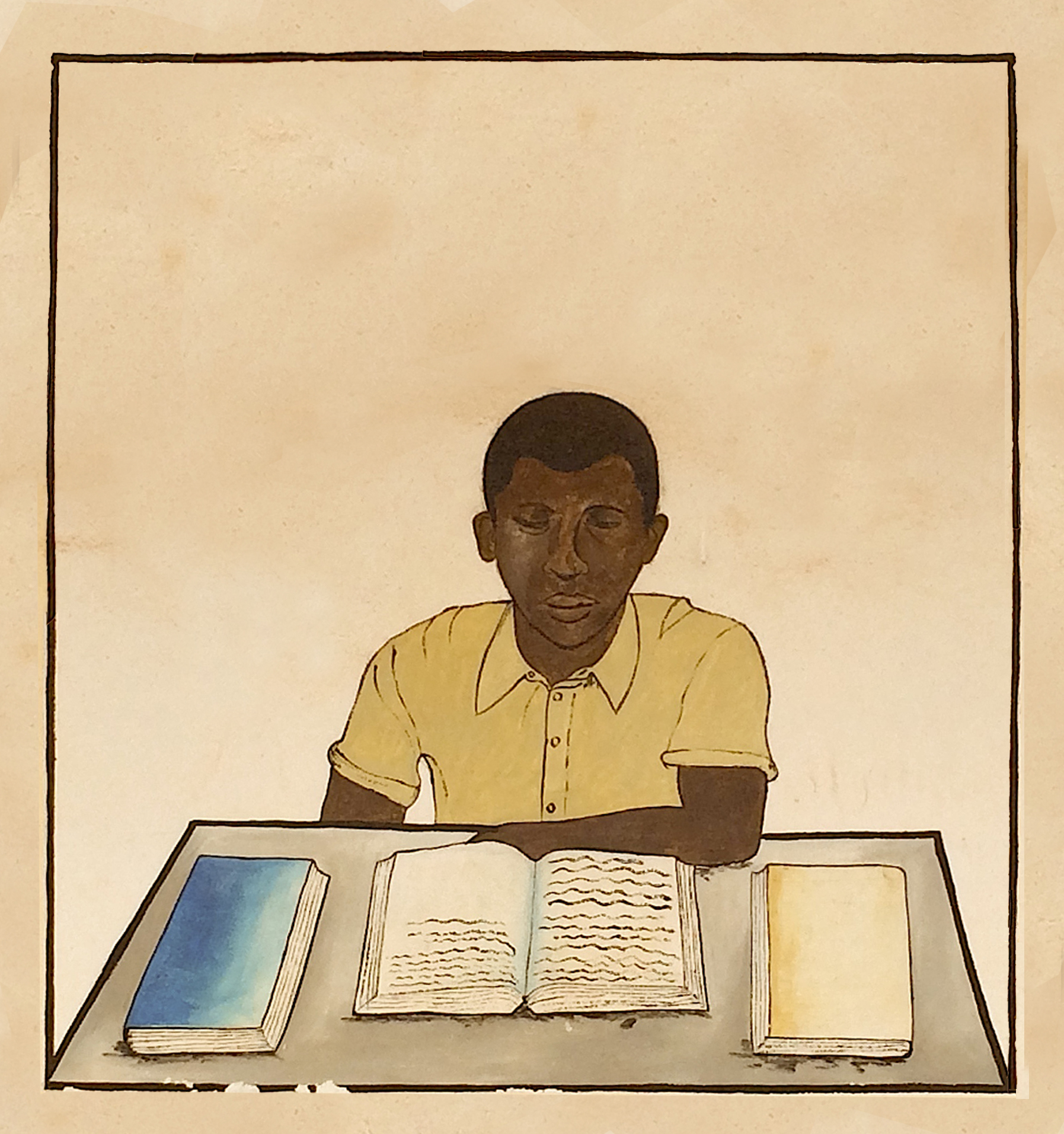
Image Credit: Unknown artist, Inspection de l’Enseignement Préscolaire et
Primaire, Abengourou 2, Côte d’Ivoire. Photo by Elisa Prosperetti, 2016.
Observing how important schooling was at independence led me to note parallels elsewhere in the Atlantic world, particularly in the nineteenth century. I came to see decolonization in West Africa as part of a longer history of Black Atlantic emancipation. This perspective helps explain why decolonization took the forms it did. Although decolonization in West Africa is usually placed within the global wave of independence across Asia, Africa, and the Middle East in the 1950s and 1960s, the ways that West Africans made sense of freedom from colonial rule were rooted in a deeper, regional past.
The project of public education in West Africa, so promising at independence, faltered over the years. Inequalities of gender, geography, and generation deepened, so that the educational dividend of independence was unevenly distributed. These exclusions exposed the unresolved problem at the heart of anticolonial development. Could Europhone education—that is, education conducted in European languages—really serve African freedom? An Anticolonial Development returns us to a moment of fevered imagination when that question seemed full of possibility.
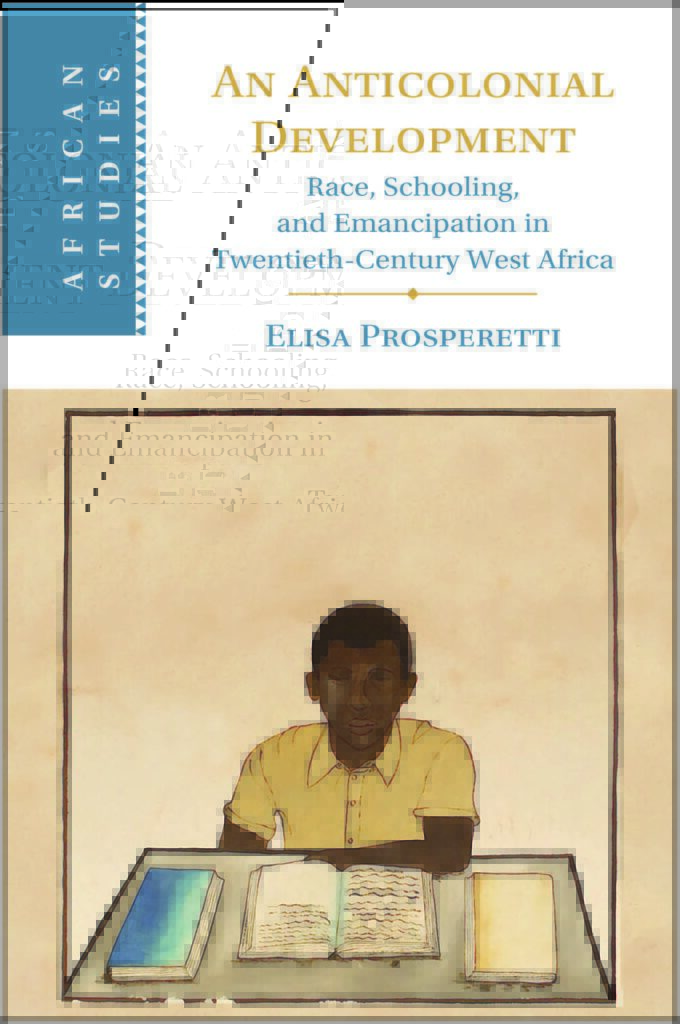
An Anticolonial Development by Elisa Prosperetti

Elisa Prosperetti is Assistant Professor of History at the National Institute of Education, part of the Nanyang Technological University, in Singapore....
View profile >Keep up with the latest from Cambridge University Press on our social media accounts.



Latest Comments
Have your say!