

Products and services

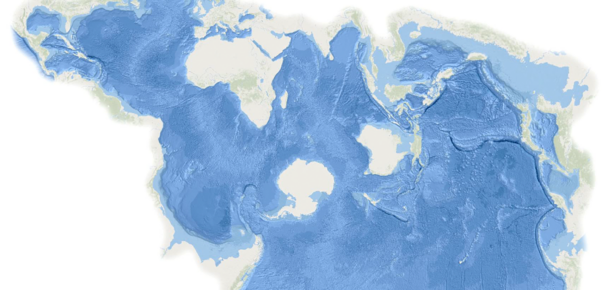
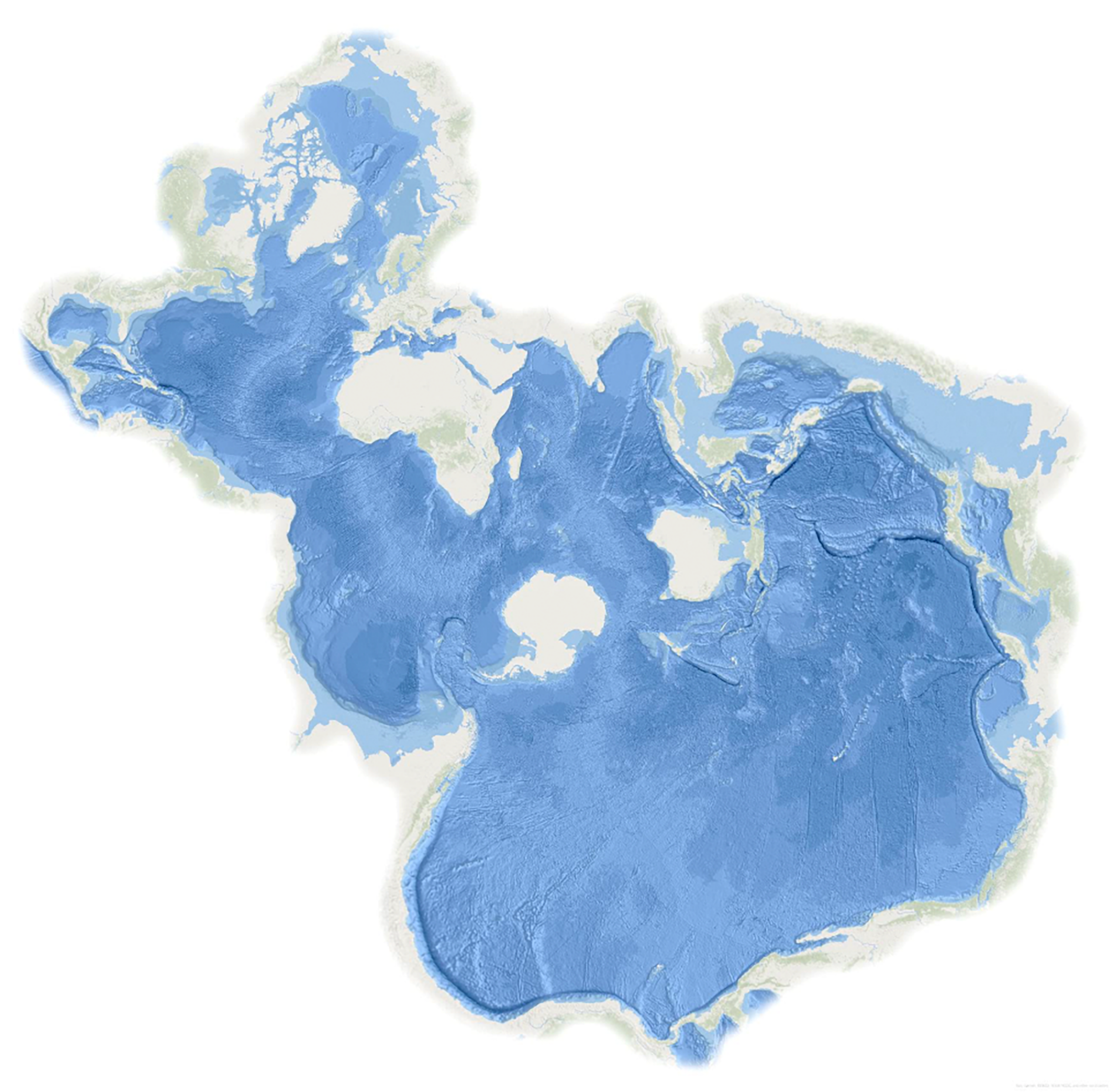
When people think about the Anthropocene—the age in which human activities have become a major force shaping the Earth’s climate, ecosystems, and geology—they usually picture changes on land. Cities expand, forests disappear, industries grow, and transportation networks spread across continents. Yet throughout the years I spent researching and writing Earth’s Amphibious Transformation, I became increasingly convinced that we have overlooked one of the most profound transformations of all: the transformation of the world’s oceans.
This book grew out of a simple question. What happens if we stop treating the ocean as merely the space between continents traversed by ships and instead view it as one of the principal places where modern history has unfolded?
The answer surprised even me. Since the mid-twentieth century, humans have extended their habitat onto the sea in remarkable ways. Floating and seabed-fixed structures like offshore oil and gas platforms, floating renewable energy systems, fish farms, floating urban structures, and rocket launch facilities have become defining features of the modern world. Although these developments are usually studied separately, I found that they are all part of a much larger historical process that I describe as Earth’s amphibious transformation.
I believe this perspective is particularly timely today. Around the world, governments, industries, and researchers are searching for ways to adapt to climate change, respond to sea-level rise, produce cleaner energy, secure food supplies, and rethink the future of cities. Increasingly, many of these discussions point toward aquatic spaces. Floating buildings, offshore renewable energy, marine food production, and other forms of marine infrastructure have become part of our present, while proposals for floating urban quarters and even entire floating cities are increasingly being discussed.
But if we are going to build more extensively at sea, I believe we first need to understand how we arrived here.
One of the central ideas of the book is that we cannot understand these developments by looking only at the sea surface. I therefore adopt what I call an oceanic-vertical perspective, following how human activities have increasingly connected multiple layers of the Earth system—from fossil fuels beneath the seabed to the water column, the sea surface, the atmosphere, and even outer space. Looking vertically rather than only horizontally reveals connections that are often invisible in conventional histories.
The book also explores the tensions that have accompanied this transformation. Artificial islands—including floating structures, seabed-fixed structures, and reclaimed land created through sand and rock fill—have enabled new forms of economic development, transportation, communication, food production, and energy generation. At the same time, they have transformed marine ecosystems, created new multispecies interactions, and contributed to environmental change. Rather than presenting technology as either inherently beneficial or inherently harmful, I wanted to understand how technological innovation and environmental concerns have shaped one another throughout this history.
Perhaps most importantly, I hope the book encourages readers to rethink where the Anthropocene has taken place. Much of its history has unfolded not only on land but also across the ocean. Recognising this changes how we understand both our past and our future.
As societies increasingly turn toward the sea in search of solutions for climate adaptation, sustainable development, and economic growth, I believe there has never been a better moment to step back and examine the historical roots of this transformation. My hope is that Earth’s Amphibious Transformation offers readers a new way of seeing the ocean—not as the empty space between nations, but as one of the defining environments of the modern world and an essential place for understanding the challenges and opportunities that lie ahead.
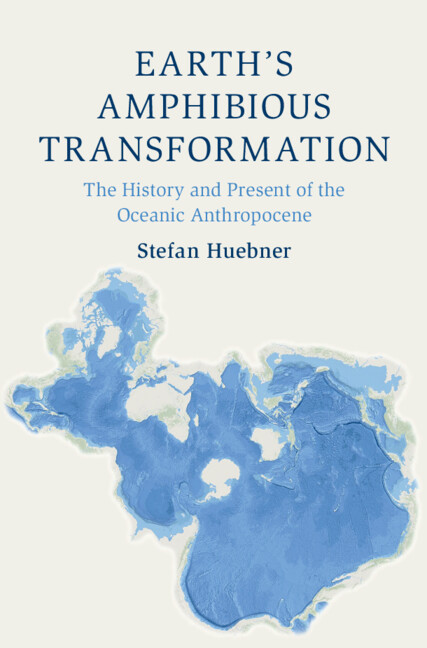
Earth’s Amphibious Transformation by Stefan Huebner

Stefan Huebner is Senior Research Fellow at the National University of Singapore, President of the Society of Floating Solutions (Singapore) and Deputy Chair of the International S...
View profile >Keep up with the latest from Cambridge University Press on our social media accounts.




Latest Comments
Have your say!