
Products and services

In 1618, the parish clerk of St Botolph’s Aldgate, in London, wrote a detailed account of a wedding he had just witnessed, ‘because we never had the like’ before. What was so unusual about this marriage was that the groom was congenitally deaf, and used sign language instead of speech to make his vows.
That man was Thomas Speller, a trainee blacksmith from Essex. Born at the start of the 17th century in the market town of Hatfield Broadoak, Speller was one of four deaf children. He trained as a blacksmith in a neighbouring village – a common profession for deaf boys since forges were noisy places to work and most blacksmiths ended up losing their hearing. There, he fell in love with the blacksmith’s daughter – Sara Earle – and the pair decided to marry in Thomas Speller’s hometown. This is when his problems started.
Winfred Speller, Thomas’ mother, objected to the marriage, claiming that Thomas had been ‘stolen’ from her. She argued that Sara Earle was a fortune hunter (Thomas was due to come into an inheritance on his marriage), and that because he was ‘deaf and dumb’ Thomas was incapable of making informed consent. This reflected a long legal tradition that deaf people who used sign language were mentally incapacitated. Pre-modern societies were primarily oral, and there was a widespread belief that rational thought was impossible without language: reflected in the different uses of the word ‘dumb’. But of course, deaf people do have a language: there is evidence going back to Ancient Greece of deaf people using signs to communicate. And while those sign languages may not have had the linguistic complexity of modern sign languages like British Sign Language, they were expressive enough to convey abstract ideas.
This was recognised by the Catholic church, when Pope Innocent III issued a decree allowing deaf people to marry using signs in 1198. The tradition was later absorbed into the Church of England, enabling Thomas Speller to use the ‘best signs he could’ to marry his bride, Sara Earle. It was potentially transformative for deaf people in other areas too: by acknowledging that sign languages were equivalent to spoken languages, deaf people were able to prove their intellectual capacity and use sign language to make a will, to take a case to a law court, and to live independently.
Prejudice, however, meant that the principle was not always applied: as Thomas Speller discovered over four hundred years later. In 1618, as he planned his wedding, letters flew back and forth between Essex and the Bishop of London about whether or not Thomas was able to consent to marriage. In the end, the matter was settled when Thomas Speller and Sara Earl appeared before the Bishop of London’s legal team in person: then Thomas declared ‘in signs’ that he wanted to marry Sara, and so – despite his mother’s opposition – a license was issued.
However, Thomas and Sara were unable to marry in Hatfield Broadoak, even with the bishop’s license. Thomas’ mother stirred up so much trouble in Essex, that the couple were forced to go to London to get married – which is how they met the parish clerk of St Botolph Aldgate. That clerk may not have seen a deaf marriage before, but though it was unusual it was not unknown in early modern England. The practice promoted sign language as an eloquent alternative to spoken English (or Latin) and humanised the deaf men and women who used them, challenging enduring doubts about the mental capabilities of deaf people.
Thomas Speller’s experience is just one of many untold stories of deaf lives in Silent Histories: together they show the complexity of deafness, speechlessness and inclusion in early modern England.
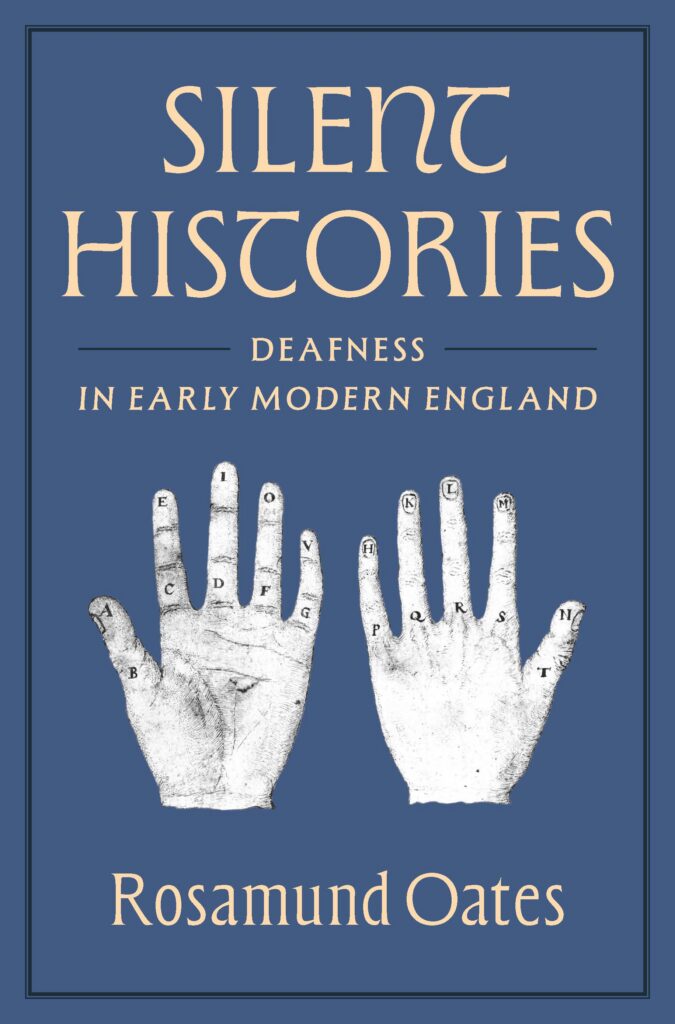
Silent Histories by Rosamund Oates
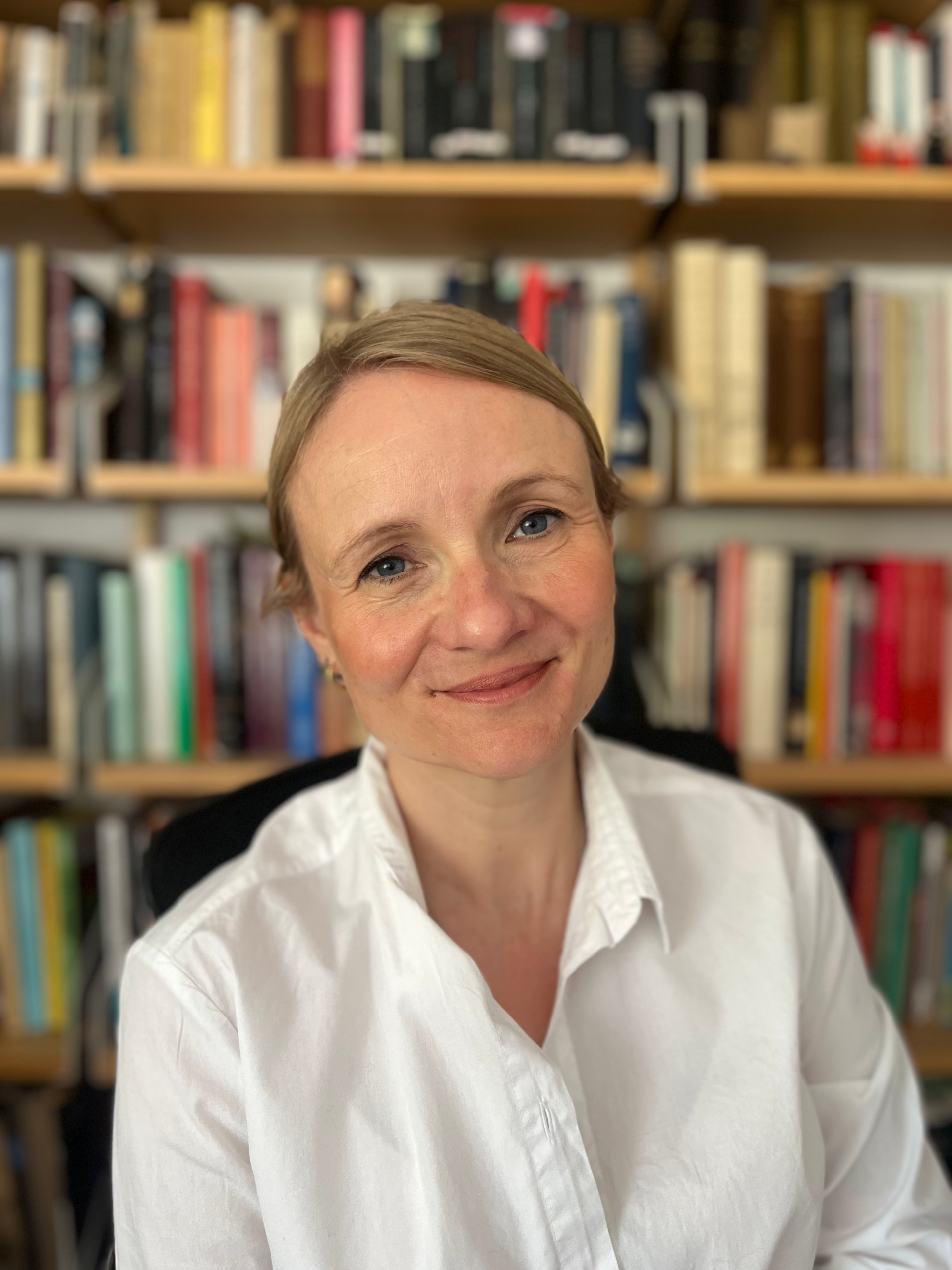
Rosamund Oates is Professor of Early Modern History at Manchester Metropolitan University and the author of Moderate Radical (2018). She is a leading scholar of disability history,...
View profile >Keep up with the latest from Cambridge University Press on our social media accounts.


Latest Comments
Have your say!