

Products and services

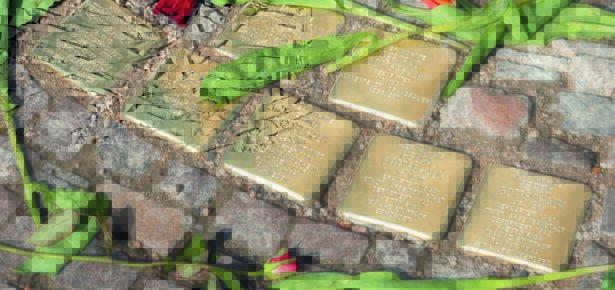
In the wake of the Hamas attacks on October 7, 2023, and the war in Gaza that followed, political conversations in the United States, Germany, and elsewhere have grown more tense and divisive. Accusations of antisemitism circulate with fresh urgency, but often in ways that generate confusion or anger. At the same time, we’re moving further away from the Holocaust itself, as the last generation of survivors who can speak from lived experience is gradually disappearing. Taken together, these developments raise a pressing question: how do we keep Holocaust memory meaningful in a world shaped by new conflicts, cultural and religious battles, and persistent migration?
An unexpected place to look for answers is contemporary German literature. Over the past few decades, a new wave of writers, many of them shaped by migration experiences, has started to rethink how the Holocaust is remembered. Germany offers a particularly complex backdrop: the country where Holocaust guilt and shame still loom, and present-day home to diverse migrant communities. That combination creates space for different histories and perspectives to converge, intersect, and challenge one another in unexpected ways.
Agnes Mueller’s new book, Holocaust Migration in German Jewish Literatures, takes a close look at this evolving literary scene. Focusing on the last twenty years, she shows how themes like displacement, memory, and identity come together in the work of contemporary German based, Jewish authors. Many of these writers draw on personal or family histories of migration, especially from post-Soviet regions, and place those experiences alongside longer histories of persecution and survival. In so doing, they push back against fixed or entrenched ideas of what it means to be Jewish or Muslim.
The novels of Olga Grjasnowa offer a clear example of this shift. Born in Azerbaijan in 1984 and later moving to Germany through the quota refugee program, Grjasnowa writes stories that move easily across borders and time periods. Her characters navigate cities like Berlin and Tel Aviv, linking older histories of antisemitism with more recent memories of Muslim migration. Their identities are presented as layered and fluid, resisting any labels. They might be shaped by both Jewish lineage and Muslim contemporaries. In her work, trauma isn’t something sealed off in the past. It offers readers ongoing present challenges.
Other writers, such as Lena Gorelik, Sasha Marianna Salzmann, Dana Vowinckel, Kat Kaufman, and Dimitrij Kapitelmann, are also reshaping how memory and identity are portrayed. Earlier “second generation” authors like W. G. Sebald, Thomas Bernhard, and Barbara Honigmann had already begun to point in this direction, showing how migration changes the way Holocaust memory works. Across these novels, characters often belong to multiple worlds at once-religiously, culturally, linguistically-evading familiar categories. Instead of reinforcing divides, especially between Jewish and Muslim communities, these stories often reveal shared experiences of movement, marginalization, and assimilation.
What stands out in all of this is an important shift in perspective. By focusing on everyday life and richly drawn characters, these authors encourage readers to move beyond simplified narratives. Germany, in this sense, becomes a new “brave space”: a place where difficult histories and present-day realities are brought into conversation with one another.
At a time when old prejudices persist and new tensions emerge, literature offers a powerful way to engage with these issues. It doesn’t replace political debate, but it adds something essential: nuance, empathy, and a deeper sense of complexity. It offers connection. As Mueller’s work makes clear, these literary voices open new ways of thinking about the Holocaust, about antisemitism, and about ways to overcome toxic binaries that shape our world today.
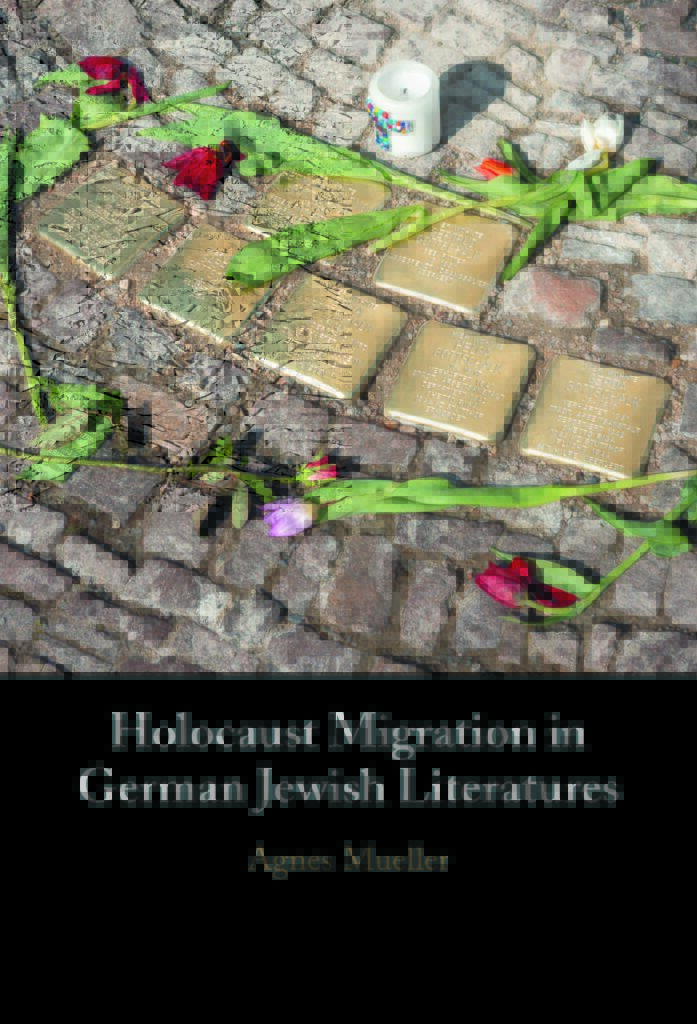
Holocaust Migration in German
Jewish Literatures by Agnes Mueller
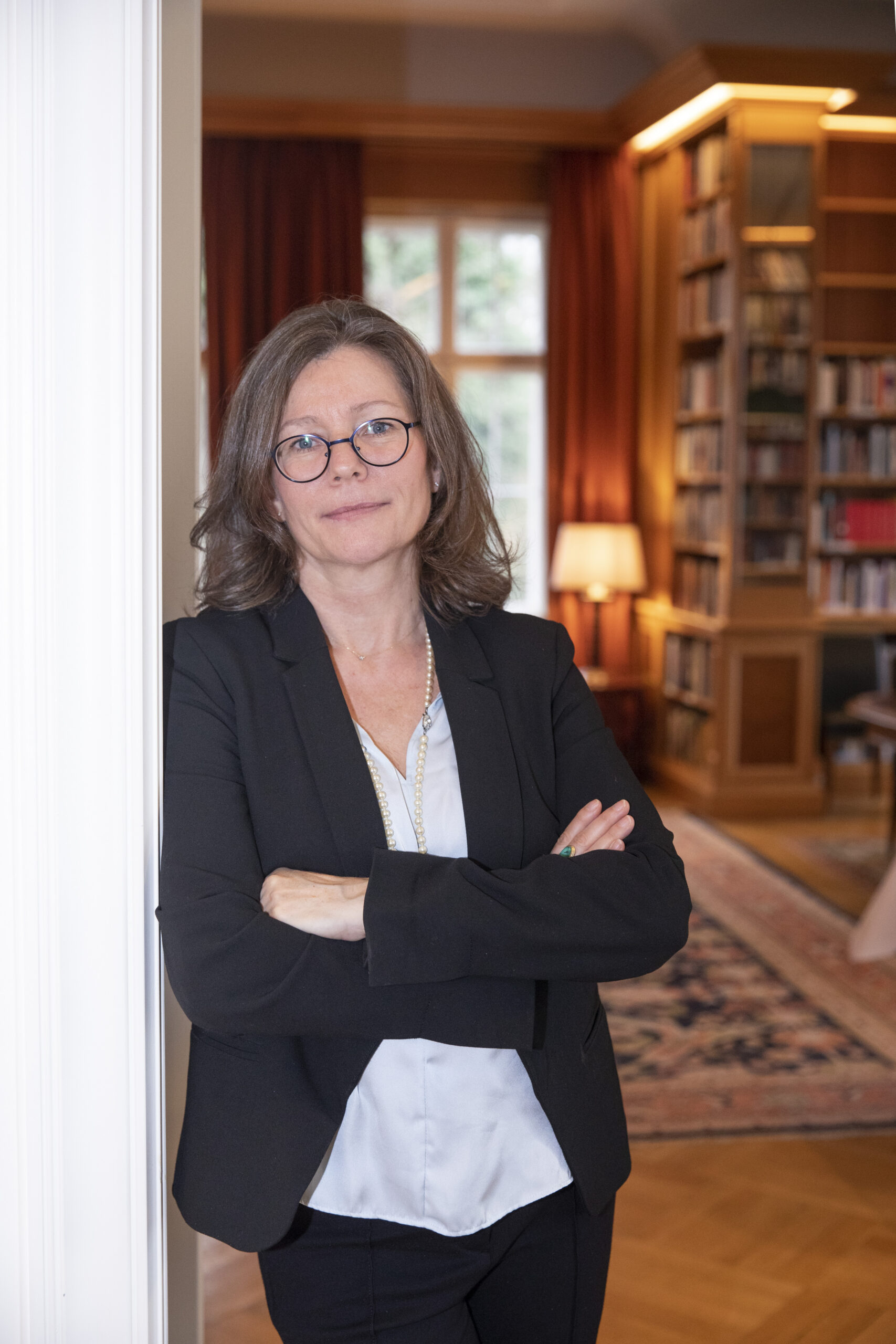
Agnes Mueller, Professor of German and Comparative Literature at the University of South Carolina, is core faculty of USC's Jewish Studies. She has previously published on Holocaus...
View profile >Keep up with the latest from Cambridge University Press on our social media accounts.


Latest Comments
Have your say!